It’s heartbreaking to see an eleven-year-old dragon bone plant suddenly wither away. The grandson from Fujian must feel like crying, as this plant was meant to bring peace to the home. How did it suddenly start to wilt from the bottom?
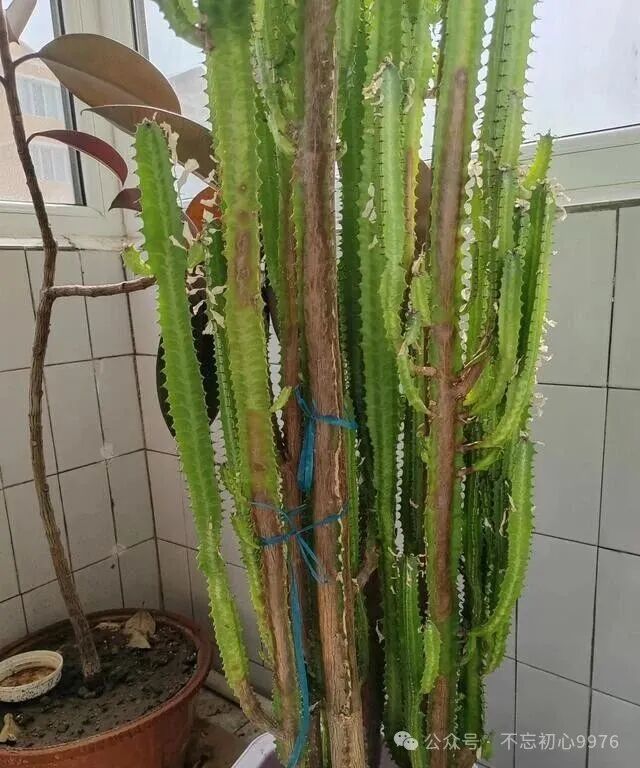
Actually, I’ve seen this situation many times. Many people think dragon bone plants are easy to care for, just leave them alone, and they will thrive. However, problems can arise unexpectedly. Today, let’s discuss this topic.
01 Why Dragon Bone Plants Are So Popular
When it comes to dragon bone plants, the older generation particularly loves them. Why is that?
Because they symbolize good fortune, rising steadily, and ensuring safety. Moreover, they are indeed hardy. Normally, if you water them once a month and fertilize them every six months, they can grow quite well. Some families have dragon bone plants that can reach two meters in height, almost too tall for indoor spaces.
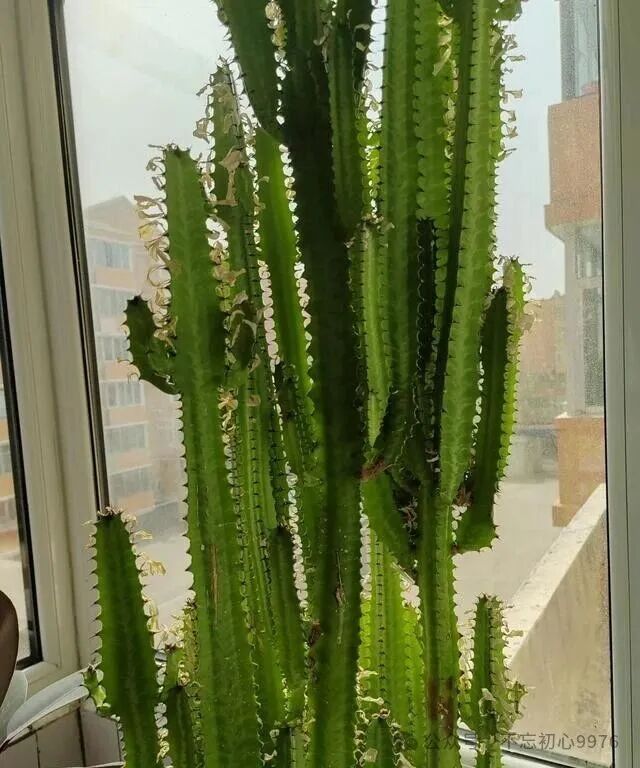
However, being hardy doesn’t mean they won’t have problems. Just like the dragon bone plant at this Fujian guy’s home, after eleven years, it suddenly withered. How distressing is that?
02 The Real Reason for the Dragon Bone Plant’s Wilting
I carefully examined this case. Watering once a month and fertilizing every six months seems reasonable, but the issue might lie in the details.
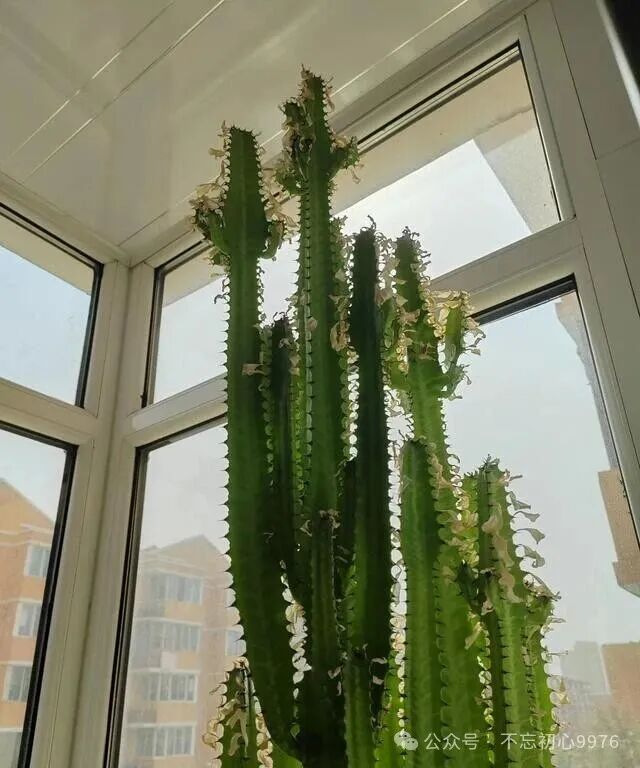
First, regarding watering, once a month sounds reasonable, but you need to consider the season. Water evaporates quickly in summer and slowly in winter. Additionally, the drainage situation on the balcony is crucial. If it rains continuously and the potting soil doesn’t drain well, it effectively increases the watering frequency, which the dragon bone plant’s root system cannot tolerate.
Next, the soil. After eleven years, the soil has likely compacted. Compacted soil is like stone, making it difficult for the roots to breathe and expand. Over time, this will definitely lead to problems.
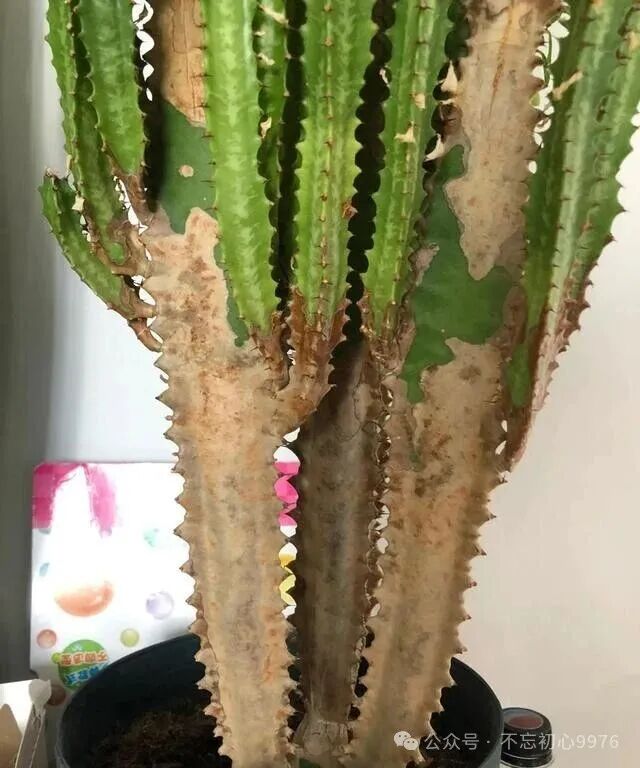
Another possibility is disease. I’ve seen some netizens mention rust disease, which occurs easily in humid and poorly ventilated environments. Once infected, it starts from the bottom and gradually spreads upwards, ultimately causing the entire plant to wither.
03 Are the Netizens’ Treatment Suggestions Reliable?
After reading those comments, some suggested repotting to check the root system, others recommended changing the pot and soil, and some even suggested starting over completely. How reliable are these suggestions?
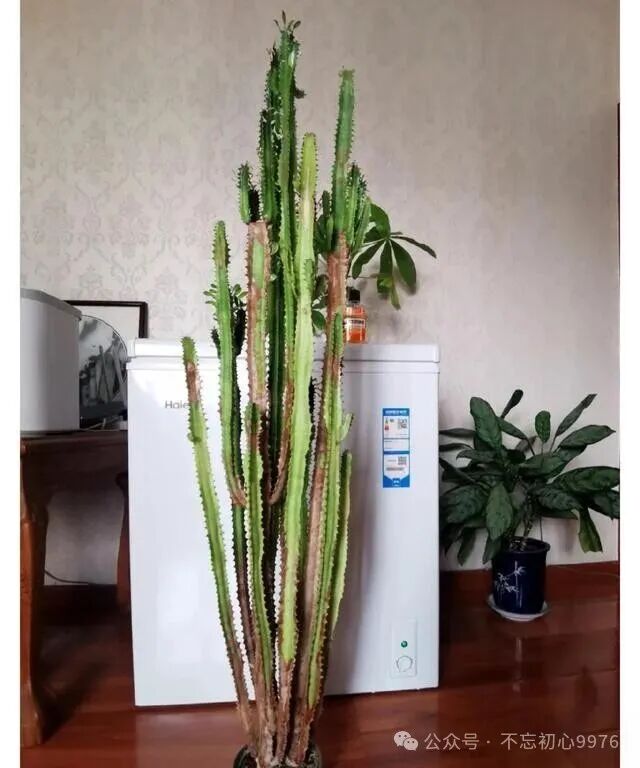
The suggestion to repot and check the root system is correct. If the roots are rotten and black, you must decisively cut off the rotten parts, disinfect with a fungicide, and replant. However, if it’s just a minor issue, don’t overdo it.
Changing pots also makes sense. After eleven years without a pot change, the soil must be compacted, with poor aeration and drainage. Using a larger pot with loose, breathable soil will help the dragon bone plant recover.
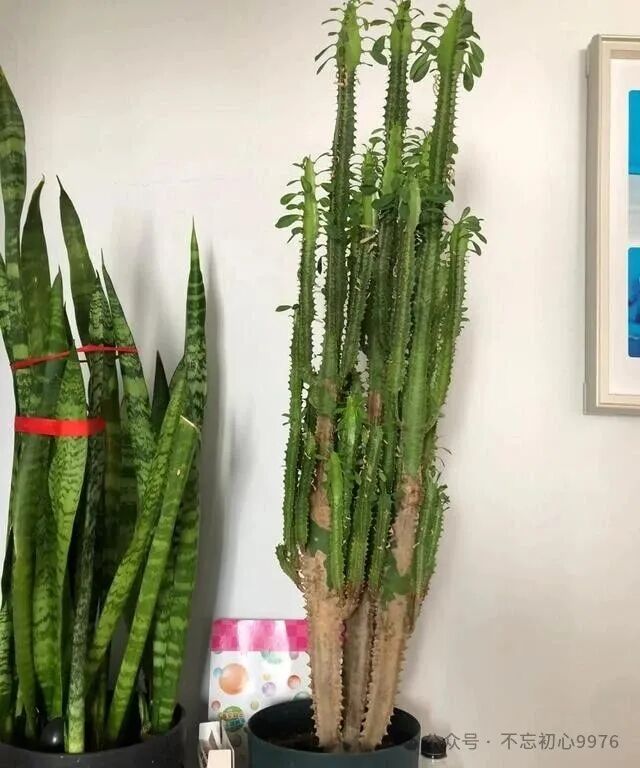
As for starting over completely, that’s a bit drastic, but if the main stem is severely infected, it is indeed a solution. Cut the branches, let the wounds dry, and reinsert them; the survival rate is still quite high.
04 Key Points for Daily Care
Having discussed so many problems, let’s talk about how to properly care for dragon bone plants to avoid such tragedies.
Watering really depends on the season. In spring and autumn, once a month is about right; in summer, you can increase it slightly, and in winter, water less. It’s a rule of thumb for dragon bone care to err on the side of dryness rather than wetness.
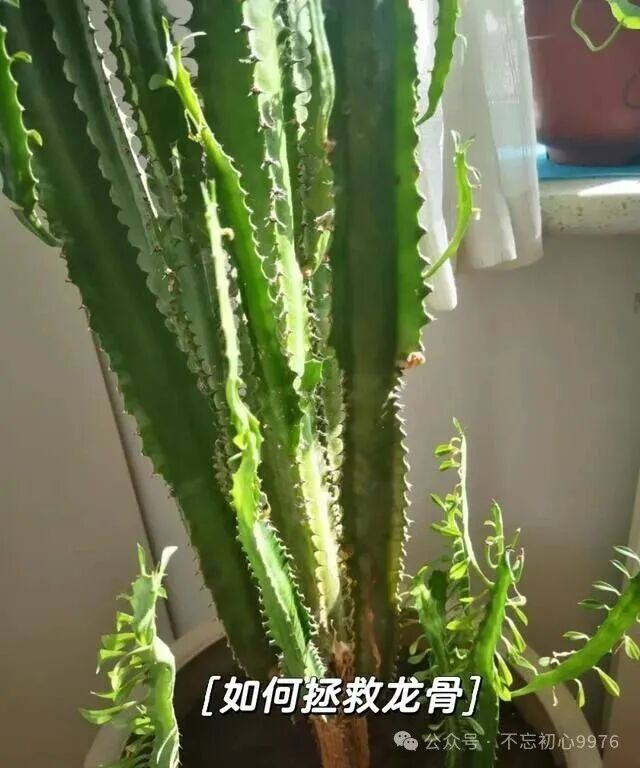
The soil should be loose and breathable. You can use leaf mold mixed with perlite or directly buy soil specifically for succulents. Drainage must be good, as water accumulation is the dragon bone plant’s nemesis.
Light is also very important. Dragon bone plants prefer ample diffused light, but strong sunlight at noon in summer should be avoided, as it can easily scorch the leaves.
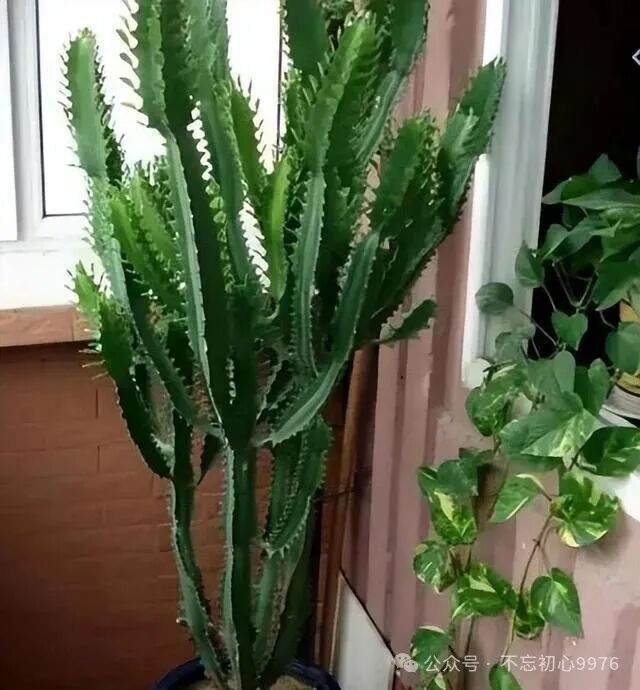
Fertilizing doesn’t need to be too frequent; once every six months with compound fertilizer is sufficient. The concentration should be low; it’s better to use less than more. Remember to water after fertilizing to dilute it.
05 What to Do When Problems Arise
If your dragon bone plant is experiencing similar issues, don’t panic. First, check the root system. If there are rotten parts, cut them off decisively, disinfect with a fungicide, and then replant with new soil.
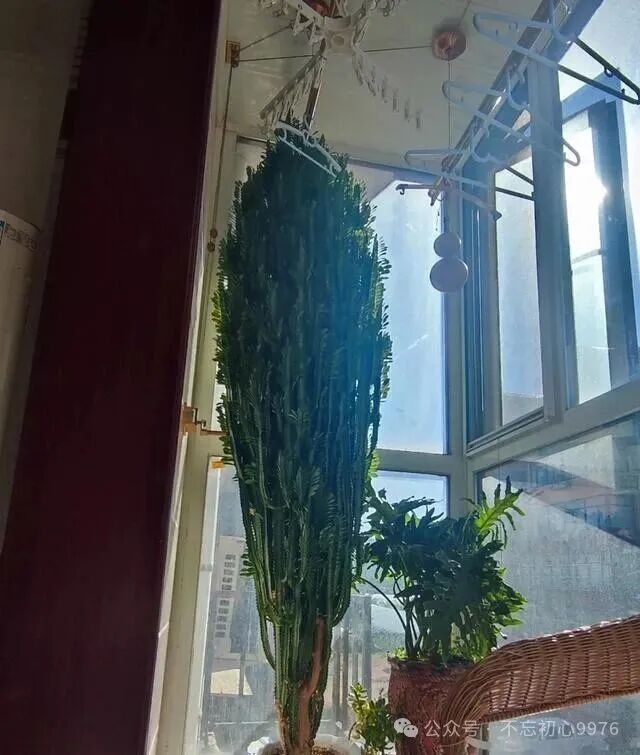
If the problem isn’t severe, you can stop watering, increase ventilation, and observe for a while. Sometimes, a plant’s self-healing ability is stronger than we think.
If all else fails, follow the netizens’ advice: cut a few healthy branches and reinsert them. Dragon bone plants have strong propagation abilities; they can usually survive just by being inserted into the soil.
In fact, when it comes to plant care, experience is more important than theory. Observe and ponder more, and you will gradually grasp the rules. Don’t give up after one failure; even seasoned growers with eleven years of experience encounter problems, let alone us beginners!