Technological innovation is changing the way every developer works.
I have been involved with Arduino for over a decade. From initially searching the internet for information and example code to manual debugging, to now programming with AI assistance, this journey has allowed me to witness technological innovation and experience a revolutionary change in development models.
Starting with an ESP32: The Original Intent and Challenges of the Smart Clock
It all began with my curiosity about the Internet of Things. At that time, I chose an ESP32 LilyGo T-Display S3 development board, which integrates a display and Wi-Fi functionality, making it a perfect choice for creating a desktop smart clock.
The hardships of early development are still fresh in my memory. The first challenge was how to automatically synchronize the time after the ESP32 connects to the network. I spent several days reviewing technical documents, browsing various forums, and trying to understand the NTP protocol, timezone handling, and network exception handling. I faced a screen full of terminal error codes and device restarts due to memory overflow, repeatedly trying different methods with slow and difficult progress.
Hardware configuration was equally tricky. Display drivers, power supply schemes, and designing a user-friendly operation logic with limited buttons—each step could present unexpected issues. All of this relied on manual searching and debugging.
Although traditional development methods are challenging, they have their value. Through this manual debugging, I gained a deep understanding of how embedded systems work. Each problem solved contributed to a solid accumulation of knowledge, which is invaluable. However, it is undeniable that the time cost is extremely high: a simple function could take days to debug.
Encountering AI Assistants: A Revolutionary Shift in Development Models
The shift occurred after I was introduced to AI programming assistants. Initially, I was skeptical, but faced with a tricky bug, I decided to try AI programming tools like Trea.
The initial experience of AI-assisted development was impressive. By simply describing my needs in natural language, the AI could generate a basic code framework. When I needed to adjust the clock style, I no longer had to manually tweak each parameter; I just told the AI, “Make the clock display larger and add vertical display functionality,” and it provided a complete implementation plan.
The improvement in debugging efficiency was even more significant. Errors that previously took hours or even days to find could now be resolved by simply inputting the error message into the AI, which would provide possible causes and solutions. Once, when my clock display flickered, the AI immediately pointed out it was a memory allocation issue and provided a fix.
I was particularly surprised that the AI could understand complex requirements like “automatically store user configurations and load them on the next boot.” It could not only generate functional code but also provide interface layout suggestions, significantly shortening the development cycle.
Combining Tradition and AI: Best Practices for the New Generation of Developers
However, AI is not omnipotent. I gradually realized that foundational skills are still fundamental. Understanding hardware principles and programming basics is crucial, as the review and optimization of AI-generated code still rely on the developer’s foundational skills.
AI tools have their boundaries and limitations. For complex business logic, manual design and optimization are still necessary. Moreover, on-site debugging experience related to hardware issues is something AI cannot replace. For example, when using the TFT_eSPI library, one must first configure the driver; if one is completely unaware of this, communicating our needs to the AI will become a challenge.
Based on these experiences, I have formed a new development model: requirement analysis → create a demo → basic functionality AI generation → core logic manual optimization → testing and debugging. I delegate repetitive tasks to AI, allowing myself to focus on architectural design and innovative features.
Conclusion: Embracing the Future of Intelligent Development
Looking back on this journey, I have transformed from a developer who did everything myself to a modern engineer who knows how to collaborate with AI. This transformation is not about abandoning foundational skills, but rather using knowledge and skills more efficiently.
AI-assisted development is not meant to replace developers, but rather to empower developers. It liberates us from repetitive tasks, allowing us to focus on more creative work. For friends who are just entering the field of embedded development, I recommend building a solid foundation while boldly trying AI tools, as they will significantly enhance your development efficiency.
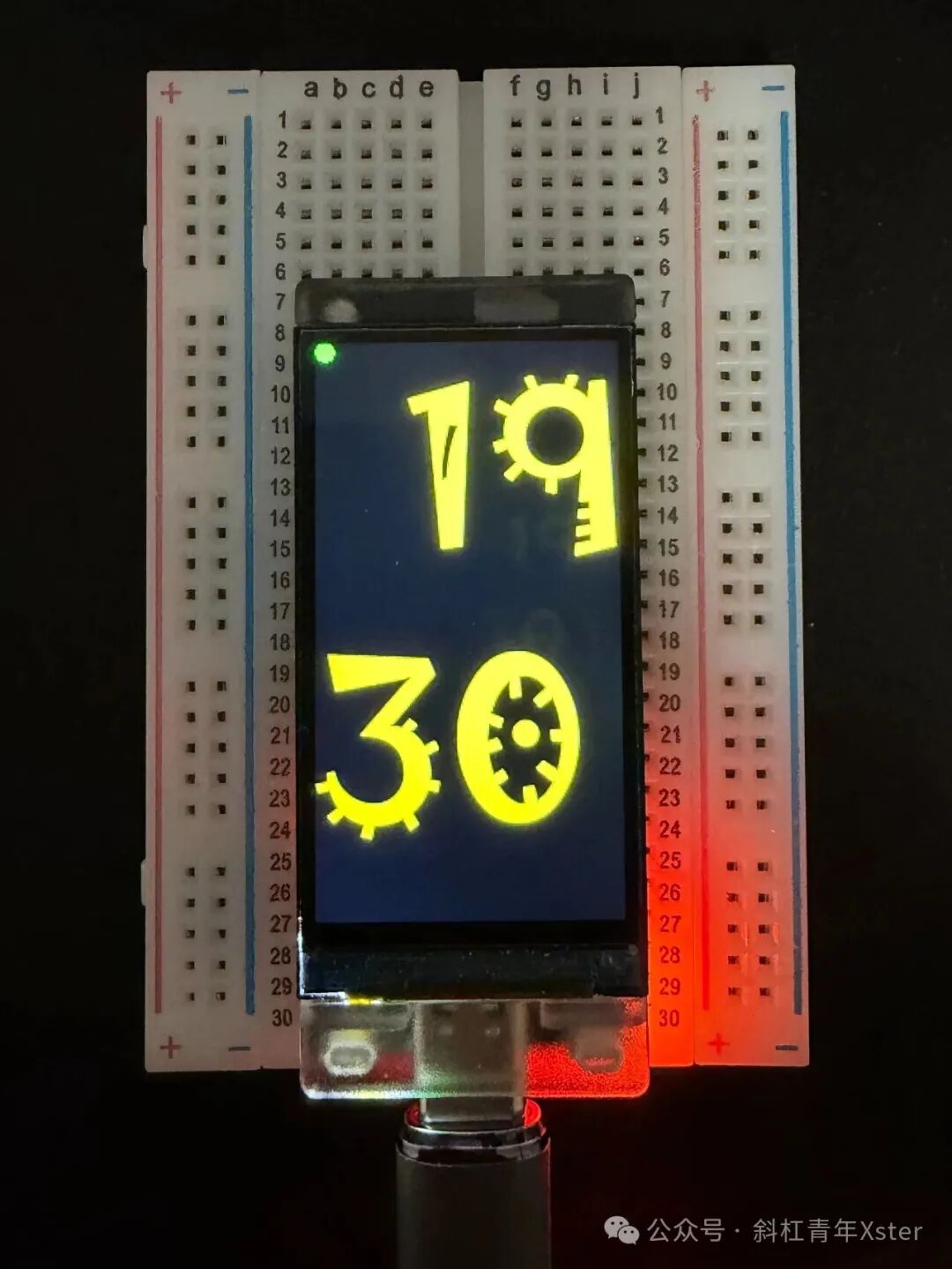
My smart clock project is still ongoing, and the next step is to add smart home integration features. This time, I will continue to pair program with AI without hesitation, as we live in an era where efficiency and quality can coexist.
Technological development will never replace humans, but those who know how to leverage technology will be at the forefront of the times.
Have you also used AI programming tools in your projects? Feel free to share your experiences and insights!