Paper link: https://doi.org/10.1016/j.enbuild.2024.115158
Research Background
With the rapid increase in home photovoltaic (PV) installations, the issue of time mismatch between PV generation and household electricity consumption has become increasingly prominent. This not only leads to a large amount of surplus electricity flowing into the grid, causing voltage fluctuations and grid instability, but also prevents users from fully utilizing self-generated power to reduce electricity costs. Traditional Home Energy Management (HEM) strategies are often based on hourly or longer time scales for energy matching, failing to reflect the real-time fluctuations of PV generation and load consumption at second or minute levels. Although battery energy storage systems (BESS) and flexible appliances (such as air conditioners and water heaters) are widely used to enhance PV self-consumption rates, their scheduling strategies often overlook the differences in device response characteristics and the time scales of PV fluctuations, resulting in limited scheduling effectiveness.
Research Content
This study proposes a multi-time resolution scheduling method that utilizes the flexibility of Thermostatically Controlled Loads (TCLs) and batteries to significantly enhance the real-time energy matching performance of home PV systems. The related research has been published in the paper titled “Improving the real-time energy matching performance of PV-based home energy system: A multi-time resolution scheduling method utilizing flexibility of thermostatically controlled loads and batteries” in the journal Energy & Buildings. The first author is Assistant Professor Zou Bin from Hunan University, and the corresponding author is Professor Peng Jinqing. The core of this method is:
(1) Air conditioners (AC) and electric water heaters (EWH) are scheduled at a minute-level resolution to track the overall trend of PV changes;
(2) Batteries are scheduled at a second-level resolution to respond to instantaneous fluctuations of PV generation.
This method establishes accurate thermodynamic models for AC and EWH, and validates the scheduling strategy with actual household data to ensure feasibility and effectiveness.
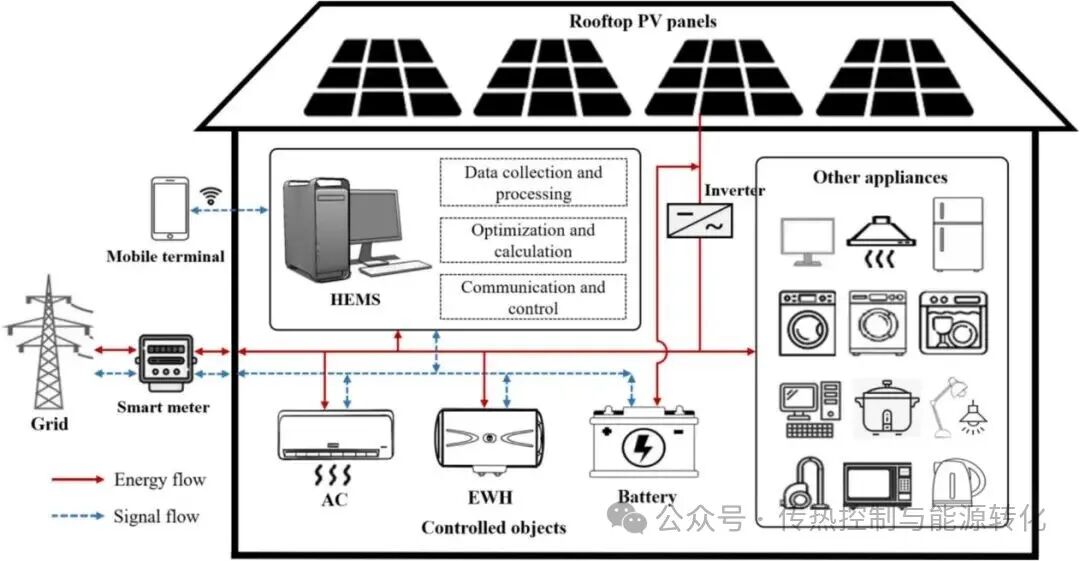 Figure 1. System Structure Diagram
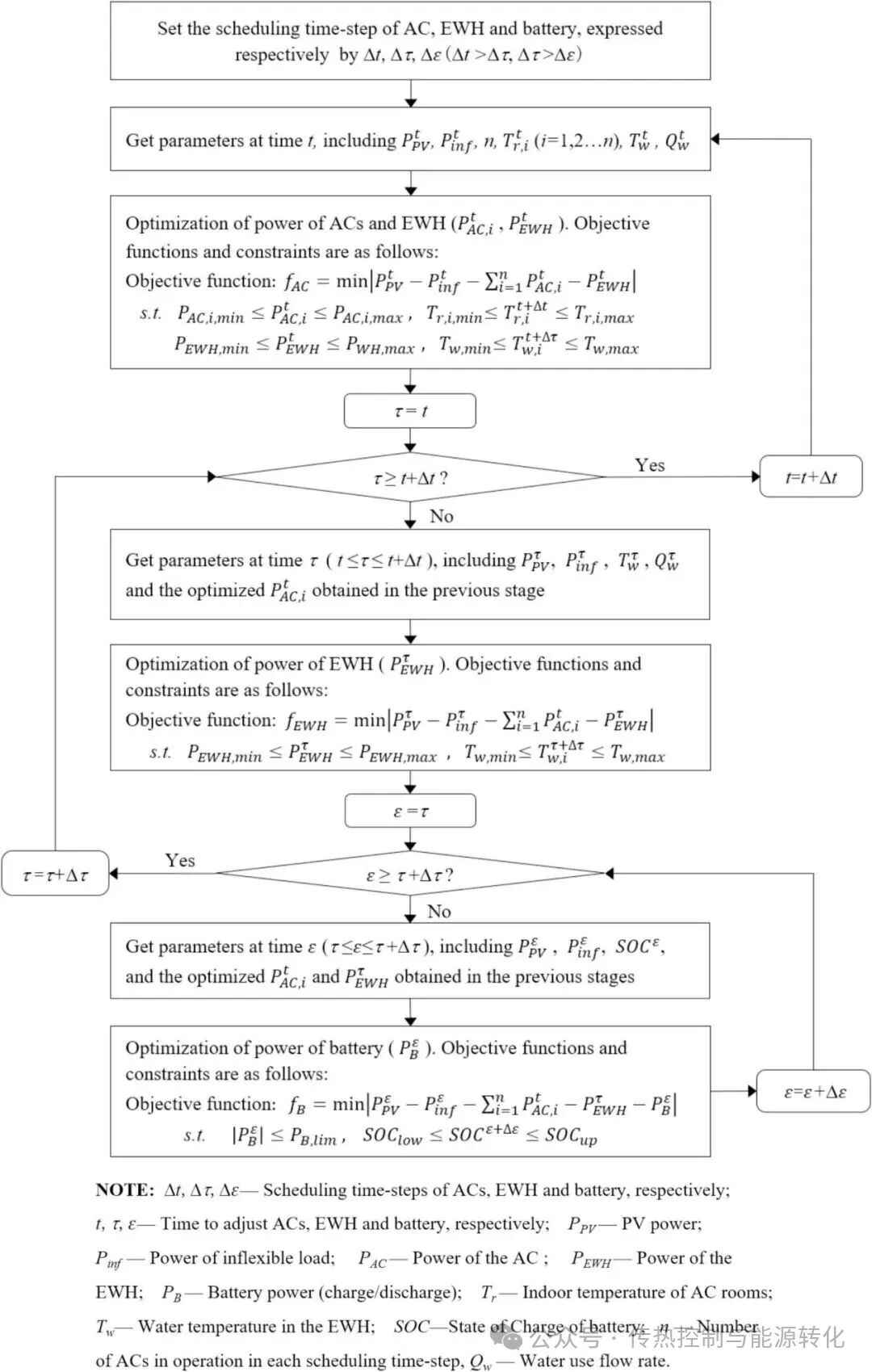 Figure 2. Scheduling Algorithm Flowchart
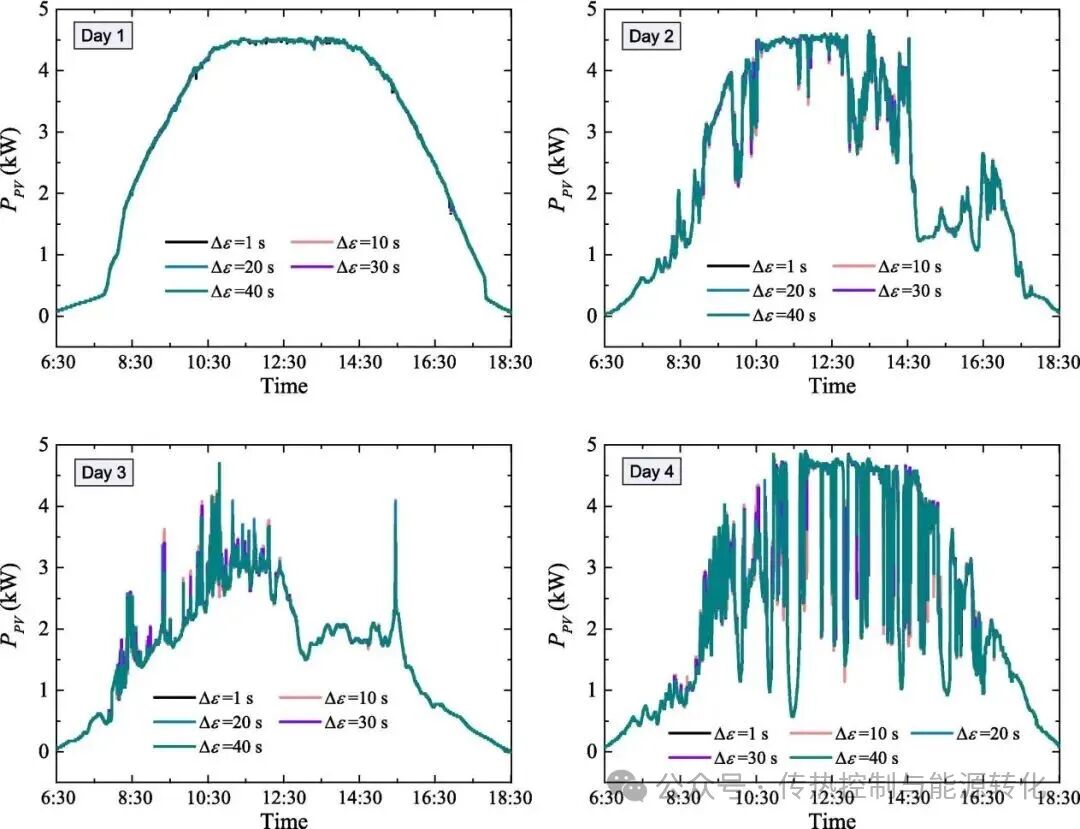
Figure 3. PV Power Distribution at Different Time Resolutions on Four Typical Days
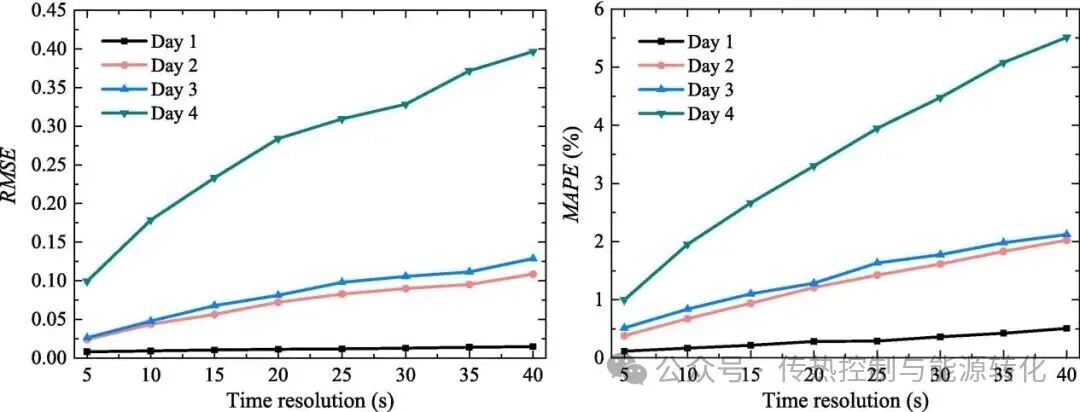
Figure 4. RMSE and MAPE of PV Power at Different Time Resolutions
The research team deployed this scheduling system in a real household and compared it with the traditional Maximum Self-Consumption (MSC) strategy. The results showed that the Real-Time Matching Rate (RTMR) improved by up to 482%; the Zero Energy Ratio (ZER) increased by up to 161%; electricity costs were reduced by 75.4%, and battery aging rate decreased by 17.2%; the Self-Consumption Rate (SCR) and Self-Sufficiency Rate (SSR) improved by 40.8% and 43.4%, respectively.
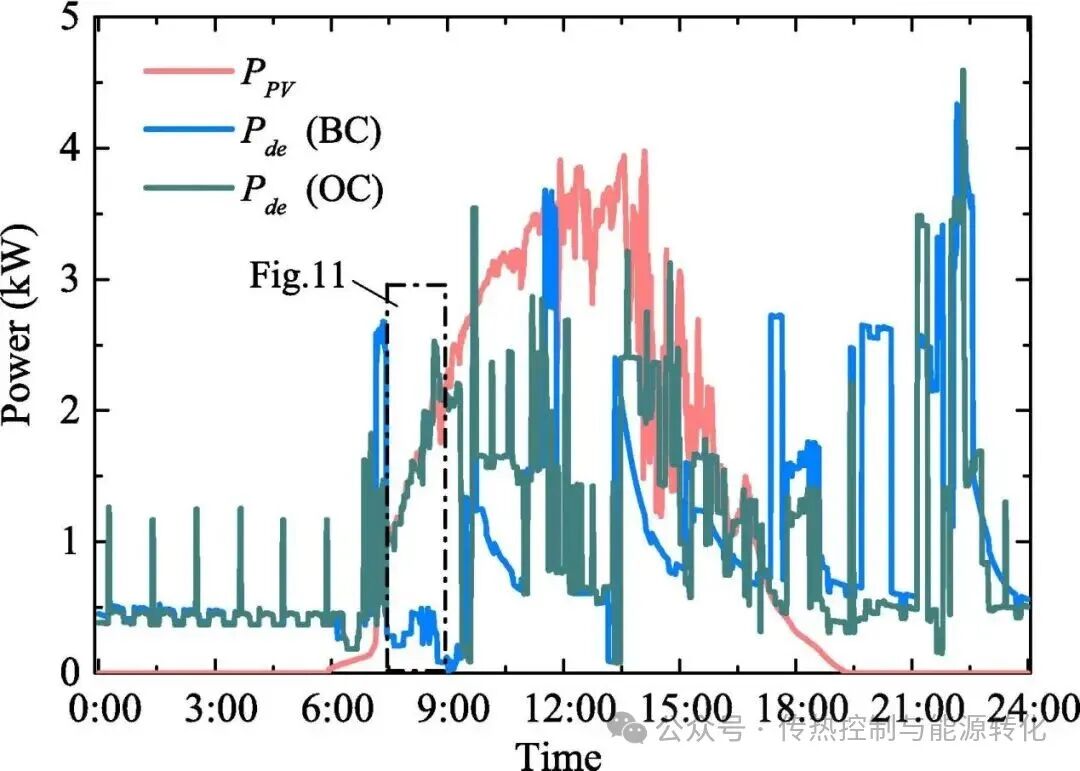
Figure 5. Comparison of Daily PV and Load Power Distribution
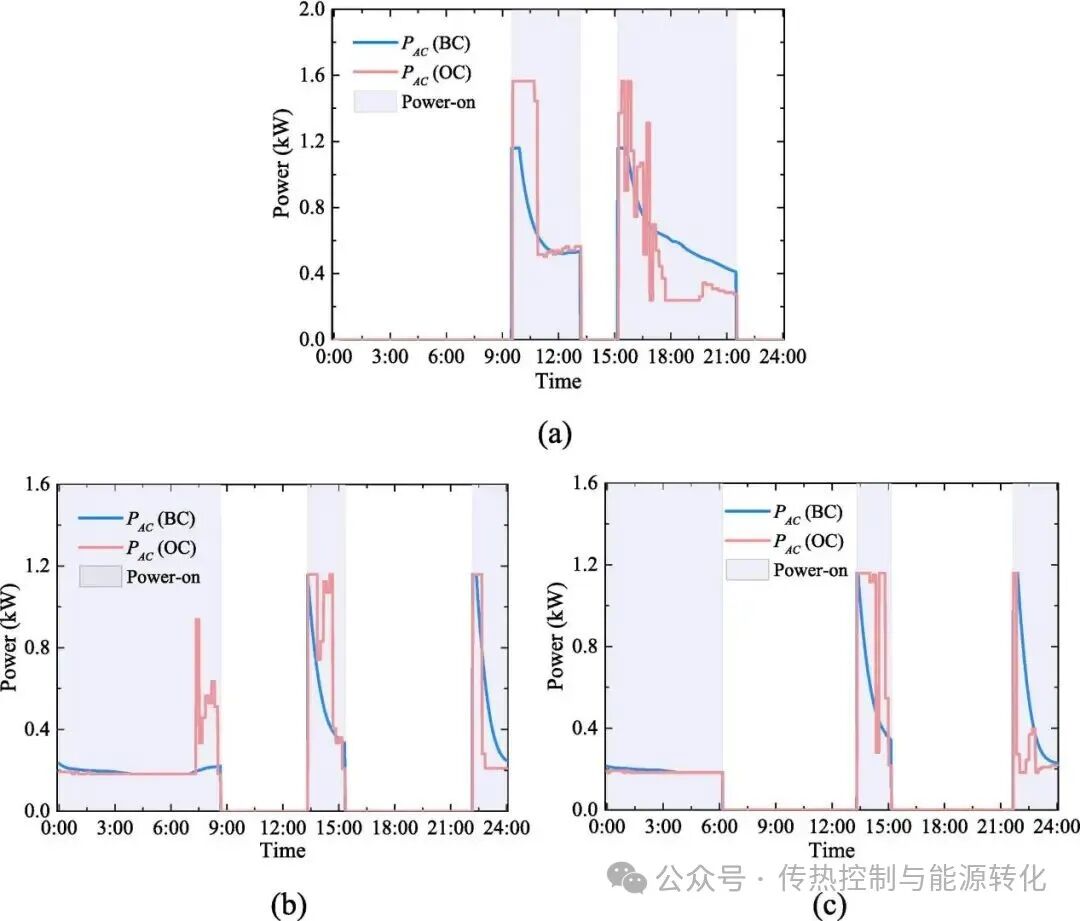
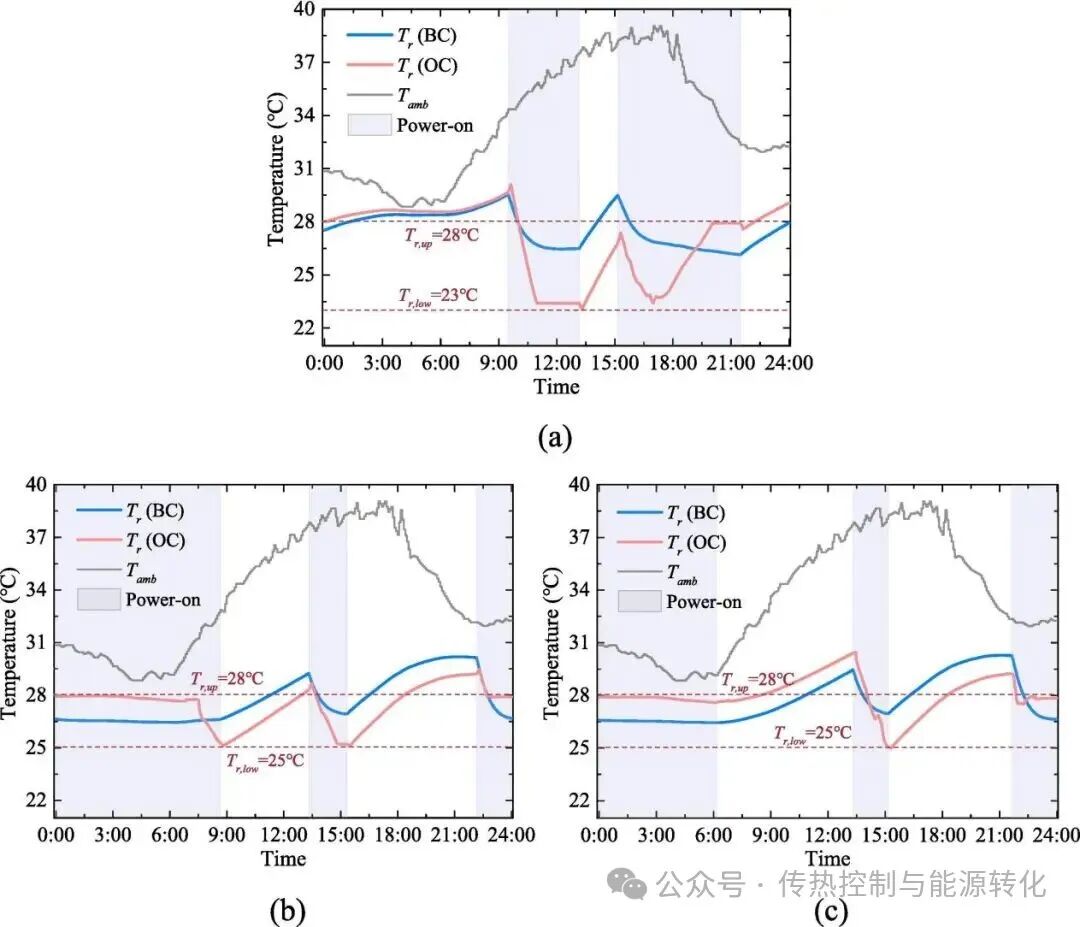
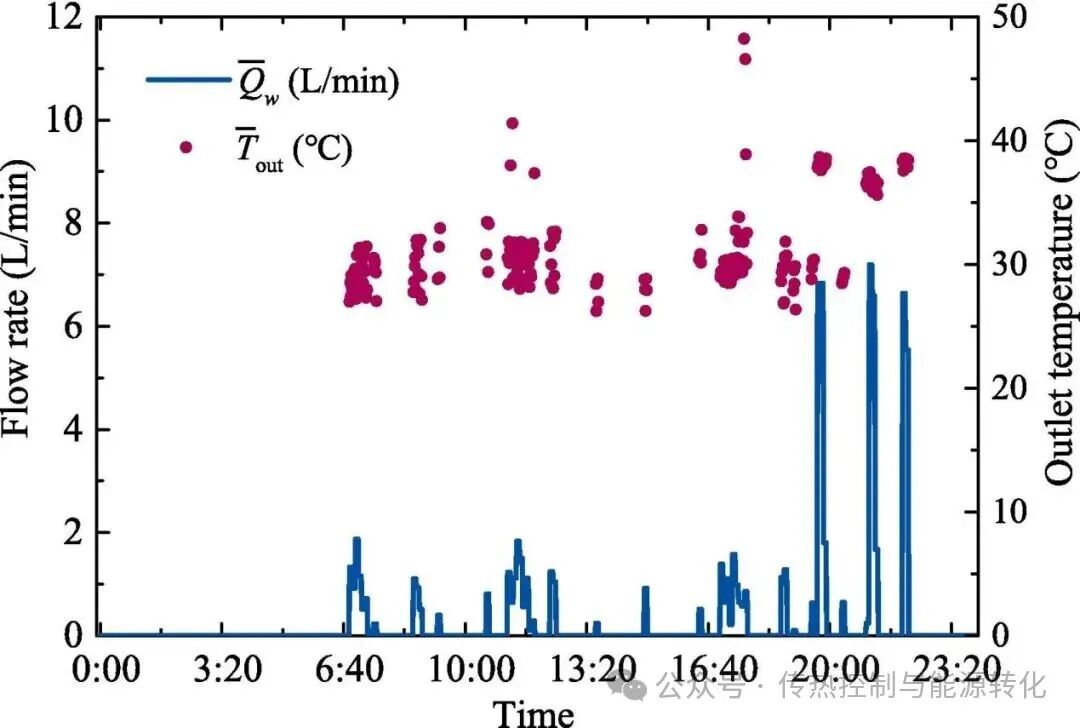
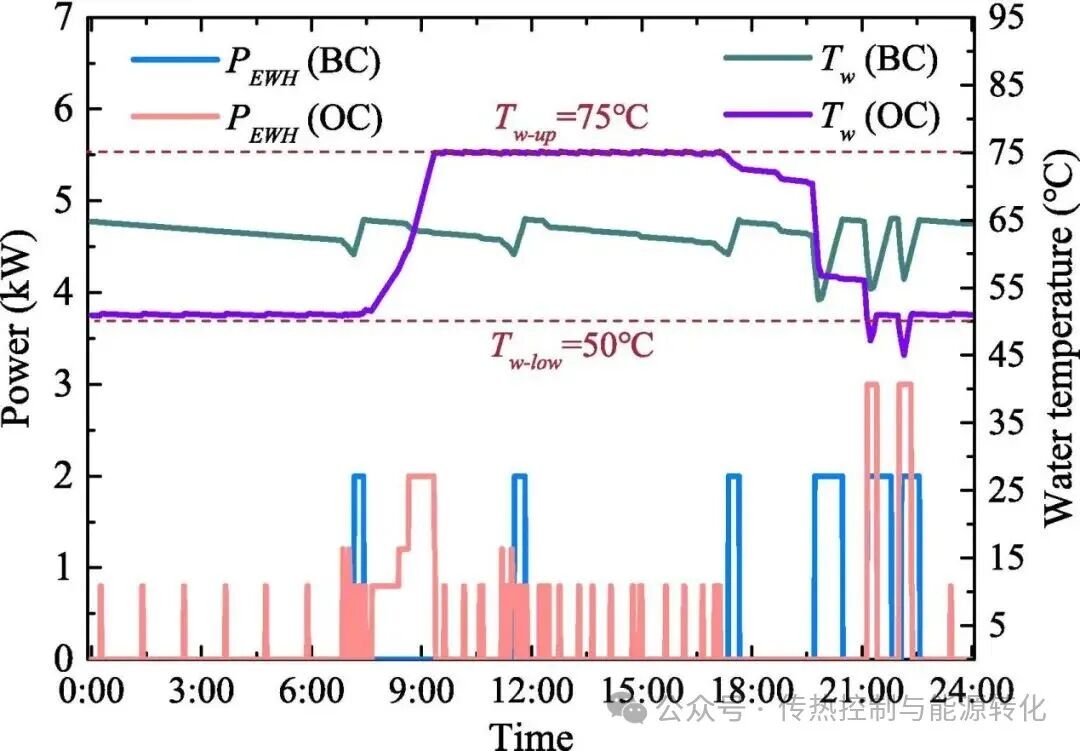
Figure 6. TCLs Power and Temperature Variation Curves
Research Conclusion
This study successfully achieved efficient energy matching of home PV systems at second to minute time scales through the multi-time resolution scheduling strategy. This research provides a practical solution for real-time energy management of home PV systems, especially suitable for smart home scenarios with a high proportion of renewable energy integration. The main conclusions are as follows:
(1) The real-time matching performance has significantly improved, with RTMR and ZER increasing by 482% and 161%, respectively;
(2) All performance indicators have been optimized, with significant improvements in electricity costs, battery aging, SCR, and SSR;
(3) The greater the flexibility of TCLs and the smaller the scheduling time resolution, the better the system performance;
(4) EWH has greater flexibility potential than AC due to its wider temperature regulation range and larger thermal capacity.