Energy Efficiency Improvement and Intelligent Optimization Methods for Electric Arc Furnace Automation Control Systems in the Metallurgical Industry
Abstract: This article discusses the energy efficiency improvement and intelligent optimization methods for electric arc furnace automation control systems in the metallurgical industry. It describes the role of electric arc furnaces in the metallurgical industry and the impact of automation control systems on energy efficiency. The current energy efficiency status and existing problems of the systems are analyzed, and pathways for improvement are proposed from aspects such as hardware upgrades, control strategy optimization, and monitoring system enhancements. Additionally, methods for intelligent optimization are explored from the perspectives of intelligent algorithm applications, collaborative control optimization, adaptive adjustment mechanisms, and remote operation and maintenance management, providing references for the development of electric arc furnace automation control systems.
Keywords: Metallurgical Industry; Electric Arc Furnace; Automation Control System; Energy Efficiency Improvement; Intelligent Optimization
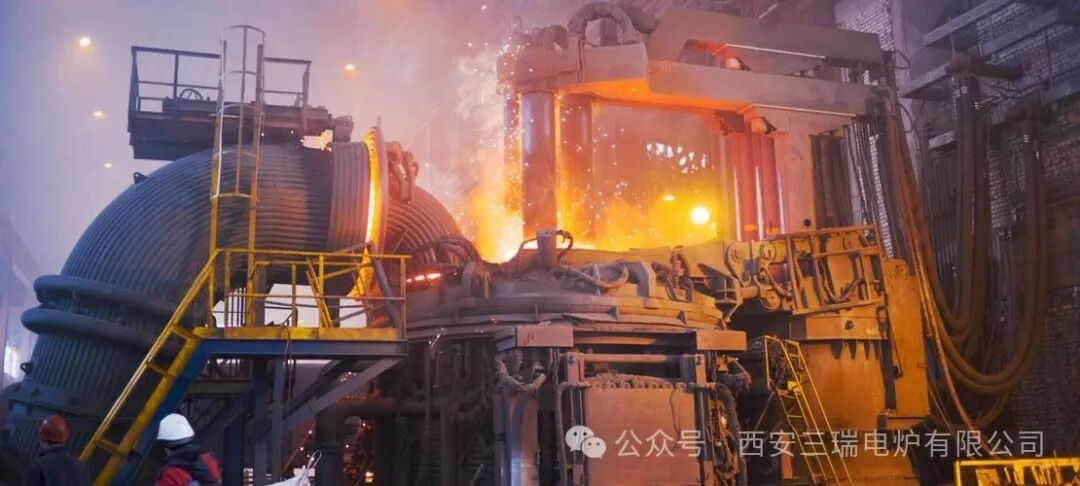
The metallurgical industry is a key foundational sector of the national economy,electric arc furnaces play an important role in it, undertaking tasks such as scrap melting and alloy production. The automation control system is central to the stable operation and efficient production of electric arc furnaces, and its performance directly relates to the energy efficiency level of the furnaces. As energy issues become increasingly prominent and environmental protection requirements continue to rise, improving the energy efficiency of electric arc furnace automation control systems and achieving intelligent optimization has become an inevitable demand for the sustainable development of the metallurgical industry. However, there are many issues regarding energy efficiency in current electric arc furnace automation control systems, such as energy waste and insufficient control precision, necessitating in-depth exploration and technological innovation.
1. Methods for Improving Energy Efficiency of Electric Arc Furnace Automation Control Systems
(1) Hardware Upgrade Optimization to Enhance System Energy Efficiency
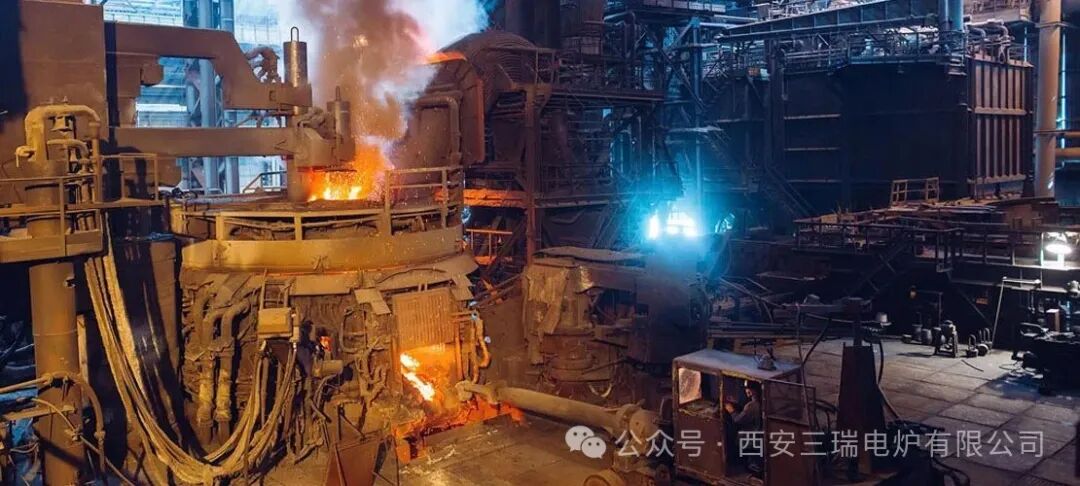
The hardware of the electric arc furnace automation control system is the foundation for the normal operation of the entire system. Upgrading and optimizing it can effectively improve the system’s energy efficiency level. On one hand, replacing it with high-efficiency energy-saving transformers can reduce both no-load and load losses compared to previous models, thereby minimizing energy loss during power transmission and improving electricity utilization. On the other hand, using advanced power control devices, such as intelligent power modules, which have fast response times, high control precision, and low losses, allows for more precise regulation of the power output of the electric arc furnace, thus avoiding unnecessary energy consumption.
(2) Optimizing Control Strategies for Precise Energy Efficiency Control
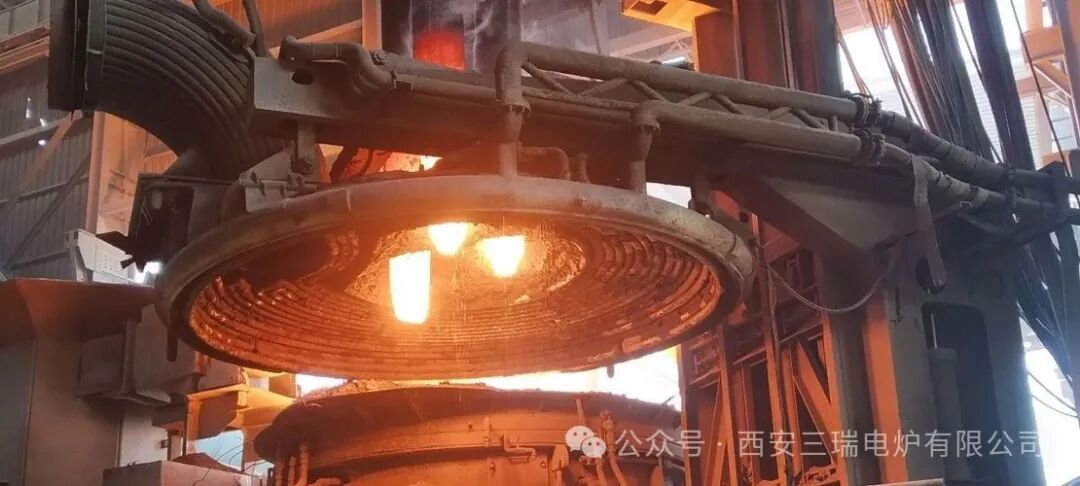
The control strategy is a key component of the electric arc furnace automation control system, and improving it can achieve accurate control of energy efficiency. Traditional constant power control strategies have limitations when dealing with complex operating conditions. By utilizing intelligent power distribution control strategies, the power output of each phase can be adjusted according to the current working conditions and process requirements of the electric arc furnace, ensuring optimal energy efficiency levels at different times. Furthermore, incorporating fuzzy control algorithms that adjust control parameters based on fuzzy variables such as arc length and current fluctuations enhances the system’s adaptability to complex conditions, reducing energy losses caused by improper control.
(3) Improving the Monitoring System to Strengthen Energy Efficiency Feedback and Control
Enhancing the monitoring system is crucial for improving the energy efficiency of the electric arc furnace automation control system. Installing various sensors at key locations of the electric arc furnace allows for real-time monitoring of parameters such as arc current, voltage, power, and temperature, with this data transmitted to the control center. By analyzing the monitoring data, energy efficiency issues during system operation can be detected promptly, such as localized overheating and unreasonable power distribution. Based on the monitoring results, control strategies and operational parameters can be adjusted immediately to achieve dynamic energy efficiency regulation. Establishing an energy efficiency evaluation index system allows for quantitative assessment of the energy efficiency level of the electric arc furnace, providing a basis for further system improvements.
2. Intelligent Optimization Methods for Electric Arc Furnace Automation Control Systems
(1) Deep Application of Intelligent Algorithms to Optimize System Parameter Operations
The application of intelligent algorithms in the electric arc furnace automation control system provides new avenues for intelligent optimization. Genetic algorithms possess strong global search capabilities and can be used to improve control parameters of the electric arc furnace, such as electrode adjustment speed and power distribution ratios. By executing searches and evaluations on numerous parameter combinations, genetic algorithms can identify the parameter combinations that yield the highest energy efficiency for the electric arc furnace, thus improving system operational parameters. Neural network algorithms can mimic and learn the operational patterns of the electric arc furnace, predicting future conditions based on input real-time data and preemptively adjusting control strategies. For instance, estimating melting time and power requirements based on raw material composition and temperature allows for preemptive adjustments to power output, preventing energy waste. Particle swarm optimization algorithms also play a key role in improving control parameters of the electric arc furnace, continuously iterating to find optimal solutions and enhancing system operational efficiency and energy efficiency levels.
(2) Efficient Collaborative Control and Optimization Integration Across Multiple Links
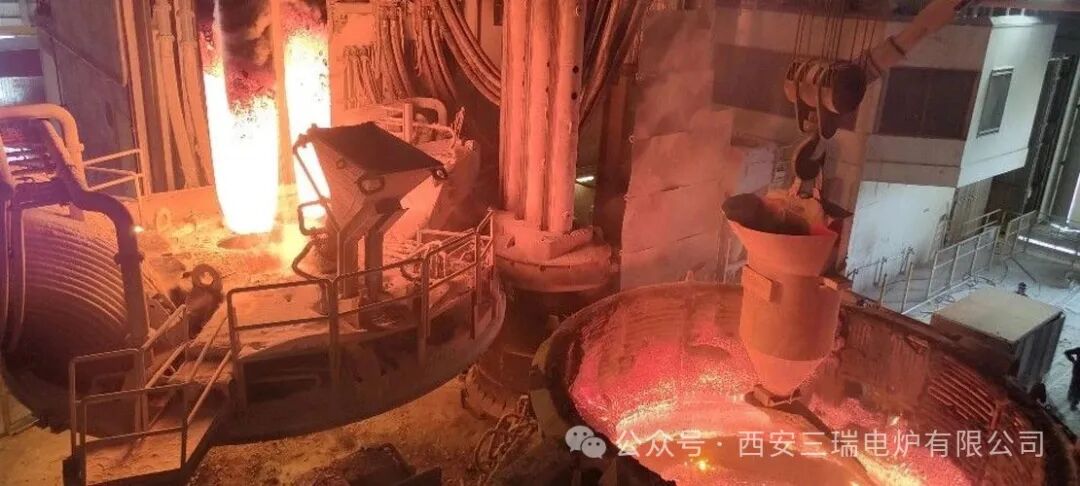
The electric arc furnace automation control system comprises numerous links and devices, and collaborative control optimization integration can achieve efficient interaction between these links. By coordinating the electric control system of the electric arc furnace with the raw material supply system and flue gas treatment system, the supply quantity and speed of raw materials can be adjusted in real-time according to the operational status of the electric arc furnace, ensuring that it remains in the optimal raw material supply state, thus reducing energy waste caused by shortages or excesses in raw material supply. Coordinating the operation of the flue gas treatment system according to the volume and composition of flue gas generated by the electric arc furnace can adjust the operational parameters of the treatment equipment, thereby improving flue gas treatment efficiency and reducing energy consumption. Through collaborative control optimization integration, information barriers between various links can be broken down, achieving resource sharing and collaborative work, thereby improving the overall energy efficiency level of the electric arc furnace production system.
(3) Establishing Adaptive Adjustment Mechanisms to Handle Complex Operating Condition Variations
Electric arc furnaces encounter various operating conditions during actual work, such as fluctuations in raw material composition and changes in grid voltage. Establishing adaptive adjustment mechanisms allows the operational parameters of the electric arc furnace system to achieve the most energy-efficient state. The adaptive adjustment mechanism quickly calculates the latest control parameters and automatically modifies the operational state of the equipment. This can automatically increase the power output of the electric arc furnace, ensuring that the arc burns continuously and stably; adjusting raw material composition parameters can ensure melting quality while reducing energy consumption.
(4) Remote Operation and Maintenance Management for Intelligent and Efficient Maintenance Solutions
Remote operation and maintenance management is a key direction for the intelligent optimization of electric arc furnace automation control systems. By establishing a remote monitoring platform, it is possible to monitor the operational status of the electric arc furnace remotely, diagnose operational issues, and provide early warnings, allowing for the early detection and resolution of potential problems to prevent further faults. Remote operation and maintenance management can also achieve remote debugging and upgrades of equipment, enhancing operational efficiency when system improvements or updates are necessary. Moreover, the remote operation and maintenance management platform accumulates a wealth of operational data, providing data support for further improvements and enhancements of the system, thus achieving intelligent and efficient maintenance of the electric arc furnace automation control system.
(5) Integrating Digital Twin Technology for Simulation-Driven Intelligent Decision Optimization
Integrating digital twin technology in the intelligent optimization process of electric arc furnace automation control systems is a highly promising approach. By constructing a virtual simulation model that closely aligns with the physical electric arc furnace system and synchronizing real-time operational data collected by sensors to the digital twin platform, a holographic representation and dynamic tracking of the electric arc furnace’s operational status can be achieved. In the virtual environment, operational personnel and control systems can conduct real-time simulation calculations and predictive analyses of key parameters such as temperature changes, arc stability, electrode movement, and power consumption during the melting process, allowing for the early identification of potential operational risks and energy consumption anomalies, and testing the effects of different optimization schemes before actual adjustments, thereby reducing trial-and-error costs.
For example, during the switching process between high-carbon and low-carbon steel production, the digital twin model can simulate melting time, temperature rise rates, and power consumption variations under different parameter settings based on raw material types and energy consumption models, assisting the system in intelligently selecting the most energy-efficient control curve. This technology also supports simulation-driven intelligent decision-making, automatically recommending energy-saving operational strategies and equipment operating rhythms by coupling with AI algorithms, integrating real-time production data and historical operational patterns, thus transforming the entire control system from “passive adjustment” to “proactive predictive optimization.”
3. Conclusion
The improvement of energy efficiency and intelligent enhancement of electric arc furnace automation control systems are key measures to promote the metallurgical industry towards a green and efficient direction. Through hardware upgrades, control strategy improvements, and monitoring system enhancements, combined with the deep application of intelligent algorithms, collaborative control improvements, the establishment of adaptive adjustment mechanisms, and remote operation and maintenance management, the energy efficiency level of electric arc furnace automation control systems can be significantly enhanced, achieving intelligent and efficient operation of electric arc furnaces. In the future, with continuous technological development and innovation, methods for improving energy efficiency and intelligent enhancement of electric arc furnace automation control systems will continue to be refined and developed, thereby injecting new vitality into the sustainable development of the metallurgical industry.
References
[1] Research on the Application of Intelligent Technology in Electrical Engineering and Its Automation Control [J]. Zhang Guilong. Automation Applications, 2024 (S2)
[2] Research on Intelligent Electrical Control Systems in Metallurgical Enterprises under the Background of Industry 4.0 [J]. Wang Liangwei. Metallurgy and Materials, 2023 (11)