Since Xiaomi released the first generation Mi Band in 2014, and Huawei and Apple followed with their first smartwatches in 2015, this wrist-worn smart wearable device has become a popular category in digital products and an essential part of smartphone launch events.
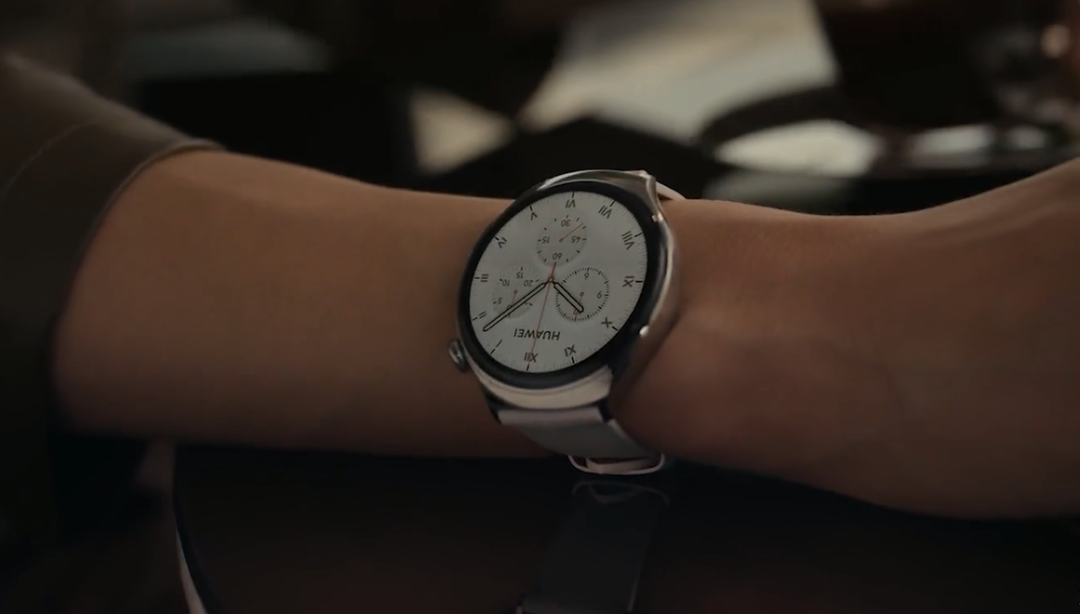
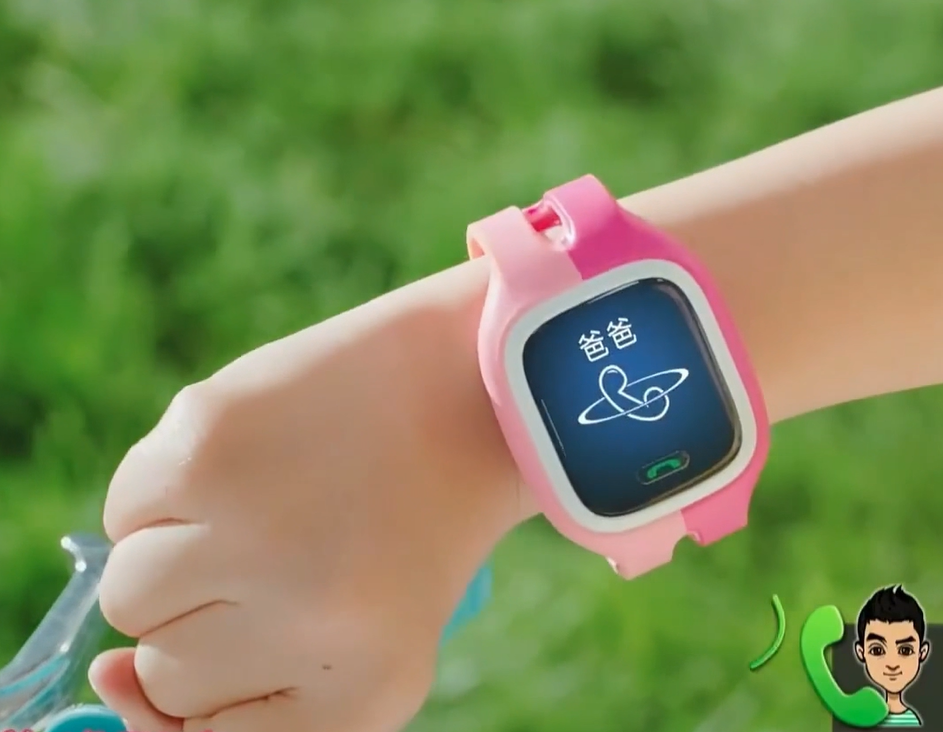
However, many people may not know that in 2015, the smart wearable giant Xiaotiancai released its first watch, the Y01.
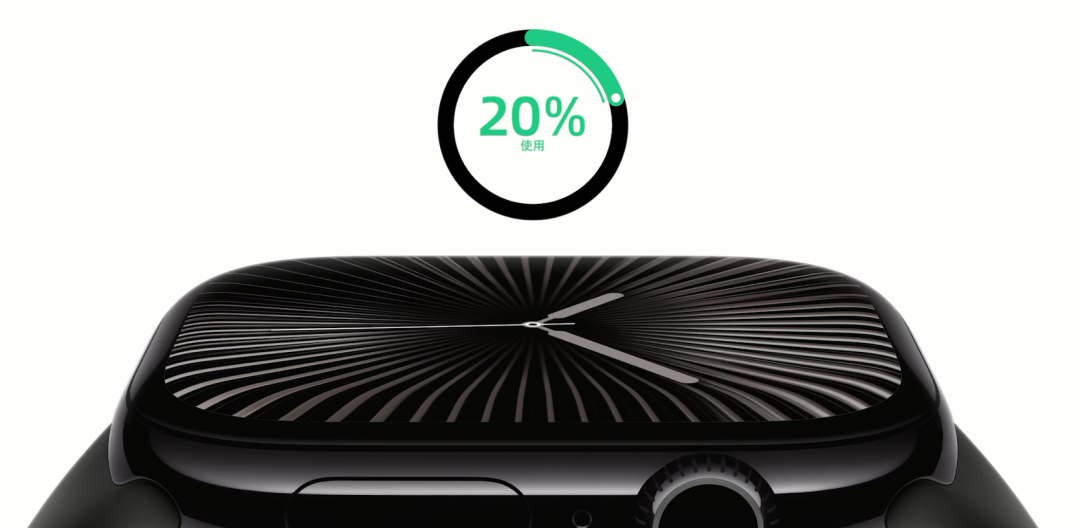
After chatting with users of smartwatches or bands around me, I found that the functions they use daily are mainly to check the time and track calories burned. Some may delve deeper to check sleep duration, while higher-level data such as HRV, ECG, and VO2 max are often ignored. Many users may only utilize about 20% of a smartwatch’s capabilities.
 Is it necessary to buy a smartwatch?
On Xiaohongshu, there are over 8.07 million notes related to “Is it necessary to buy a smartwatch?” Perhaps you, or your friends, after purchasing a smartwatch, have found it to be a dust collector, leading to the conclusion that smartwatches are beautiful little wastes.

When we talk about smartwatches, we must first clarify: can you really get used to using a smartwatch?
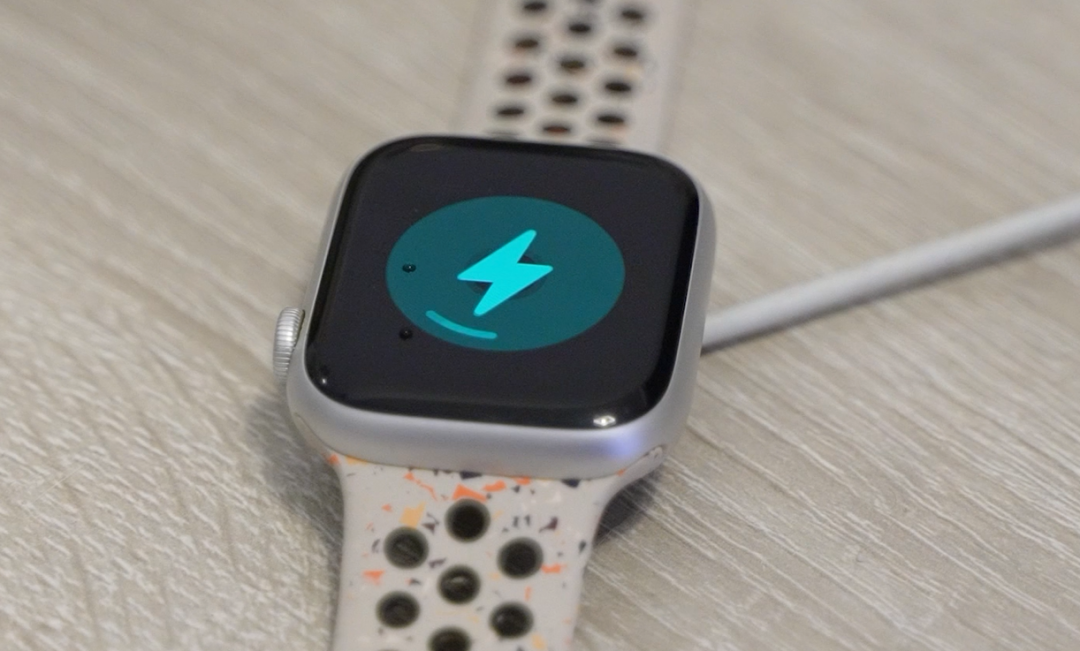
The biggest experiential difference between smartwatches and traditional watches is that they need to be charged, which is also the biggest pain point of smartwatches. Especially if you plan to get an Apple Watch and also have a habit of exercising daily, you must develop and maintain another habit: charging the watch every day.
The following image shows the typical battery life of several popular smartwatches on the market.
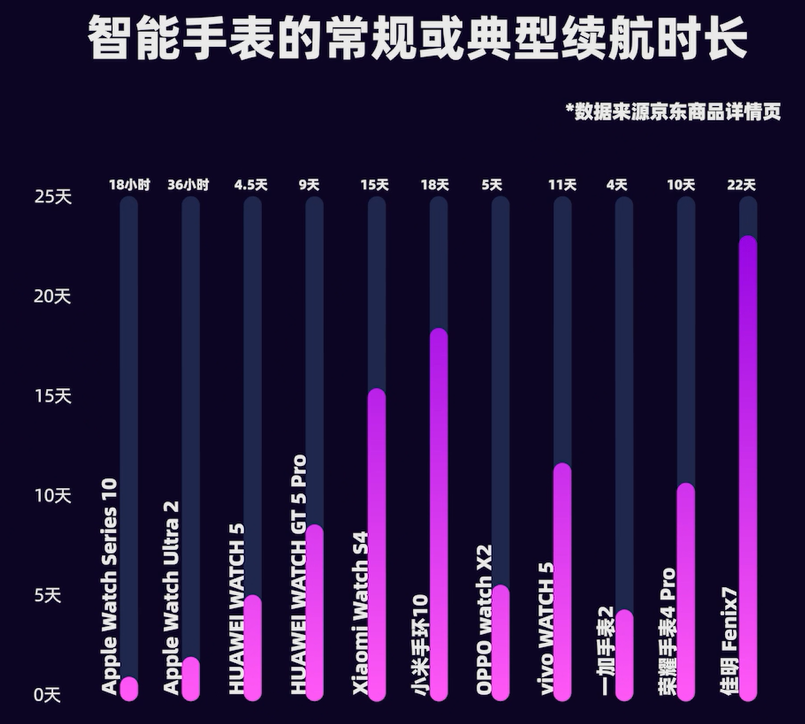
Each brand has different testing standards. For example, Apple’s testing standard has a higher usage frequency within 18 hours, while Xiaomi’s “typical Bluetooth endurance” has disabled several detection functions.
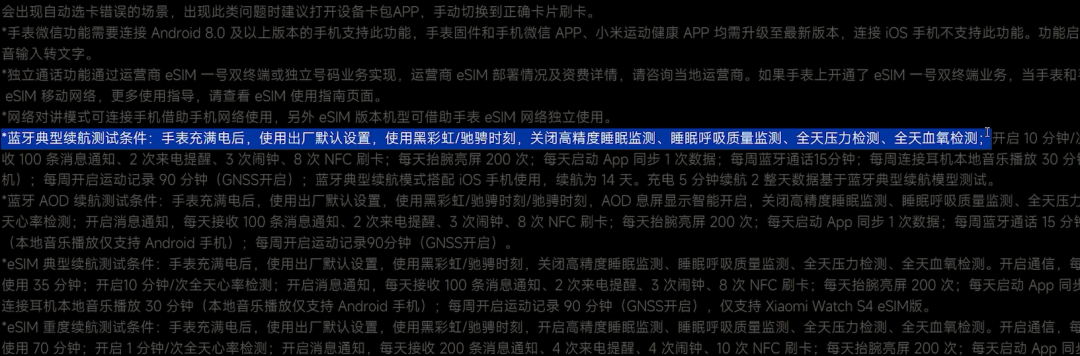
Xiaomi Watch S4
In actual experience, the battery life of Apple’s S series can exceed 36 hours with the always-on display turned off. This 36 hours is quite mysterious; one charge lasts a day, but two days is not enough.
If you have a boyfriend wearing an Apple Watch, you should marry him, because he comes home every night.

Is a smartwatch suitable for you?
Additionally, have you noticed that different brands of smartwatches have significant differences in battery life, with a clear dividing line? Some models last less than 5 days, while others can last close to or over 10 days. Huawei’s two models are very distinct: the Watch 5 lasts 4.5 days, while the GT5 lasts 9 days.
This involves a different product concept: full smartwatches versus semi-smartwatches, or what can also be called light smartwatches. The former runs a complete system, supports third-party app installations, and can independently process data collected from sensors, like Huawei’s Watch 5, which even has an NPU unit.
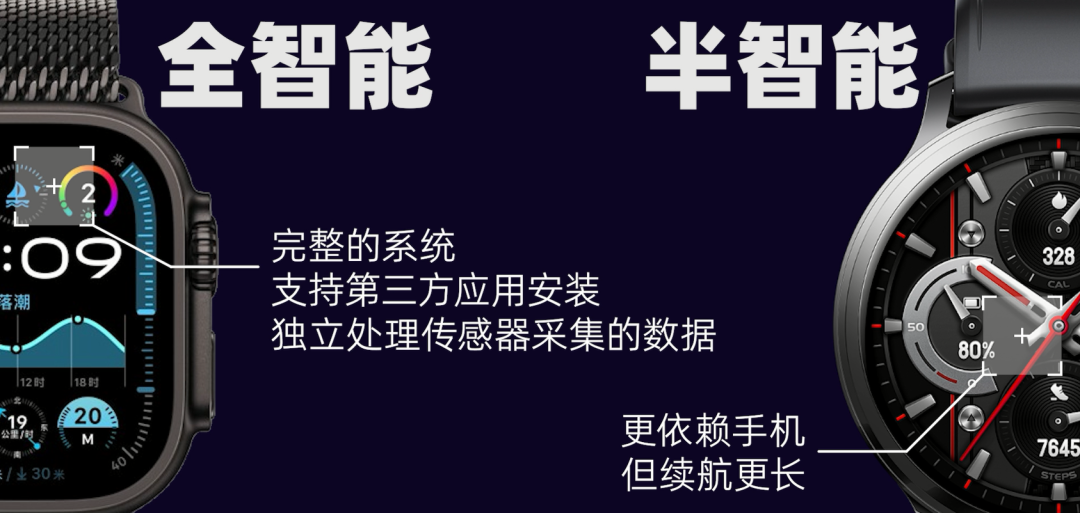
Semi-smartwatches rely more on smartphones, as much of the collected data needs to be processed through the phone, but they can achieve longer battery life.
Apple’s Apple Watch, Huawei’s Watch 5, and OPPO’s Watch X2 are all full smartwatches, with typical battery life under four days unless power-saving mode is activated. In contrast, semi-smartwatches can achieve battery life of up to 10 days, similar to the Xiaomi Band or sports watches like the Garmin Fenix 7.
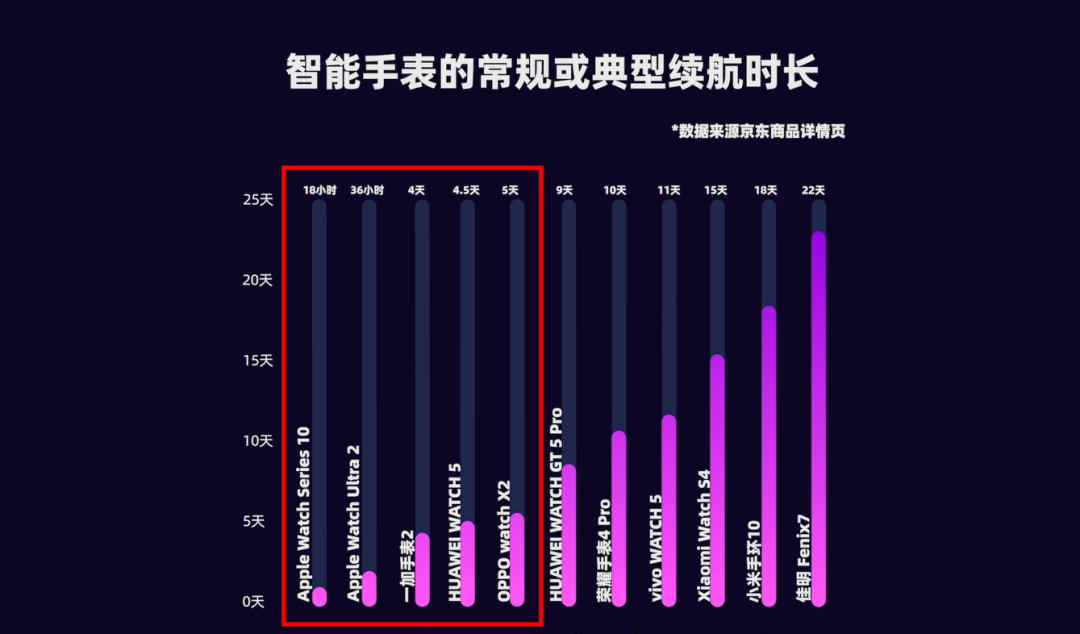
Therefore, if you want to experience the full functionality of a smartwatch, you need to determine if you can accept charging it every three to four days, or even every day. If you cannot accept this, it is better to consider semi-smartwatches or bands with longer battery life, which are generally cheaper.
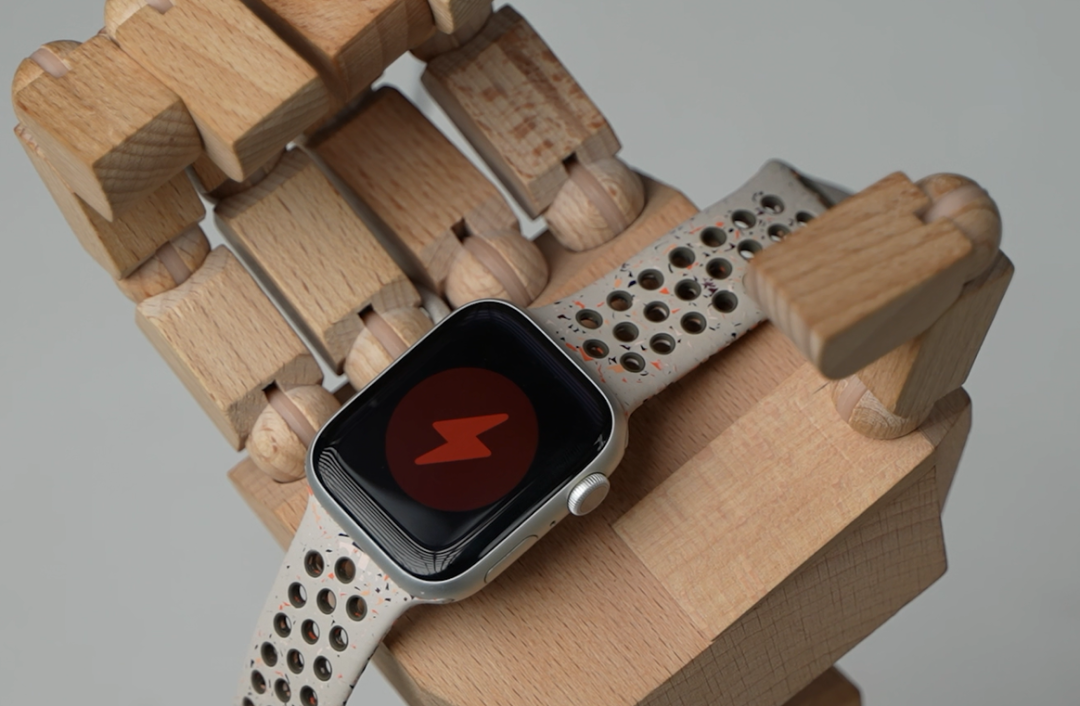
Of course, charging once a day is not difficult; you just need to take off the watch while showering and put it back on before bed. This also requires some adaptation.
Now, the second question arises: if you buy a smartwatch, can you accept the feeling of having a foreign object on your wrist while sleeping?
I have conducted a survey among colleagues and friends, and a significant proportion of people do not wear their watches while sleeping, citing discomfort. One friend accurately described this feeling as being forced to wear clothes to sleep after getting used to sleeping naked.

Of course, it is not to say that buying a smartwatch means you must wear it to sleep; however, many functions cannot be enjoyed without wearing it.
For example, the vibration alarm in the morning, sleep quality monitoring, and the increasingly supported sleep apnea detection by smartwatches are all features that would be missed, just like having a Vivo X200 Ultra but never using the telephoto lens, or using smart home devices without connecting them to the internet, or reading an article from Tech Fox without clicking the little heart below.
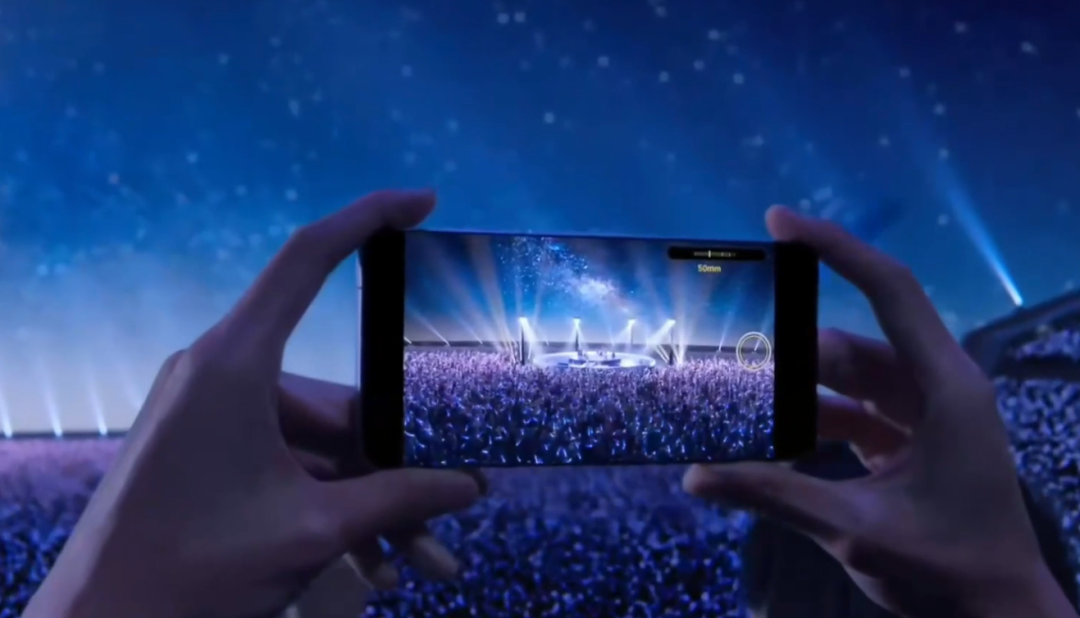
If you want to monitor your sleep, you need to reduce this discomfort, so a smaller band is a good choice.
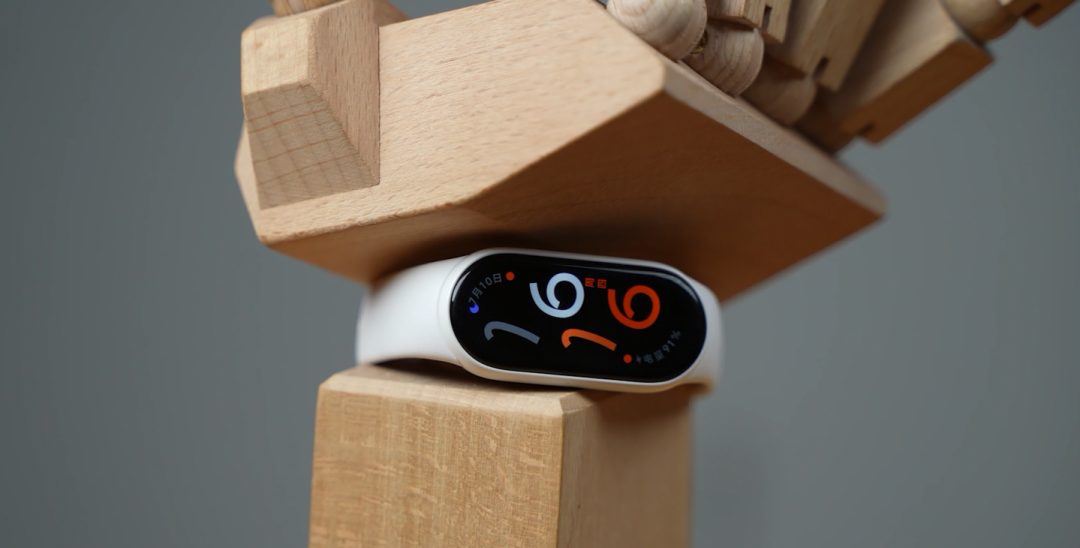
At this point, we have mentioned band products twice. In fact, if you do not have high requirements for the device, bands are indeed a better choice, with longer battery life and better cost-effectiveness, and they are less noticeable on the wrist.
If the two previous drawbacks are not issues for you, then you can consider purchasing a smartwatch.
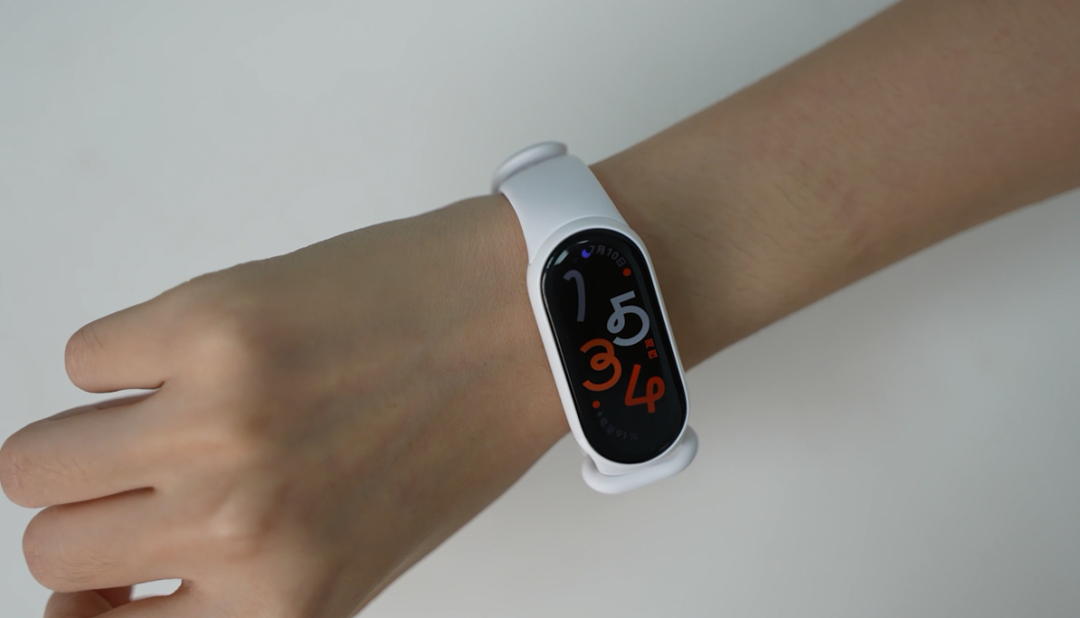
Next, as a loyal smartwatch enthusiast who has not been without a watch for 365 days, I want to talk about its useful features.

What are the useful features of smartwatches?
First and foremost is exercise tracking. Its most significant impact on me is that I use the watch to record exercise data, combining it with jump rope, dumbbells, etc., successfully losing weight and saying goodbye to fatty liver and sleep apnea syndrome, which is the kind where I would wake up several times a night.
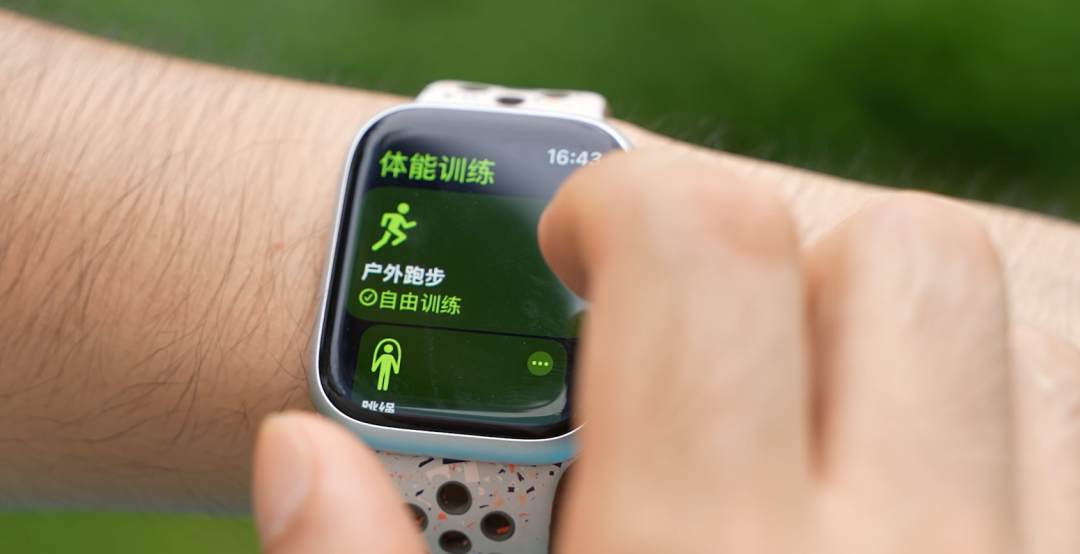
If anyone is interested in how to control weight, feel free to leave a comment below, and I would be very happy to share this painless weight loss process.
This has led me to develop a habit: I must wear the watch while exercising. Any exercise not recorded by the watch is considered ineffective, including a trip to the restroom.
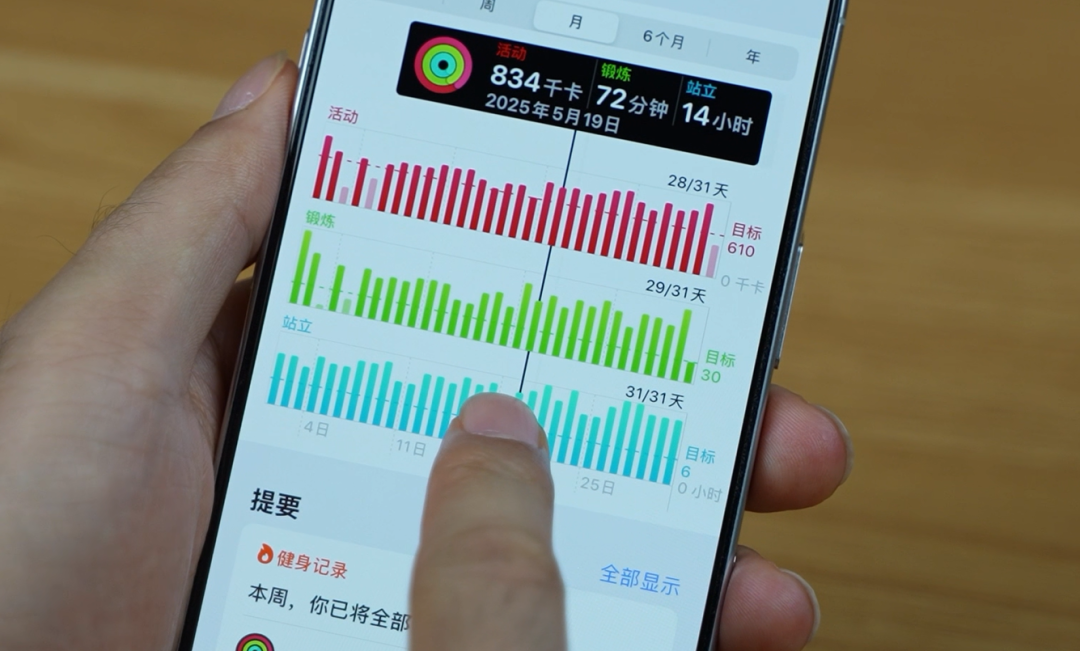
Completing the activity ring is somewhat like a tightening spell, encouraging users to complete it, maintain a high frequency of exercise, and quantify the improvement in cardiorespiratory capacity through data from the watch. This is a very good positive feedback mechanism.
Taking Apple’s Apple Watch as an example, the data that can be viewed includes VO2 max, which indicates the maximum amount of oxygen the body can utilize in a unit of time, and resting heart rate, which is the heart rate when a person is completely relaxed and at rest.
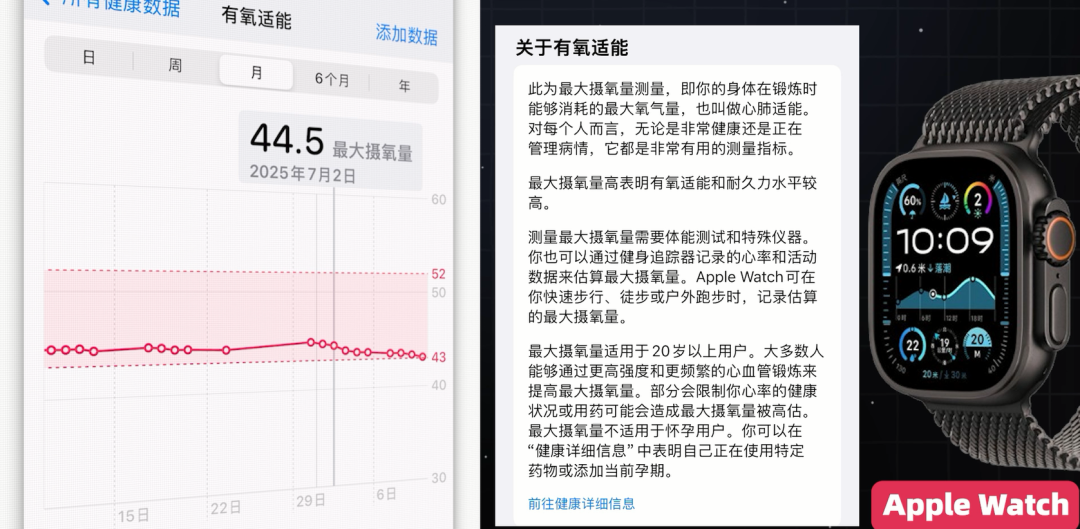
The former reflects the maximum capacity of the cardiorespiratory system, the higher the better, while the latter indicates the efficiency of the cardiorespiratory system’s basic state, the lower the better.
Although the data measured by the watch is not as accurate as medical devices, the relative improvements can actually help us observe the effects of exercise.
Some may say that this is being enslaved by the watch. While that is not entirely wrong, I think a more accurate description is that it is a tool to encourage users to exercise, just like an alarm clock urges us to get up, or setting three or four alarms within ten minutes to remind you to arrive at work on time. Its role in our lives is positive and constructive.
Based on heart rate, more body data can be derived, such as HRV and ECG, which are increasingly supported by smartwatches.
HRV, or heart rate variability, measures the degree of variation in the intervals between consecutive heartbeats, reflecting the heart’s response to any stimuli. In a healthy state, the heart should speed up when it needs to and slow down when it should.

Research shows that HRV is related to five factors: physiological and pathological factors, neuropsychological factors, lifestyle factors, environmental factors, and immutable factors such as gender, age, and genetics. The main causes affecting HRV are cardiovascular diseases and depression.
The other ECG is the electrocardiogram that everyone is familiar with. For example, OPPO’s Watch X2 and Huawei’s Watch 4 Pro have both obtained Class II medical device registration certificates from the drug supervision administration.
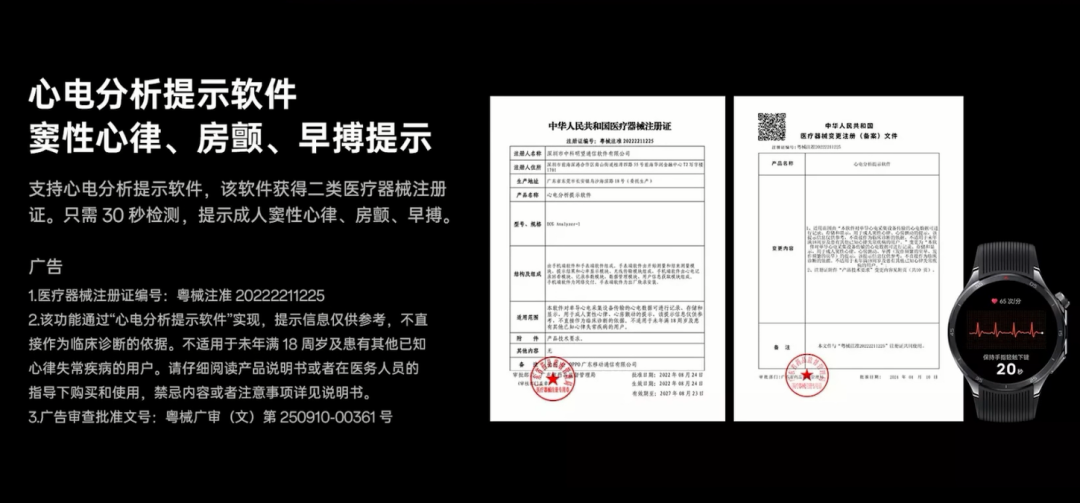
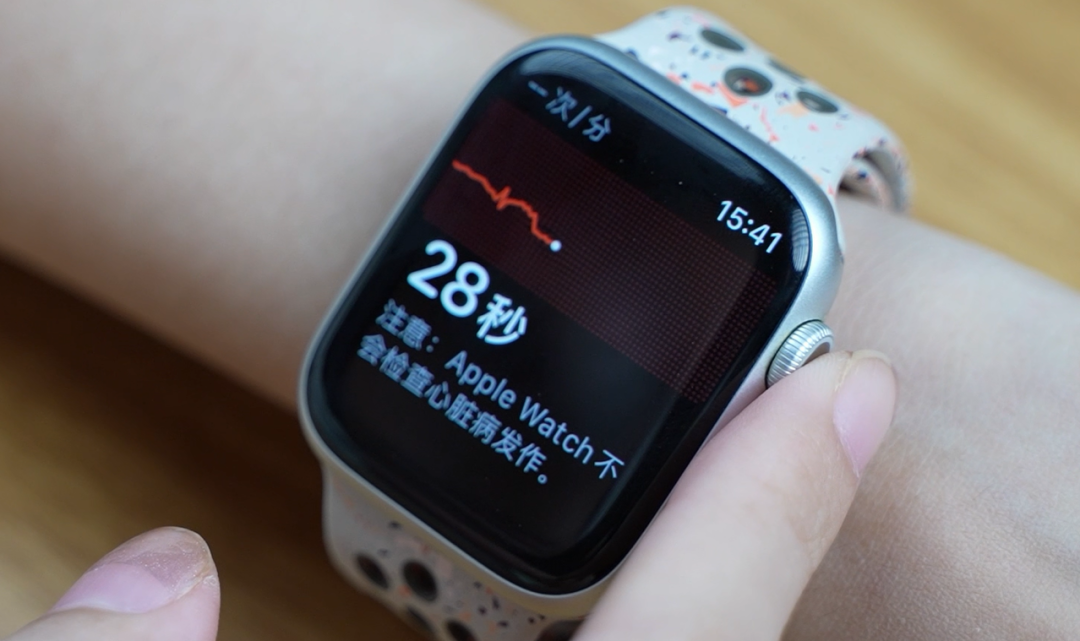
The watch’s ECG test uses a single-lead principle, meaning we need to press another hand against a specific position on the watch to complete the circuit. This is the basic method for ECG testing.
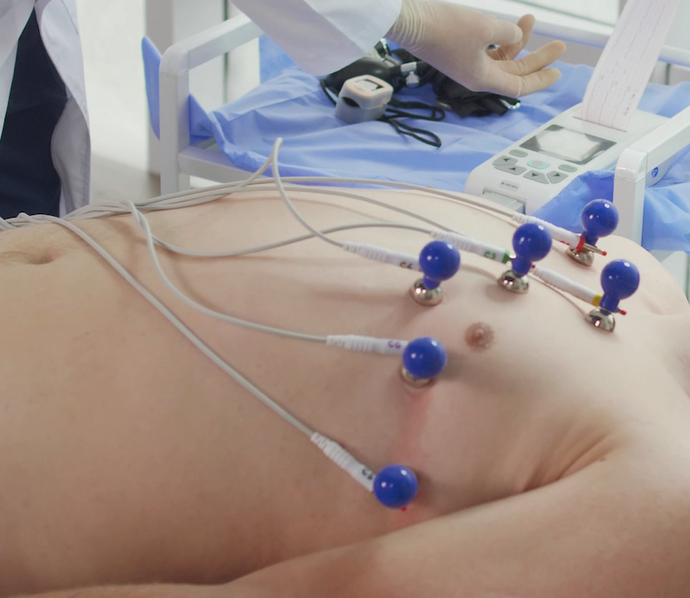
Hospital ECG diagnostics use 10 electrodes on the limbs and chest to measure changes in 12 lead potentials, providing higher accuracy and the ability to detect myocardial infarction and heart disease risks.
Therefore, the watch’s ECG can only perform preliminary screening, identifying issues like atrial fibrillation and irregular heart rates, but cannot serve as a clinical diagnostic basis.
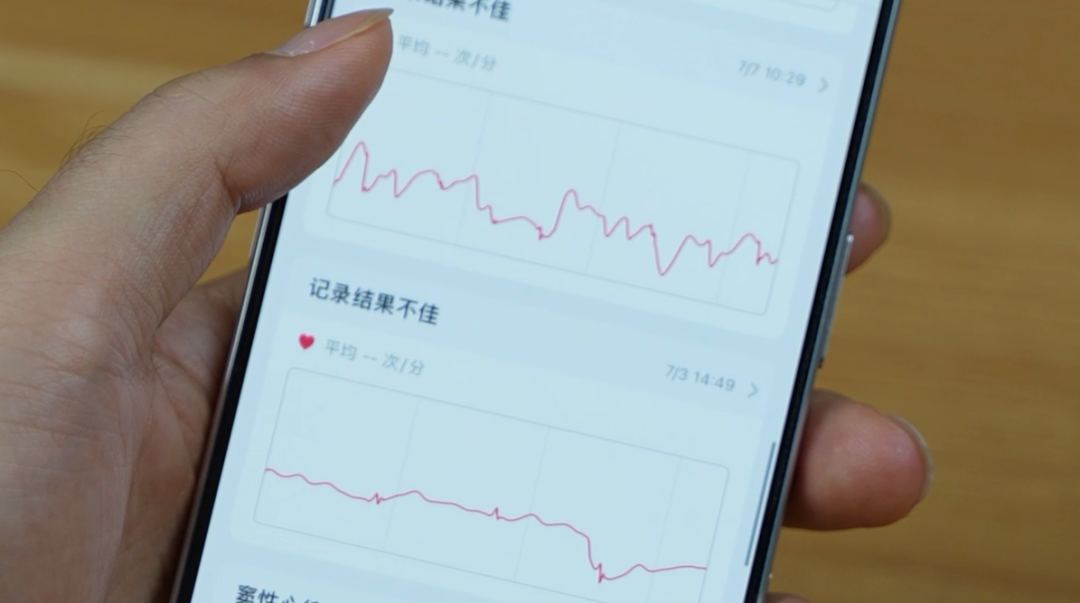
Moreover, the Apple Watch often displays “poor recording results” when measuring ECG. To improve the success rate, measuring it on the foot is a very effective method.
Honestly, the reason I bought a smartwatch was because I often stayed up late and feared sudden death. It wasn’t until I wrote this article that I realized that smartwatches cannot save me from the consequences of staying up late.
Speaking of sleep, many people in front of the screen pay attention to sleep monitoring by smartwatches or bands. Whether it’s Apple, Huawei, or Xiaomi, they divide each night’s sleep into four stages: deep sleep, core sleep, REM sleep, and wakefulness.
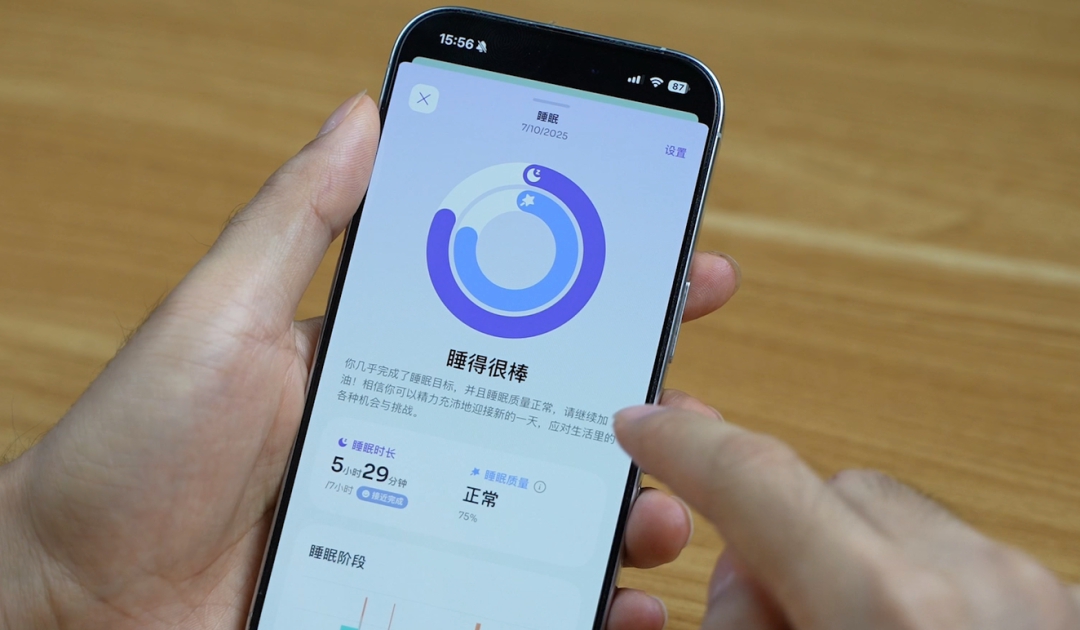
Deep sleep is considered related to recovery ability and immunity, while REM sleep is associated with learning and creativity, as well as emotional regulation. These two stages are also regarded as key indicators of sleep quality.
Thus, on Xiaomi phones, you can see a system that scores sleep quality, while the iPhone only provides basic sleep data, and more analysis requires third-party apps that may involve in-app purchases, which iPhone users need to adapt to.
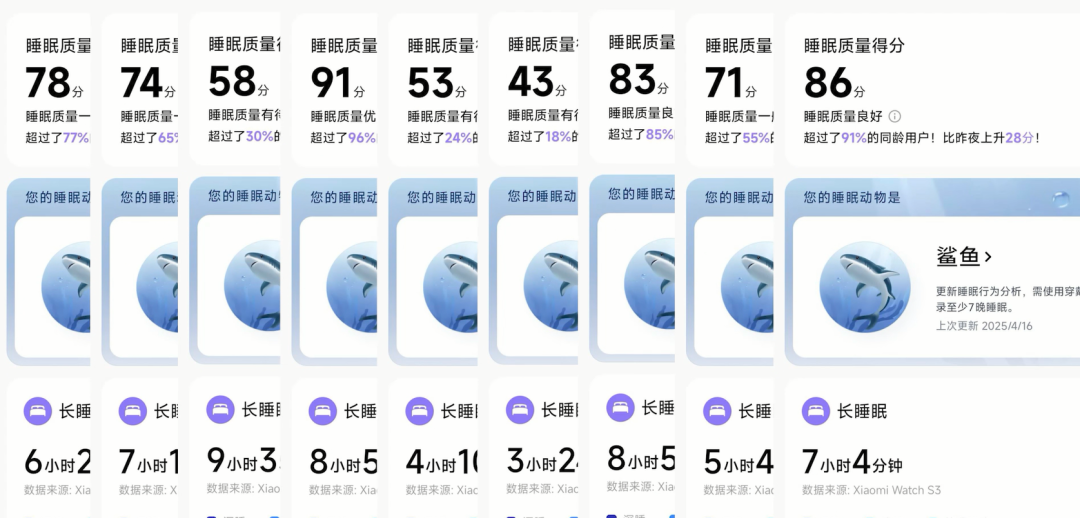
Although the accuracy of sleep detection by smartwatches is somewhat controversial, both YouTube and domestic bloggers have conducted tests.
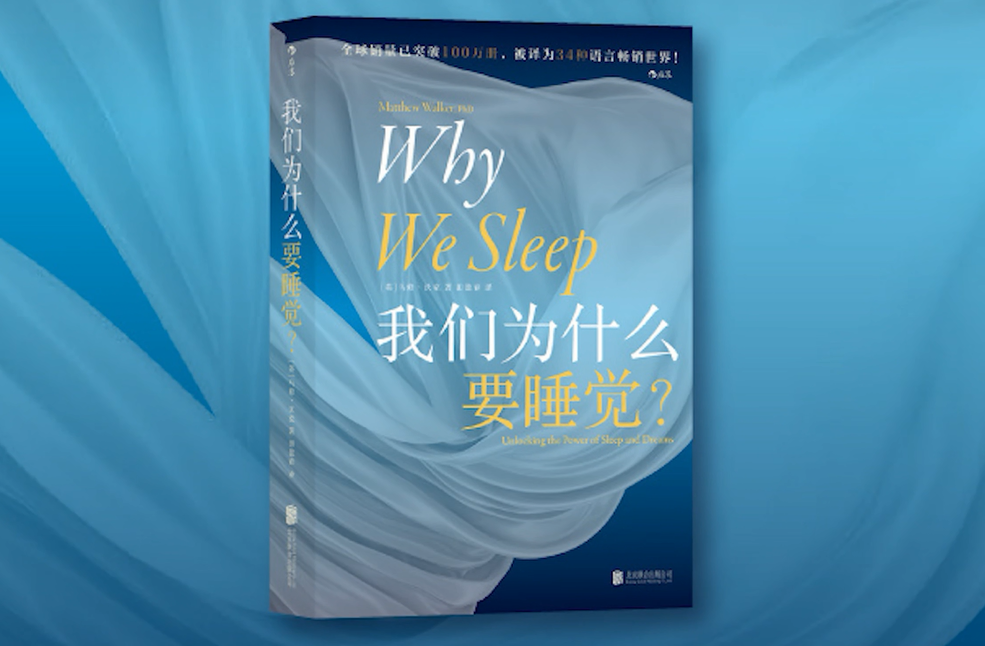
If you want to understand sleep more scientifically, you can read the book “Why We Sleep” published by Houlai. Reading a few minutes before bed is very helpful for understanding sleep and promoting better sleep.
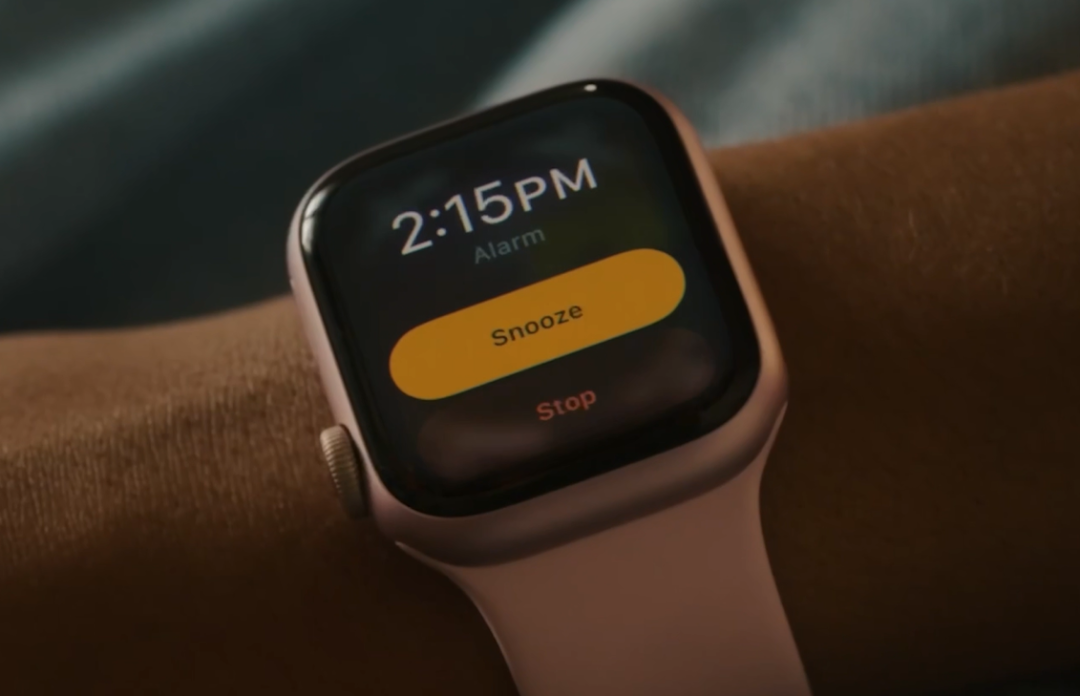
Besides sleep monitoring, another reason I am willing to wear it to bed is the morning alarm reminder, which avoids the awkwardness of a death alarm not waking me up. Also, because of the watch, I can set my phone to silent mode without worrying about missing calls and WeChat messages.
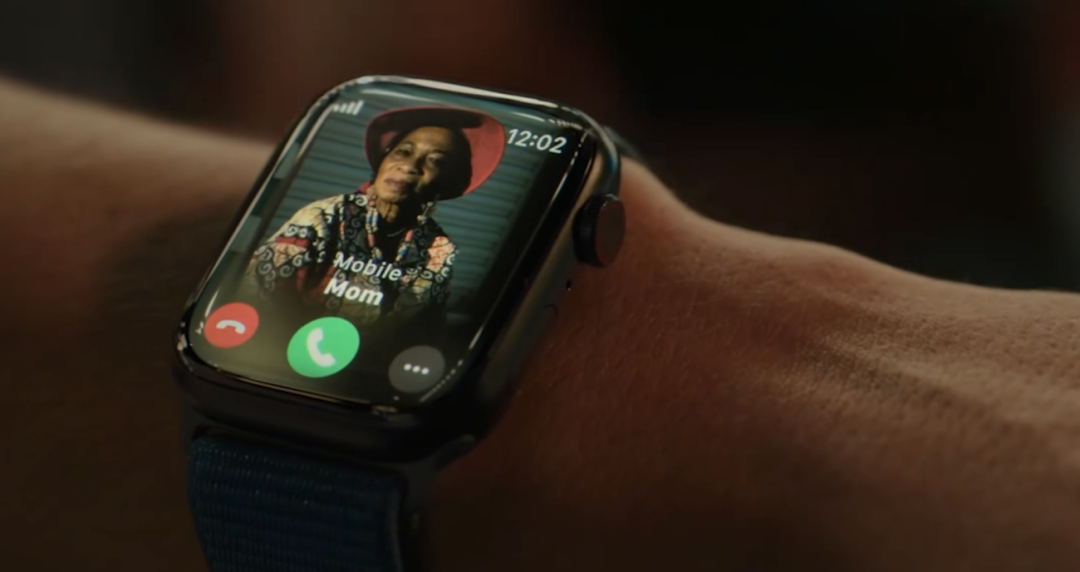
Notifications from smartwatches and bands are like the phone’s call function, gradually being overlooked by users amid the dazzling array of features.
What we discussed earlier are the built-in or third-party app features of smartwatches. But are there any features that users have discovered themselves? I saw an interesting feature online where you can use the Apple Watch’s medication reminder to remind yourself to drink water. You can set it to remind you to drink water every hour and mark whether you have done so, thus supervising the completion of your daily water intake goal.
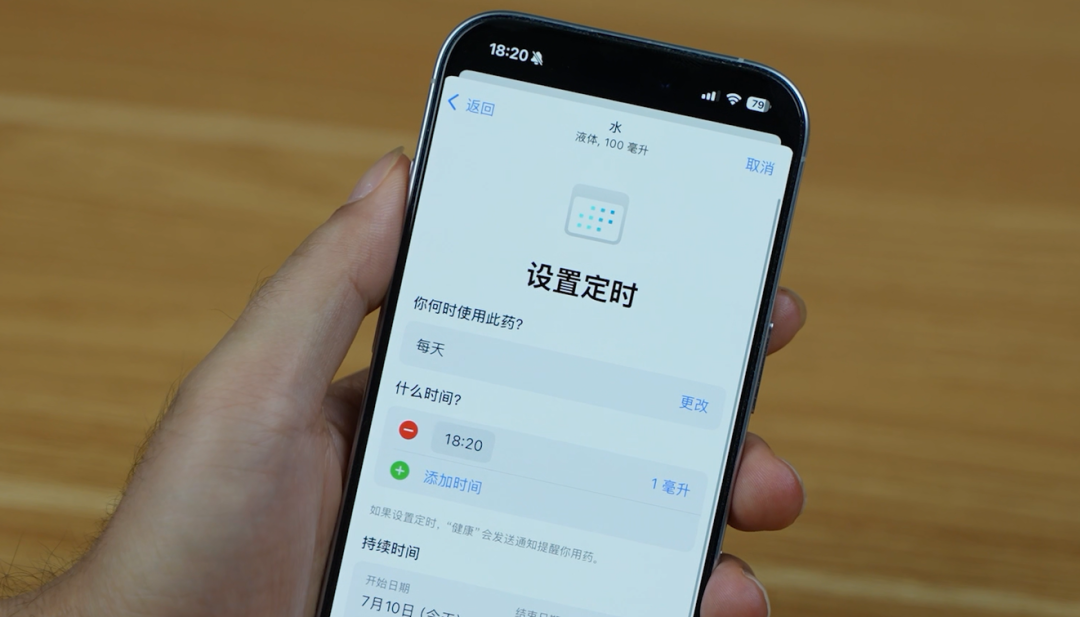
If anyone has practical tips for using smartwatches, please share them in the comments. Perhaps your words will bring a better experience to many people.
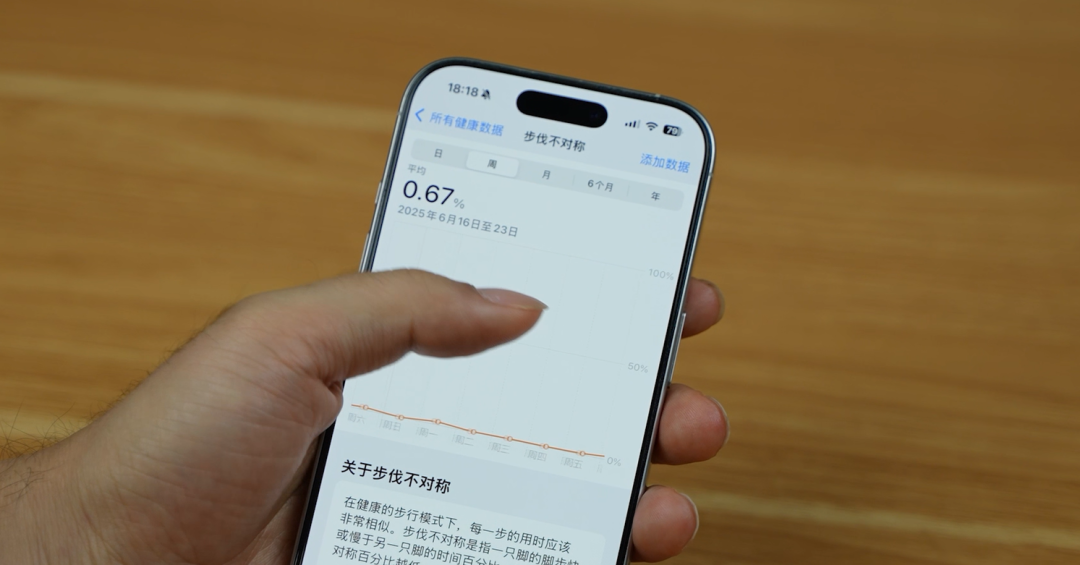
Due to time and length constraints, there are many more features that have not been introduced, such as menstrual tracking on the Apple Watch and detecting whether steps are symmetrical. Everyone can explore and research to maximize the device’s functionality.

Conclusion
The development of smartwatches and bands is closely related to health concepts. Some criticize that this is selling health anxiety, as wearing or not wearing them does not change the fact that they are there, and the data recorded after wearing them increases our anxiety. This is a consumerism trap that creates false demand under the guise of health concepts.
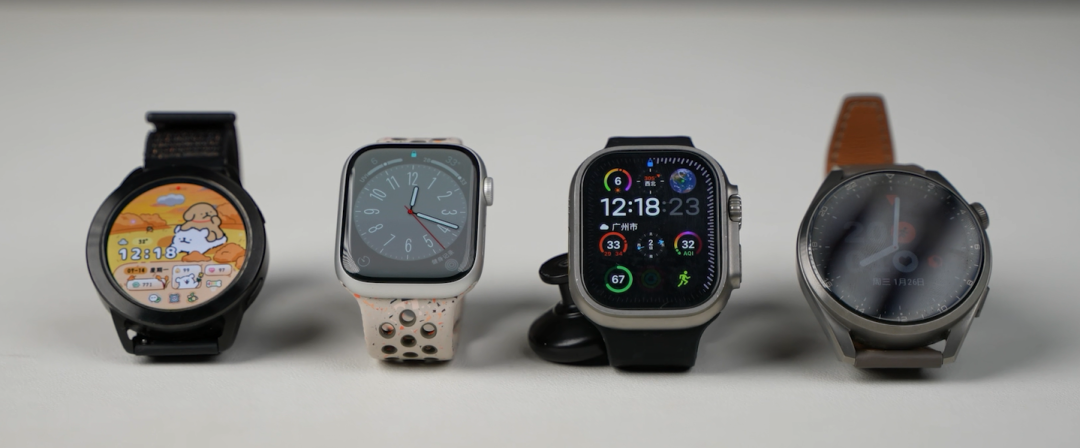
The above viewpoint is not incorrect. No matter how accurate the data measured by smartwatches is or how comprehensive the health functions are, at the moment the user places an order, it does not change their physical health status. Buying a pair of carbon plate running shoes will not make you an excellent runner, just as reading “Why We Sleep” will not guarantee you a perfect sleep quality every night.
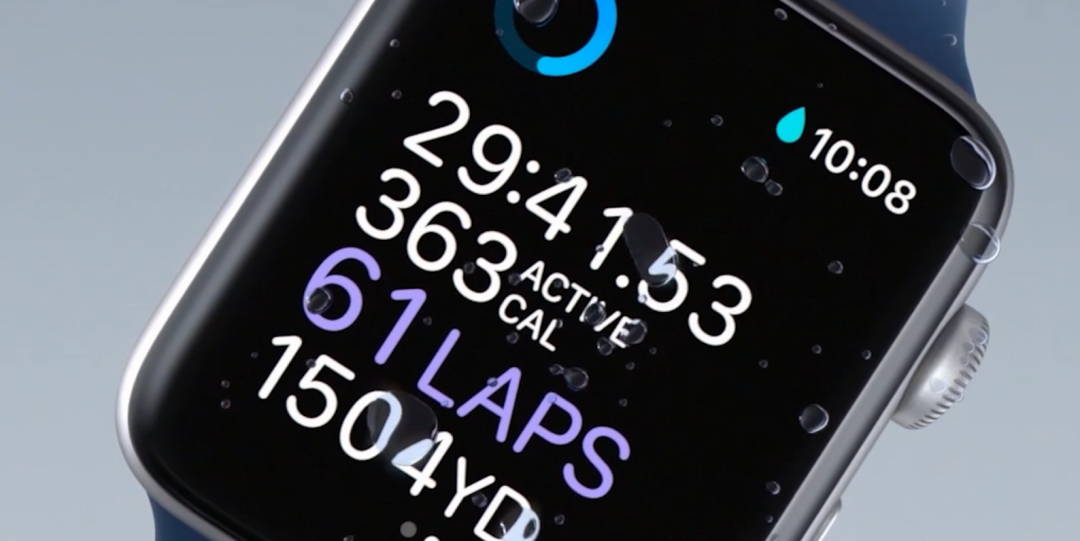
What determines physical health is our active actions, such as maintaining a running, swimming, or jump rope routine, improving our maximum oxygen uptake, and enhancing sleep duration by changing our habits.
Smartwatches are merely excellent monitoring tools. They can detect elevated heart rates before I feel unwell and clarify whether there is a caloric deficit based on daily exercise.
The so-called health functions of smartwatches and bands are simply to help us better understand our bodies, and nothing more. Do not expect them to do more.
Finally, I hope this article helps you in purchasing and using smartwatches or bands. You can also share it with friends who are struggling with whether to buy such products. Feel free to like, comment, and share.
References: Xiaomi, Huawei
Editor: E Yang Yang