Happy ‘Meal’ Moments
On August 14, stepping into the embedded meal assistance point at the Transportation Community in Zhangjiacun Street, Beilin District, sunlight streamed through the windows onto the tidy wooden dining chairs. The phrase “The taste of human life comforts the heart” on the wall complemented the aroma of the dishes wafting through the restaurant, creating a warm, homely atmosphere. Each dish here is meticulously designed: succulent and juicy stir-fried prawns, refreshing and tasty stir-fried vegetables, and appetizing mapo tofu… The chef team employs a healthy, low-oil cooking method, ensuring a balanced diet while catering to the public’s taste. This warm scene vividly illustrates the effective integration of resources and efforts from various community units to promote the construction of embedded meal assistance points.

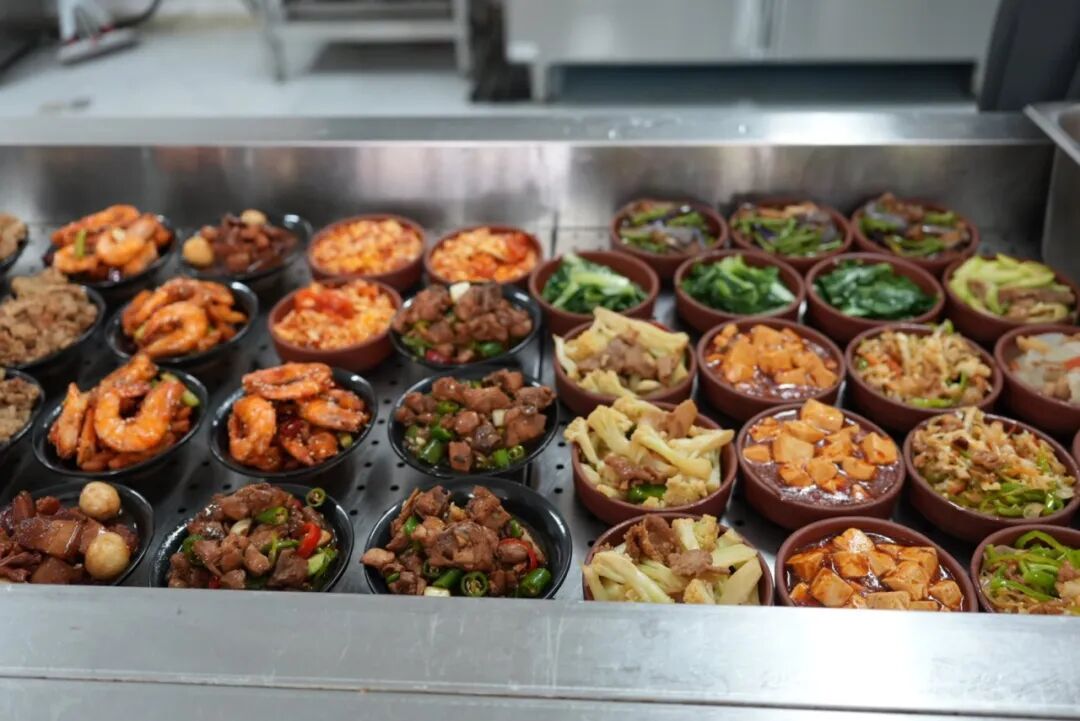
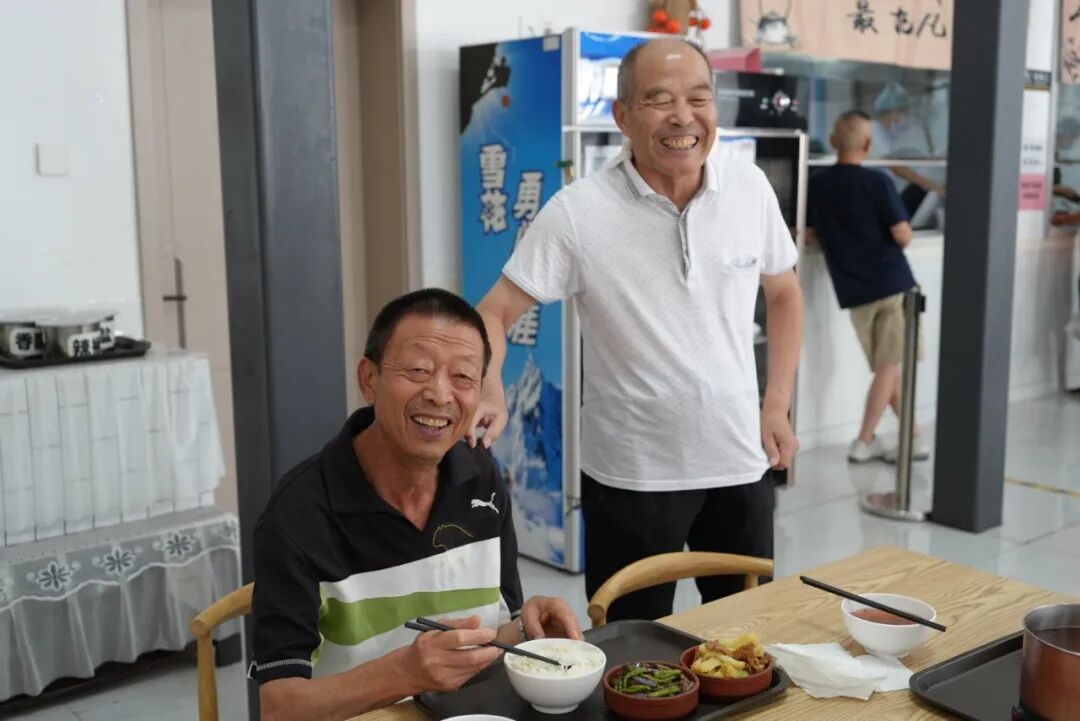
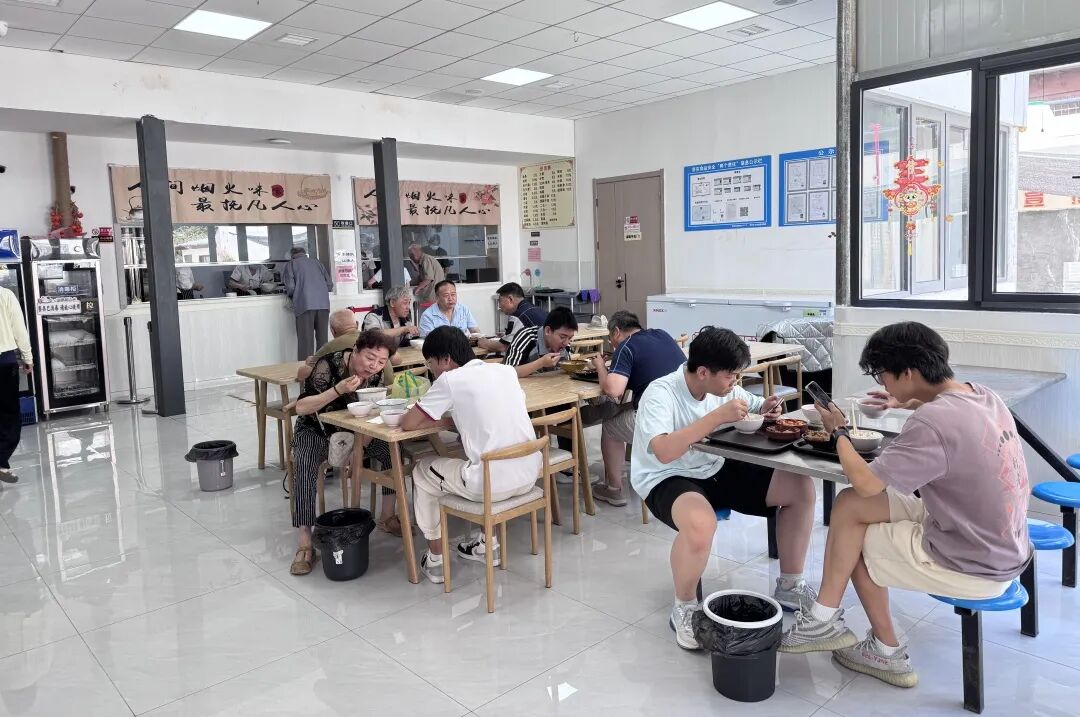
Since the launch of the embedded service facility construction, Beilin District has actively conducted research on residents’ needs. The survey shows that dual-income families and elderly individuals living alone have an urgent demand for convenient and affordable meal assistance services. However, as an old urban area, Beilin District faces challenges due to its small geographical area and limited land resources. How to utilize the limited space to layout embedded meal assistance points has become an urgent issue to solve. To address the scarcity of land resources, Beilin District has innovated its working approach, with a district-level task force leading the effort, collaborating with streets and communities to explore resources, and seeking cooperation with stationed units. They are exploring a model of “government providing the platform, units assisting, and the public benefiting” to solve residents’ dining difficulties. At the same time, during the construction process, the task force, Transportation Community, and stationed units held multiple special coordination meetings to discuss key aspects such as functional planning, service scope, and service standards in depth, ensuring both the quality of the meals and affordable prices, allowing the meal assistance service to truly benefit the surrounding residents.
At noon, the cafeteria gradually became lively. There were elderly people coming in pairs, young parents with children, and white-collar workers from nearby offices. “The food here is clean and hygienic, and the prices are affordable, much better than takeout!” said Mr. Zhang, a working professional enjoying his meal. 76-year-old Mr. Qu Zhigang praised, “The cafeteria built right at our doorstep has a variety of dishes, great taste, and low prices, solving the cooking difficulties for elderly individuals like us who live alone.”
In addition to meal assistance services, the Transportation Community has also scientifically planned and reasonably laid out embedded services such as elderly care, health services, child care, sports and fitness, and convenient household services to meet the diverse needs of community residents, enhancing their quality of life and sense of happiness. In the next step, Beilin District will use the Transportation Community as a model, gradually promoting successful experiences, deepening the tripartite collaboration between government, enterprises, and communities, encouraging market entities to participate in operations, and cultivating new community service formats, making embedded services truly a “happiness supply station” at the doorstep of the public.