When you see “embedded systems” in tech news, discuss “microcontroller development” in electronic forums, or encounter “STM32” in project requirements, have you ever been confused about their relationships? This article will clarify this “technical nesting doll” mystery for you in the clearest way!
Understanding the relationship between embedded systems, microcontrollers (MCUs), and STM32 is fundamental to entering the field of embedded systems. They are not parallel concepts but ratherhierarchically inclusive and specific relationships. Let’s break it down in detail:
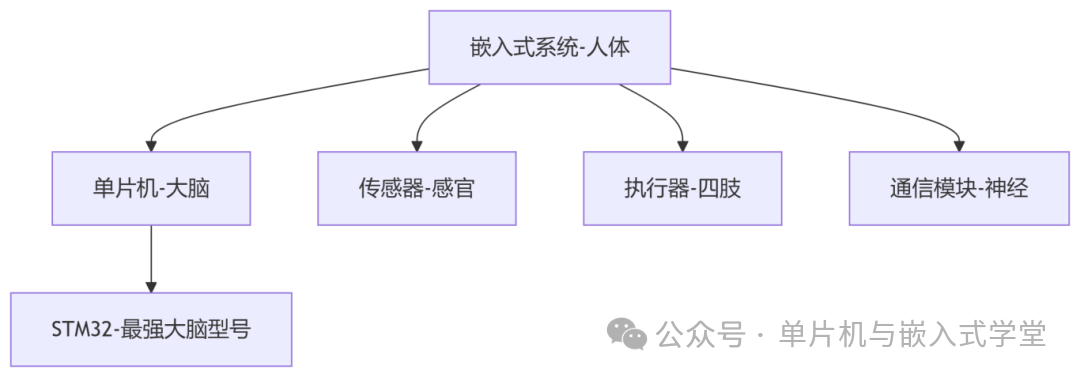
01 Embedded Systems
“Embedded systems” are officially defined as devices used forcontrolling, monitoring, or assisting in the operation of machines and equipment. The technical terms may be a bit obscure, so let’s give an example:
Personal communication and entertainment systems: mobile phones, digital cameras, music players, wearable electronics, PSP game consoles
Home appliances: digital TVs, robotic vacuum cleaners, smart appliances
Office automation: printers, copiers, fax machines
Medical electronic products: biochemical analyzers, blood analyzers, CT scanners
Network communication products: communication switching devices, network equipment (switches, routers, network security)
Automotive electronic products: engine control, safety systems, automotive navigation and entertainment systems
Industrial control products: industrial computers, interactive terminals (POS, ATMs), security monitoring, data acquisition and transmission, instruments and meters
Military and aerospace products: drones, radar, combat robots
All the above fields use embedded systems. This is just the tip of the iceberg.
So, in simpler terms, it means embedding a small“computer” into other electronic products and devices. This small “computer” is the embedded system.
Typically, we require this small “computer” to becompact, low power consumption, low cost, real-time capable, and highly reliable. It is a small, “dedicated” “computer” that does not pursue the highest performance, just needs to be suitable.
The smaller the sparrow, the more complete its organs, and the higher the requirements! It can fly!
Therefore, working with embedded systems requiresknowledge of both hardware and software, as well as communication. It is a fusion of electronics, communication, and computer science.
Future requirements will be even higher, mainly in the area of artificial intelligence, known as edge computing.
02 Microcontrollers
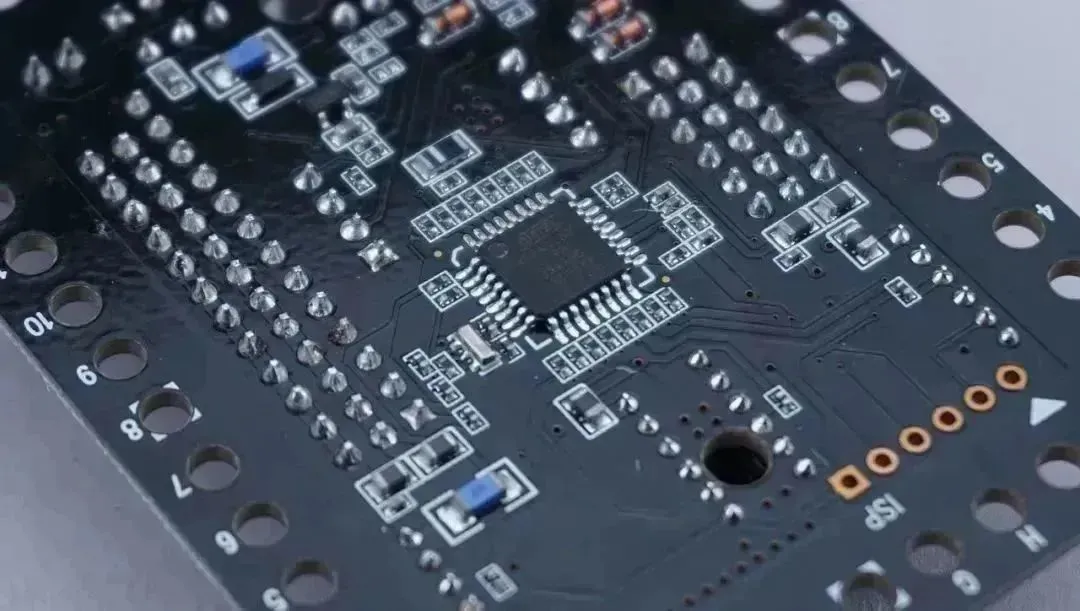
Next, let’s talk about microcontrollers. As mentioned earlier, embedded systems are specialized computer systems, which means the system should have both hardware and software, and microcontrollers are the hardware part. In the past, when technology was not advanced, it was impossible to integrate all functions into one chip, so functions had to be placed in individual chips, which is what microcontrollers are.
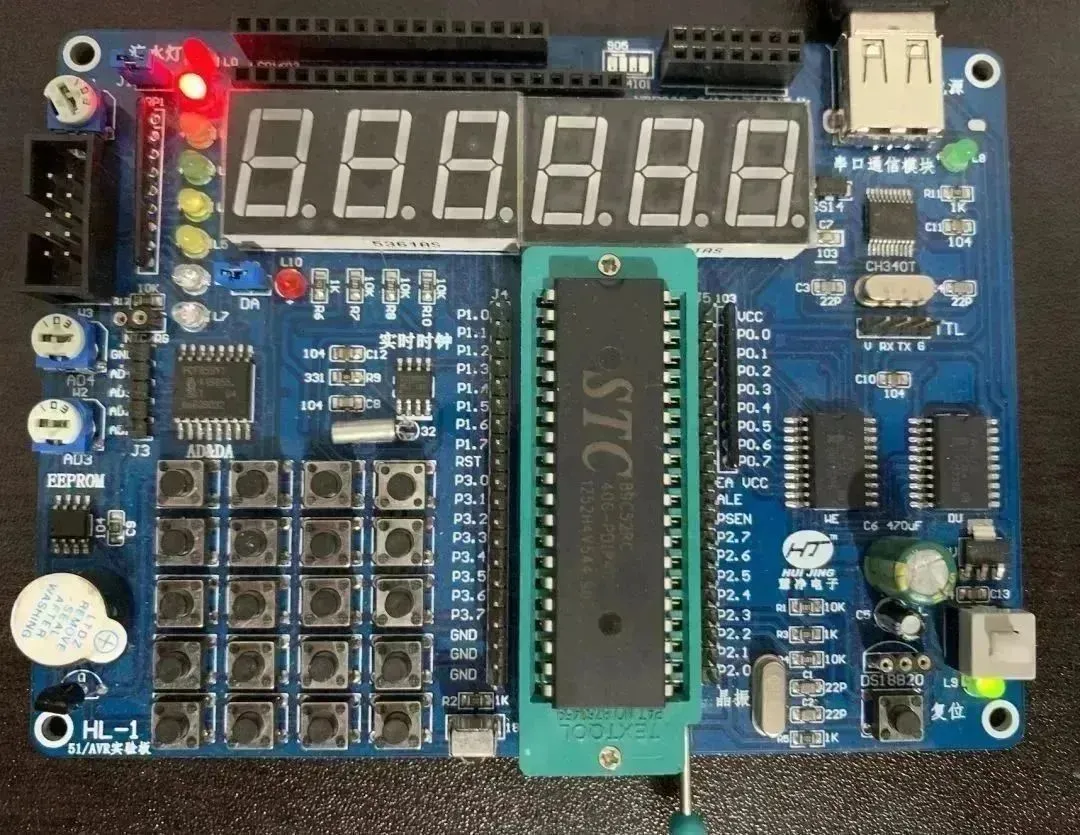
In short: a microcontroller is a microcomputer that operates based on programs and can be modified. Different programs can achieve different functions.
The commonly referred to 51 microcontroller is actually a series, the 51 microcontroller, which is compatible with the Intel 8031 instruction set. Its origin is the Intel (Intel) 8004 microcontroller. The 51 microcontroller has maintained a dominant market position due to its stock foundation and popularity, but it is relatively old technology, and its usage has significantly decreased. However, due to its low price, it is still used in some low-end products.
03 STM32
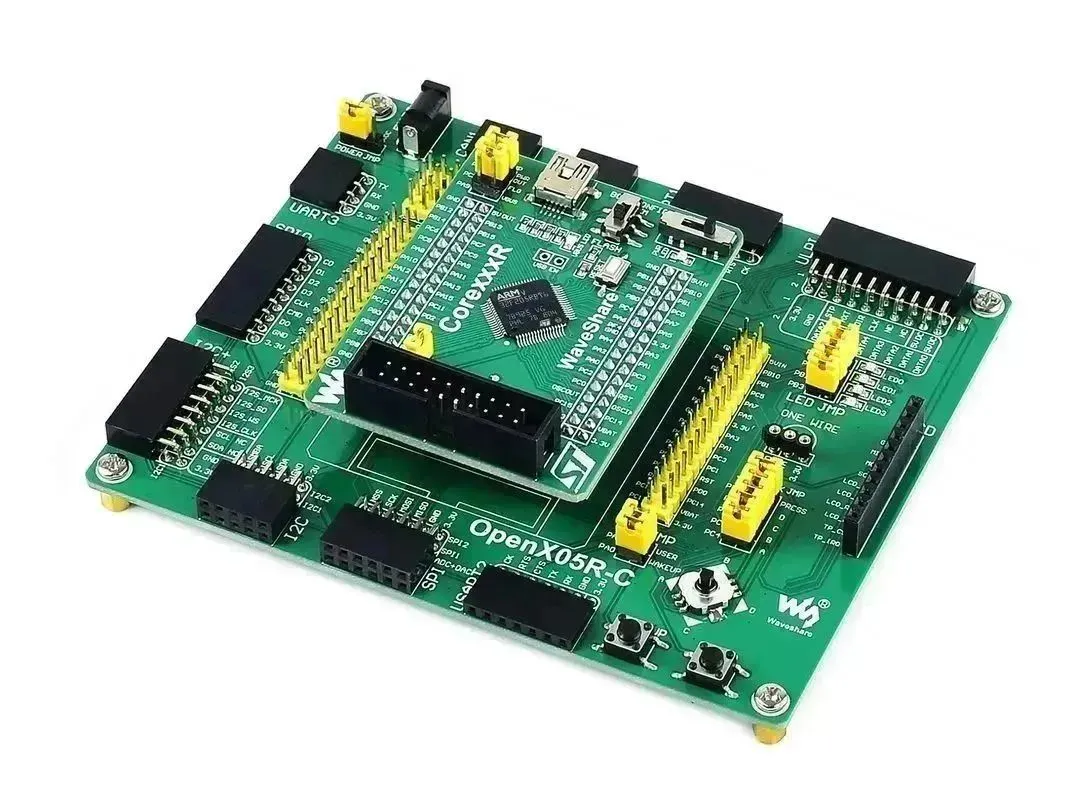
Finally, there is STM32, which is also a type of microcontroller, but it is an advanced version. The 51 microcontroller is 8-bit, while the STM32 microcontroller is a 32-bit flash microcontroller based on the ARM Cortex M processor core. The ST manufacturer provides a very rich library of functions, allowing engineers to directly call the corresponding functional functions when writing programs, which is particularly convenient.
The 51 microcontroller operates slowly and clearly cannot meet the requirements of modern products, so more intelligent electronic products now choose the faster STM32, which also has more internal resources, closer to a computer’s CPU, providing more options in program development.
-
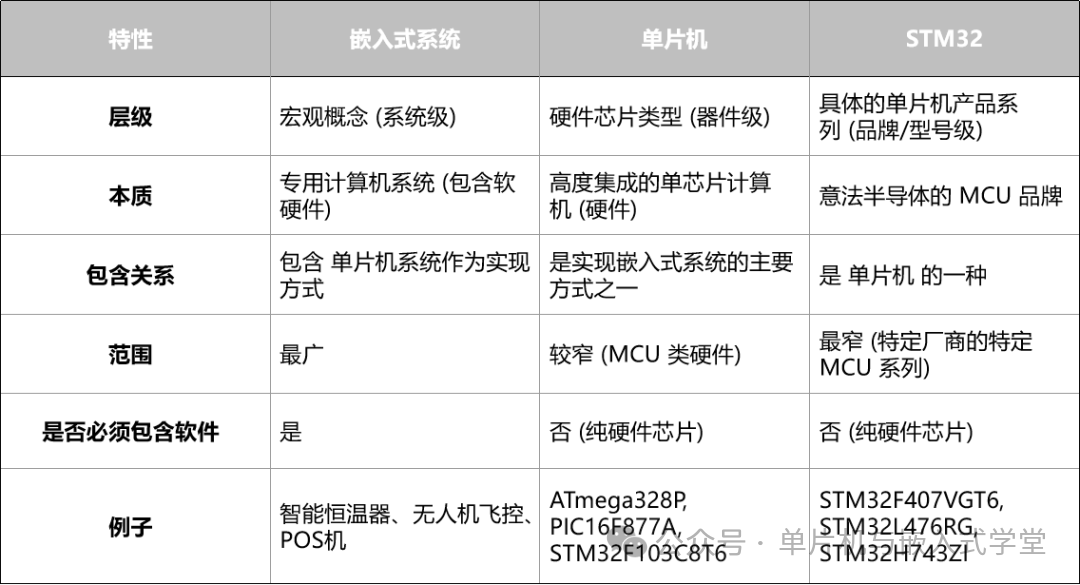
Differences and Relationships between Embedded Systems, Microcontrollers, and STM32
Metaphorically:
Embedded systems are like a car (a complete device with specific functions).
Microcontrollers are like the engine control system ECU (a critical, highly integrated core component).
STM32 is like a specific model of ECU produced by Bosch (a specific, widely used brand and model component).
In simple terms:
If you want to create a product (like a smart desk lamp or temperature controller), that product is an embedded system.
You need to choose a core hardware to implement this system, and microcontrollers (MCUs) are one of the common and important choices.
Among many microcontroller brands and models, STM32 is a very popular, powerful, and resource-rich specific choice.
When learning, it is usually first to understand the concept of embedded systems, then learn the principles and applications of microcontrollers, while STM32 serves as an excellent learning and practice platform due to its rich resources, comprehensive tools, and active community. Mastering STM32 equips you with an important skill for developing embedded systems using a mainstream microcontroller.

Screenshots of some electronic books
【Complete Set of Hardware Learning Materials Collection】