
Click the blue text to follow us


The core goal of learning on the seventh day is to transition from ‘writing code to creating projects, integrating the knowledge from the first six days into practical tools.’ The focus is on ‘project-oriented thinking,’ while also covering the basics of ‘module imports’ and ‘simple interfaces,’ allowing you to write code that not only runs but is also ‘usable in a decent way.’ The content is designed according to the ‘project development process,’ from requirements to finished product:
1
5-Minute Quick Review: Connecting Knowledge from the First Six Days
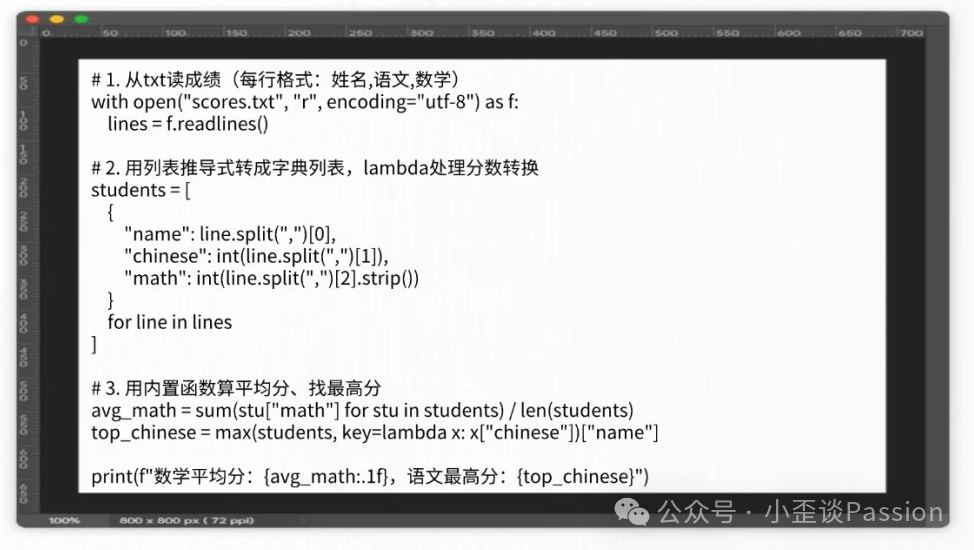
First, let’s do a ‘knowledge sorting’ exercise to confirm that all the fundamentals are solid: use ‘list comprehensions + lambda + file operations’ to process ‘student grade data’:
2
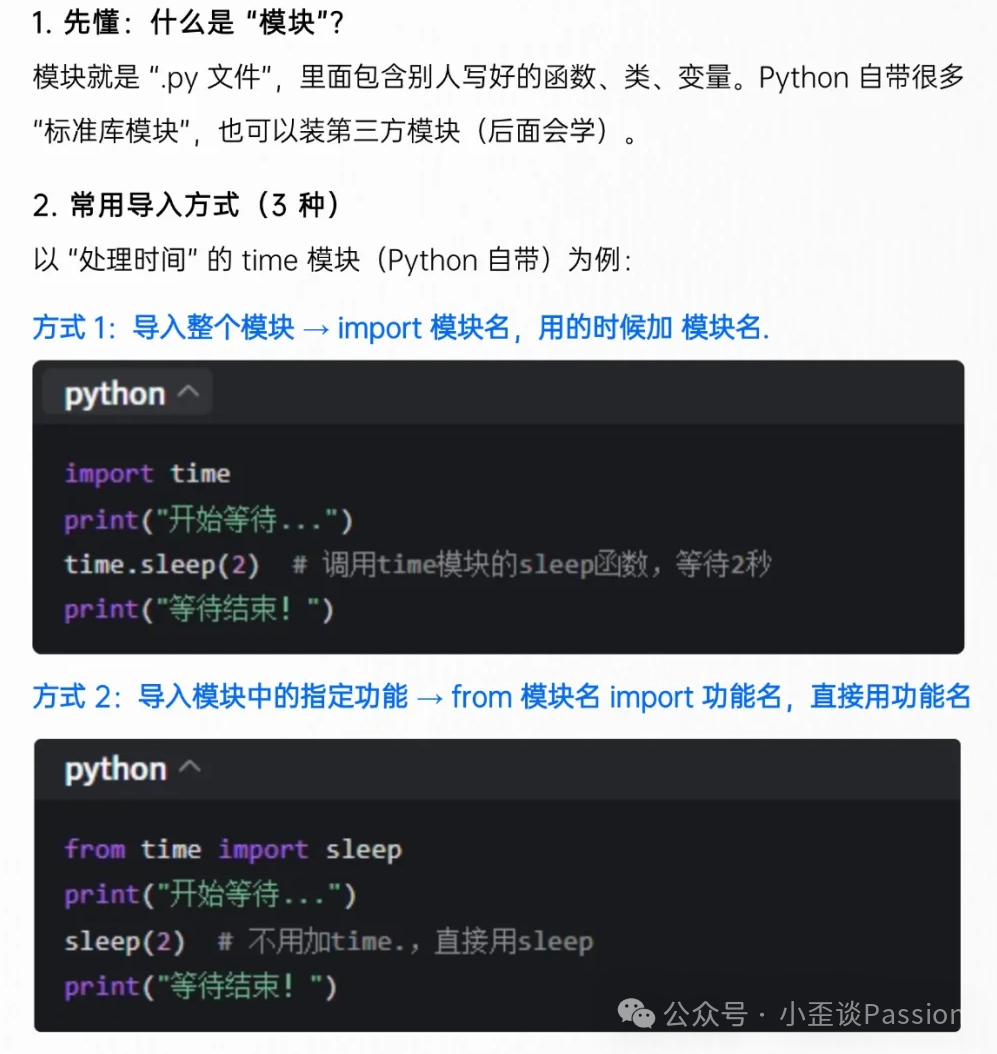
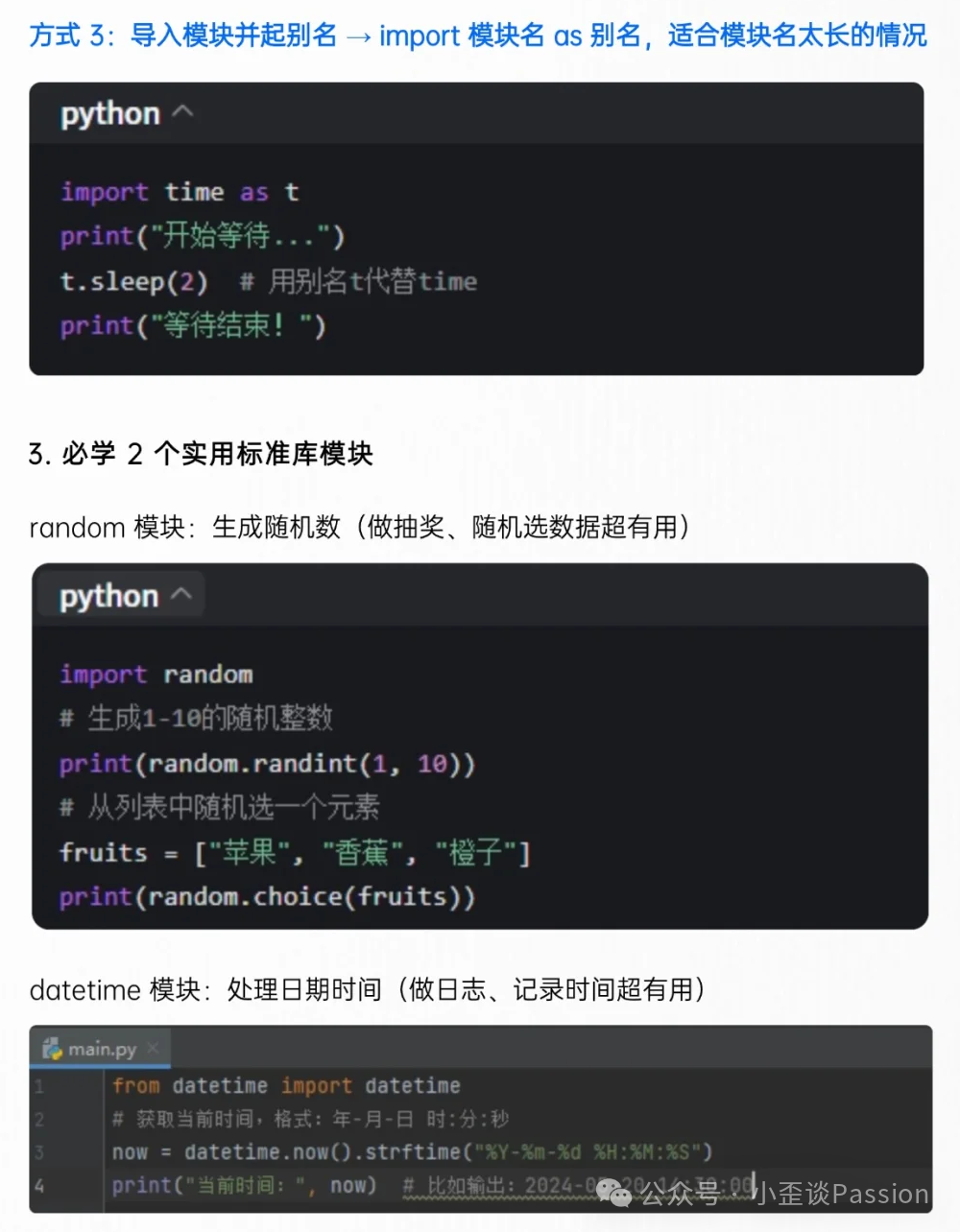
Core New Content 1: Module Imports (Python’s ‘Take What You Need’ Philosophy)
The code written in the first six days was all ‘written from scratch,’ but in actual development, many functions have already been written by others (such as date calculations, data processing). Module imports allow you to ‘directly use others’ code’ without reinventing the wheel.
3
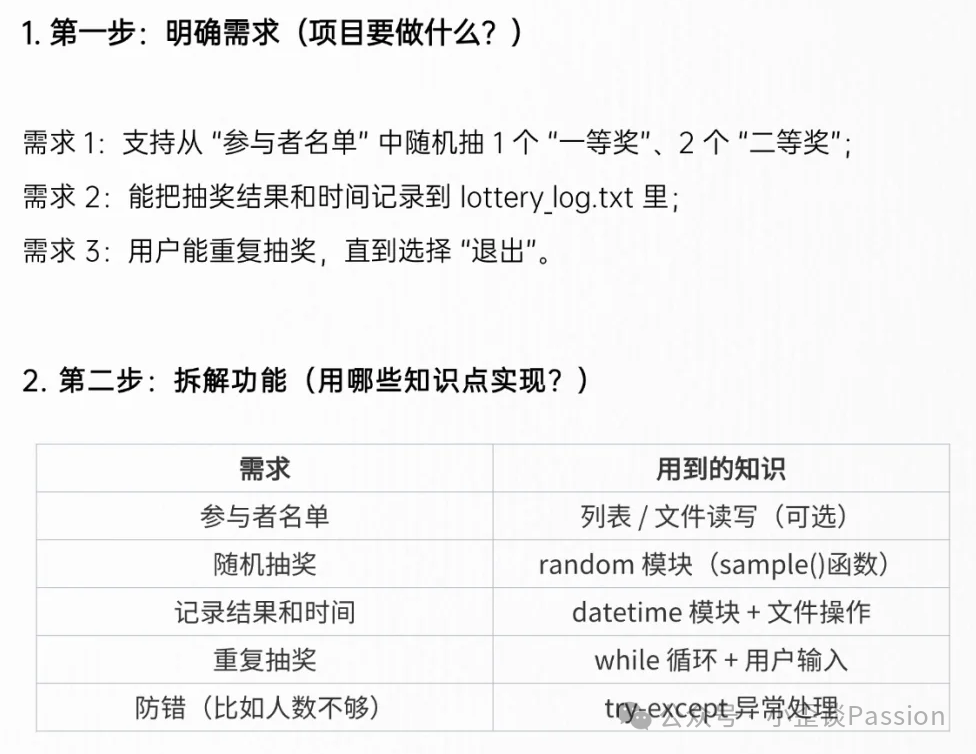
Core New Content 2: Project Development Process (Creating a Small Tool from 0 to 1)
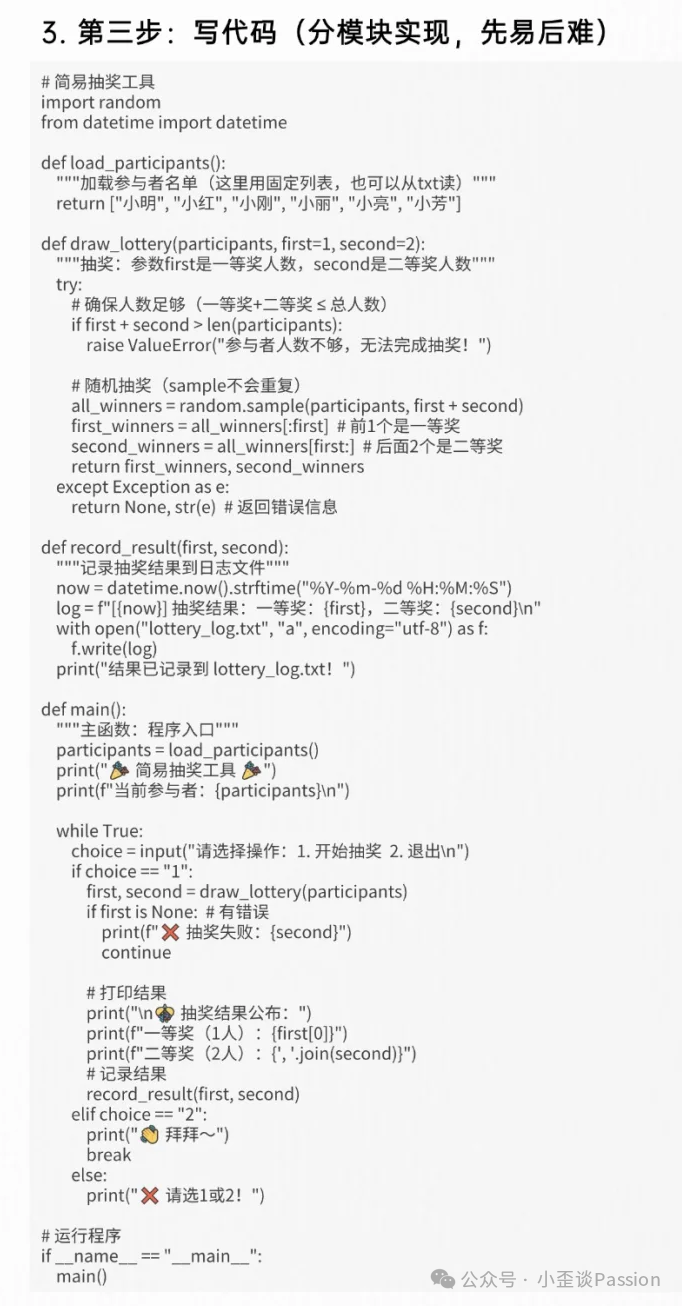
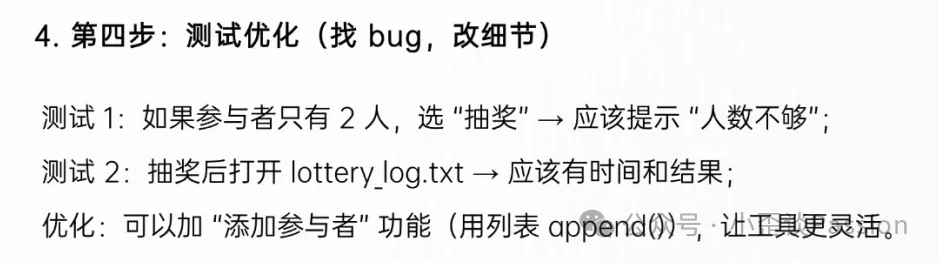
The first six days focused on ‘learning individual knowledge points,’ today we learn ‘how to piece knowledge points together into a project,’ using a ‘simple lottery tool’ as an example to walk through the complete development process:
4
Core New Content 3: Simple Interfaces (Making Tools ‘More Like an APP’)
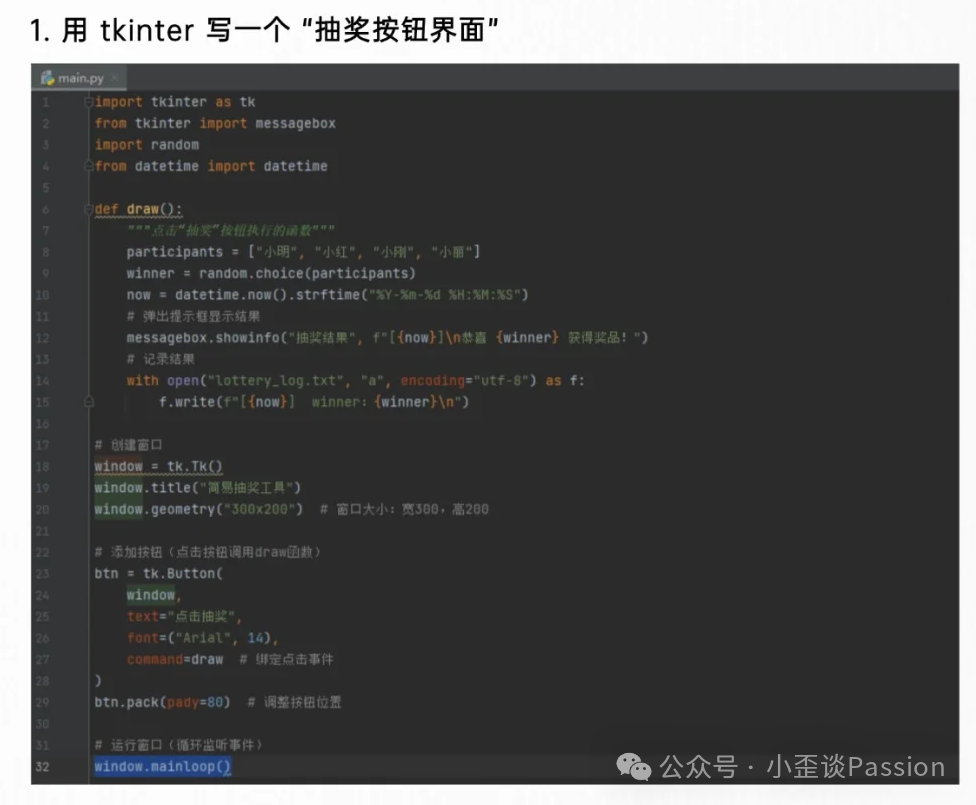
The code from the first six days was all ‘black boxes (command line),’ today we learn a super simple visualization library, tkinter (included with Python, no extra installation needed), to add a ‘window interface’ to the tool.
5
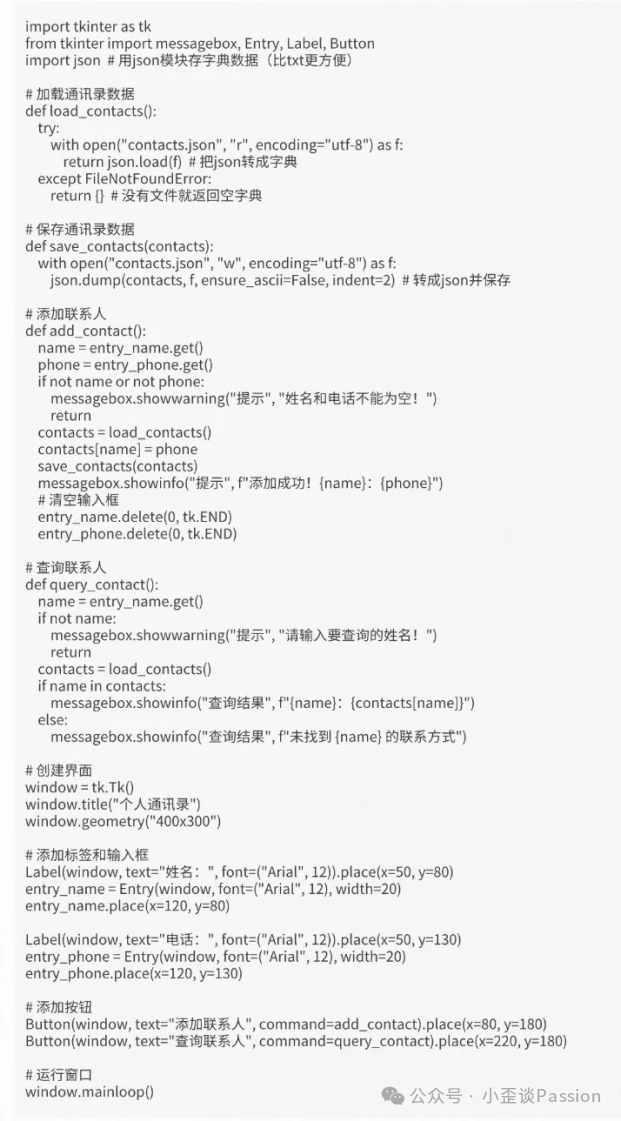
Day 7 Practical Exercise: Comprehensive Project – A Contact Book Tool with Interface
Combine ‘module imports + file operations + tkinter interface’ to create a contact book that can ‘add contacts, query contacts, and save locally’:
6
Summary
The core takeaways from Day 7
-
Ability to Use Module Imports:Directly use Python’s built-in modules like random/datetime without rewriting functionality;
-
Mastering the Project Development Process:From ‘clarifying requirements’ to ‘breaking down functions’ to ‘writing and testing code,’ able to independently create small tools;
-
Learning Simple Interfaces:Using tkinter to add windows to tools, upgrading from ‘black boxes’ to ‘visual apps’;
-
Ability to Write Practical Projects:Code for contact books, lottery tools, etc., that can be used in daily life, no longer just ‘practice snippets.’