Programmable Logic Controllers (PLC) are the core devices for industrial automation control, widely used in mechanical manufacturing, process control, power systems, and other fields. With the development of technology, the types of PLCs have become increasingly diverse, with different structures, functions, and scales suitable for various industrial scenarios.
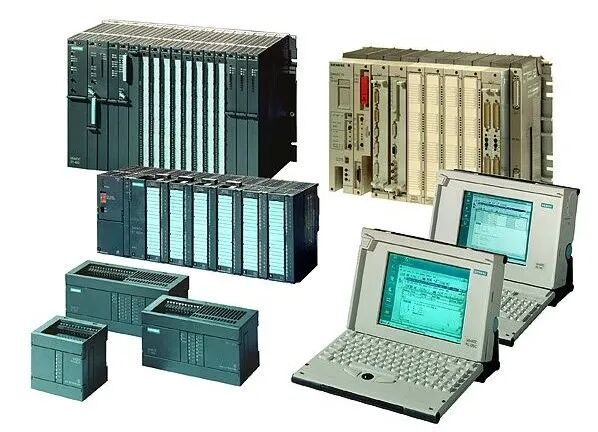
Classification by Structure

-
Integrated PLC
-
Features: CPU, I/O modules, and power supply integrated in one enclosure
-
Advantages: Compact structure, small size, low cost
-
Disadvantages: Fixed I/O points, limited expansion capability
-
Typical Applications: Small control systems
-
Representative Products: Siemens S7-200 series, Mitsubishi FX series
Modular PLC
-
Features: Independent modules connected via a bus
-
Advantages: Flexible configuration, easy expansion, easy maintenance
-
Disadvantages: Larger size, higher cost
-
Typical Applications: Medium to large control systems
-
Representative Products: Siemens S7-300/400, Rockwell ControlLogix
Distributed PLC
-
Features: I/O modules can be installed remotely
-
Advantages: Saves wiring, suitable for decentralized control
-
Disadvantages: High system complexity
-
Typical Applications: Large distributed control systems
-
Representative Products: Siemens ET200 series
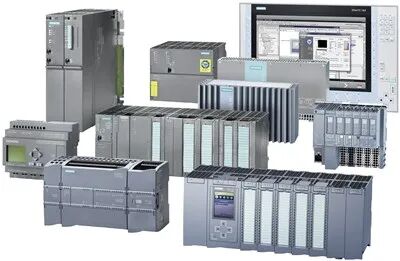
Classification by I/O Points
-
Small PLC
-
I/O Points: <256 points
-
Memory Capacity: <4KB
-
Typical Applications: Single machine control, small devices
-
Representative Products: Omron CP1E, Mitsubishi FX3U
Medium PLC
-
I/O Points: 256-2048 points
-
Memory Capacity: 4-32KB
-
Typical Applications: Complex machine control, production lines
-
Representative Products: Siemens S7-300, Schneider Modicon M340
Large PLC
-
I/O Points: >2048 points
-
Memory Capacity: >32KB
-
Typical Applications: Process control, plant-wide automation
-
Representative Products: Siemens S7-400, Rockwell ControlLogix
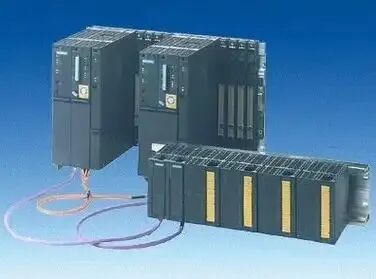
Classification by Function
-
Low-end PLC
-
Function: Logic control, timing, counting
-
Processing Speed: Relatively slow
-
Communication Capability: Limited
-
Typical Applications: Simple machine control
Mid-range PLC
-
Function: Increased data processing, analog control
-
Processing Speed: Moderate
-
Communication Capability: Strong
-
Typical Applications: Complex machine control, small process control
High-end PLC
-
Function: Complex calculations, PID control, network communication
-
Processing Speed: Fast
-
Communication Capability: Powerful
-
Typical Applications: Large process control, distributed systems
Classification by Application Field
-
General-purpose PLC
-
Suitable for various industrial environments
-
Representative Products: Siemens S7 series, Mitsubishi Q series
Specialized PLC
-
Optimized for specific industries
-
Examples: Machine tool PLC, packaging machinery PLC
Safety PLC
-
Complies with safety standards (SIL3)
-
Used in safety-critical systems
-
Representative Products: Siemens S7-1500F, Rockwell GuardPLC
Classification by Brand
-
European and American Brands
-
Siemens
-
Rockwell (AB)
-
Schneider
-
General Electric (GE)
Japanese Brands
-
Mitsubishi
-
Omron
-
Panasonic
-
Fuji
Domestic Brands
-
Hollysys
-
XINJE
-
Delta
-
Inovance
Special Types of PLC
-
Soft PLC
-
PC-based PLC solutions
-
Representative Products: Siemens WinAC, B&R Automation Studio
Micro PLC
-
Ultra-small design
-
Representative Products: Siemens LOGO!, Mitsubishi Alpha
Motion Control PLC
-
Integrated motion control functions
-
Representative Products: Omron NJ series, Mitsubishi Q series motion controllers
Process Control PLC
-
Optimized for process industries
-
Representative Products: Siemens PCS7, Emerson DeltaV
Redundant PLC
-
High availability design
-
Representative Products: Siemens S7-400H, Schneider Quantum redundant system
The classification of PLCs is diverse, with different structures, functions, and scales suitable for various industrial scenarios. Choosing the right PLC requires consideration of control needs, scalability, communication capabilities, and costs. With the development of Industry 4.0 and smart manufacturing, PLCs are evolving towards high performance, networking, and intelligence, and will play a key role in more fields in the future.