In the field of industrial automation, PLC (Programmable Logic Controller) and CNC (Computer Numerical Control) are two common types of controllers. They are often used in different scenarios and each adapts to specific needs. This article will analyze the essential differences between the two, their specific uses, and their practical application scenarios, helping to understand their respective technical characteristics.
What is PLC?
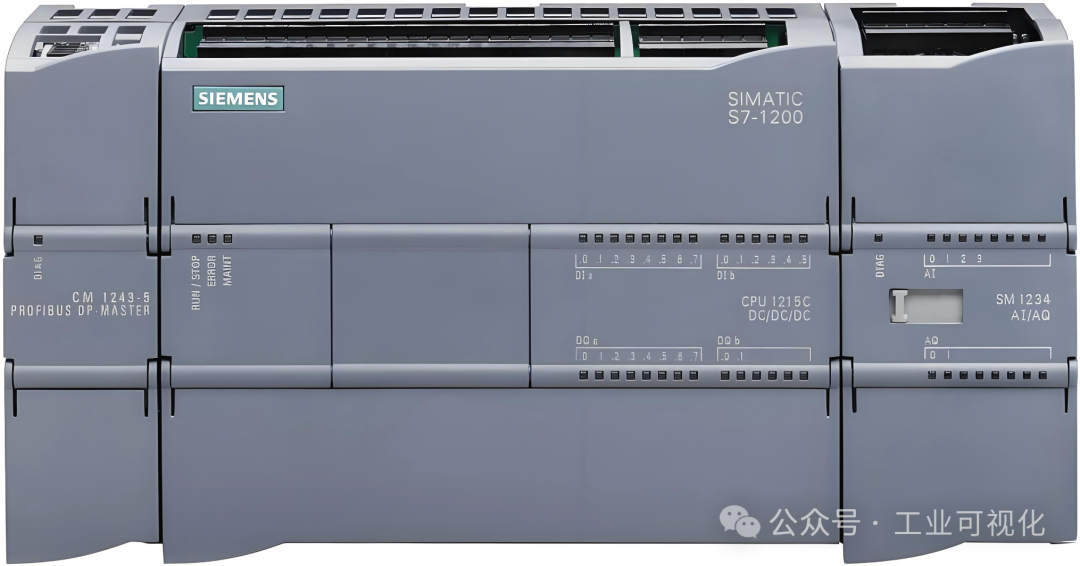
PLC is a powerful industrial equipment control system that combines hardware and software to perform logical control and data processing of various industrial devices. The core mechanism of PLC’s operation is logical operations, mainly composed of processor module (CPU), input/output module, and memory.
PLC is typically programmed using high-level languages such as Ladder Logic, Function Block Diagram (FBD), and Structured Text (ST). For example:
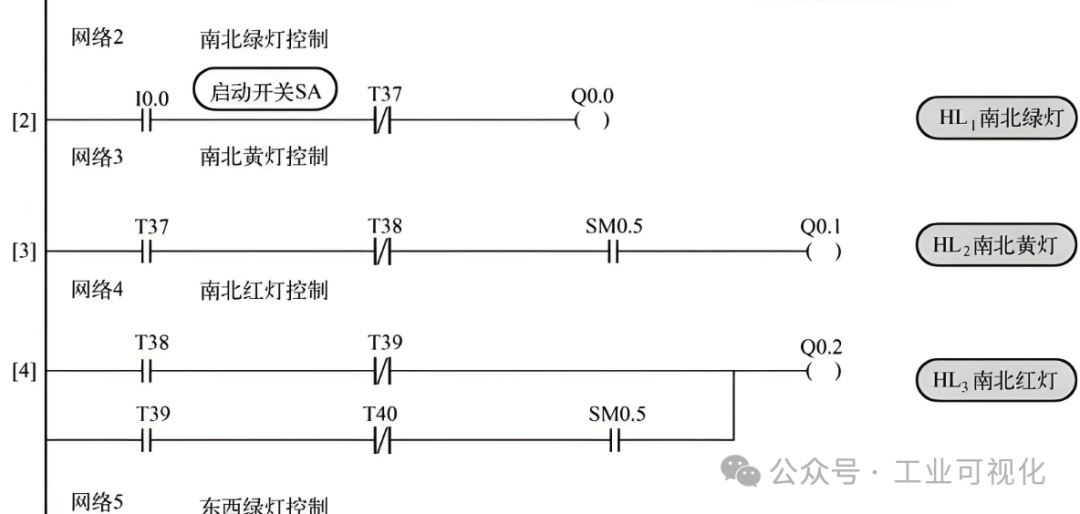
// Common Ladder Logic implementation for PLC
IF Input1 AND Input2 THEN
    Output1 := TRUE;
END_IF;
PLC is very suitable for handling various discrete or continuous control tasks, such as start/stop control, sensor signal acquisition, and real-time control of actuators (such as solenoids and motors) in factory assembly lines.
What is CNC?
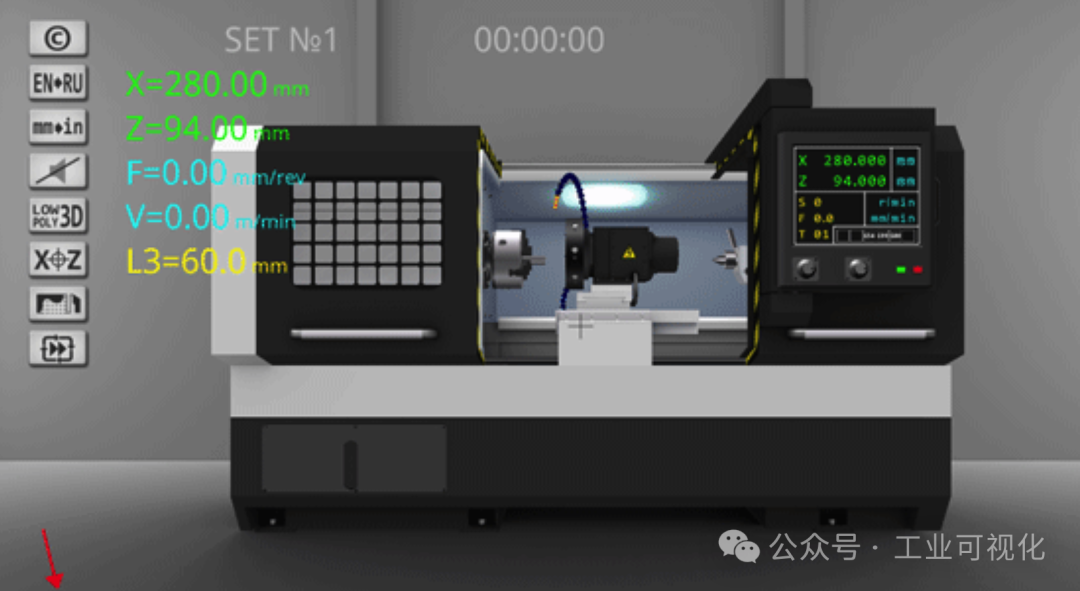
CNC (Computer Numerical Control) is an automated control system specifically designed for high-precision machining. Essentially, it integrates control systems with mechanical devices, acting as an automated “machining expert.” The programming language used in CNC differs from that of PLC, primarily relying on G-code and M-code to control machine tools such as lathes, milling machines, or drilling machines.
CNC focuses more on the precise control of mechanical component movements, including coordinate positioning, feed rates, and spindle speeds. Below is a typical example of G-code:
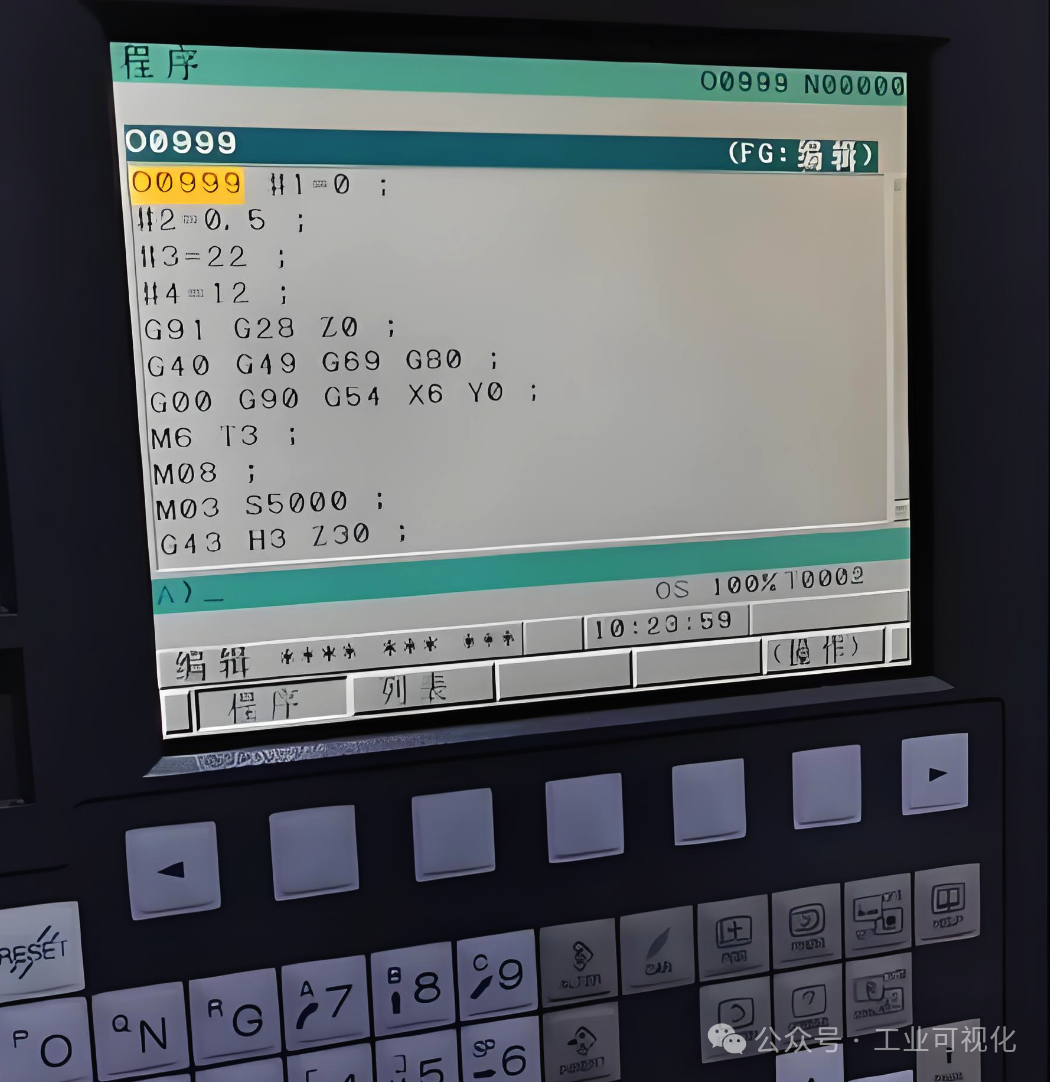
G01 X100 Y200 Z50 F500; // Move to specified position along X, Y, Z axes, feed rate 500mm/min
M03; // Start spindle rotation
The main features of CNC are high precision and automated manufacturing capability, making it suitable for complex workpiece processing, such as mold manufacturing and precision parts machining.
Core Differences Between PLC and CNC
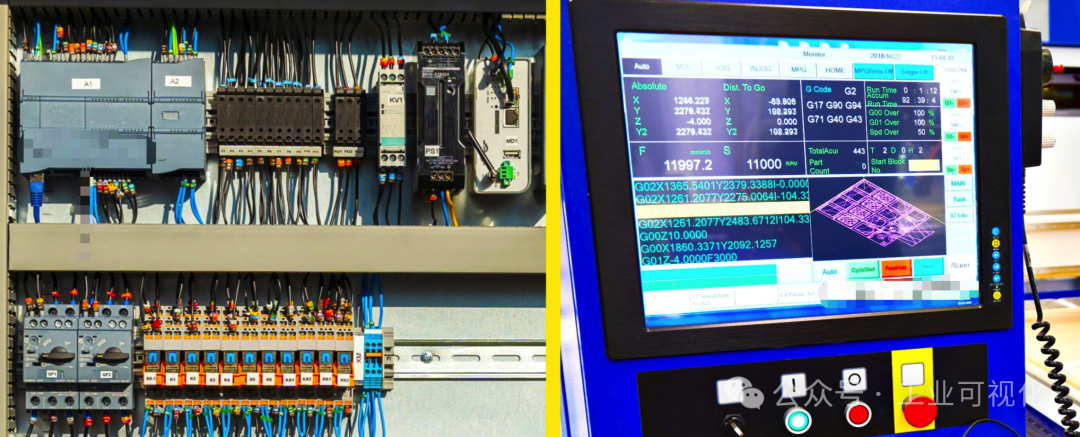
Although PLC and CNC are both automation control devices, there are essential differences in functionality, usage, and technical implementation:
-
Control Objects
- PLC: Used for process control in industrial production, such as starting/stopping devices and signal feedback, applicable in any automation scenario.
- CNC: Focuses on mechanical control, especially the movement of machining tools on machine tools.
-
Working Principles
- PLC executes logical judgments (such as switch states and sensor signals).
- CNC relies on numerical calculations to control the precise movement of machines in space.
-
Programming Methods
- PLC uses programming languages like Ladder Logic and Function Block Diagram, which are easy to learn and mainly control logical circuits.
- CNC uses G-code and M-code programming, focusing more on executing workpiece design files and involving spatial trajectory planning.
-
Application Scenarios
- PLC is widely used in assembly lines, filling machine control, and other scenarios that require handling multiple input/output signals.
- CNC is applied in precision machining fields, such as product engraving and metal cutting.
Example Comparison
PLC Application Scenario:
Automatically starting the conveyor belt and monitoring equipment operation in an assembly line:
IF StartButton = TRUE THEN
    ConveyorBelt := ON;
END_IF;
CNC Application Scenario:
Executing curve engraving operations in a machining tool:
G02 X200 Y200 I50 J50 F400; // Move to specified coordinates in an arc, radius 50mm, feed rate 400mm/min
PLC excels at managing process automation in industrial sites, capable of handling discrete signals and simple logical operations, aimed at a wide range of industrial applications. In contrast, CNC is a “specialist” in mechanical control, known for its numerical precision and high complexity in processing, suitable for situations requiring extremely high product accuracy.
The two are not opposing but rather complementary. For example, PLC can serve as the main controller of a system, linking with CNC through communication modules to achieve an overall automation layout from process control to precision machining.
Recent Hot Articles:
| Don’t Understand Modbus, How to Learn Upper Computer???Domestic Serial Port Artifact is So Powerful! Amazing!It’s Not Difficult! Read Modbus Temperature Sensor with C#Goodbye Public IP! From Debugging to Remote Control, Amazing!Honestly! If you can’t get the baud rate right for Modbus, everything is in vain!Domestic Open Source! Look at How Beautiful This WMS is Made! |