Topic10 Transformation of Substances and Process Flow
Knowledge Points Covered
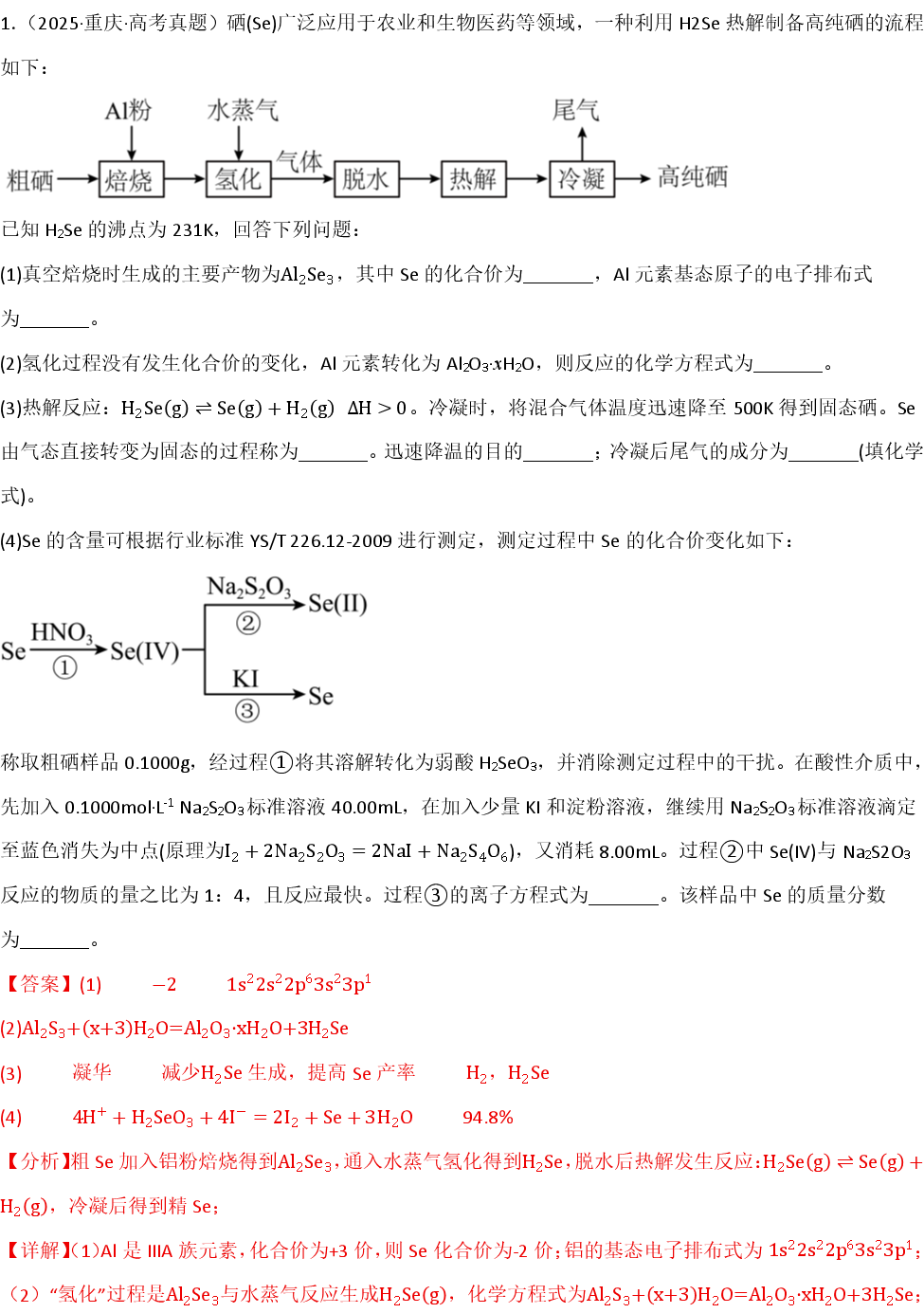
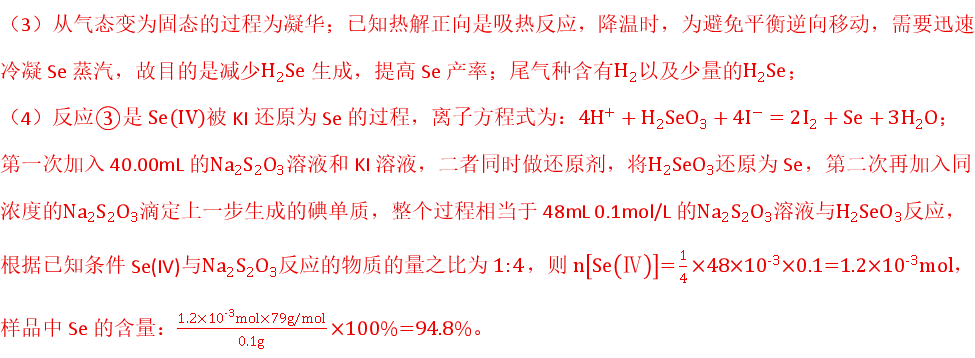
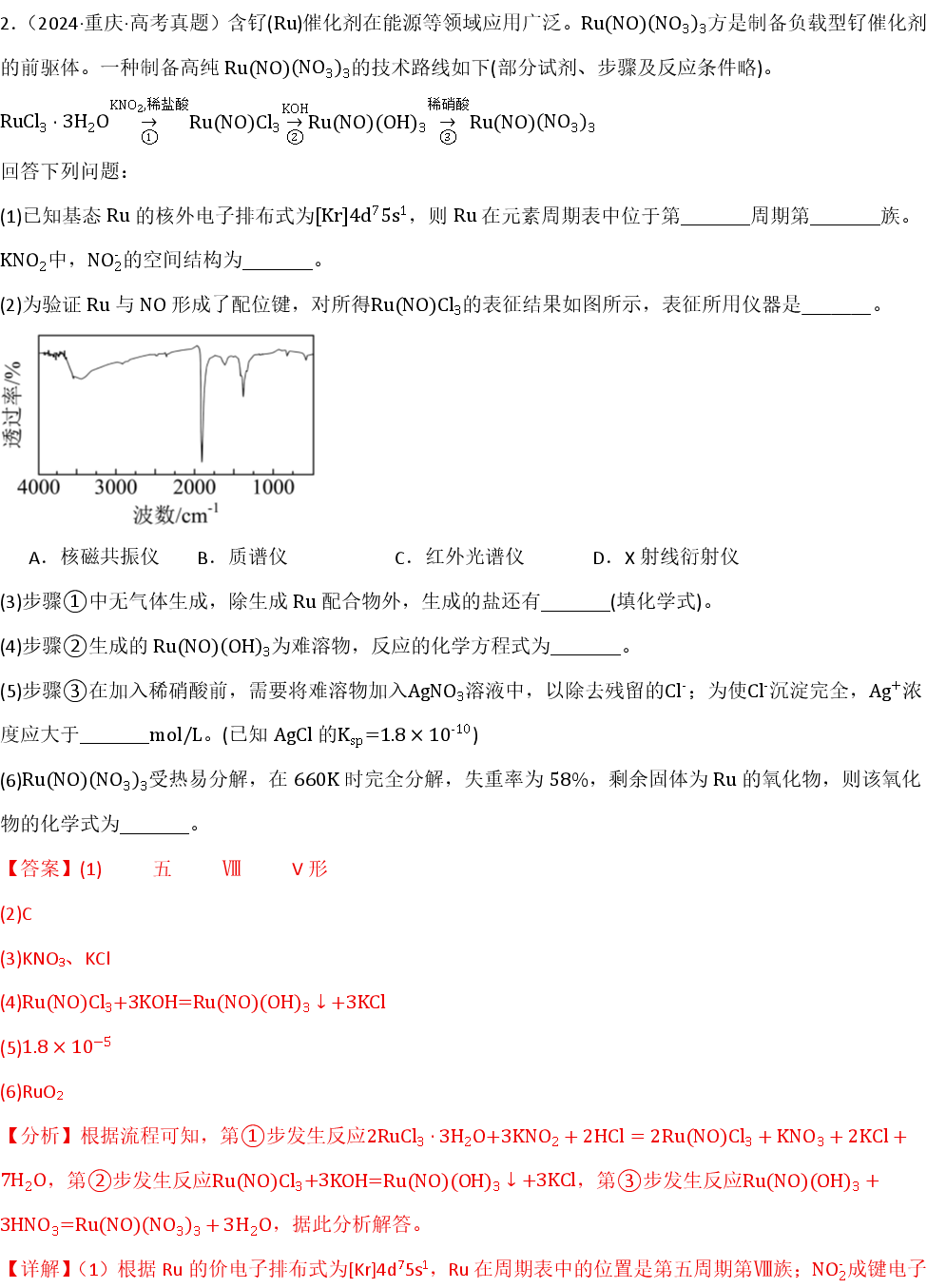
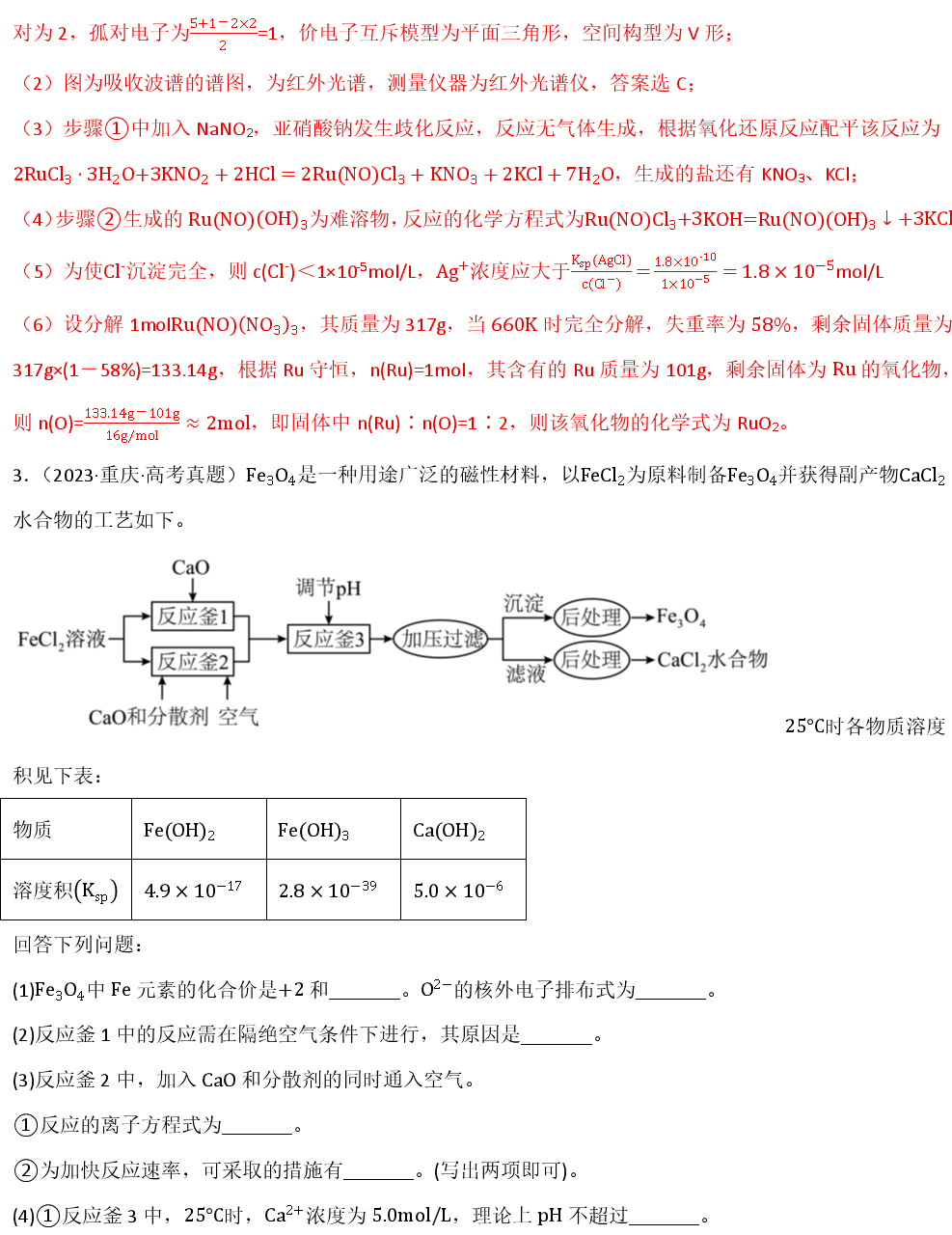
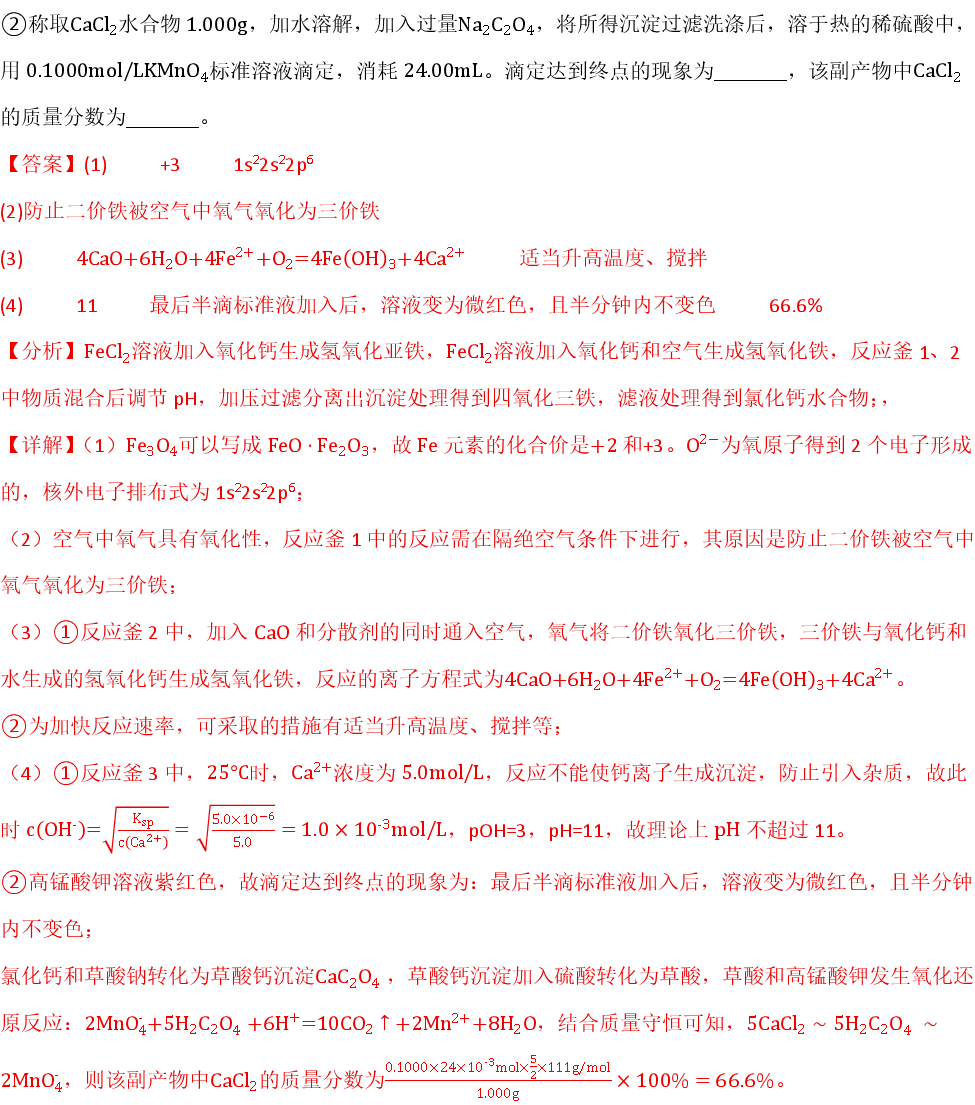
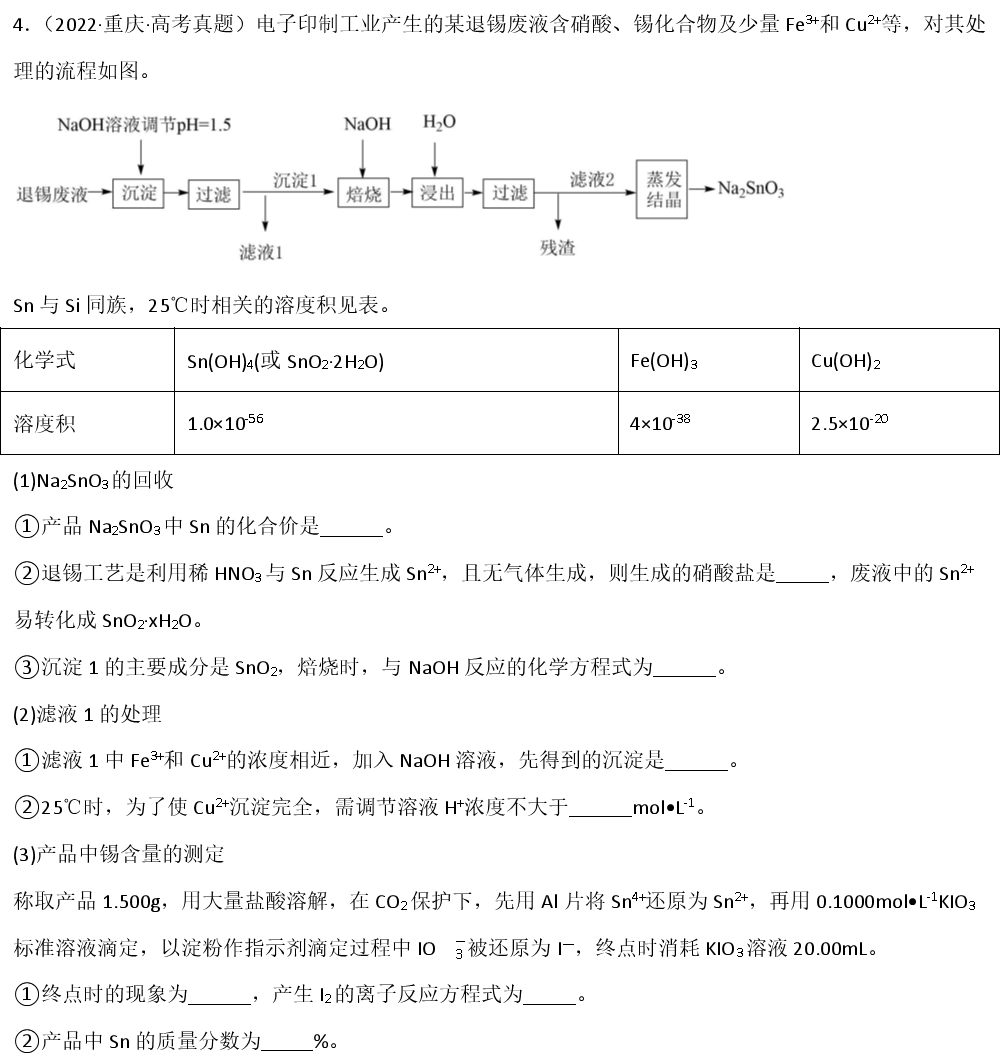
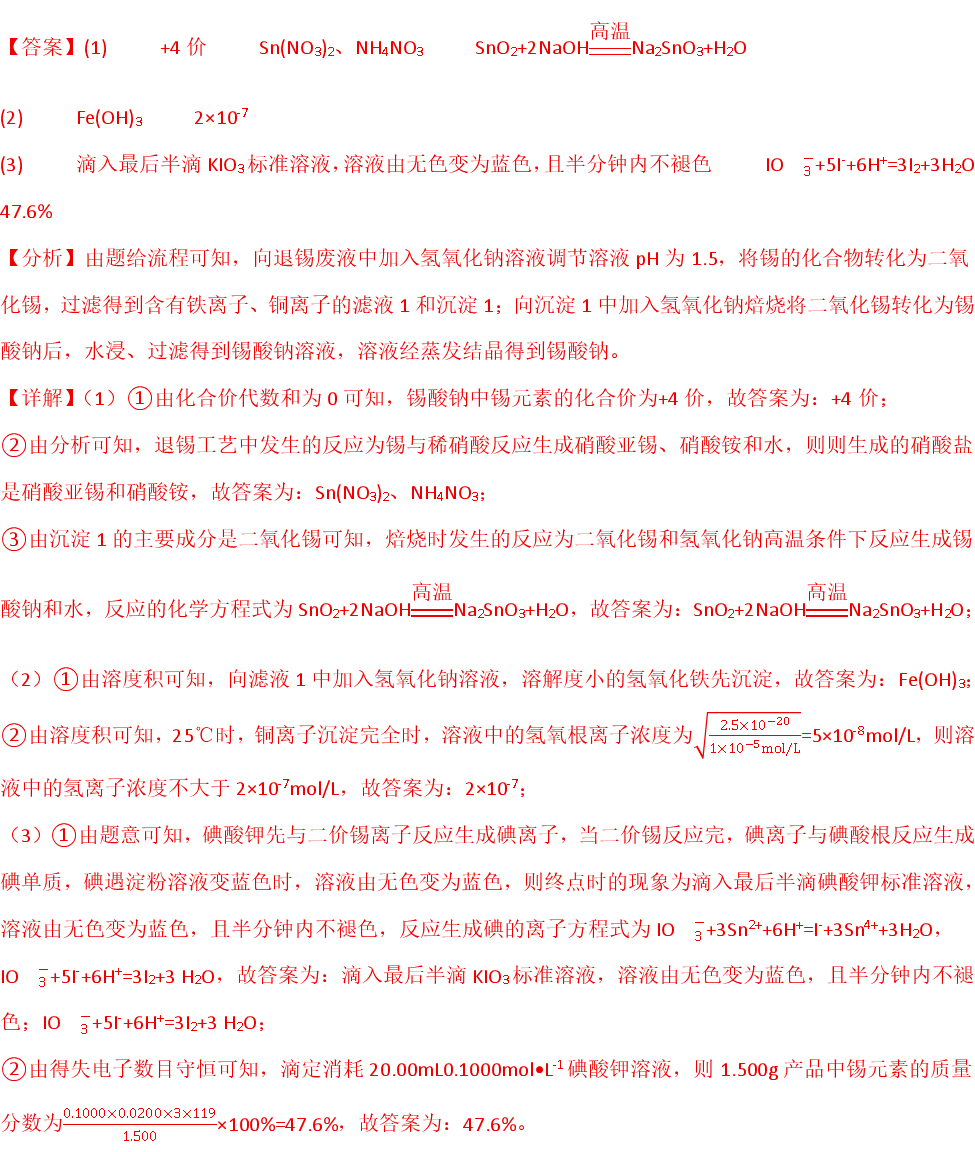
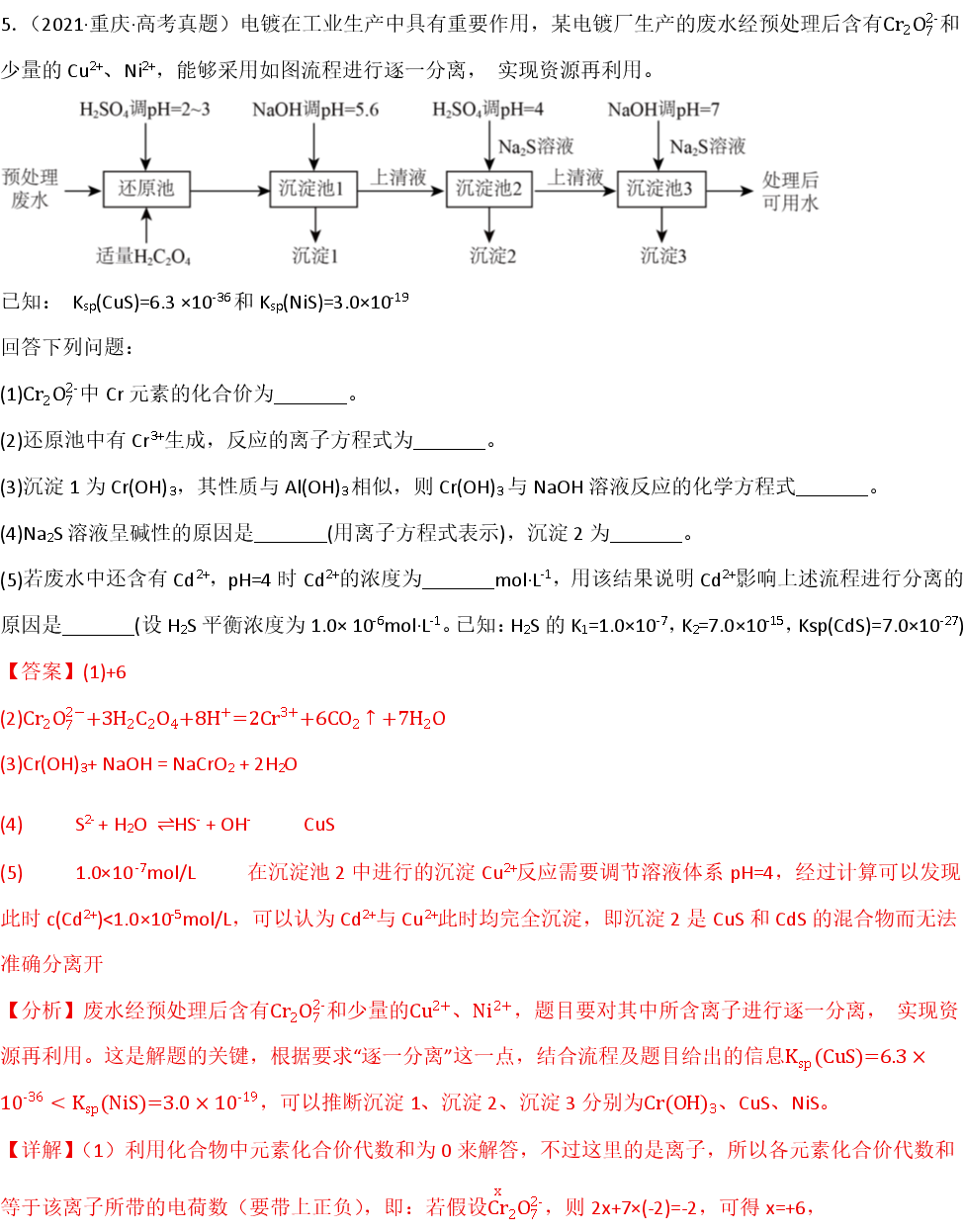
Chemistry of Elements:Se、Ru、Fe、Sn、Cr and other elements’ valence, electron configuration, and compound properties. Reaction Principles: oxidation-reduction reactions, coordination reactions, hydrolysis reactions, and precipitation-dissolution equilibrium. Experimental Operations: titration analysis, precipitation separation, pyrolysis, condensation,pH control, etc. Calculation Skills: mass fraction, concentration calculations,Ksp applications, titration calculations, etc. Information Extraction: extracting key information from flowcharts, charts, and known conditions.
II. Highlights and Challenges of the Questions:
Realistic Context: Each question is based on real industrial processes or analytical methods (such asYS/T standards), enhancing the applicability and scientific nature of the questions. Comprehensive Nature: A single question often involves multiple knowledge points, such as in question1, which includes electron configuration, valence, as well as pyrolysis equilibrium and titration calculations. Implicit Information: Some information must be extracted from flowcharts, known conditions, or charts, testing students’ information integration abilities. Combination of Calculation and Reasoning: For example, in question5, reasoning is required using constants such asKsp andKa, assessing students’ quantitative analysis skills.
Multi-step Reaction Reasoning: For example, in question2, the preparation process of theRu complex requires writing out each step of the reaction. Control of Equilibrium and Rate: For example, in question1, controlling the condensation of the pyrolysis reaction, and in question3, controlling the precipitation withpH. Determining and Calculating Titration Endpoints: For example, in questions3 and4, describing the phenomena at the titration endpoint and calculating mass fractions. Handling Unfamiliar Information: For example, in question2, the electron configuration ofRu and the spatial structure ofNO₂⁻ require students to flexibly apply existing knowledge.
[Download Link]
Files shared via cloud storage: Topic 10 Transformation of Substances and Process Flow (Original Version).pdf and 4 other files
Link:
https://pan.baidu.com/s/1nnc6wlYtKKhXdeFHIlqdsg?pwd=gkhx
Extraction Code: gkhx
Disclaimer:The content is sourced from the internet, public channels such as WeChat official accounts, and we maintain a neutral stance on the views expressed in the text. This article is for reference and communication purposes only.Copyright of the reproduced articles belongs to the original authors and institutions. If there is any infringement, please contact us.