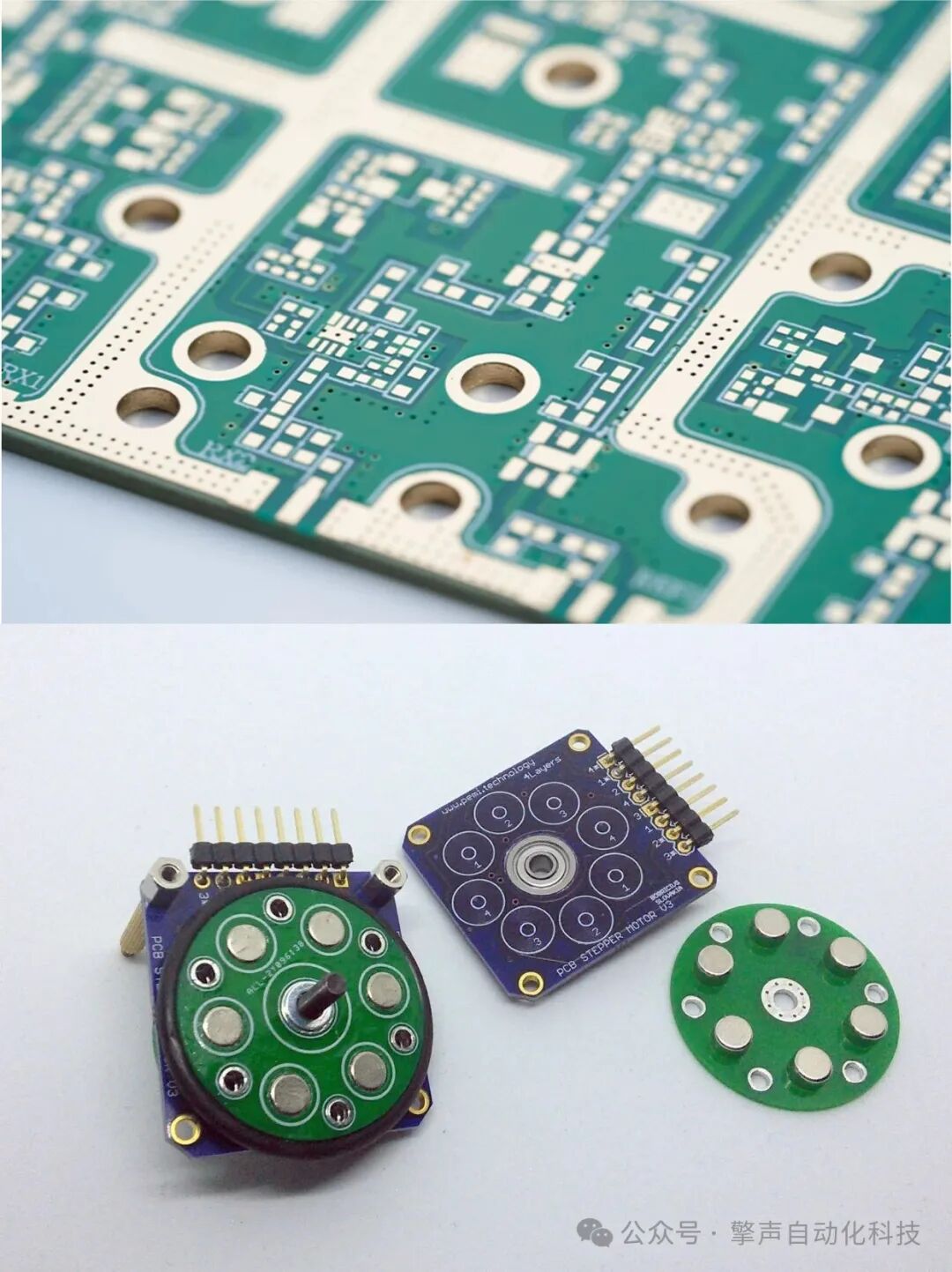
The comparison between PCB motors and APC motors is a topic of great interest among many engineers. A decade of experience has shown that the decision to abandon PCB motors often stems from their obvious shortcomings!
PCB motors suffer from low current density, making it difficult to increase power, and they perform poorly in high-power scenarios. They are relatively bulky and cannot meet the demands of aviation and high-density applications. Additionally, their heat dissipation performance is suboptimal, leading to efficiency drops in high-temperature environments, which can increase corporate electricity costs by 40%.
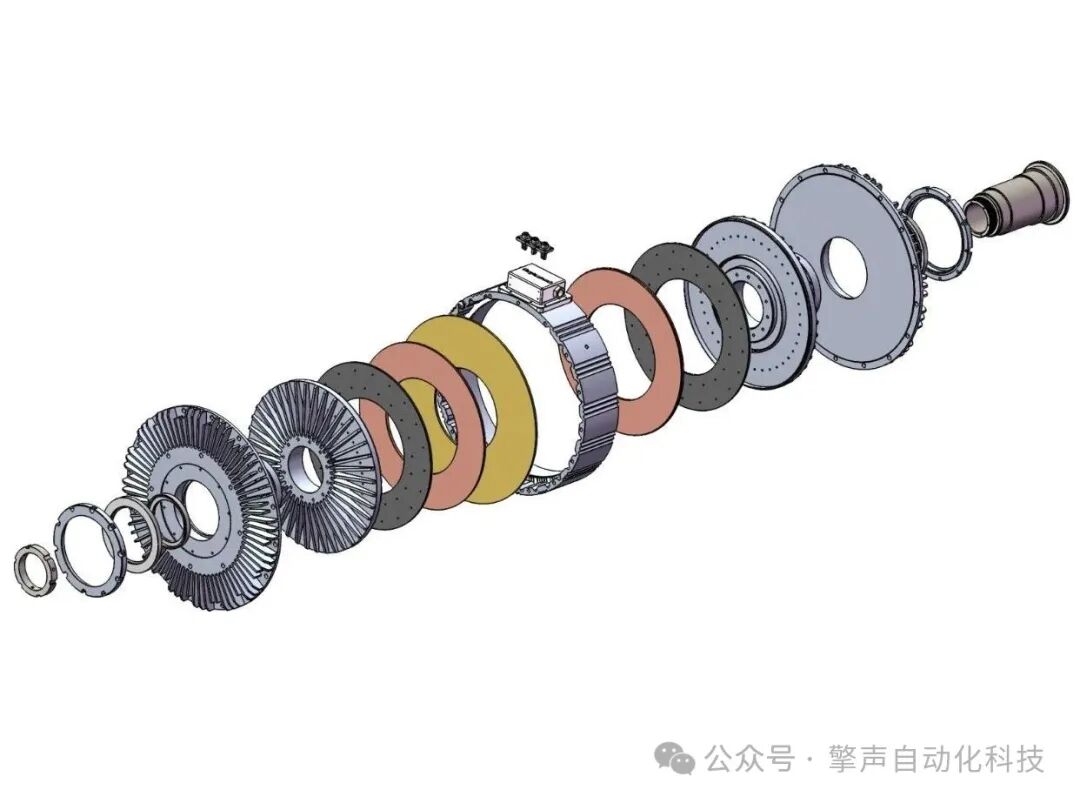
In contrast, APC motors demonstrate significant advantages. Their coreless design allows the motor’s weight to be reduced by half, completely eliminating iron losses and reducing eddy current losses, shrinking the size to one-third of the original and decreasing weight by 50%-60%. The power density reaches 18kW/kg, achieving lighter, thinner, and stronger characteristics. The torque output doubles, allowing for stable operation without downtime. Utilizing copper photolithography technology, energy savings of 32% can be achieved, and electricity costs can be reduced by 40%, with a 45KW motor saving 10,000 yuan in electricity annually.
There is no absolute superiority in technical routes, but choices often determine success or failure.
For professionals in the motor industry, which do you prefer: PCB motors or APC motors? Feel free to share your industry experiences in the comments. Follow us to learn more about cutting-edge motor technologies!