



Community Voices Bi-Monthly Report
Fenghuang Community, Fenghuang Street, Juyexian County
Wutongli Fenghuang Home
(Issue 20)
The Fenghuang Community focuses on the brand “Wutongli, Fenghuang Home” with an emphasis on “residents’ needs and community services,” continuously promoting the construction of embedded service facilities. The all-age services of “Yilin Fenghuang,” “Xixi Fenghuang,” and “Fanglin Fenghuang,” along with the smart assistance of “Fenghuang Home” and the deep governance of “Micro-network Real Estate,” aim to achieve a smooth connection between residents’ needs and community services, truly embedding services into the hearts of the people.
To systematically summarize recent community governance experiences, especially in response to the management shortcomings exposed by the dog attack incident in Jiaxin Community last week, and to strengthen the implementation of safety responsibilities, a risk prevention and control mechanism, the Fenghuang Community organized the 20th “Community Voices Bi-Monthly Report” – a special seminar on property management on the morning of August 26. Property managers from the district, key members of the Jin Fenghuang Mediation Team, and relevant community leaders gathered to conduct in-depth discussions on “event review, legal regulation learning, hazard rectification, and conflict resolution,” aiming to transform the “pain point list” into a practical and effective “action guide.”
At the beginning of the meeting, the community party committee expressed gratitude for the hard work of the property teams in grassroots governance and clearly pointed out the core task of this meeting: to jointly strengthen the community safety defense line through “case analysis, benchmarking regulations, and collaborative strategies.”
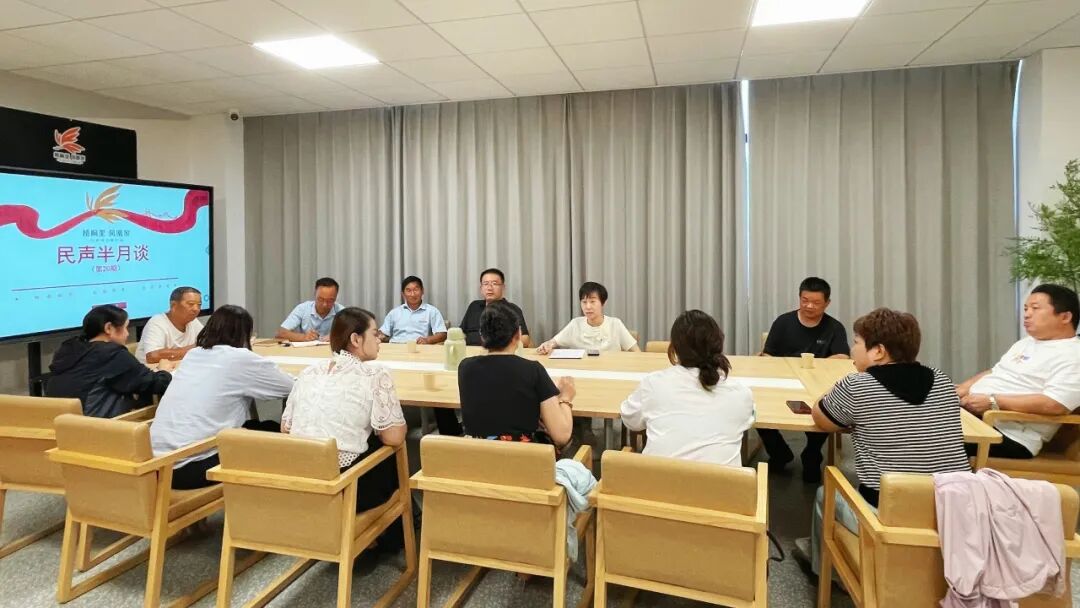
Learning from Cases to Strengthen Property Safety Responsibilities
The first agenda item focused on a deep review of the conflict between pets and residents in Jiaxin Community. The property manager of Jiaxin reported in detail the emergency response process, on-site control measures, coordination of medical treatment for the injured, communication with the involved dog owner, and subsequent dog management rectification plans. The community leader then conducted a profound analysis of the incident, pointing out issues such as insufficient understanding of laws and regulations by some properties, lack of attention to frequent pet-related conflicts, and lax daily management (e.g., inadequate dog registration, supervision of vaccinations, and other responsibilities not being fulfilled).
The community party secretary, Wei Hongtao, emphasized on-site: “Property management is not only a service provider but also a responsible entity for community safety.” Based on Article 1245 of the Civil Code and other relevant regulations, the meeting further clarified the three core responsibilities of property management in pet management and similar incidents. First, in risk prevention, properties should quickly establish and improve pet registration records, require dog owners to sign a civilized pet ownership commitment, and add procedures for patrolling and removing stray animals; second, in emergency response, detailed special plans for animal attacks should be developed, ensuring security personnel are equipped with necessary removal tools, and increasing patrol frequency in key areas such as children’s activity zones and building entrances; third, in supervision and public disclosure, regularly publicize pet management status and safety hazard rectification records in community bulletin boards or owner groups to strengthen residents’ self-management awareness.
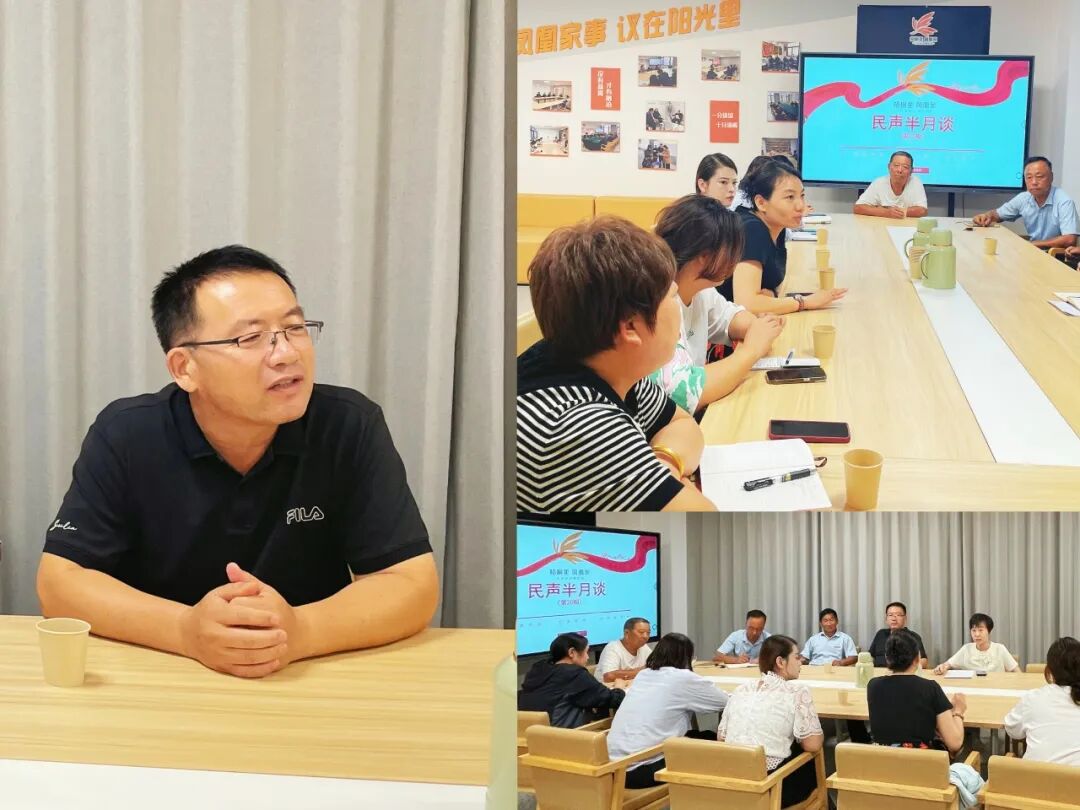
Accurate Assessment to Improve Conflict Resolution Mechanisms
The second agenda item focused on assessing the risks of conflicts and disputes. The meeting reported six typical conflict incidents that occurred in the district this year (involving Hengju, Mingcheng, Dido Phase III, Hengju Beixin Garden, Jiaxin Academy, and Jiaxin Rongfu communities), covering various types such as air conditioning installation, noise disturbances, and conflicts between security and delivery personnel. Each property manager reported the main conflict risk points currently existing in their communities, such as noise disturbances, neighbor infringements, and family disputes, and shared their mediation experiences. Through detailed analysis of these cases, the community clarified the direction for accurately resolving conflicts and improving comprehensive governance levels.
Regarding conflict resolution in communities, the community leader proposed three strengthening requirements. First, early intervention is necessary for initial conflicts such as noise, pets, and neighbor disputes, with properties required to proactively intervene within 24 hours; second, for complex conflicts, the “property-community-police” linkage mechanism should be activated immediately, and if necessary, professional forces such as the “Jin Fenghuang Mediation Team” should be introduced; third, closed-loop management should be established, creating a conflict resolution work ledger, with progress reported daily to the community comprehensive governance center to ensure every issue receives feedback and resolution. Additionally, properties should cooperate with the community to conduct thorough inspections, focusing on disputes related to family, emotions, neighbors, and debts, paying close attention to key individuals and early detection and resolution of potential issues, striving to resolve conflicts at their inception.
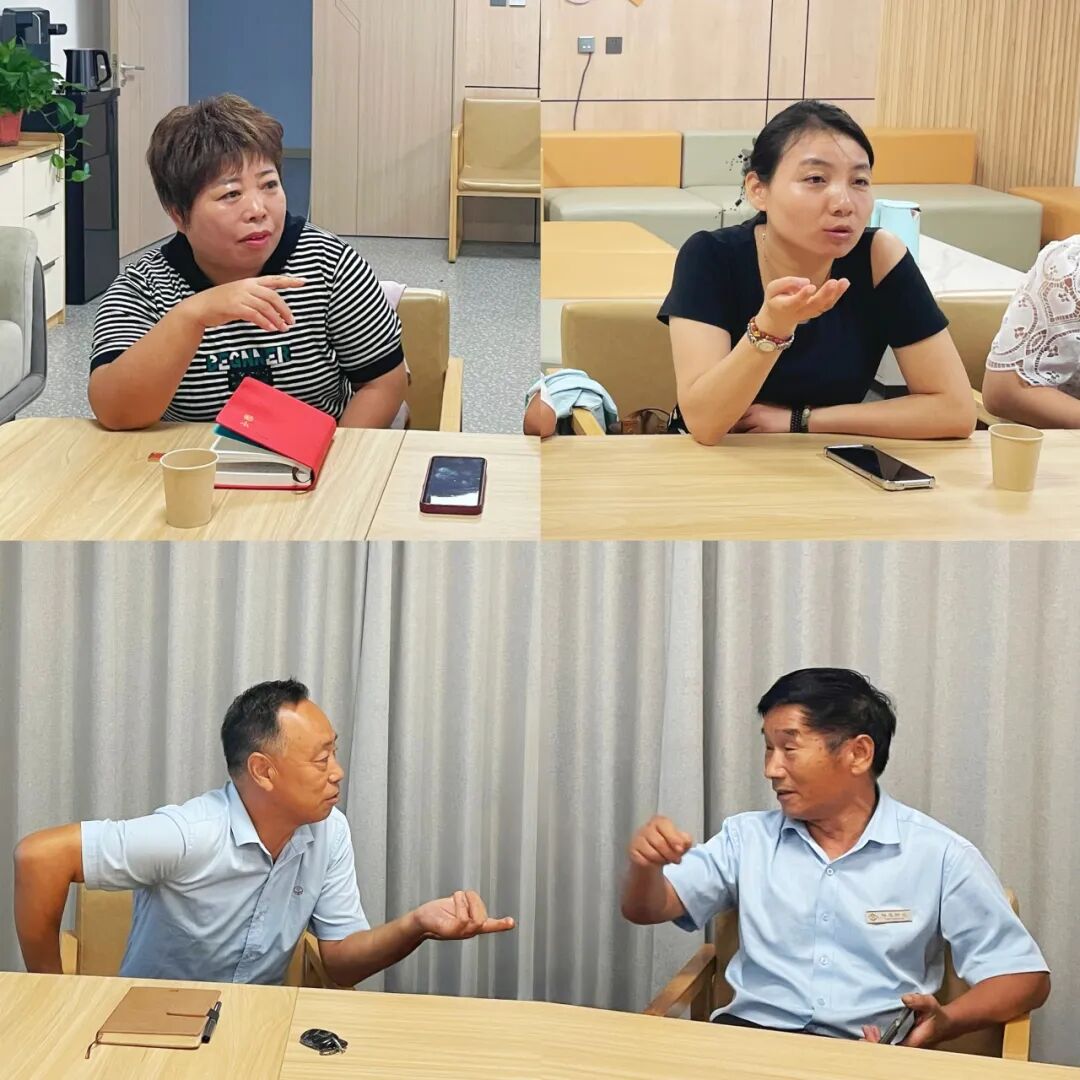
Strengthening Safety Management Foundations
The third agenda item focused on community safety management measures. Each property manager reported on the current allocation of human security (e.g., frequency of security patrols) and technical security (e.g., coverage of surveillance cameras), the results of self-inspections in key areas (elevators, underground garages, children’s play facilities), and the level of improvement in emergency plans for sudden safety incidents.
In response to the common safety hazards, the community leader proposed the following special rectification requirements. First, a special rectification of “electric vehicles going upstairs” to focus on addressing safety hazards such as unauthorized wiring for charging and improper parking of electric bicycles; second, a “life passage” clearance action, requiring daily inspections of hallways to ensure that fire passages are always clear of obstructions; third, a “safe electricity use” publicity and inspection campaign, widely disseminating knowledge and educational videos on safe use of household appliances through owner groups and other channels, with a focus on inspecting safety hazards in the wiring of homes of elderly residents living alone.
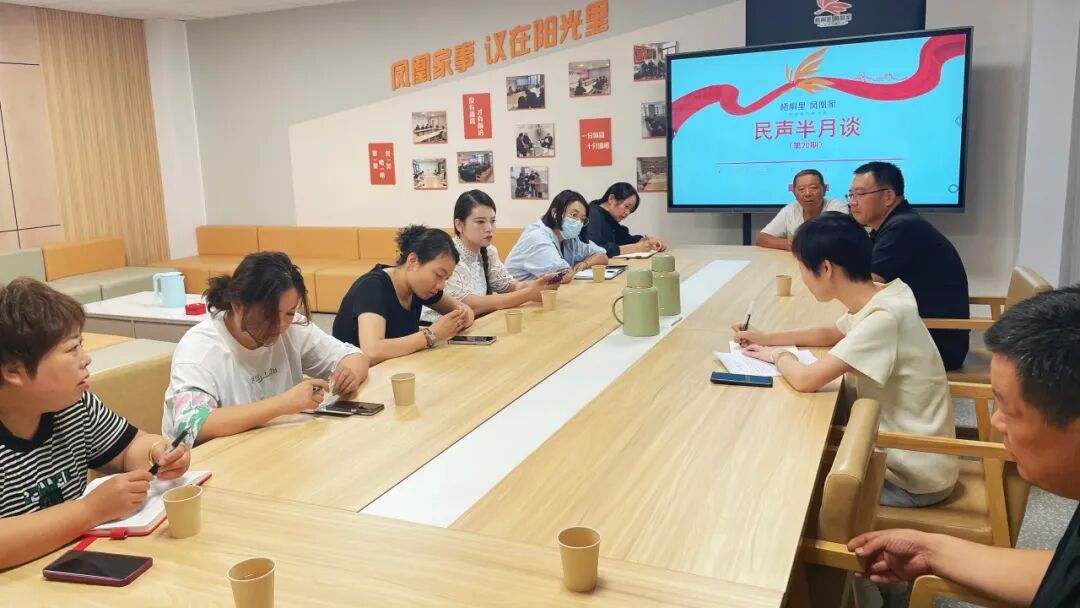
Joint Prevention and Control to Strengthen the First Line of Safety Defense
Community party secretary Wei Hongtao emphasized that this “Community Voices Bi-Monthly Report” is not only a profound safety warning education meeting but also a meeting to promote joint prevention and control, sending a clear signal to all properties: safety is no small matter, and responsibility is heavier than a mountain. All properties must strictly adhere to laws and regulations and service contracts, promptly rectify identified hazards, and proactively resolve potential conflicts. The community party committee will collaborate with the fire brigade and other forces to conduct joint inspections and a series of publicity activities on “fire safety in communities,” effectively strengthening the first line of fire safety defense.
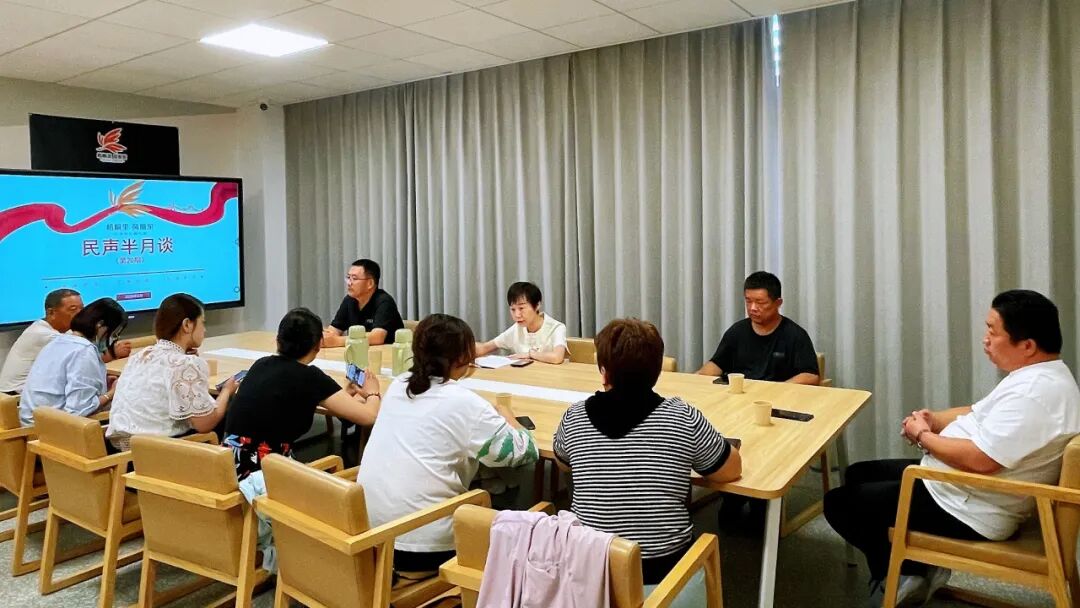
This issue of the “Community Voices Bi-Monthly Report” is problem-oriented, transforming the “pain point list” into an “action guide,” writing a vivid footnote for co-construction, co-governance, and sharing. In the next steps, Fenghuang Community will continue to practice the governance philosophy of “resolving small matters at the building level and co-governing major matters at the community level,” continuously deepening the refined management of “Micro-network Real Estate,” improving the “six-party linkage” collaborative mechanism, and promoting the sinking of various forces into the grid, ensuring responsibilities are pressed to the front line, striving to root the safety defense line deeply and effectively, truly benefiting every community resident, and jointly writing a new chapter in community governance of co-construction, co-governance, and sharing.
Submitted by: Wang Cheng
Initial Review: Wang Yajie
Proofreading: Cao Xu
Review: Kong Yang