Clever Implementation of EtherCAT to PROFINET Protocol Gateway for Photovoltaic Power Plants
In the field of intelligent control for solar photovoltaic power plants, an innovative technology integration solution is gradually revolutionizing the operational model of power stations. This solution integrates Beckhoff PLCs using the EtherCAT protocol with Siemens PLCs using the PROFINET protocol, enabling seamless data exchange between the two heterogeneous protocol systems through the JEMIT JM-ECAT-PN gateway.
The Siemens PLC serves as the core central control system, responsible for comprehensive monitoring and management of the power plant, and interacts with the grid dispatch system to ensure stable grid connection and optimization of energy output. The JEMIT JM-ECAT-PN gateway plays a crucial role in facilitating data exchange between the two systems. As a bridge between EtherCAT and PROFINET networks, this gateway allows for efficient data sharing between the Beckhoff PLC and the Siemens PLC.
The application range of this gateway is extensive, suitable not only for devices such as frequency converters, stepper motors, and servo drives that support the PROFINET interface, but also for seamless integration into automation systems like PLCs, DCS, and FCS. The configuration process is relatively straightforward; users do not need to deeply understand the technical details of PROFINET and EtherCAT, as they can complete the gateway connection function in a short time by following the manual for basic configuration.
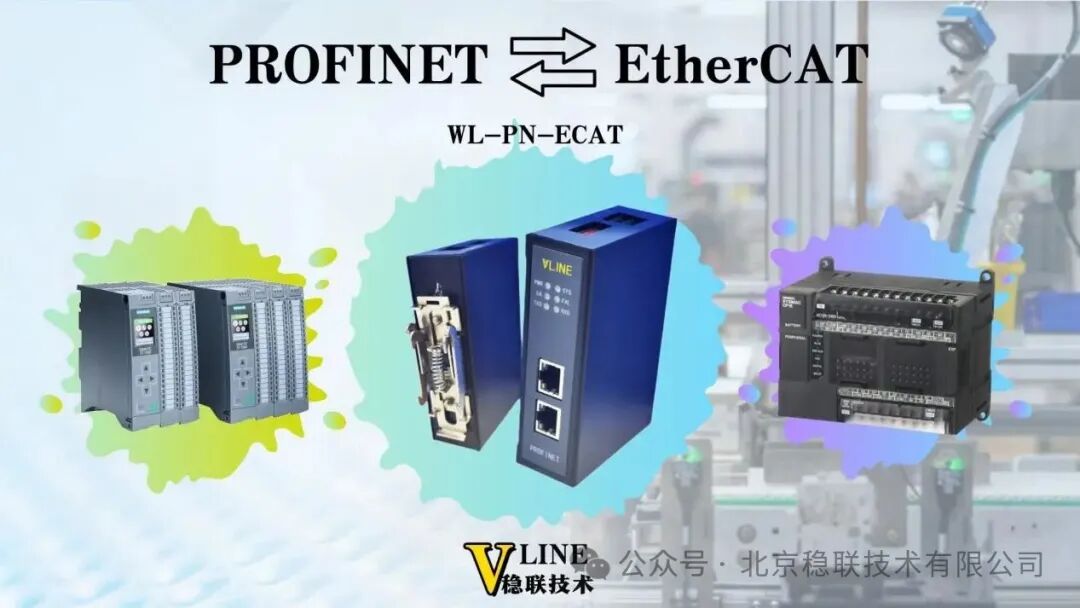
In terms of technical performance specifications, the JM-ECAT-PN gateway acts as a slave device on the EtherCAT protocol side, capable of handling up to 512 bytes of data input and output; on the PROFINET protocol side, the gateway also acts as a slave device, supporting up to 16 slots, with a maximum data input and output byte count of 1440 bytes. Additionally, the gateway has a power supply capability of 24VDC (±5%), with a maximum power consumption of 3.5W, and can maintain stable operation in an environmental temperature range of -25℃ to 55℃ and relative humidity not exceeding 95%.
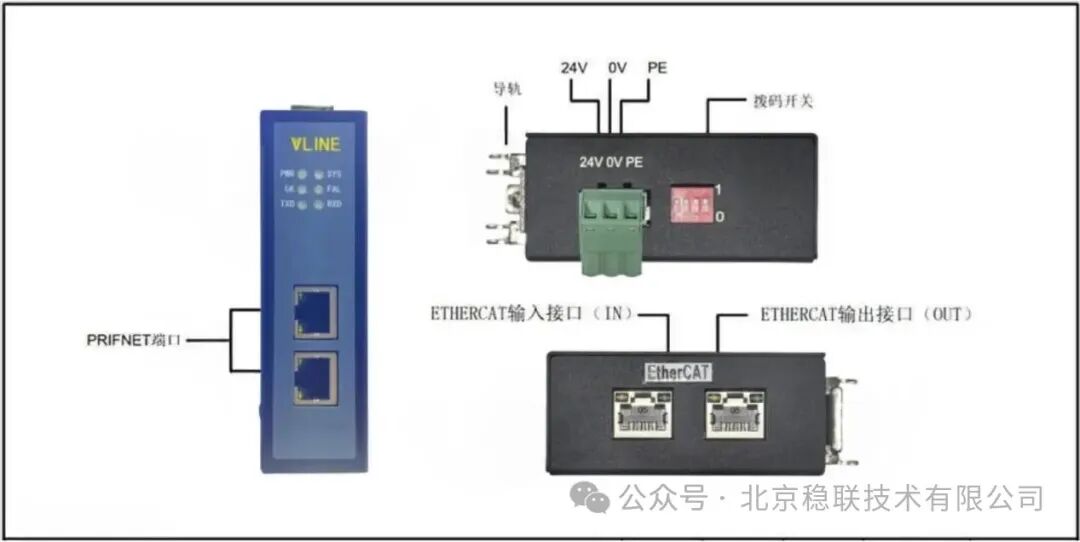
In practical applications, the EtherCAT port of the gateway connects to the Beckhoff PLC device to receive operational data from photovoltaic devices; its PROFINET port connects to the Siemens PLC device, responsible for transmitting data to the central control system. The configuration process is relatively simplified: add the gateway device in the PROFINET configuration software of the Siemens PLC and configure the relevant parameters; in the EtherCAT configuration environment of the Beckhoff PLC, set parameters such as the gateway’s station address to establish communication connection.
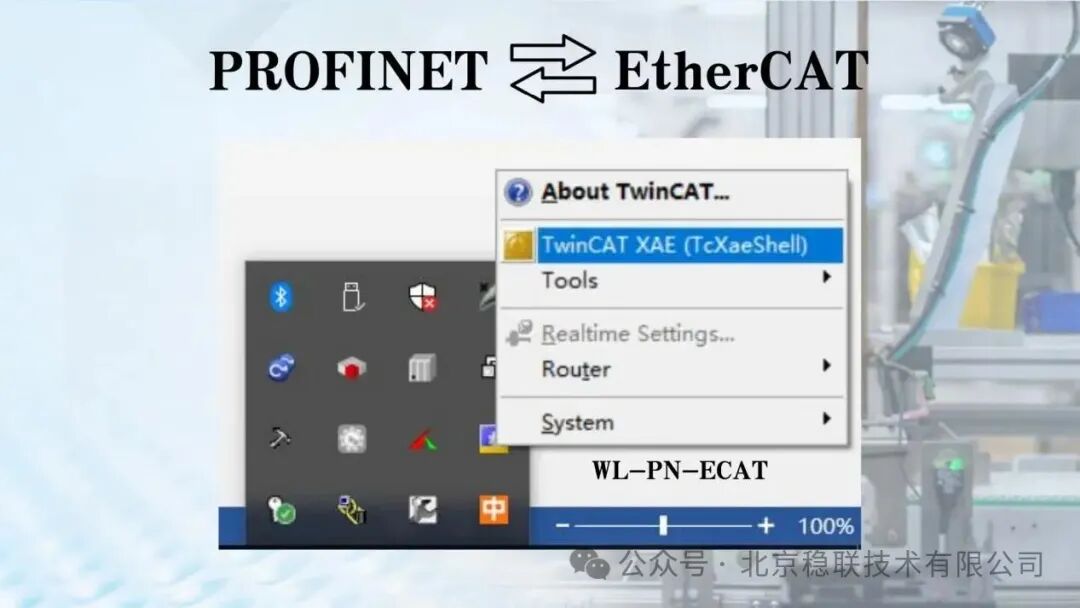
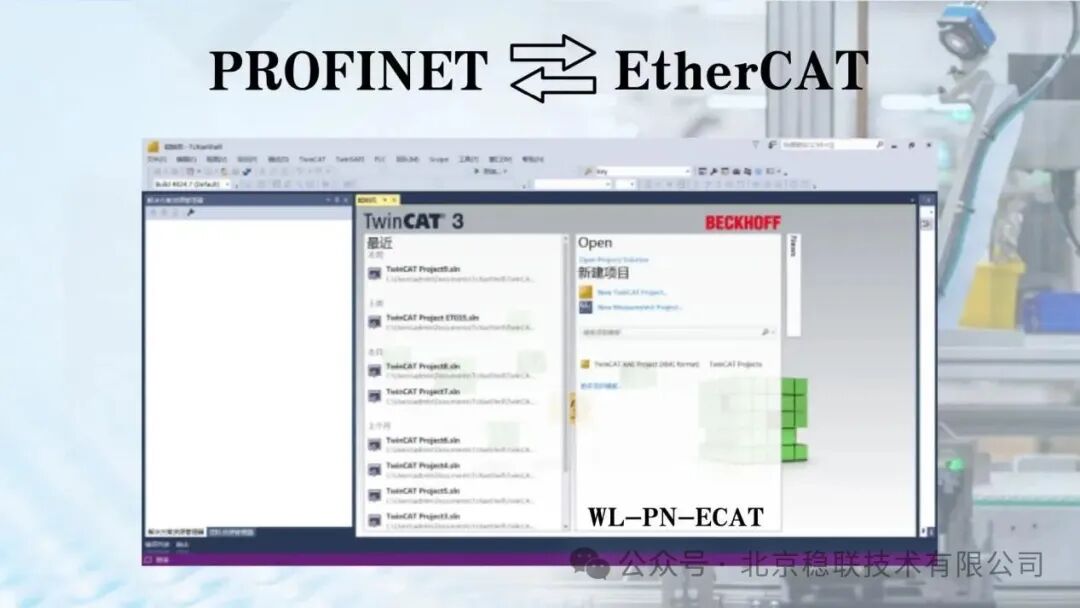
When detailing the configuration process, the following steps must be executed in order: first, import the XML format file; second, create a new project; next, install the EtherCAT master card driver; and finally, perform a scan of the slave devices. By following this series of operational steps, users can effectively integrate the JM-ECAT-PN gateway into the existing automation system architecture, thereby achieving data exchange functionality between programmable logic controllers (PLCs) of different protocols.
This technology integration solution significantly enhances the operational efficiency and stability of photovoltaic power systems. The Siemens programmable logic controller (PLC) has the capability to collect real-time operational data from key devices such as photovoltaic panels and inverters, and can perform deep analysis and processing of the collected data, enabling remote monitoring and management of the power plant. For example, when detecting abnormal output power from a specific group of photovoltaic panels, the system can quickly respond by adjusting related devices through the Beckhoff PLC or issuing alarm signals, effectively avoiding potential operational risks.
With the continuous advancement of technology and the growing demand for green energy, this innovative solution is expected to be applied in a wider range of photovoltaic power systems, playing an important role in promoting the development of the green energy industry.