In August 2025, Antarctic Bear learned that Beehive Industries, a U.S. propulsion system manufacturer, has launched the Rampart engine, a fully 3D printed propulsion system developed specifically for use within the Collaborative Combat Aircraft (CCA) framework.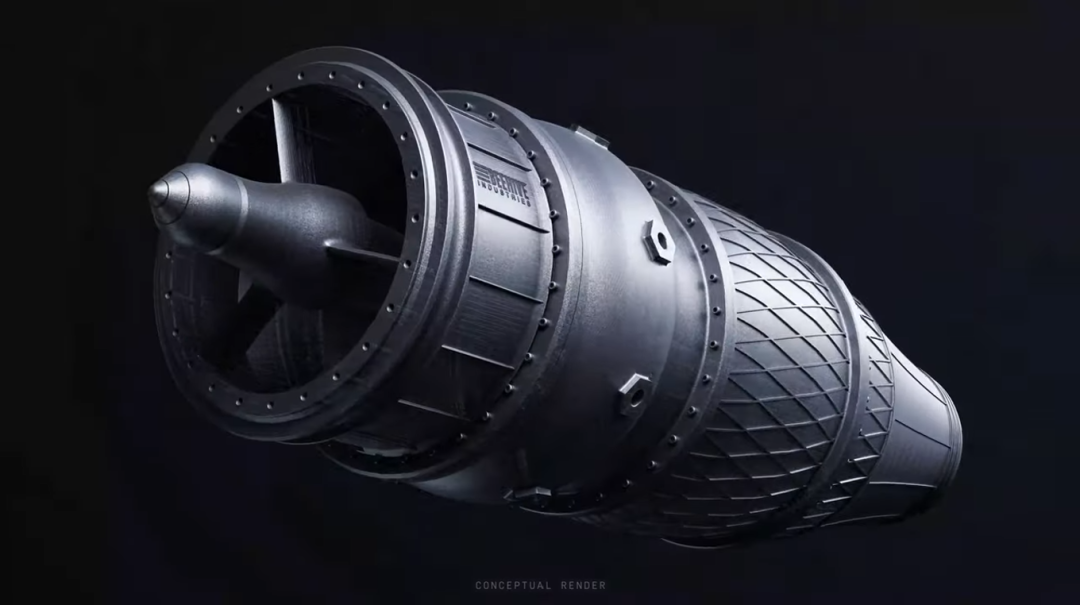
△Rampart, a 3D printed engine for unmanned combat aircraft. Image courtesy of Beehive Industries.
This engine, nicknamed the “Power Multiplier,” is designed for unmanned aerial vehicles (UAVs) to operate in conjunction with manned fighter aircraft in high-threat environments. It supports various mission types, including strike operations, intelligence surveillance, decoy deployment, and logistical support.
The purpose of the “Rampart” project is to expand the operational flexibility of the Air Force by enabling drones to undertake higher-risk or more complex missions. This aims to alleviate the burden on manned aircraft and promote a more adaptable and distributed force structure.
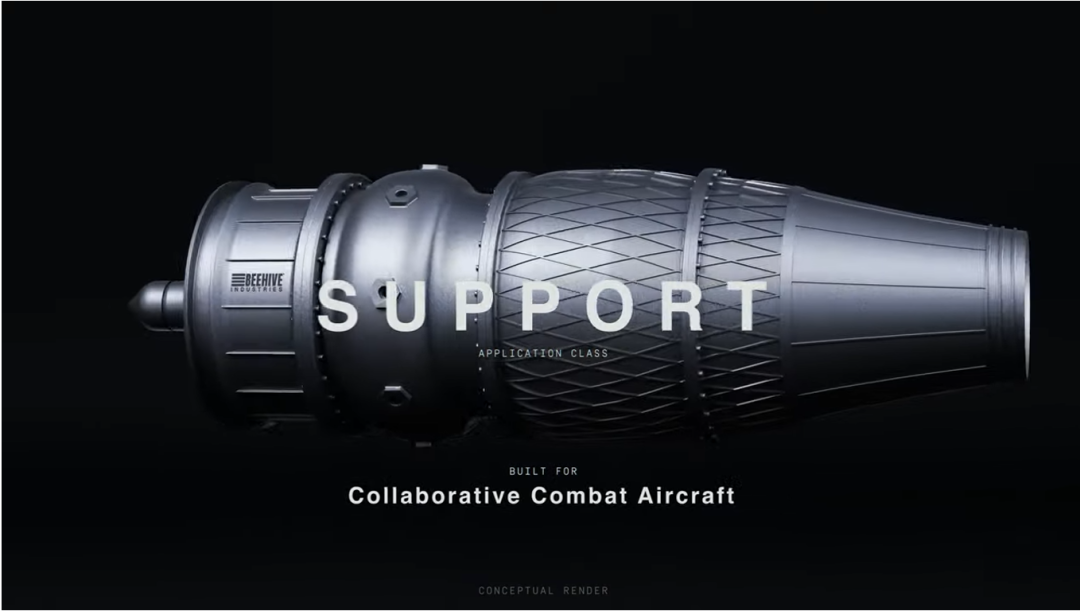
Design, Manufacturing, and Operational Capabilities
The Rampart is manufactured using additive manufacturing technology, eliminating the need for traditional processes such as casting, mold making, and sourcing long lead-time components. This digital-first approach aims to streamline production processes, reduce costs, and respond more quickly to changing operational demands. This manufacturing model also enhances supply chain flexibility by reducing reliance on complex or outsourced parts.
The engine is designed to provide stable performance under various harsh conditions. It can extend operational range and increase endurance, allowing drones to fly longer distances and remain airborne for extended periods. Its powerful thrust capability supports carrying specific mission payloads, such as advanced sensors, decoy systems, or logistical equipment. Durability is a core design feature; UAVs equipped with the Rampart engine can maintain normal operations even when exposed to enemy fire or harsh environments.
The “Rampart” system is entirely produced within the United States, thereby strengthening domestic control over critical propulsion technologies. This move aims to enhance national defense infrastructure by improving supply chain security and reducing reliance on foreign manufacturing for critical components.
Expanding the Role of 3D Printing in Drone Development
In addition to Beehive Industries, several other organizations are integrating 3D printing technology into their drone projects. Recently, the 432nd Wing at Creech Air Force Base announced that it has integrated the Bambu Lab X1 Carbon FDM 3D printer into the maintenance training of the MQ-9 Reaper drone. This enables on-site production of spare parts, significantly reducing costs (for example, a part that originally cost $10,000 now costs only $15) and minimizing downtime. As a result, maintenance personnel can train more effectively and keep unmanned combat aircraft operational without excessive reliance on external supply chains, making repairs faster and more efficient.
Additionally, Firestorm Labs has signed a five-year, $100 million indefinite delivery/indefinite quantity (IDIQ) contract with the U.S. Air Force for the development and supply of modular unmanned aircraft systems (UAS). The agreement allows the Air Force to issue multiple orders over five years, with fulfillment periods extending up to 24 months after the final order is placed.
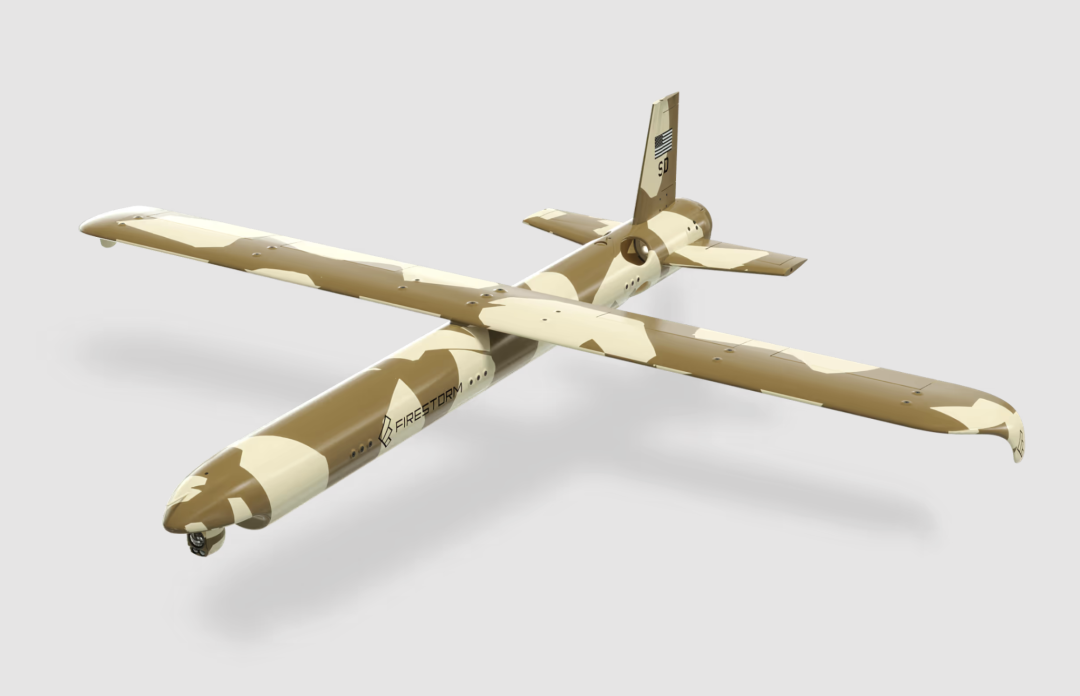
△Firestorm Labs’ Tempest drone. Image courtesy of Firestorm Labs.
Firestorm focuses on Class 1-3 unmanned aircraft systems for intelligence, surveillance, reconnaissance (ISR), and tactical support, utilizing 3D printing technology for rapid localized production of drone components. This approach reportedly reduces reliance on centralized factories and enhances adaptability in contested environments.
Report: 3D Printing Drone Market Explodes, Especially for War DronesCost Difference of 1000 Times, Ukraine Replaces “Patriot” Missile Interceptors with 3D Printed DronesSuicide Drones Have Entered Mass Production with Metal 3D Printed Micro Turbine Engines, Reducing Parts from 61 to 1, Missile Applications Also in High Demand