
Editor: Tang Zijing
Mind Map: Gu Yanli
-First published on: Robo Insight (www.roboinsight.news)-
Located near the historic city of Goslar in Germany, a large industrial park receives a continuous influx of discarded electronic products every day. This facility, named Electrocycling GmbH, is one of the largest electronic waste recycling centers in Europe, processing up to 80,000 tons of electronic waste annually, including devices of various shapes and sizes. However, despite the assistance of precision machinery, the facility still relies heavily on manual labor for a significant portion of the recycling preparation work, which is the most labor-intensive part of electronic waste recycling.
A large number of Electrocycling employees manually sort and dismantle these electronic wastes day in and day out, especially when it comes to removing hazardous lithium batteries. Due to the fire risk posed by lithium batteries and their complex designs (for example, some batteries are permanently installed, soldered, or glued inside devices), the disassembly process is both tedious and poses safety hazards. “Devices are getting smaller, and most contain lithium batteries,” said Hannes Fröhlich, the general manager of Electrocycling. “Dismantling these devices every day with hammers and pliers is not an ideal job. I believe we can do better.”
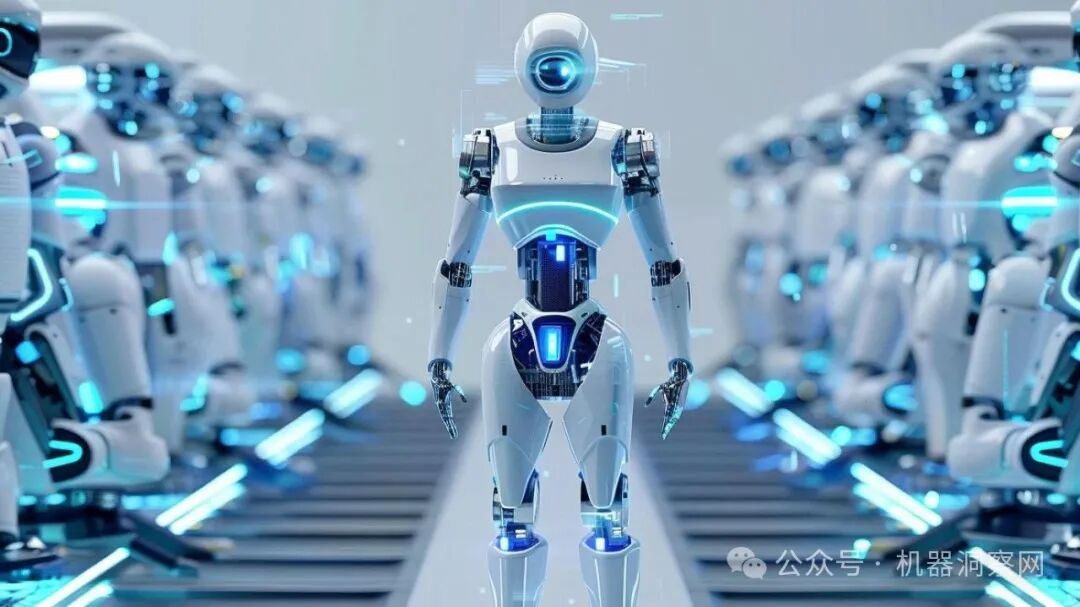
Although robots can handle some disassembly tasks, the frequent changes in device designs and complex processes mean that robots need to readjust their hardware and software, which undoubtedly increases costs and time burdens.
To address these challenges, a research project funded by the EU called “ReconCycle” has emerged. This project is a collaboration among researchers from Slovenia, Germany, and Italy, led by the Jožef Stefan Institute in Slovenia. From 2020 to 2024, the research team is developing an AI-based adaptive robot capable of automatically disassembling lithium batteries from common electronic devices such as smoke detectors and radiator heat meters.
Dr. Aleš Ude, head of the Automation, Biocontrol, and Robotics Department at the Jožef Stefan Institute, stated: “The complexity of electronic waste lies in the diverse designs even among the same type of products, such as the many different models of remote controls available on the market, which pose challenges for traditional industrial robots.” The team’s goal is to develop robots that can adapt to various task changes using AI and apply them in areas where robots are not yet widely used.
The research team collaborated with Electrocycling to design a system called the “Adaptive Robotic Work Unit.” This system integrates robots, tools, controllers, and complex AI-driven software that can automatically adjust according to different task requirements. Additionally, the modular hardware design allows for quick component replacement, significantly reducing the time cost of equipment adjustments.
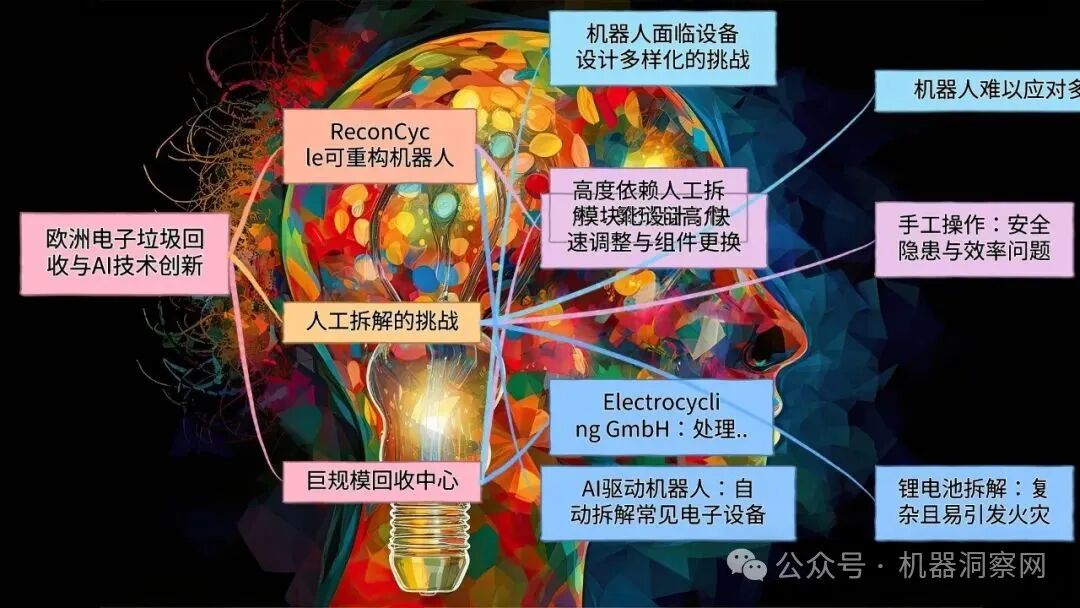
Innovations also include the integration of a soft robotic hand (SoftHand), which can precisely mimic human operations, enabling the robot to efficiently handle items of various shapes and materials. Furthermore, safety is a crucial consideration in the design, with features such as collaborative robots and emergency stop buttons ensuring safe human-robot collaboration.
Ude pointed out that the success of this international collaboration relies on multidisciplinary support. “Robotics is a highly interdisciplinary field, and finding the right international partners is crucial.”
The rapid growth of global electronic waste highlights the urgency of this research. EU data shows that each person generates about 11 kilograms of electronic waste annually, but the recycling rate is below 40%. According to UN statistics, the total global electronic waste reached 62 million tons in 2022, enough to fill 150,000 40-ton trucks. The growth rate of electronic waste far outpaces the increase in recycling efficiency: the growth rate of electronic waste is five times that of recycling efficiency.
To address this crisis, the EU has implemented the Waste Electrical and Electronic Equipment Directive (WEEE Directive), which sets mandatory recycling standards. Additionally, this research aligns with the EU’s digital strategy for achieving climate neutrality by 2050, promoting green transformation through AI and efficiency improvements.

The electronic waste problem is not only an environmental issue but also has significant economic implications. According to UN estimates, the global economic loss due to unrecovered valuable metals such as copper, iron, and gold amounts to as much as $84 billion annually. In the Electrocycling facility, 80% of electronic waste is successfully recycled into raw materials such as iron, zinc, gold, silver, and palladium, covering up to 35 types of reusable materials. Fröhlich noted: “People need to realize that this is not just waste; it is also valuable raw materials. Recycling can enhance economic efficiency while reducing carbon emissions.”
The new AI-driven recycling technology brings significant advancements. He added: “I am amazed at the level of development in AI and robotics; they can even replicate human hand movements.”
Ude hopes to further collaborate with Electrocycling in continuously improving electronic waste recycling technology. Moreover, this adaptable robot is expected to extend to other fields, such as home organization and elderly care. “Robotics can provide tremendous assistance in these areas,” Ude emphasized.
As the global electronic waste problem becomes increasingly severe, this breakthrough technological innovation undoubtedly marks an important step towards shaping a more environmentally friendly and intelligent recycling industry in the future.
[Produced by Robo Insight] [Electronic Waste Recycling] [AI Robotics Technology] [Green Environmental Protection and Sustainable Development] [Lithium Battery Safe Disassembly] [Liu Zhiyong Channel] [True Machine Intelligence] [Machine Intelligence Agent] [Robo Insight] [AI Star Network] [Venture High-Tech Network] [Tiger Finance Network] [Silicon-Based Science Network] [Humanoid Era Network] [Golden Advertising Space]
📚 【Premium Resources】 Follow the “Robo Insight WeChat Official Account” to get the complete version of “Liu Zhiyong Channel Volume 5” for free.