Editor’s Note: The 20th National Congress of the Communist Party emphasized that education, technology, and talent are the foundational and strategic support for Chinese-style modernization. Achieving high-level technological self-reliance ultimately depends on high-level innovative talent. The Science Popularization Department of the China Association for Science and Technology, in collaboration with Guangming Online, launched the “Science for the Nation at the Right Time” column to interpret the setup of technology-related disciplines in universities and talent training models, guiding young people to integrate their personal ideals into the great cause of national development, continuing the tradition of scientific contribution to the nation, and solidifying the foundation of technological innovation.#Millions of IPs Creating Science PopularizationIn recent years, China’s artificial intelligence industry has developed rapidly.The AI majorhas become one of the most popular majors in universities.According to 2024 data,there is a shortage of over 5 million AI professionals in China,with a supply-demand ratio of 1:10.The demand for professionals in related fields is extremely urgent.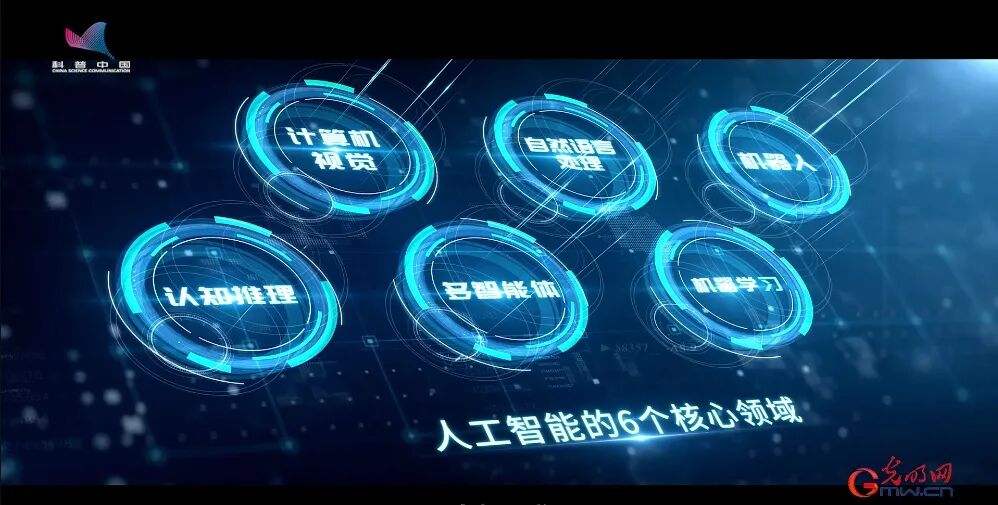 Assistant Professor Zhu Yixin from Peking University’s Institute of Artificial Intelligence introduced thatthe AI major mainly coverscomputer vision, natural language processing, robotics,cognitive reasoning, multi-agent systems, and machine learning,the six core areas of AI courses.In addition to core areas,it can also empower other disciplines in interdisciplinary fields.Peking University’s General Artificial Intelligence Experimental Classhas designed a diversified path,allowing students to freely choose “AI + Humanities,” “AI + Social Sciences,” “AI + Law,”“AI + Security,” “AI + Ancient Texts,” and other integration directionswith even students learning Sanskrit joiningin hopes of using AI technology to unravel the mysteries of language evolution.
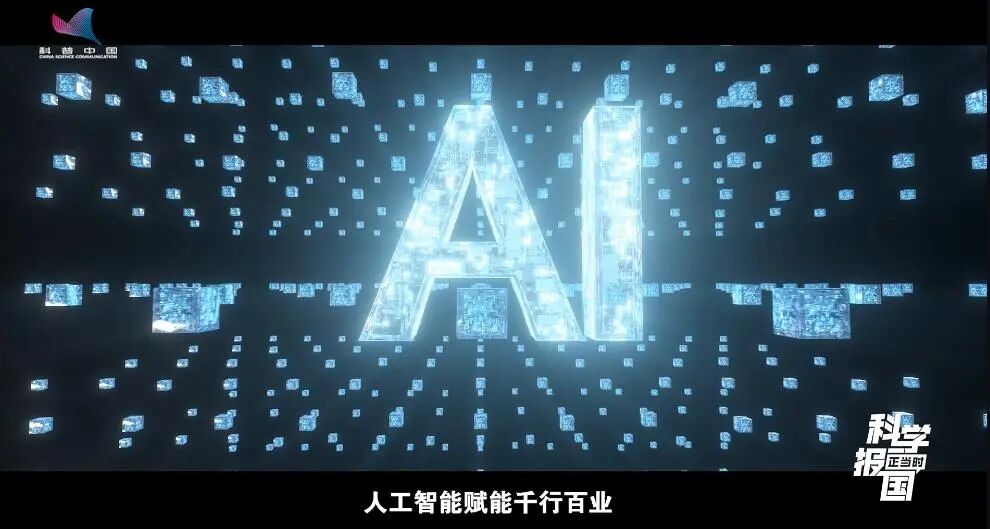 This confirms that AI is far more than just robotics;it is deeply integrating with various industries,helping to solve scientific problemsand nurturing new possibilities.
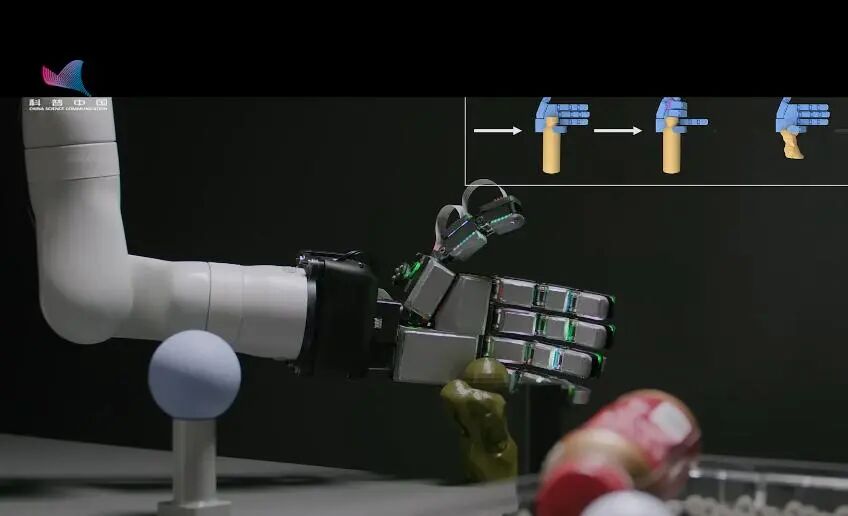 Recently,the team led by Zhu Yixin,in collaboration with teams from the Beijing General Artificial Intelligence Research Institute,developed the world’s firstrobotic bionic hand with full hand high-resolution tactile perceptionand complete motion capabilities—the F-TAC Hand.This achievement was published on June 9in the prestigious international academic journal Nature Machine Intelligence.This breakthrough significantly enhances the adaptability of robotsin grasping and operating in complex environments,which is of great significance for promoting independent innovation in domestic robotics.
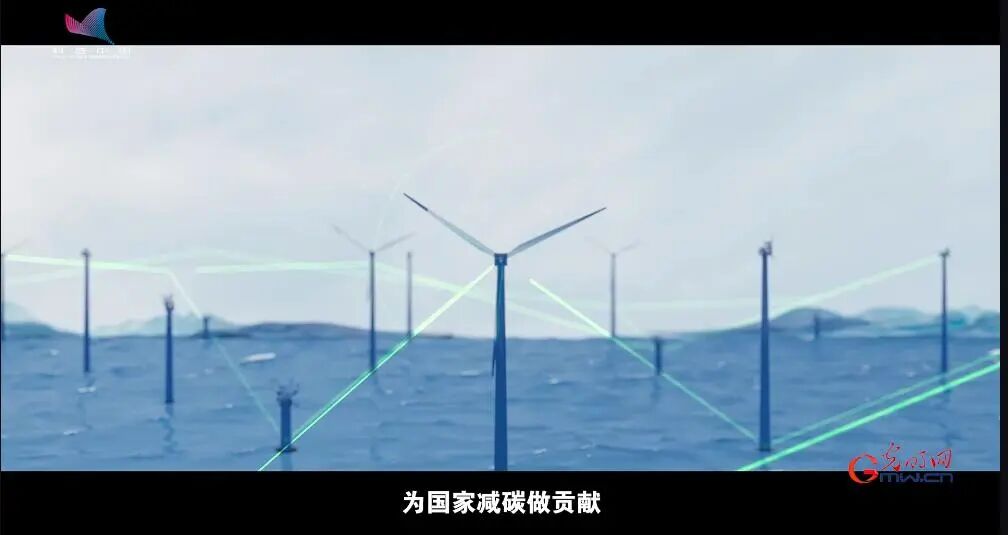 AI can also serve applications in vertical fields.For example, the power prediction model developed by the teamprovides precise data support for the national “dual carbon” strategy.
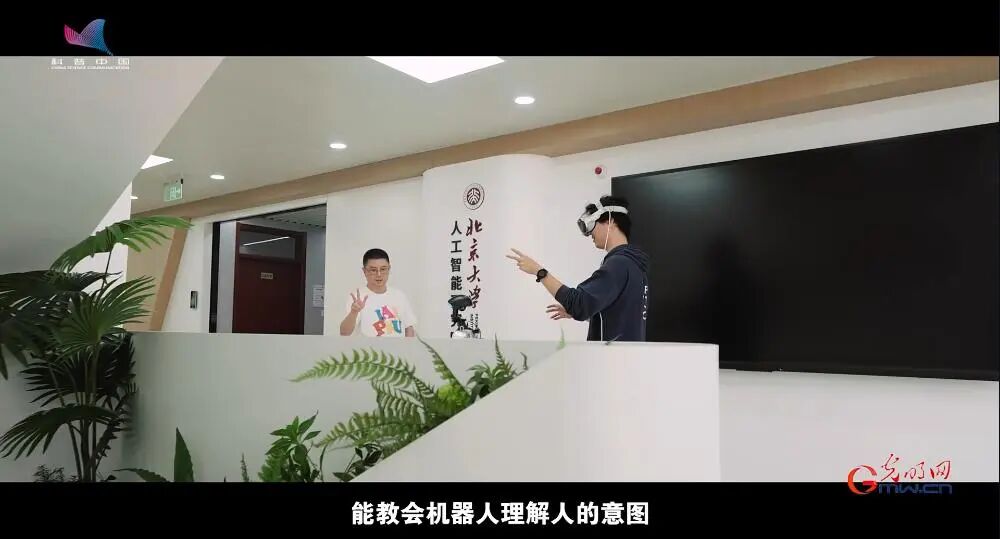 When asked how he chose to research in the field of artificial intelligence,Zhu Yixin recalledthat upon graduating with his master’s degree, he received an offer with an annual salary of nearly one million dollars,but was attracted by the content of Professor Zhu Songchun’s laboratory,wanting to challenge deeper scientific problems.Starting from writing simple annotation tools,he gradually delved into the field of cognitive reasoning,committed to teaching machines to understand tools and human intentions,aligning machine value with human needsto better serve humanity.Zhu Yixin expressed thatwhen we were pursuing our PhDs,there were no AI majors globally.Everyone’s background was diverse—computer science, mathematics, statistics, psychology, mechanical engineering, electronics, etc.Yet, we all converged in the AI field.In 2020, his mentor Zhu Songchun resigned from his overseas teaching position to return to China to teach.With the support of the school leadership,Professor Zhu Songchun led the establishment of the General Artificial Intelligence Experimental Classin collaboration with the Institute of Artificial Intelligence and Yuanpei College at Peking University,formulating a forward-looking training program for AI professionals.
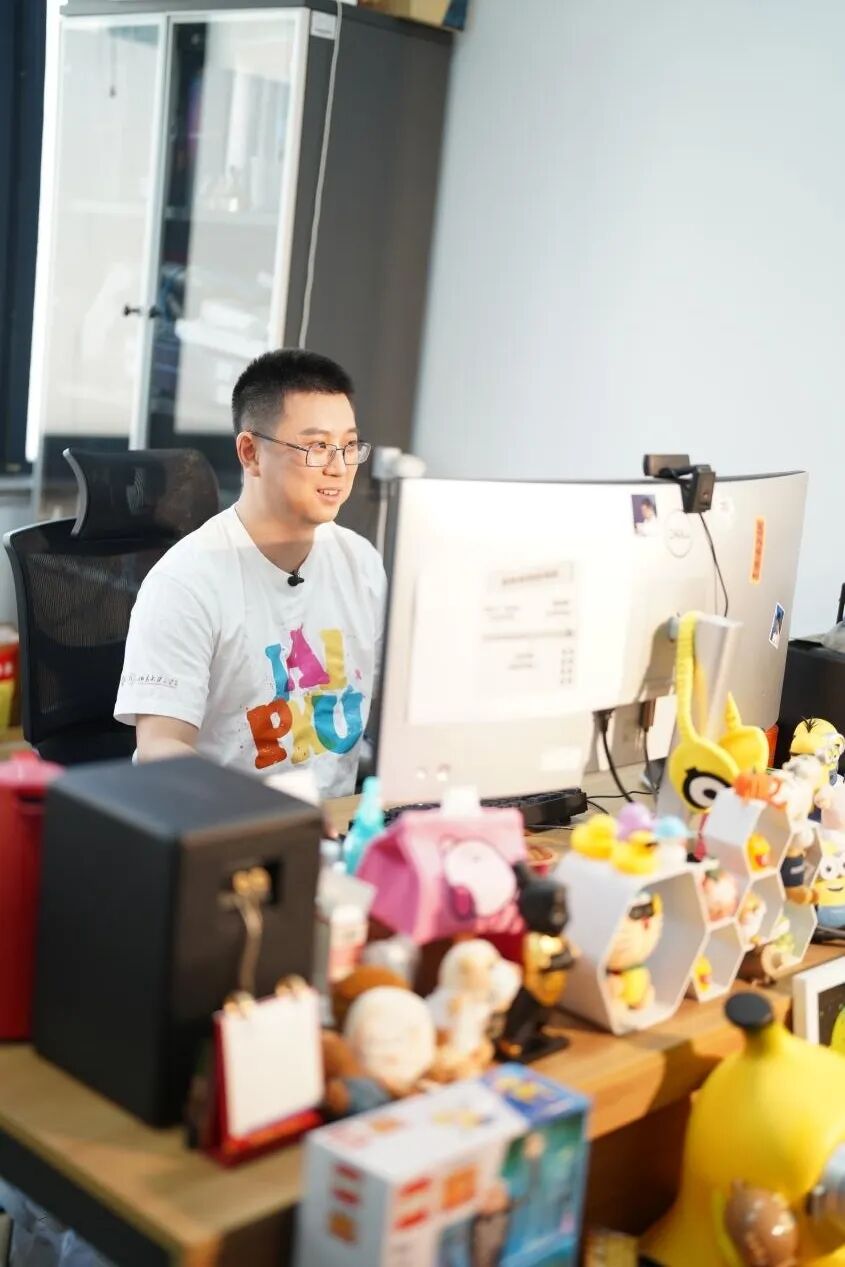 He stated thatthe most fulfilling thing he has done since returning to China is“AI talent cultivation,”and he hopes that more talents will join the field of artificial intelligence in the futureto further enhance the innovation capabilityand core competitiveness of this field,empowering the development of various industries.
 Produced byYang GuSupervised bySong Leyong, Zhan ZhaoGeneral Planning bySong Yajuan, Cai LinReporters/DirectorsWang Ruoxin, Cai LinCoordinated byZhang RongSpecial Thanks toPeking UniversityCo-produced byChina Association for Science and Technology, Guangming Online
 Editors: Yue PeiEditors: Li Jiaqi, Xing Kaixuan (Intern)Source: Guangming Online