Core training has always been a hot topic in the fields of sports and fitness, as it lays a solid foundation for strength, explosiveness, speed, and flexibility training. Among various core training methods, the squat sequence is designed based on the squat movement. This sequence is most beneficial for athletes in sports such as swimming, climbing, volleyball, Olympic weightlifting, golf, rowing, American football, snowboarding, skiing, and baseball, as it enhances core stability and coordination, thereby improving athletic performance.
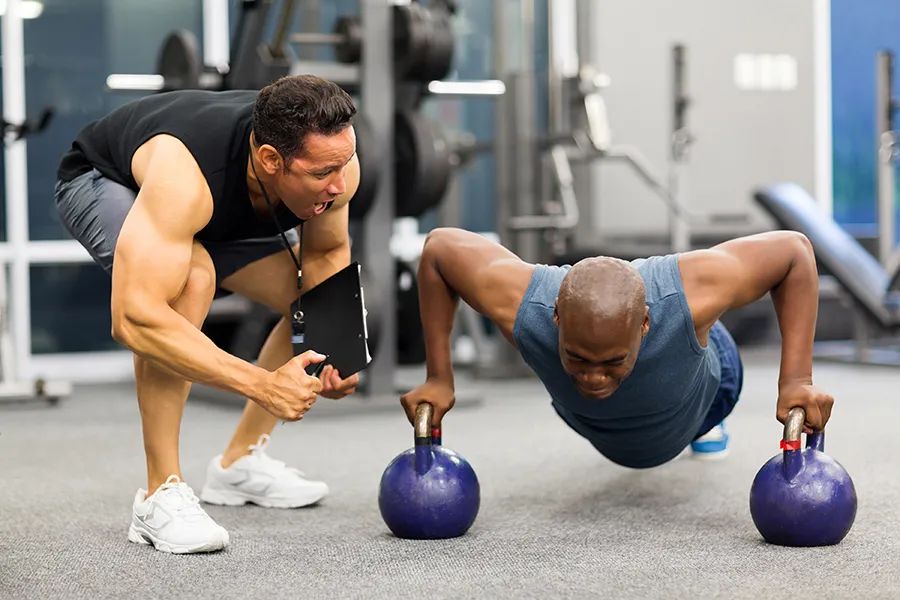
Here, we introduce a squat sequence from Gray Cook, the founder of FMS Functional Movement Screening, as presented in his book “Movement: Functional Movement Systems”, to help you build a stronger and more stable core.
If you do not have a core board, you can stand on the ground or use a step or box as a substitute.
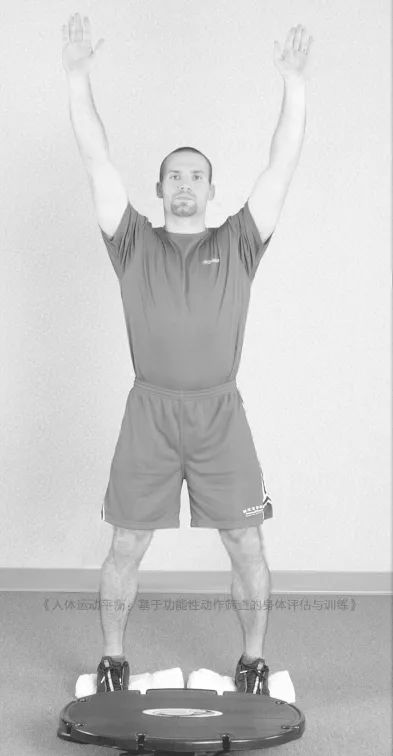
Stand with your feet slightly wider than shoulder-width apart, about one foot away from the core board. If needed, place a rolled towel under your heels. Extend your arms towards the ceiling, engage your core, and elongate your body as much as possible.
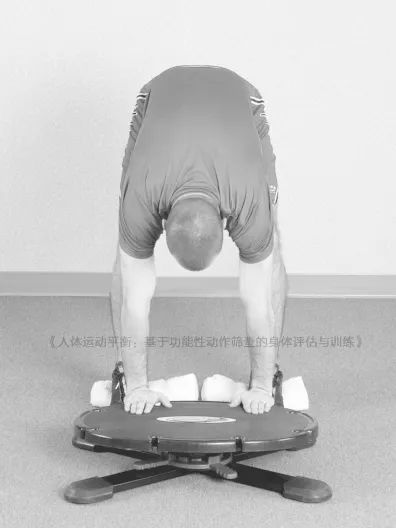
Bend forward at the hips, placing your hands on either end of the core board, keeping your knees as straight as possible without hyperextending. Allow your spine to comfortably flex forward, pressing down on the core board to tilt it towards you; this is the forward flexion position.
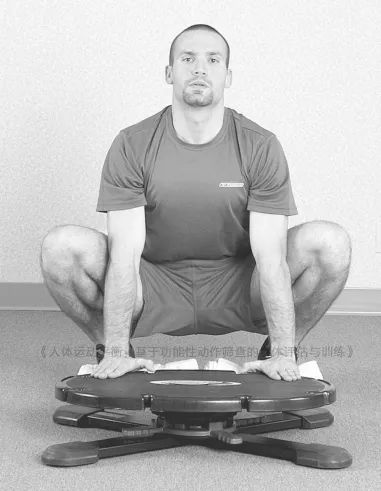
While maintaining a stable pressure (enough to tilt the core board), squat down to the lowest possible position without losing form, keeping your knees open wide enough but not touching your elbows. Keep your heels on the ground, your weight on your heels, and elongate your spine as much as possible. Maintain the angle of the core board throughout the movement.
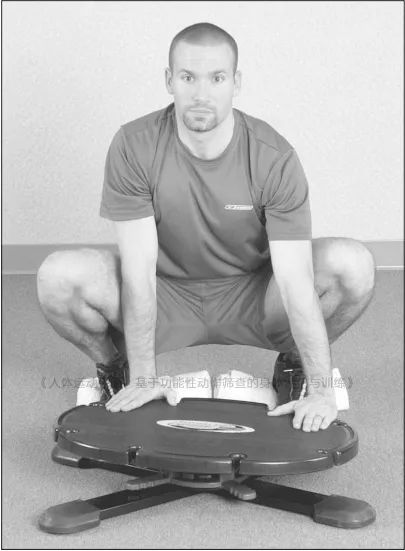
Move both hands to the outer edge of the core board and press down to turn the board to the left. Keep your weight on your heels. Engage your core to apply pressure on the board without shifting your center of gravity forward.
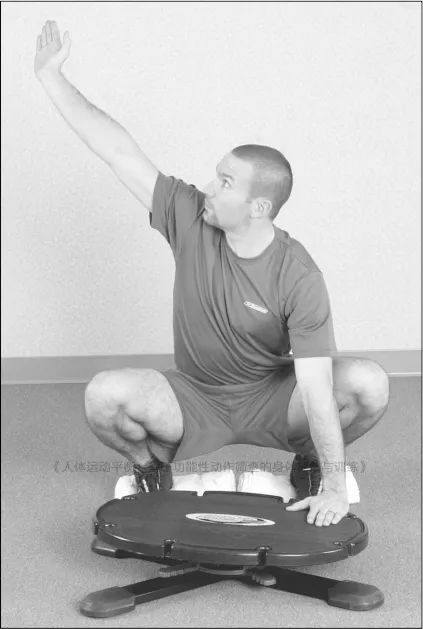
Raise your right hand back and up, looking over your shoulder, while maintaining the twist of the core board as much as possible. Bring your hand back to the core board.
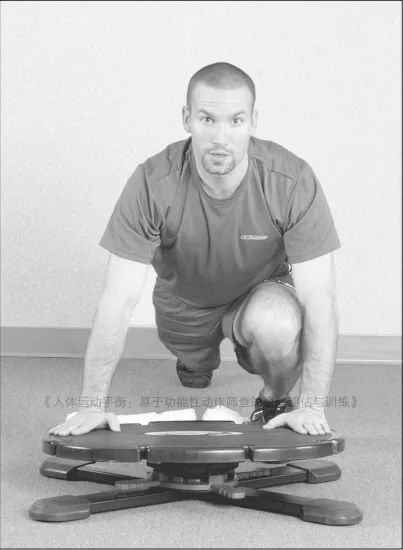
Extend your right leg into a lunge position, keeping your spine extended and looking forward, bending your left knee and ankle as much as possible.
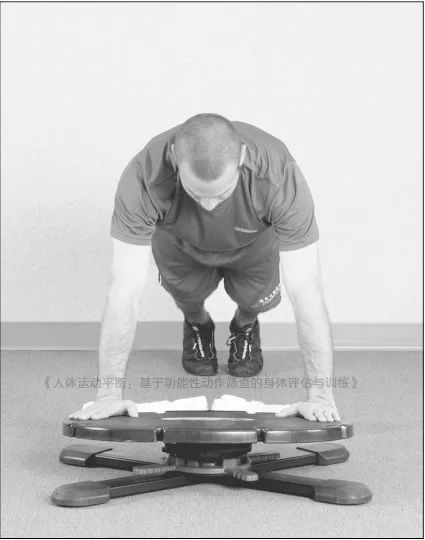
Bring your left foot next to your right foot, extending your body into a plank position.
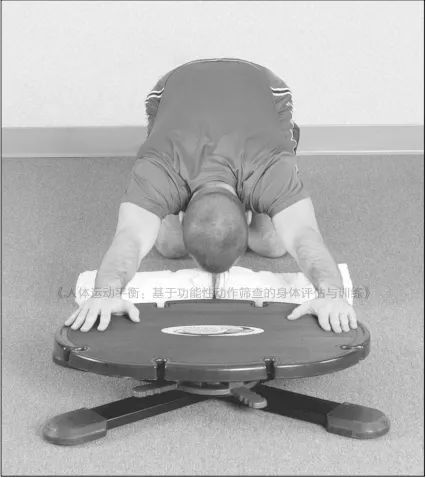
Hold the plank position for a few seconds, then slowly bend your knees to touch the ground. At this point, your body weight should be supported by your hands and knees. Shift your body back so that your hips sit on your heels, with your chest close to your thighs to stretch your arms. Keep your hands on the core board. If needed, you can place a pillow or soft mat between your heels and hips for comfort.
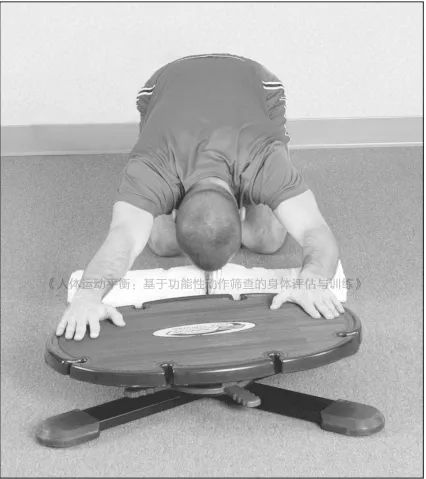
Without changing your body position, rotate the core board as much as possible by pushing forward with your right arm and pulling back with your left arm, keeping your core stable.
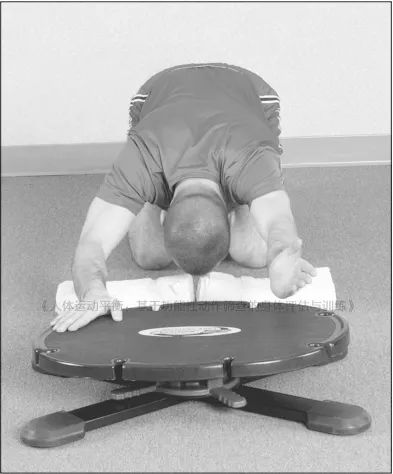
Rotate your left arm so that your left palm faces the ceiling while maintaining the twist of your right arm on the core board. Repeat the movement on the other side, then return to the plank position. Bring your right leg forward into a lunge position, followed by your left leg, so that you end up in a squat position.
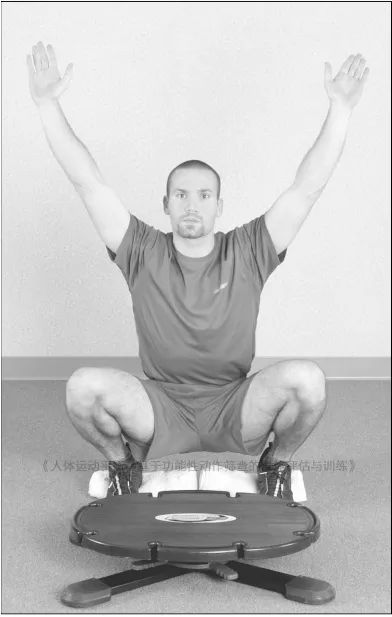
Lift both hands off the core board and raise them overhead, keeping your weight on your heels and your spine extended.
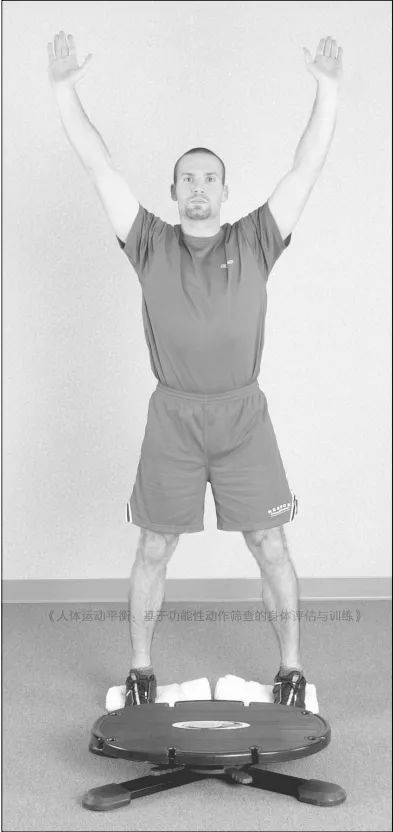
Return to a standing position and relax your arms.
For more details on functional movements, refer to the book “Movement: Functional Movement Systems”.
-END-
Content sourced from
“Movement: Functional Movement Systems”
Published with permission from People’s Posts and Telecommunications Publishing House
When reprinting, please retain the copyright information: book title, cover, publisher.