On December 8, 2020, the CentOS official website announced that CentOS Linux 8 would cease service on December 31, 2021. CentOS Linux 7 will stop service on June 30, 2024. CentOS Stream, which will serve as the upstream (development) branch of Red Hat Enterprise Linux after the end of CentOS Linux 8, is certainly less reliable and stable than CentOS Linux, and it is not recommended for use in production environments.(Quoted from: Notification from China University of Petroleum regarding the cessation of CentOS service)Today, we will experience the installation and configuration of openEuler, an open-source project incubated and operated by the OpenAtom Foundation.The OpenAtom Foundation is a non-profit organization dedicated to promoting the development of the global open-source community, established in June 2020 in Beijing, initiated by leading technology companies such as Alibaba, Baidu, Huawei, Inspur, 360, Tencent, and China Merchants Bank.We will complete our practical experience from several perspectives, including downloading the basic openEuler source ISO file, installation deployment, and Apache configuration experience.1. Downloading the Source ISO File
| iso | <span>https://repo.openeuler.org/openEuler-22.03-LTS/ISO/x86_64/openEuler-22.03-LTS-x86_64-dvd.iso</span> |
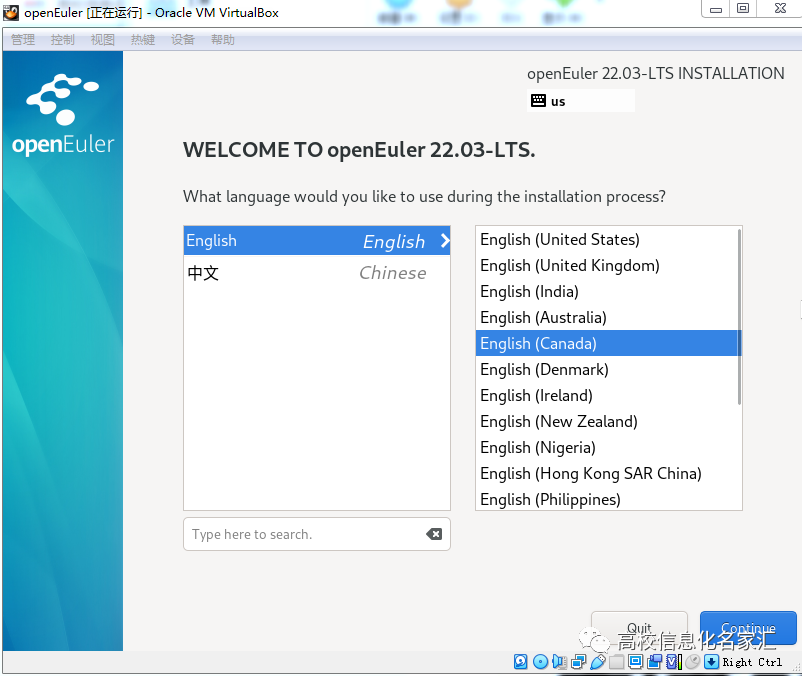
2. Basic Installation StepsWe will use VirtualBox to complete the experience process.1. Create a virtual machine (details omitted) and start the installation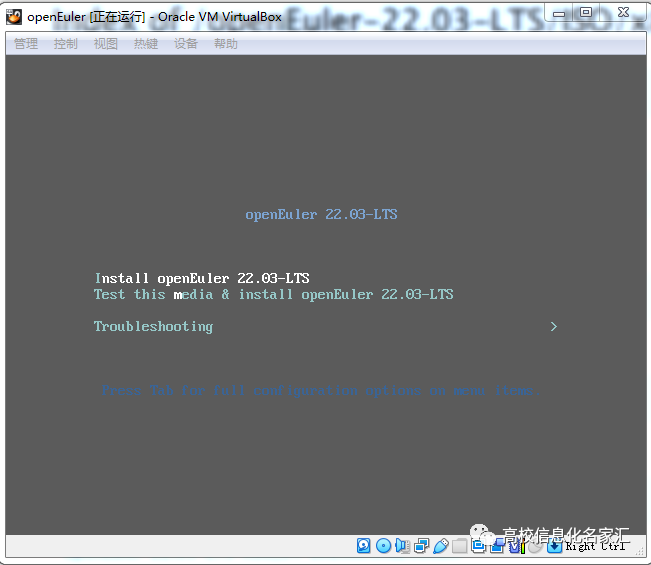 2. Select the installation language, either Chinese or English
 3. Installation information summary, configuration can be completed on one interface
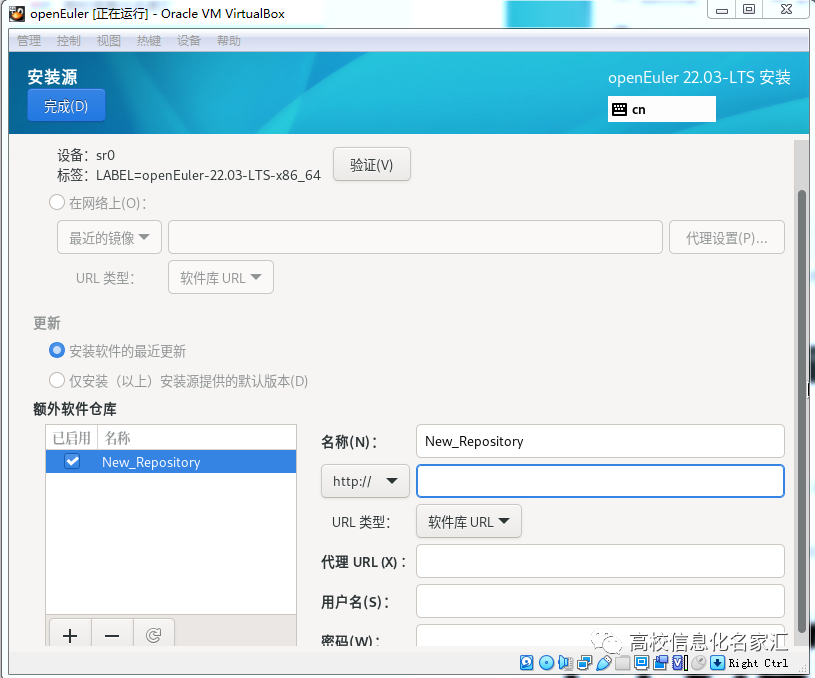
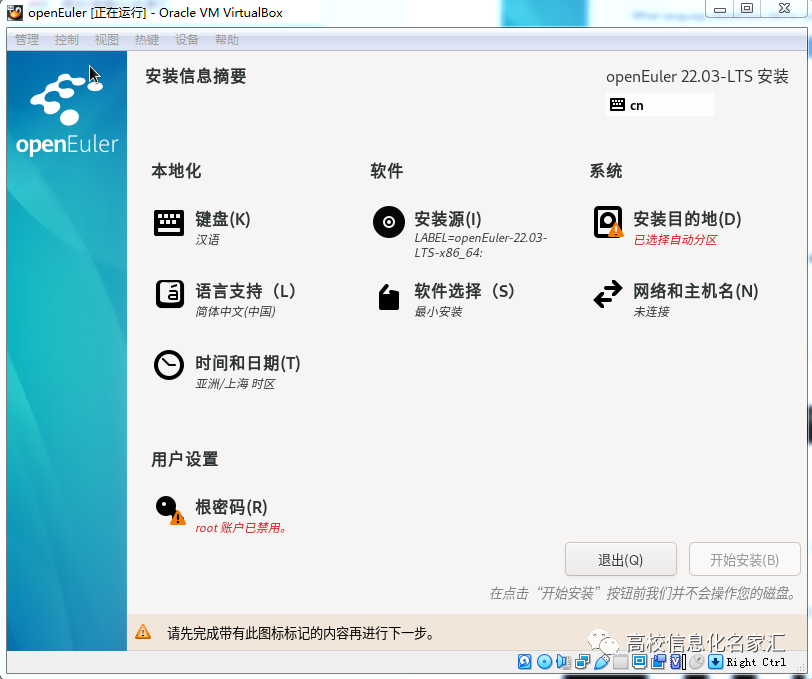 If you have used CentOS, you will find it very familiar~4. Select installation source, local CD or online image, and configure software repositories, which is great!!
 5. Disk partitioning, using custom configuration, and introducing GiB
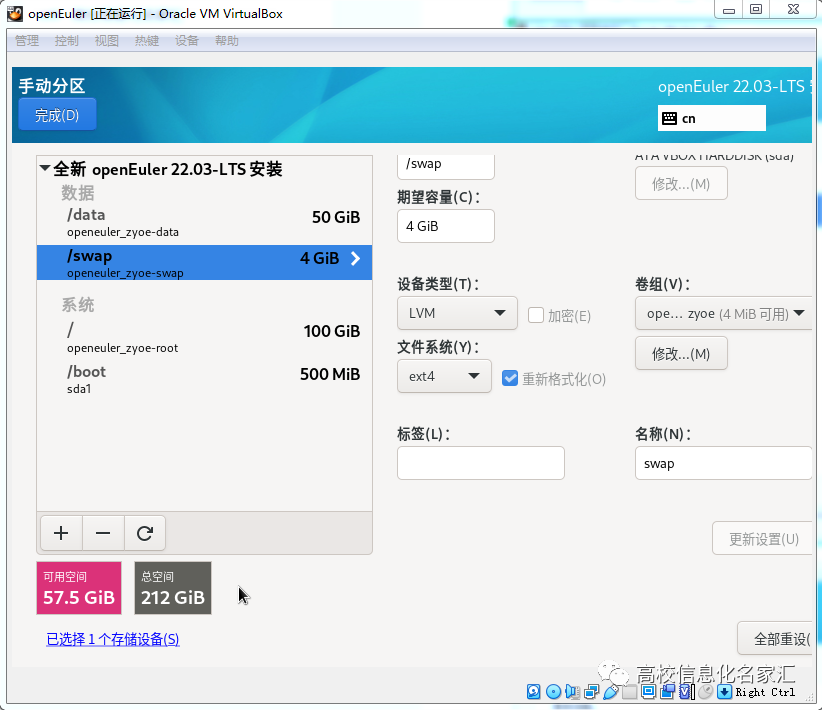 “GiB”, “KiB”, “MiB” and others were defined in 1999 by the International Electrotechnical Commission (IEC) as binary units to indicate data sizes in “1024-based” measurements. This notation standard was later incorporated into the International Organization for Standardization (ISO) documents in 2008. Specifically, 1 GiB = 1024 MiB, 1 MiB = 1024 KiB. They are different from GB, MB, KB, where GB, etc., are 1000-based data units.
GiB
- 1 GiB = 1024 MiB
- 1 MiB = 1024 KiB
- 1 KiB = 1024 Bytes
GB
- 1 GB = 1000 MB
- 1 MB = 1000 KB
- 1 KB = 1000 Bytes
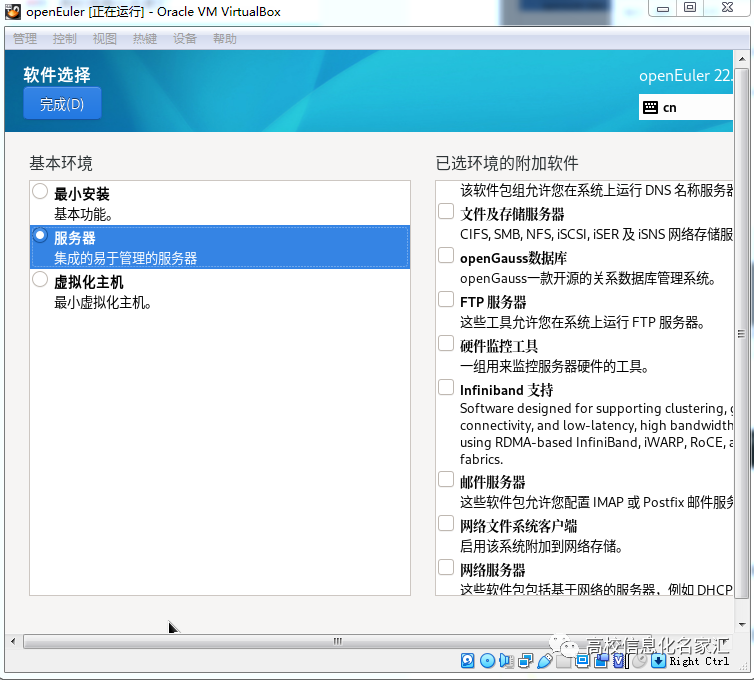
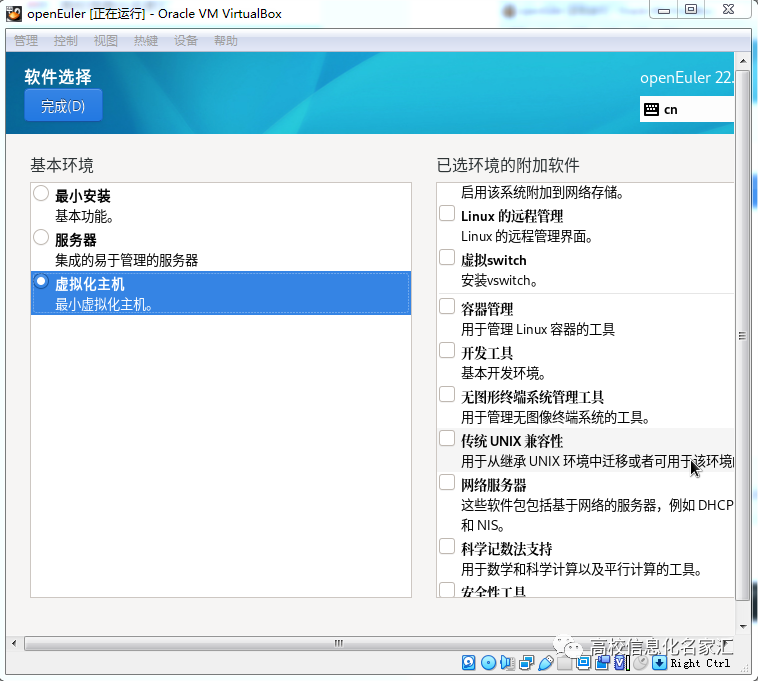
6. Software selection, three modes available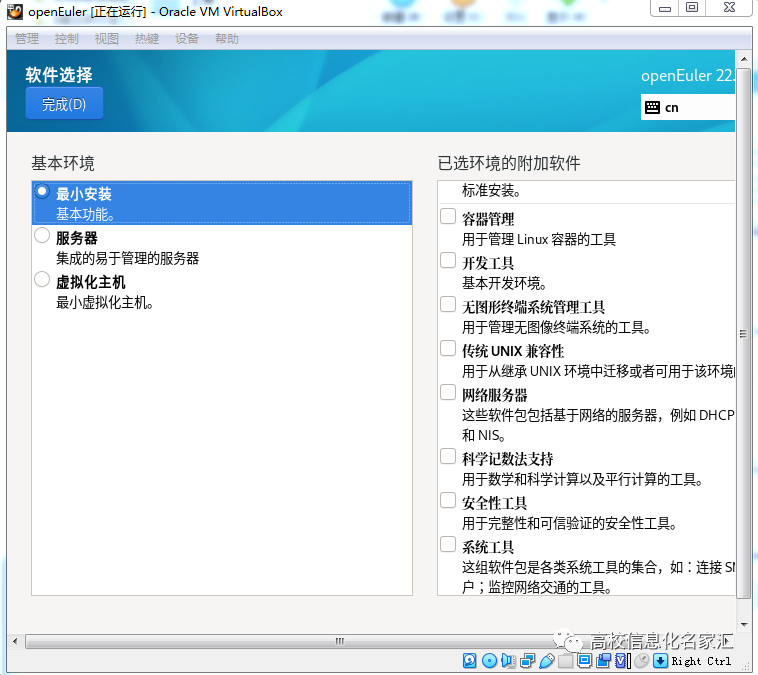
 Change root password
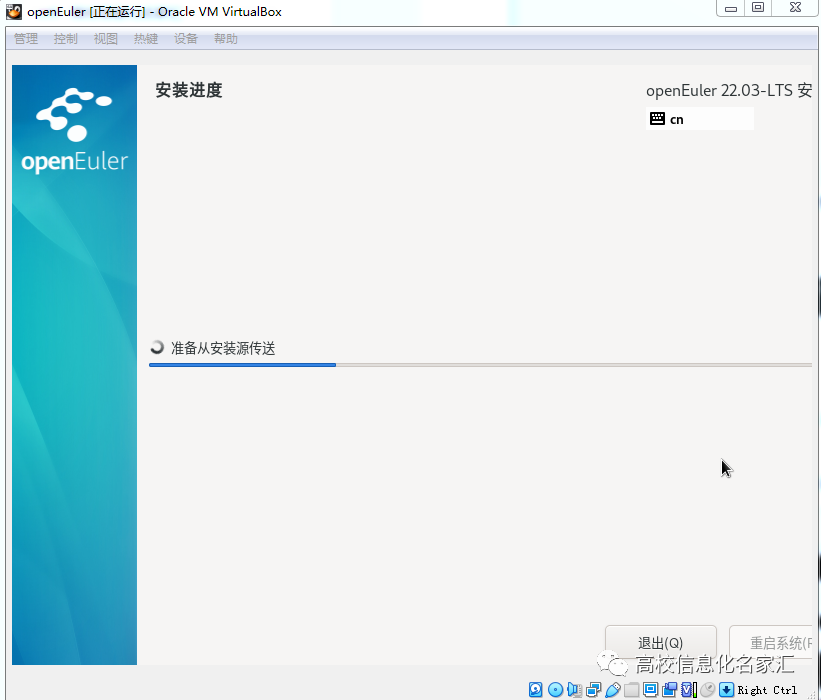
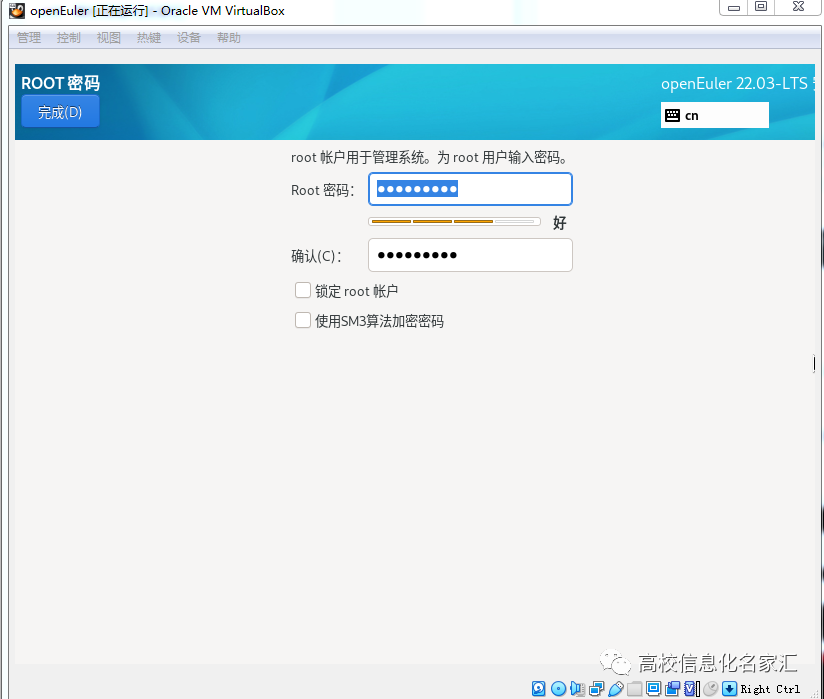 7. Complete installation source selection, disk allocation, software selection, hostname and IP configuration, password setting, etc., and start installation
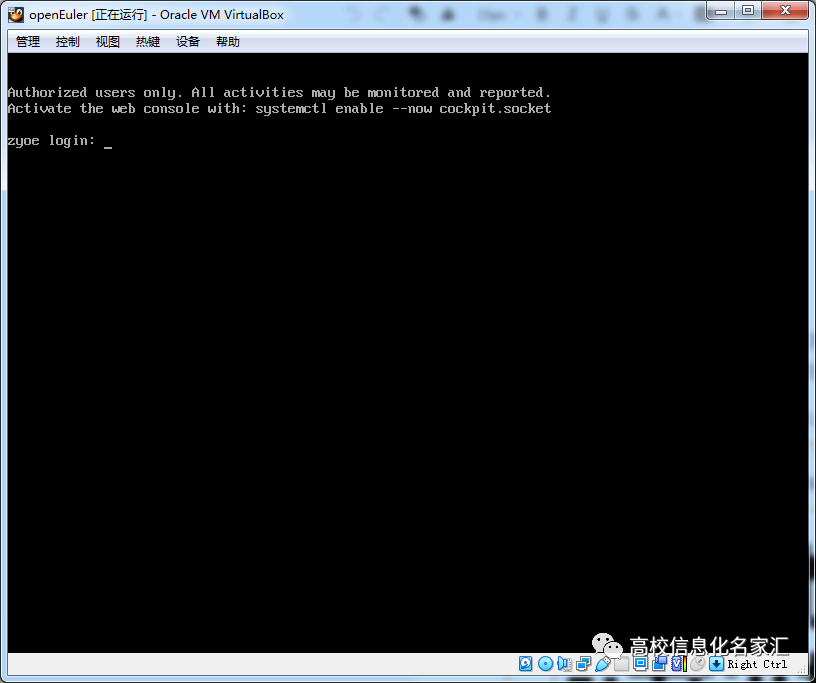
 Log in to openEuler
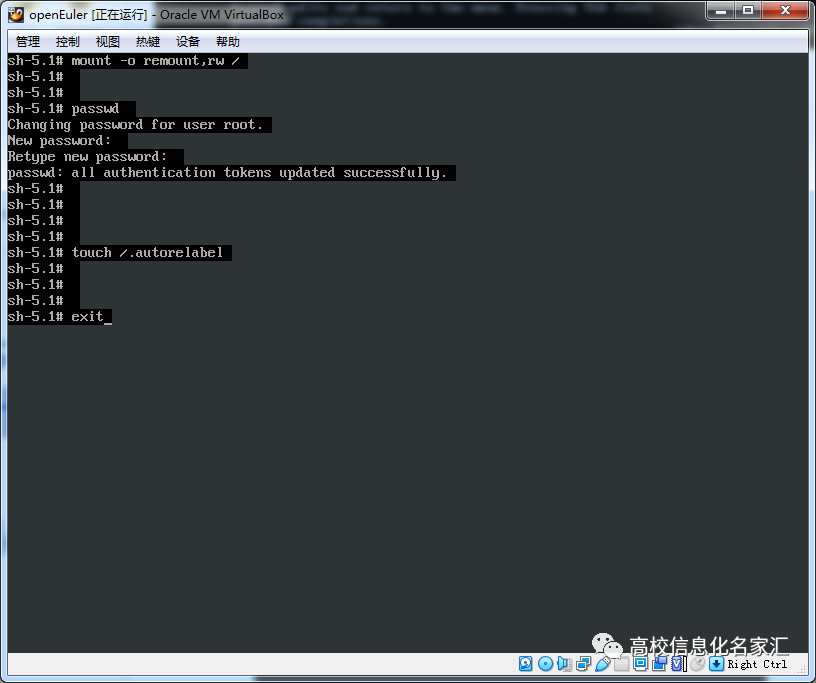
 There was a little incident, I forgot the password, let’s do a recoveryRestart the system, enter the letter e, then enter the interface input init=/bin/shCtrl+x to enter recovery mode
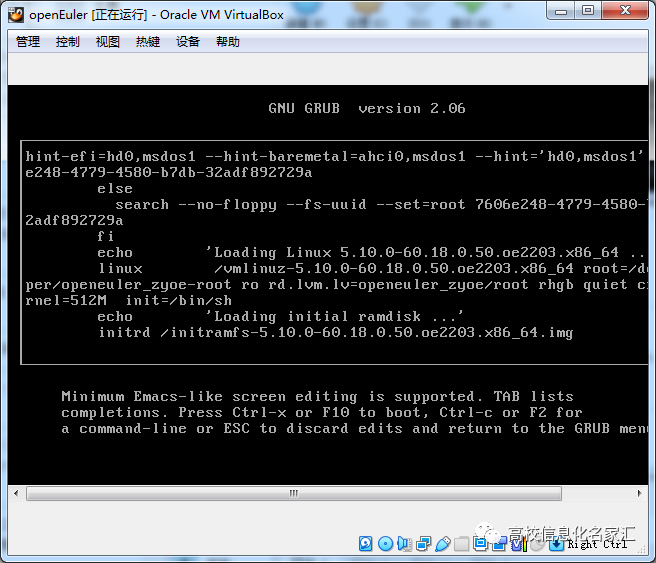 Input mount -o remount,rw /passwd enter the new password twicetouch /.autorelabelexitRestart the system
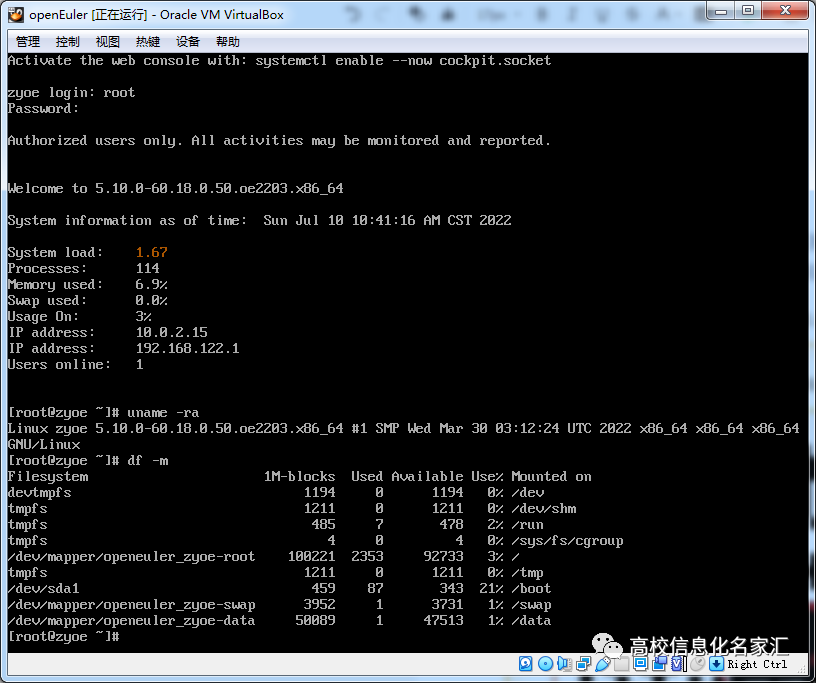
 3. Apache Configuration Experience1. Check the system kernel version and disk distribution
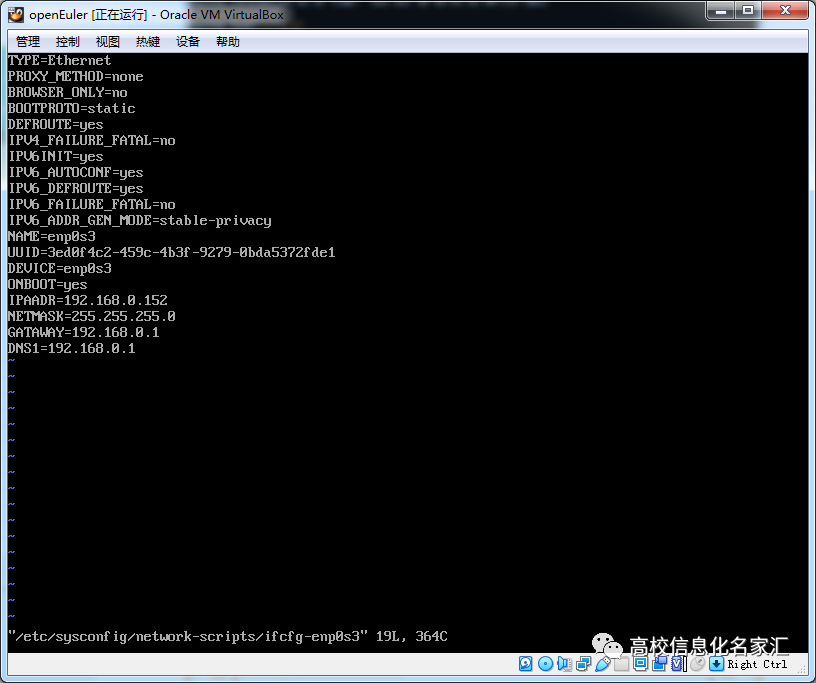
 2. Modify the IP addressvi /etc/sysconfig/network-scripts/ifcfg-enp0s3
 Restart the network service systemctl restart NetworkManager
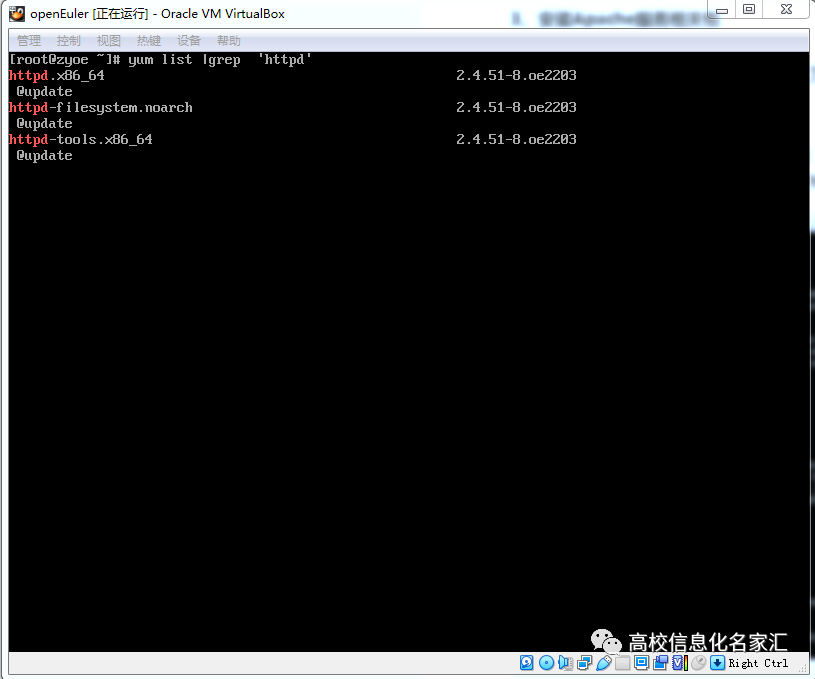
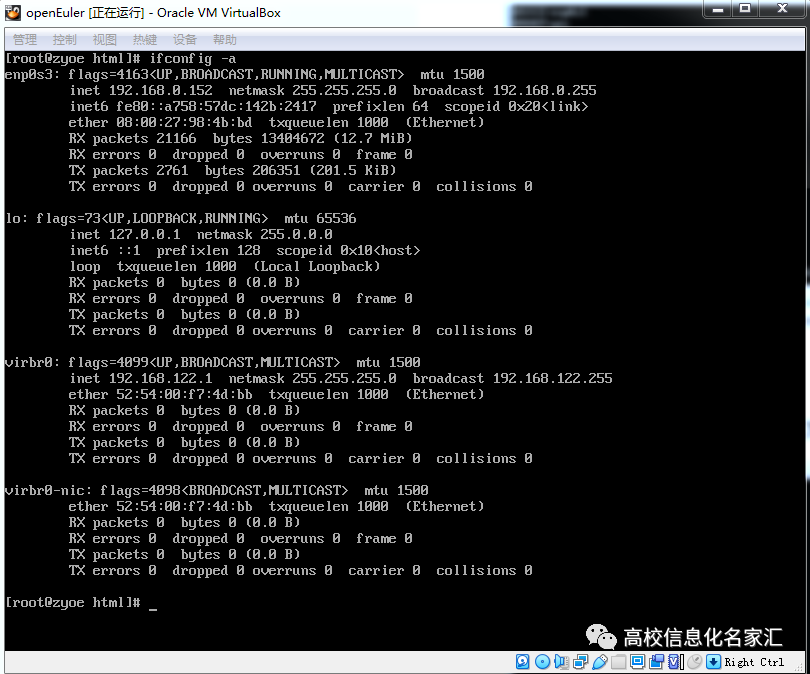 3. Install Apache service related packagesyum install httpdyum list | grep ‘httpd’ to confirm that the HTTPD related packages have been installed
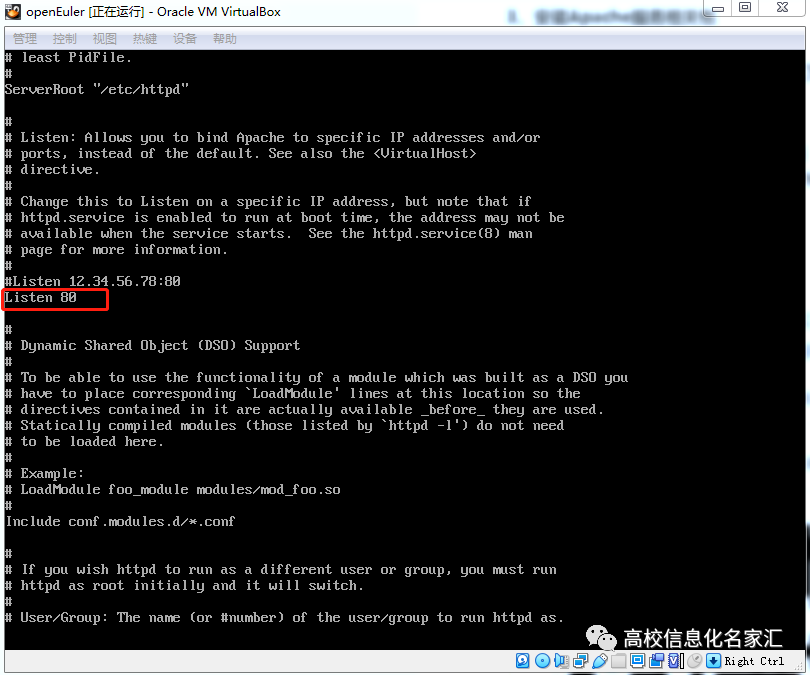
 4. Complete basic configuration, test page, and restart servicea. Modify the main configuration filevi /etc/httpd/conf/httpd.conf
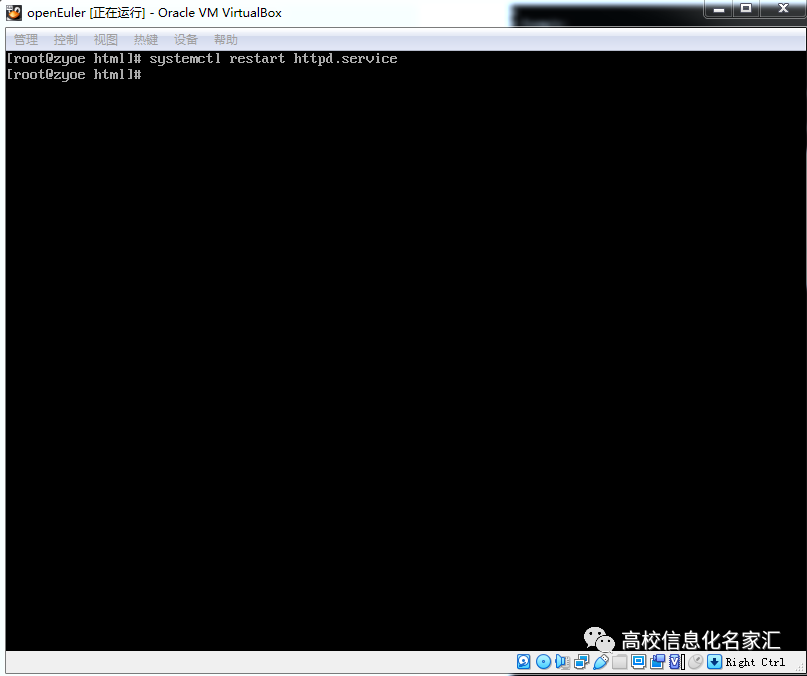
 b. Start the Apache service systemctl start|stop|restart httpd.service
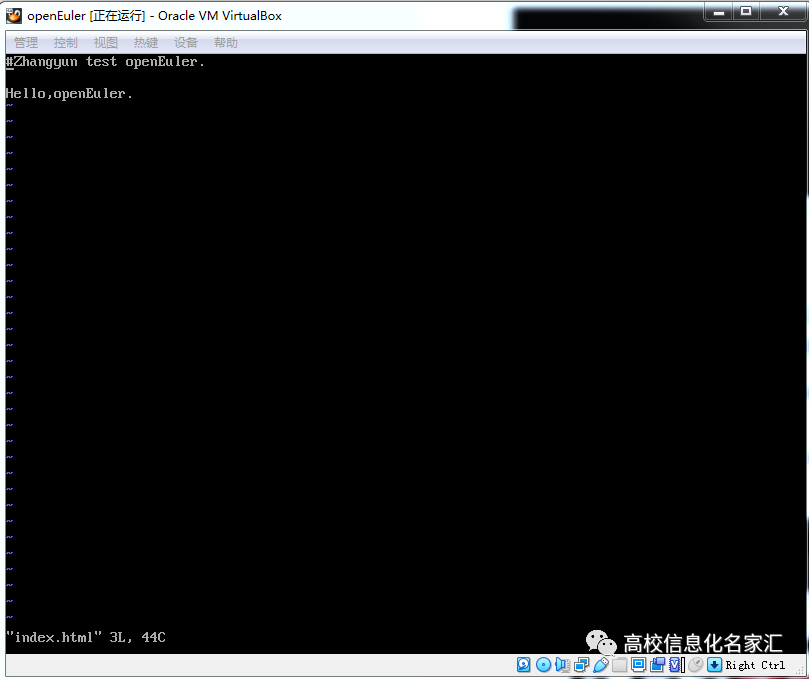
 c. Create a test page
 Access the test
 Thus, we have completed the basic installation and configuration experience of openEuler. From the overall process, we can use our existing CentOS knowledge and skills to operate and use openEuler.Further Reading:A New Alternative to CentOS – Practical Experience with Domestic LinuxCentOS Replacement Learning Notes – AlmaLinux Installation ChapterSource: Beijing Zhangyun Technology Co., Ltd. Cloud Computing. Network Security Service Provider
Welcome to follow the official WeChat account of the Higher Education Informationization Experts Exchange Community

The Higher Education Informationization Experts Exchange Community (EDUITS) is a one-stop service platform for informationization news in higher education, founded by a team of industry experts from Beijing Zhangyun Technology Co., Ltd., aimed at disseminating: “Smart Campus | Cloud Computing | Network Security news, industry policies, conference exchanges, expert papers, hot technologies, application scenarios, products, and solutions.”The Higher Education Informationization Experts Exchange Community WeChat account provides free job posting services for network centers in universities across the country. Please contact us: WeChat ID zyunits
The Higher Education Informationization Experts Exchange Community WeChat account disseminates publicly available information on higher education informationization that is referenceable and enlightening, selecting and forwarding information without regard to time.
—End—
About Us Disclaimer