

As the era of intelligence arrives, robots are increasingly participating in our lives and work. The popularity of movies like “Big Hero 6” and “Avengers: Age of Ultron”, which feature artificial intelligence robots, has sparked interest and reflection among many moviegoers and professionals on artificial intelligence. When was the intelligent robot invented? What are the key periods in its development? With these questions in mind, let’s take a look at the half-century history of artificial intelligence development.
What is Artificial Intelligence?
Artificial Intelligence (AI) is essentially the simulation of human consciousness and thought processes. An artificial intelligence robot is a robot that possesses self-awareness like humans. It is a technical science that studies and develops theories and application systems used to simulate, extend, and enhance human intelligence. Research in this field includes robotics, language recognition, image recognition, natural language processing, and expert systems.
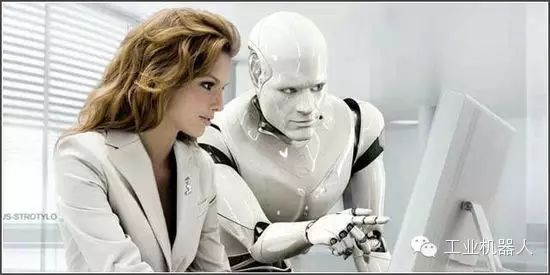
An artificial intelligence robot possesses self-awareness like humans (Image from: Pinterest)
Artificial intelligence is an important branch of computer science and a highly challenging scientific field. It consists of different areas, such as machine learning and computer vision. Today, we will focus on one important branch: artificial intelligence robots.
The Birth of Artificial Intelligence in the Mid-1950s
◆ In 1942, American science fiction master Isaac Asimov proposed the “Three Laws of Robotics”.
When talking about artificial intelligence robots, we must mention Asimov, who proposed the “Three Laws of Robotics”, which later became the default development principles in academia. Law 1: A robot must obey the orders given to it by humans, except where such orders would conflict with the First Law. Law 2: A robot must not harm a human being or, through inaction, allow a human being to come to harm. Law 3: A robot must protect its own existence as long as such protection does not conflict with the First or Second Law.
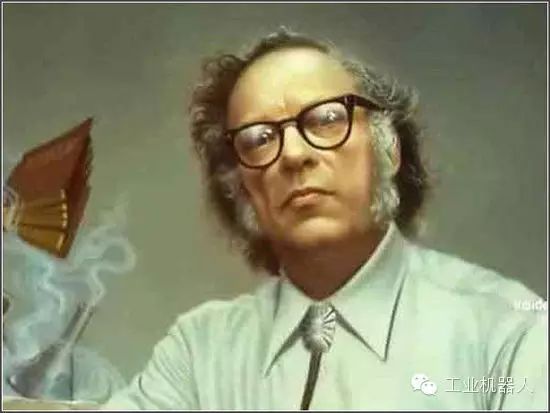
In 1942, American science fiction master Isaac Asimov proposed the