Understanding Third-Generation Semiconductors: A Dive into Gallium Nitride

Understanding Third-Generation Semiconductors: A Dive into Gallium Nitride

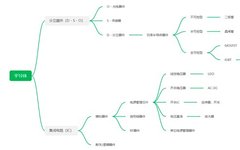
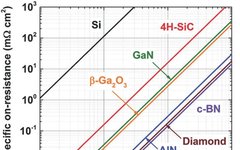
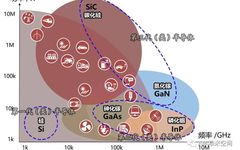
The third-generation semiconductors, also known as wide bandgap semiconductors, are represented by silicon carbide (SiC) and gallium nitride (GaN). They possess superior properties such as high frequency, high efficiency, high power, high voltage resistance, high temperature resistance, and strong radiation resistance. These characteristics align with national strategic needs for energy conservation, intelligent manufacturing, and information … Read more

Third Generation Semiconductors in Shenzhen

Third Generation Semiconductors in Shenzhen

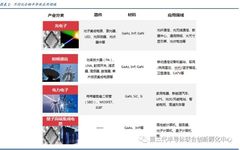
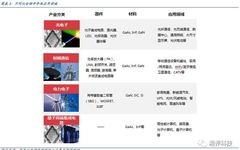
Third generation semiconductors, also known as wide bandgap semiconductors, refer to semiconductor materials represented by gallium nitride (GaN) and silicon carbide (SiC), which can operate at higher temperatures, stronger voltages, and faster switching frequencies. They are suitable for fields such as smart grids, new energy vehicles, 5G communications, microwave RF, and deep space equipment. The … Read more

Focusing on Key Industrial Chains: Understanding Compound Semiconductors and Opportunities

Focusing on Key Industrial Chains: Understanding Compound Semiconductors and Opportunities

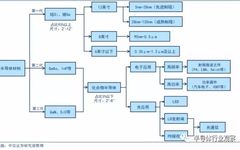
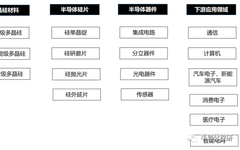
Semi-conductor materials can be divided into two categories: elemental semiconductors and compound semiconductors. The former includes semiconductors formed from elements such as silicon (Si) and germanium (Ge), while the latter includes compounds such as gallium arsenide (GaAs), gallium nitride (GaN), and silicon carbide (SiC). In the past, semiconductors have undergone three generations of changes, gallium … Read more

Advanced C++ Namespaces Tutorial

Advanced C++ Namespaces Tutorial

Nested Namespaces In C++, namespaces can be nested, which helps further organize code and avoid name conflicts. For example: #include <iostream> namespace Outer { namespace Inner { void printMessage() { std::cout << "This is a message from the Inner namespace." << std::endl; } } } int main() { Outer::Inner::printMessage(); return 0; } In this code, … Read more