I am Lao Wen, an embedded engineer who loves learning.Follow me, and let’s become better together!In the knowledge base of most embedded engineers, the technical content related to STM32 certainly holds a significant place. It can be said that most embedded engineers start their learning journey through STM32 or C51.I am no exception. Back in college, I learned C51, but I was still quite confused and only had a superficial understanding. I merely copied the code given by the teacher and burned it into the chip, without forming a systematic knowledge framework. The C51 development board has been gathering dust and rusting at the bottom of the box.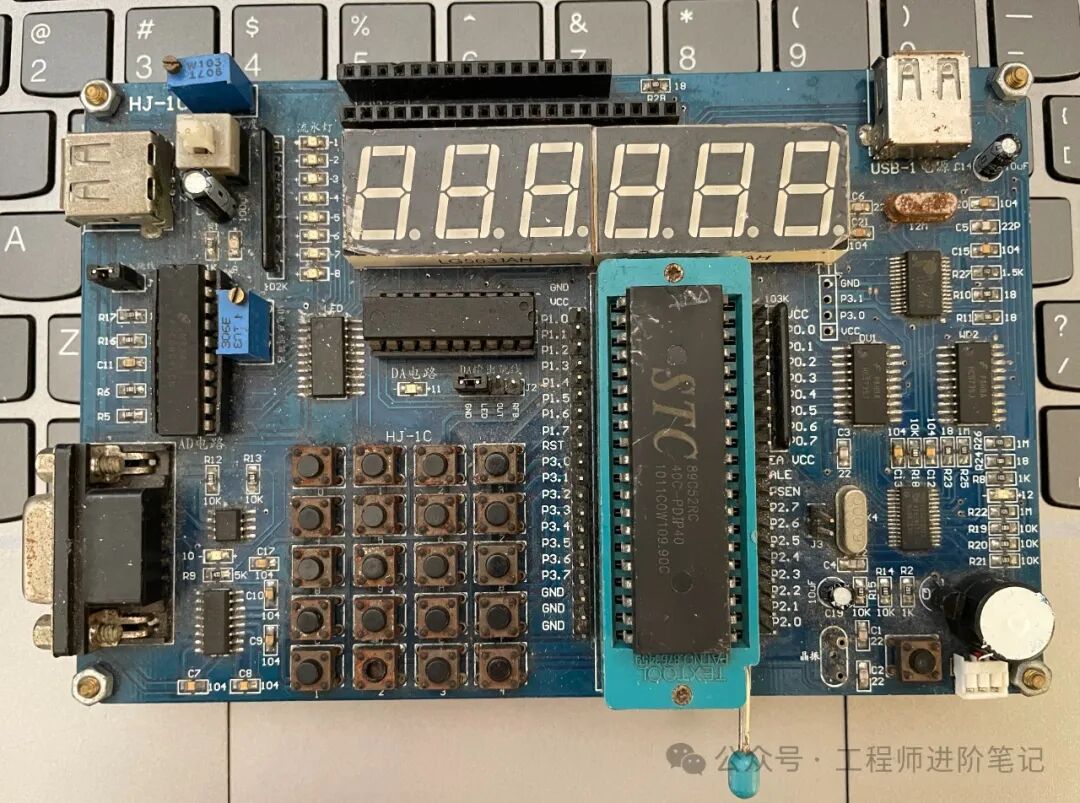 After graduating from university and starting work with a salary of 2300, I could support myself. At that time, I was truly passionate about microcontrollers. I spent money to buy Atom’s STM32 Mini and STM32 F4 development boards, and followed his tutorials step by step, which allowed me to comprehensively start learning microcontroller development.
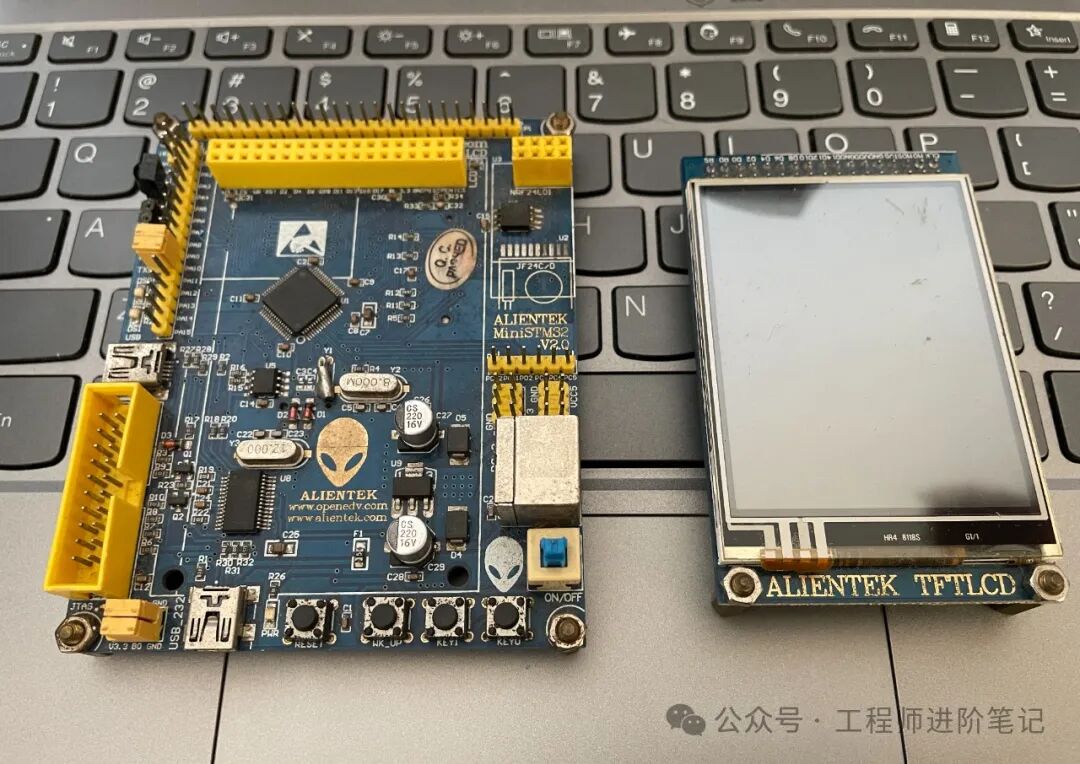 Regarding my experience in embedded development, you can refer to the following article: Let’s talk about my career experience and insights.We all know that STM32 originally developed from microcontrollers, and STMicroelectronics has a unique advantage in MCU chip research and market foundation. In the field of microcontroller chips, almost everyone knows STM32.Most embedded engineers consider STM32 to be a microcontroller chip, and this view was indeed valid before 2019. However, after 2019, STM32’s chip strategy began to gradually shift from microcontrollers (MCUs) to general-purpose microprocessors (MPUs).I started to wonder, why do the various series of STM32 chips, from the 72MHz STM32F1 to the 1.5GHz MP257, keep getting more powerful?(A landmark event was when STMicroelectronics launched the dual-core heterogeneous STM32MP157, which several development board companies actively followed up on.)I believe the main reason is that in recent years, with the rapid development of artificial intelligence, the Internet of Things, industrial automation, and smart devices, the embedded chip market has undergone tremendous changes, and the market’s requirements for chips are getting higher and higher.Many engineers require chip solutions to have high computing power, high real-time performance, high storage capacity, high integration, low power consumption, and many other advantages when selecting chips.In short, it is best if a single chip can meet all these requirements.Today’s STM32 is no longer the fledgling STM32 of the past. In the past two years, STMicroelectronics has upgraded the MPU chip to MP257 and integrated a neural processing unit (NPU) into the chip, resulting in a significant leap in overall chip performance.Recently, Zhen Dian Yuan Zi sent me a newly launched STM32 development board. As a strategic partner of STMicroelectronics, Zhen Dian Yuan Zi has made significant contributions to the ecological construction and promotion of the STM32 series.
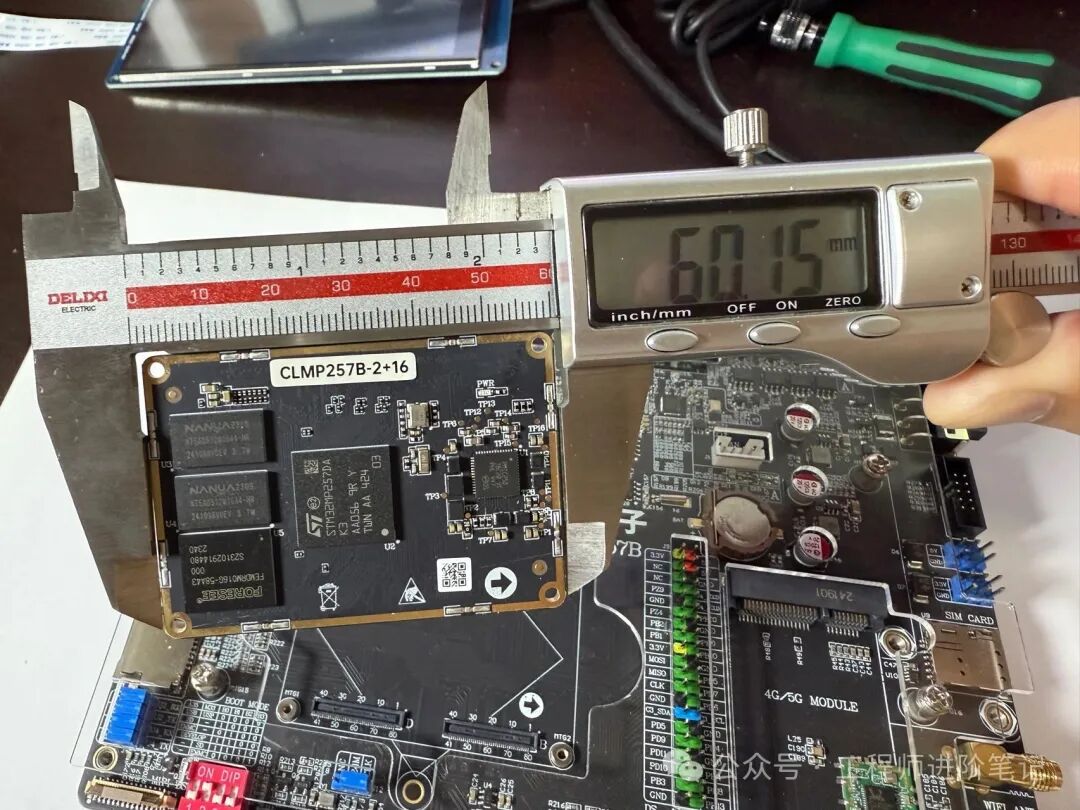
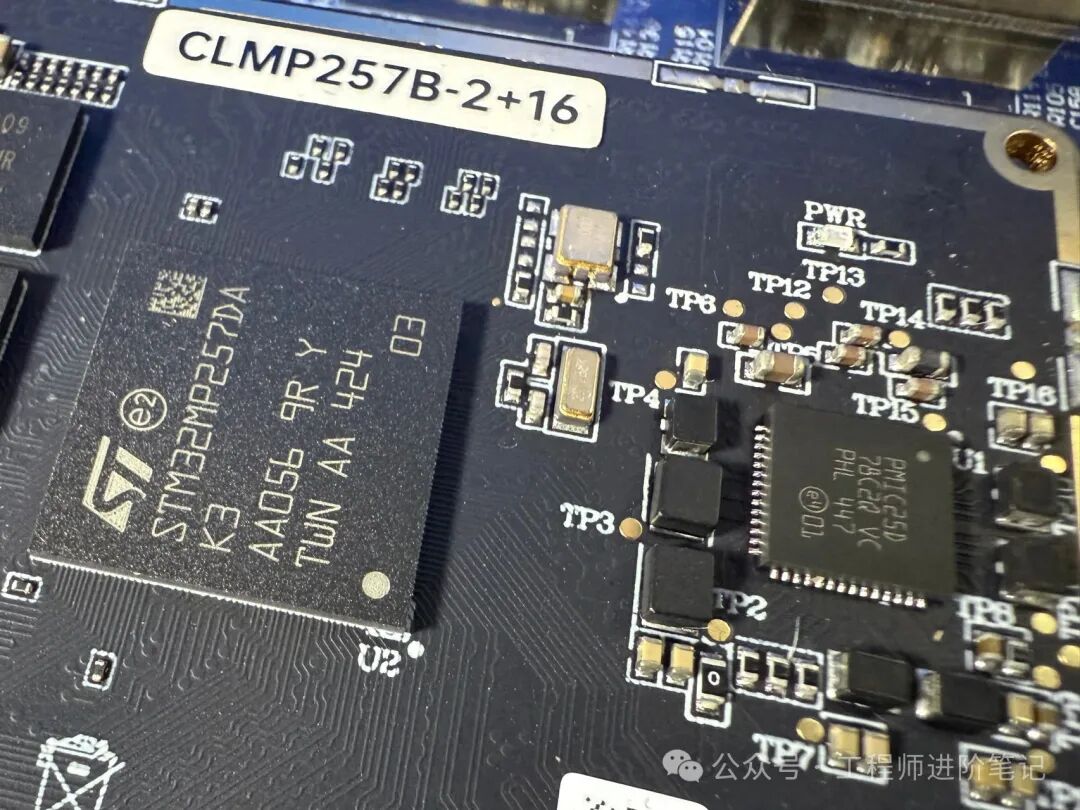
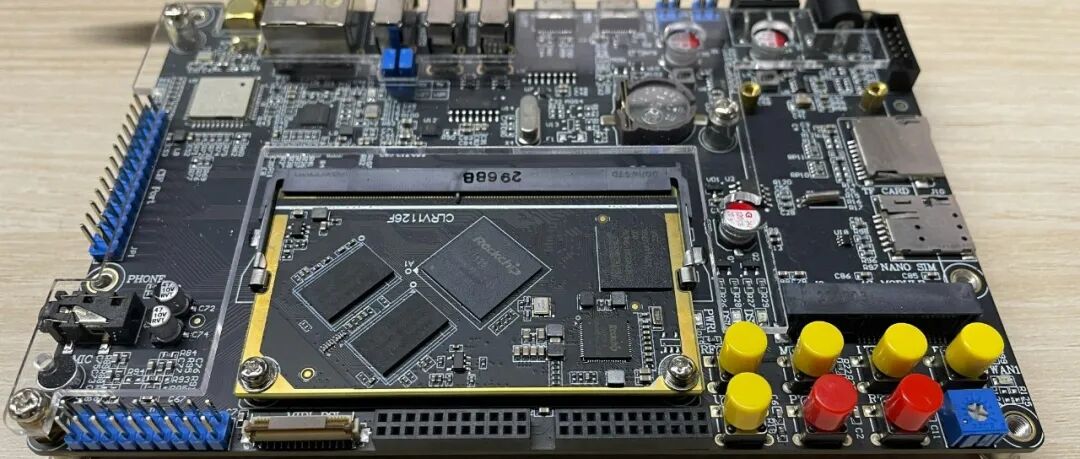
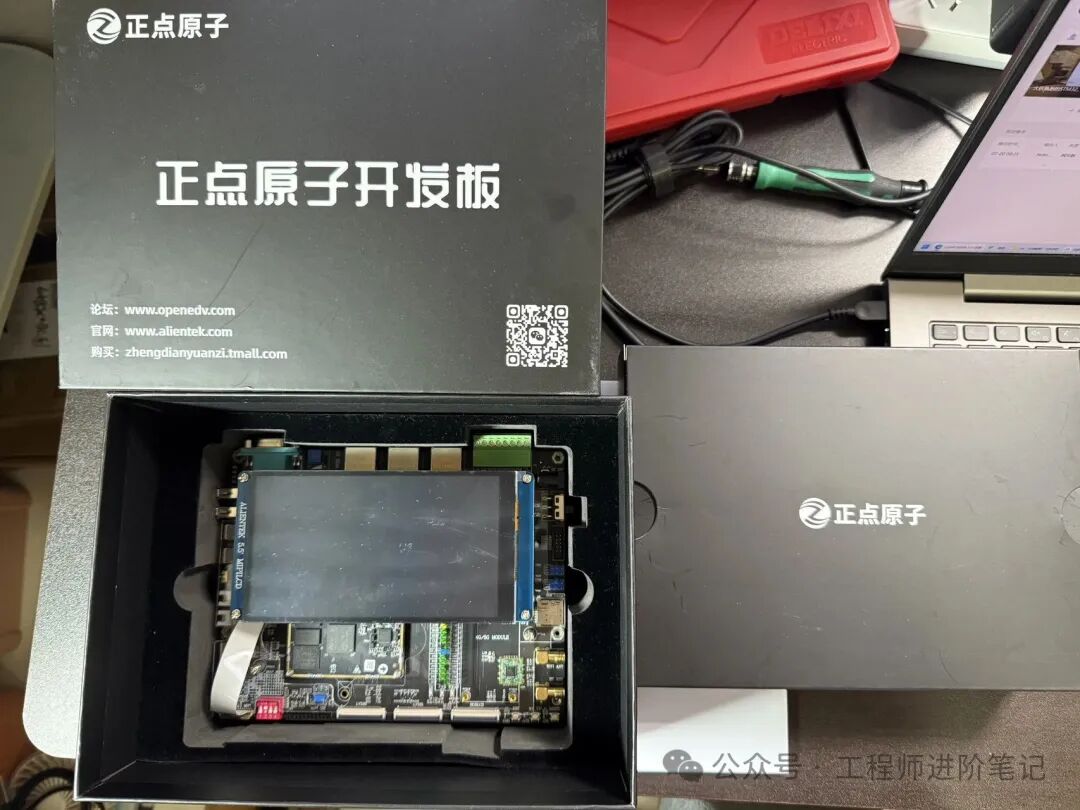 The model of this development board is:ATK-DLMP257B, which is a comprehensive development board product with a rich array of peripheral interfaces, making it very suitable for project solution evaluation.(From the packaging accessories, appearance design, interface design, and supporting documentation of the development board, it can be inferred that the STM32MP257 is a key chip series developed by STMicroelectronics and Zhen Dian Yuan Zi.)The main control chip on the core board isSTM32MP257DAK3, note that this is not a microcontroller chip, but a multi-core heterogeneous general-purpose processor (i.e., MPU), with a dual-core Cortex-A35 clocked at1.5GHz and a single-core Cortex-M33 clocked at400MHz, NPU computing power of 1.35TOPS, and multimedia GPU clocked at 900MHz. (See the figure below)
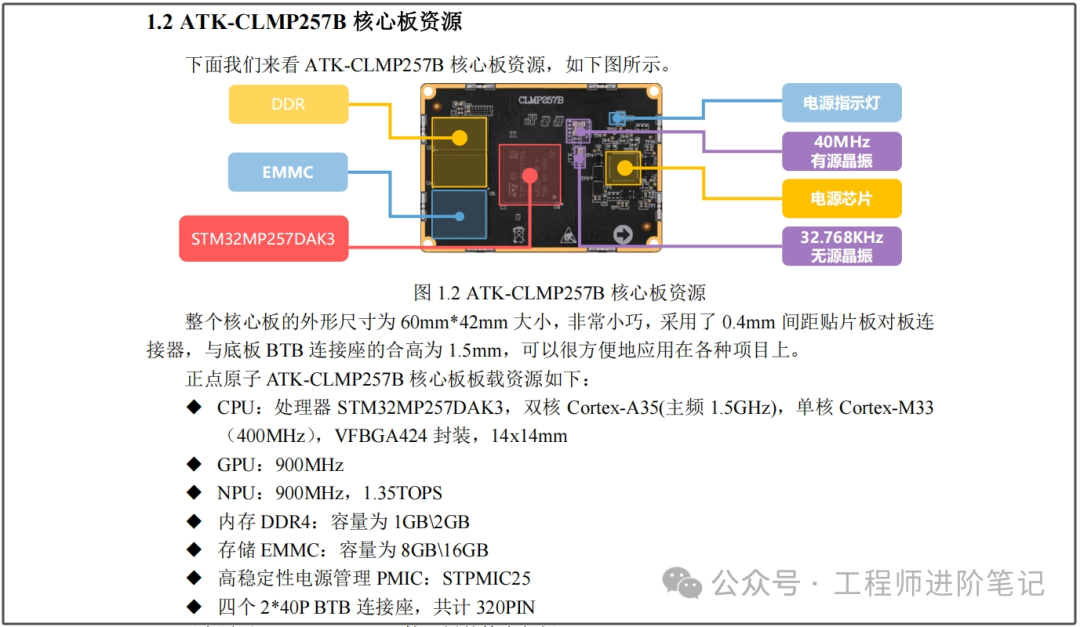 This core board adopts a 10-layer PCB design, equipped with 2GB DDR4 memory and 16GB EMMC storage, with four BTB connection seats designed at the bottom and fixed screw holes at all four corners. The core board size is only 60mm*42mm, making it very exquisite and compact.
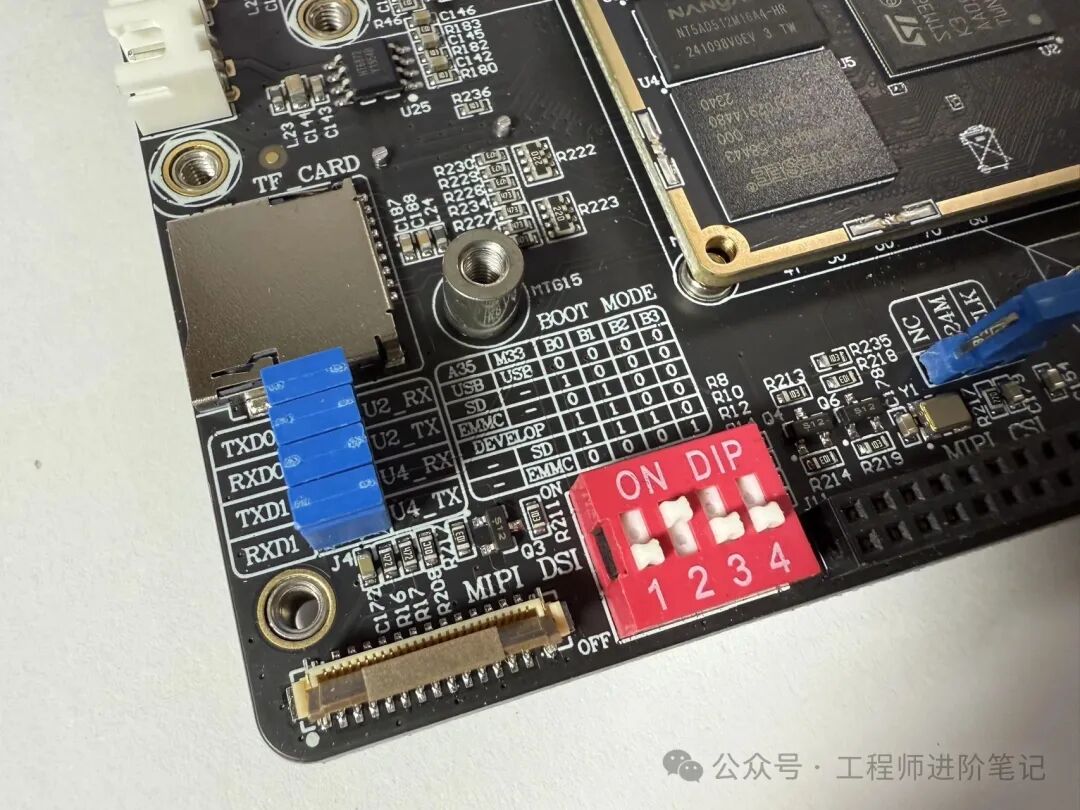
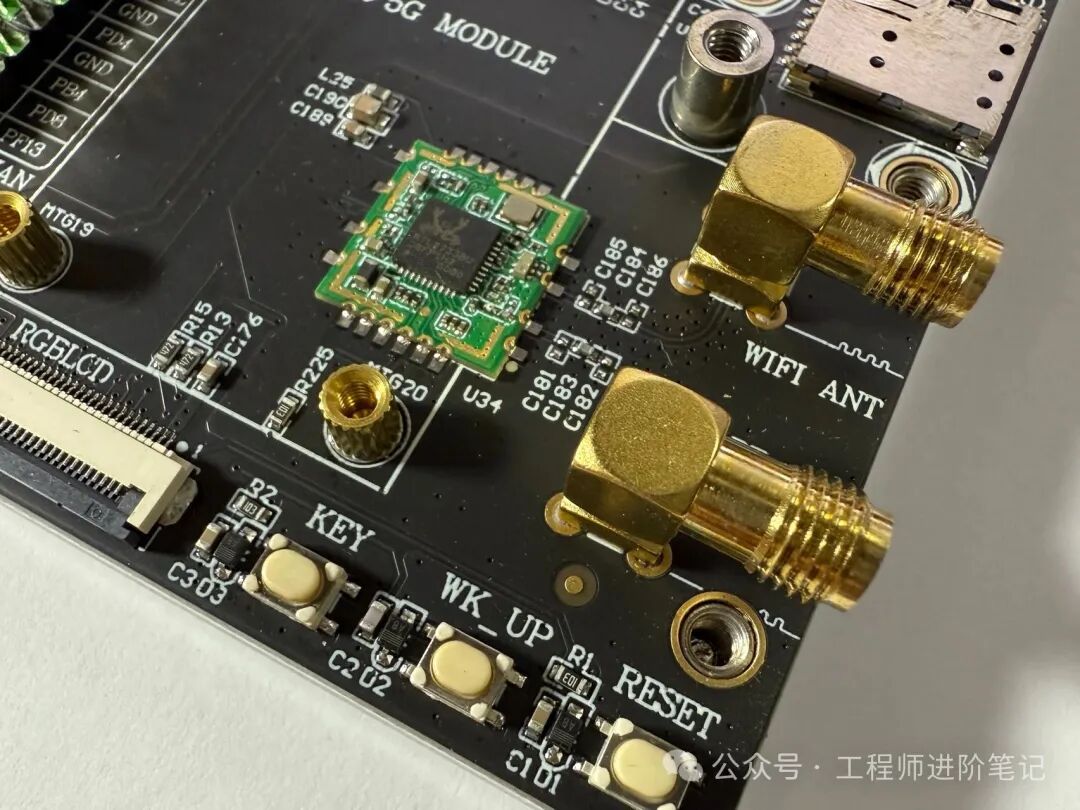
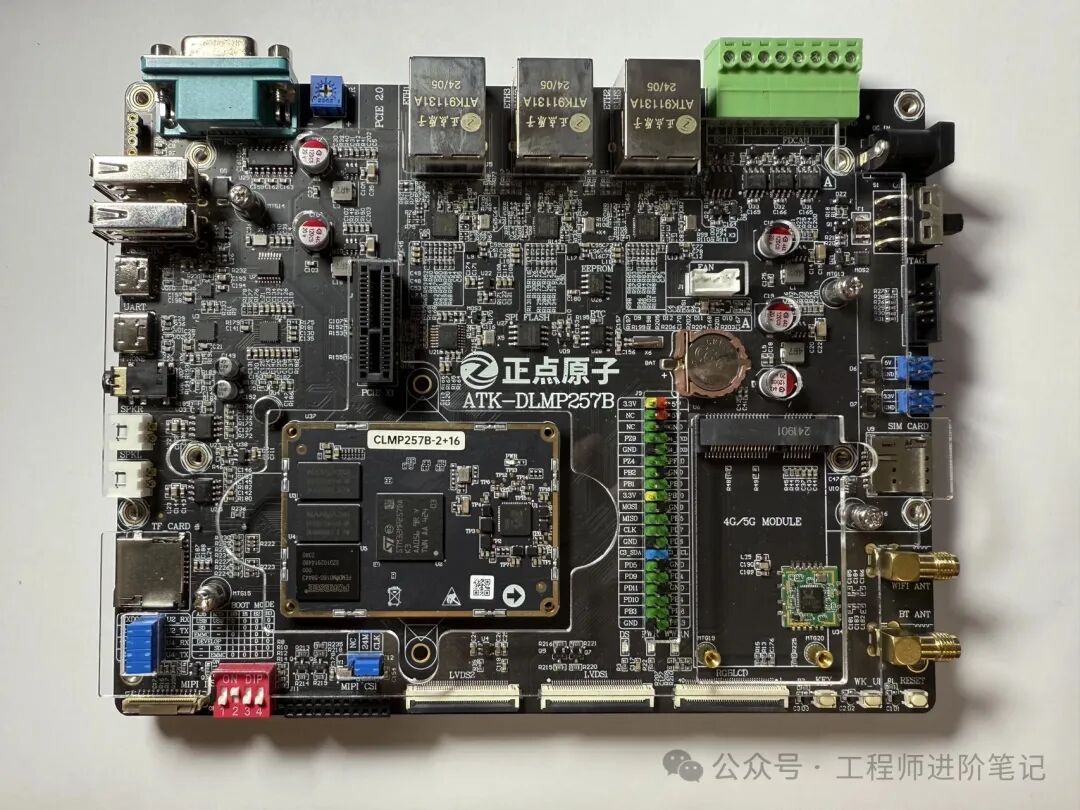
 The bottom of the development board has many functional interfaces, mainly to maximize the performance and resource configuration of theSTM32MP257DAK3 chip, allowing developers to fully conduct functional testing and performance evaluation. (See the figure below)
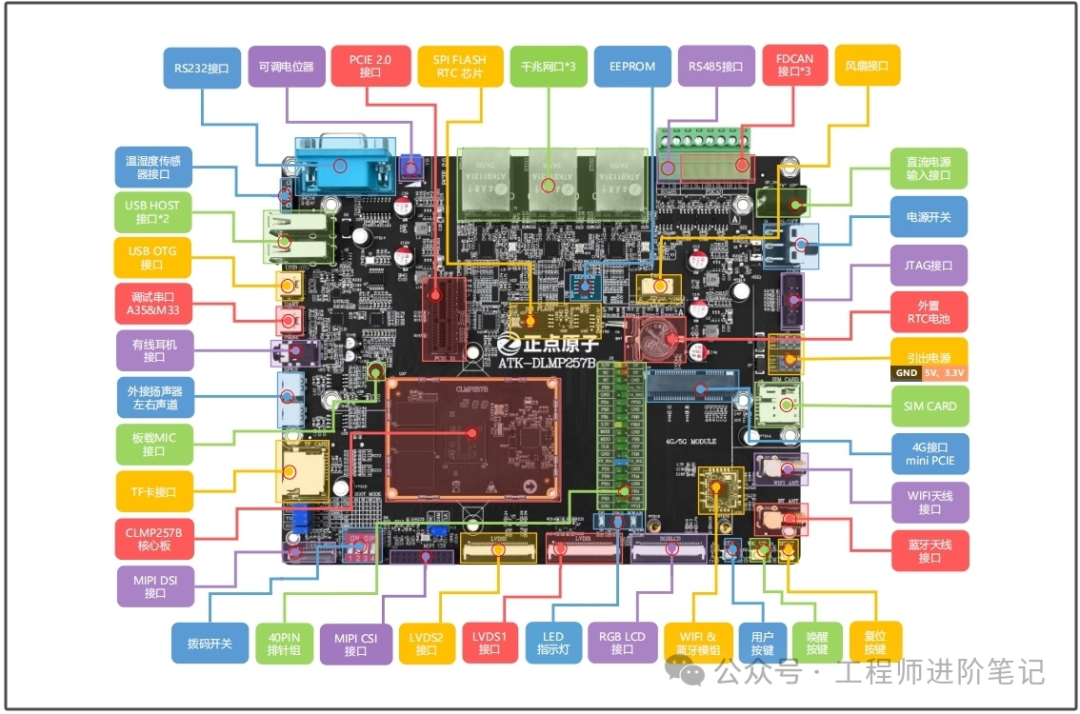 For example, multimedia-related interfaces include dual-channel speaker and headphone interfaces, display-related interfaces include MIPI-DSI/LVDS/RGB-LCD, camera interface MIPI-CSI, wireless communication includes Wi-Fi/Bluetooth/4G, three Gigabit Ethernet, three CAN-FD interfaces, etc.
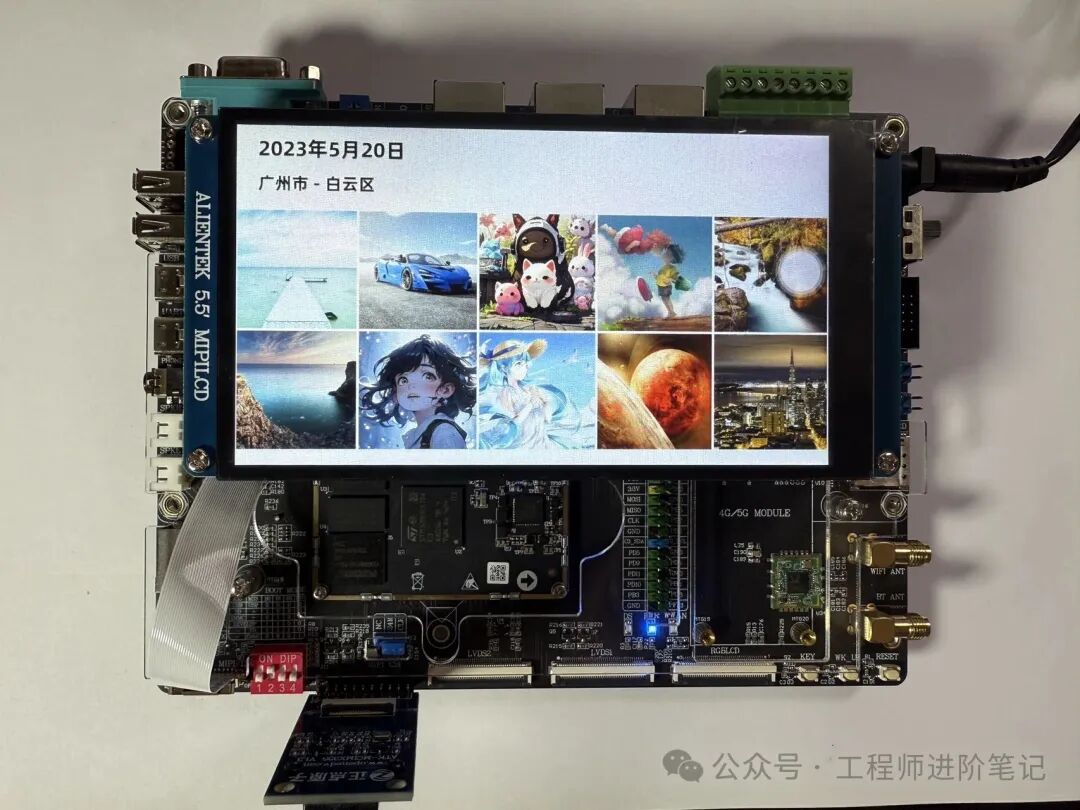
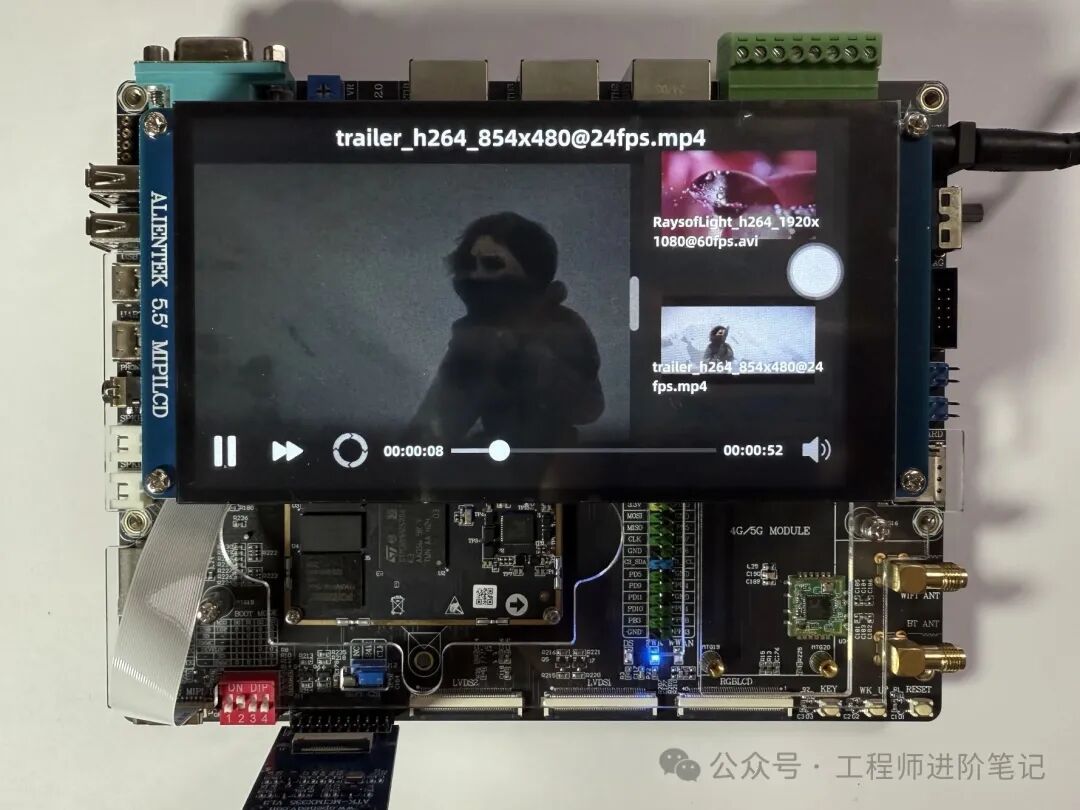
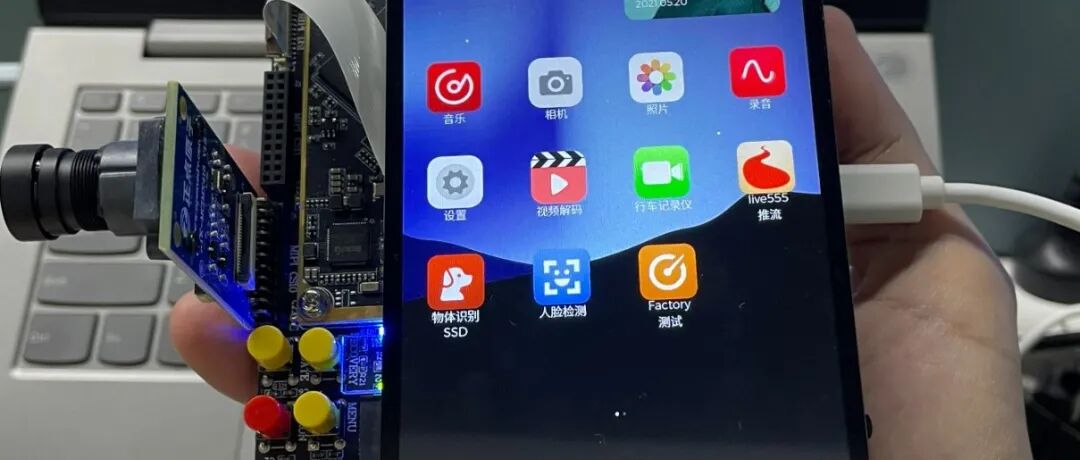
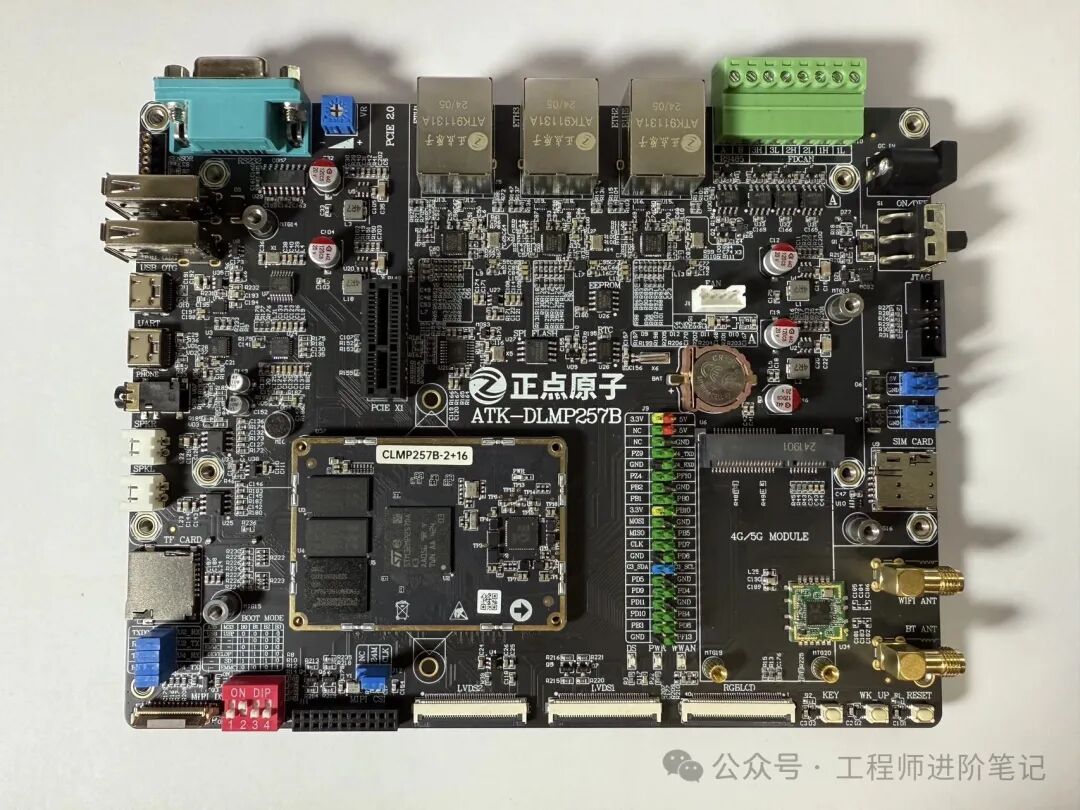 (For more information on the development board’s hardware resources, please refer to the “04【Zhen Dian Yuan Zi】ATK-DLMP257B Hardware Reference Manual V1.0” document.)The ATK-DLMP257B development board comes with a UI interface program that mimics the design and interaction of mobile phone icons. Thanks to the chip’s powerful multimedia processing capabilities, the overall operation of the program is quite smooth and cool.The factory-supplied UI interface program is entirely developed using Qt, and the source code has been included in the supporting materials of the development board, following the GPL V3 protocol. Interested embedded software engineers can use it as needed.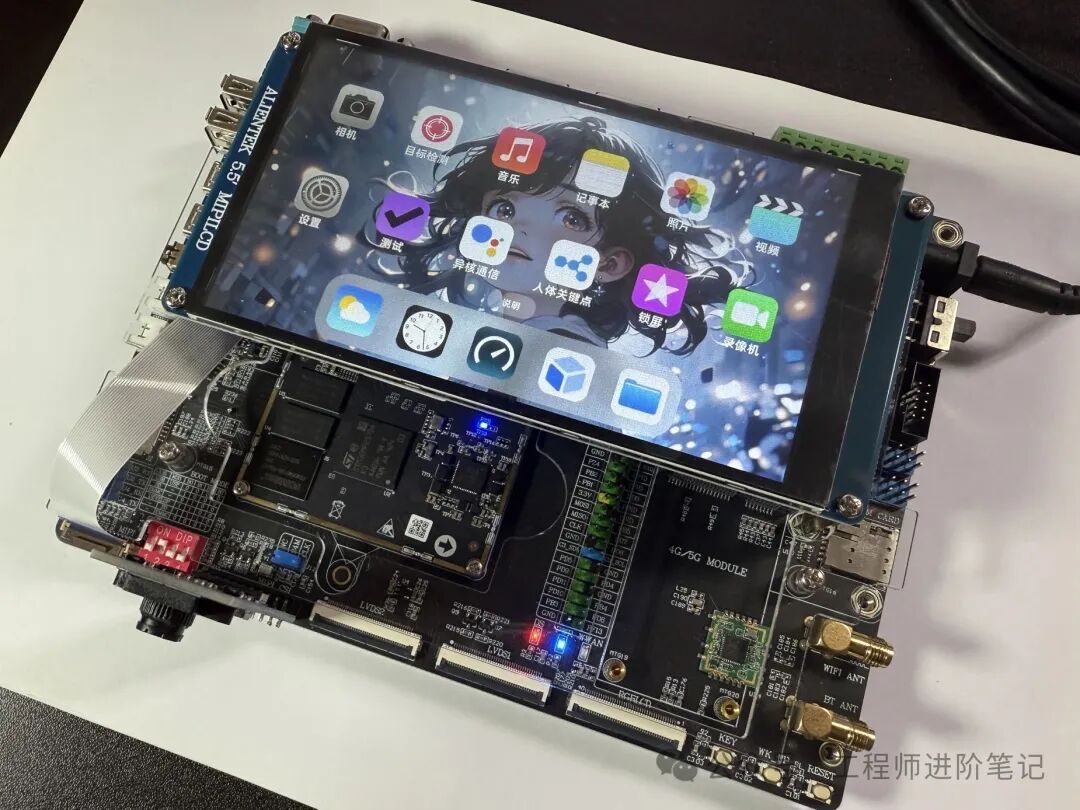
https://www.bilibili.com/video/BV1brd2YoEp1/?vd_source=1951c735c2990bc8a59624f8a9ffbd2c
(Copy to the browser to open)There are demonstration videos of Qt and AI on the small broken station. Just click on the 【original link】 to watch.Overall, the positioning of this development board is quite accurate, mainly targeting enterprise users or embedded engineers who want to advance to AI through STM32. Enterprise users can directly use the core board for product solution development, while embedded engineers can use this comprehensive development board for advanced learning.With STMicroelectronics’ chip hardware and software ecosystem, combined with Zhen Dian Yuan Zi’s rich experience in embedded education, I believe that embedded engineers can easily step into embedded AI development through STM32 chips.The above is an overview of the development board, but in fact, this development board comes with very rich and complete documentation and tutorials, all of which have been made available..
http://www.openedv.com/docs/boards/arm-linux/mp257.html
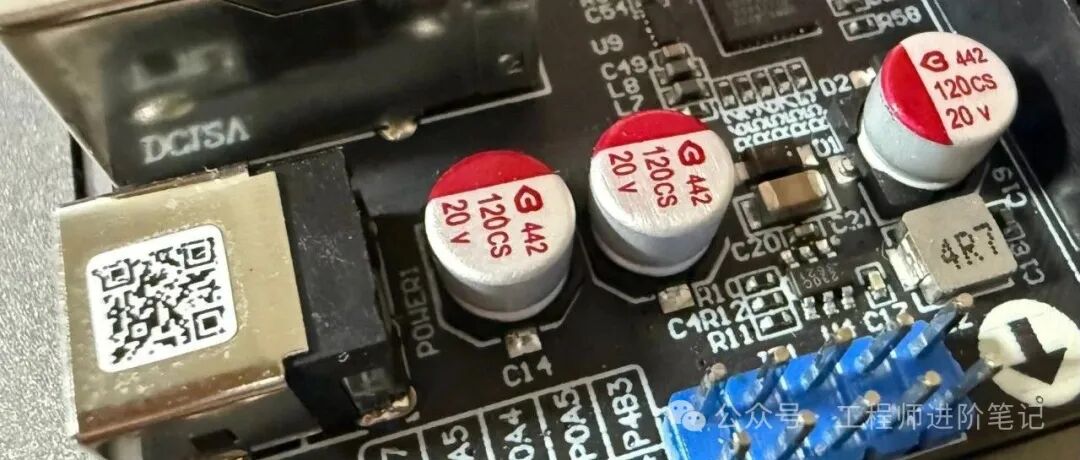
(Copy to the browser to open)We will analyze the software supporting materials in detail in the next article, welcome to follow, and finally, let’s enjoy some real photos of the development board.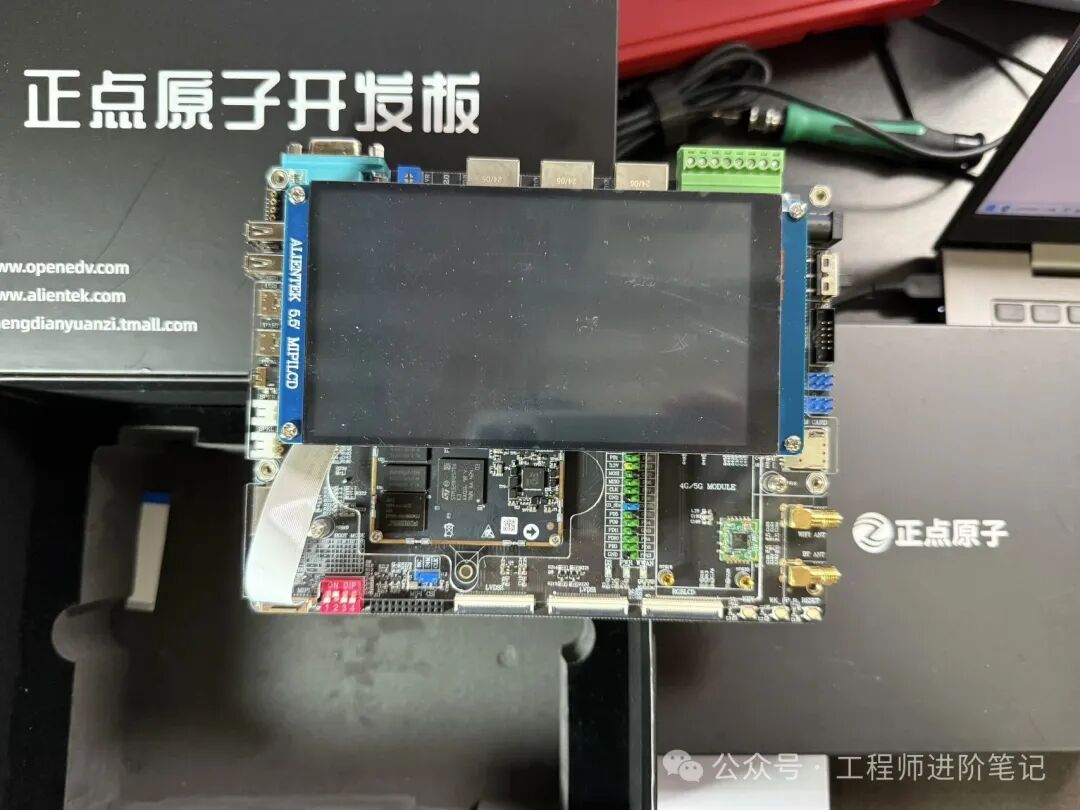
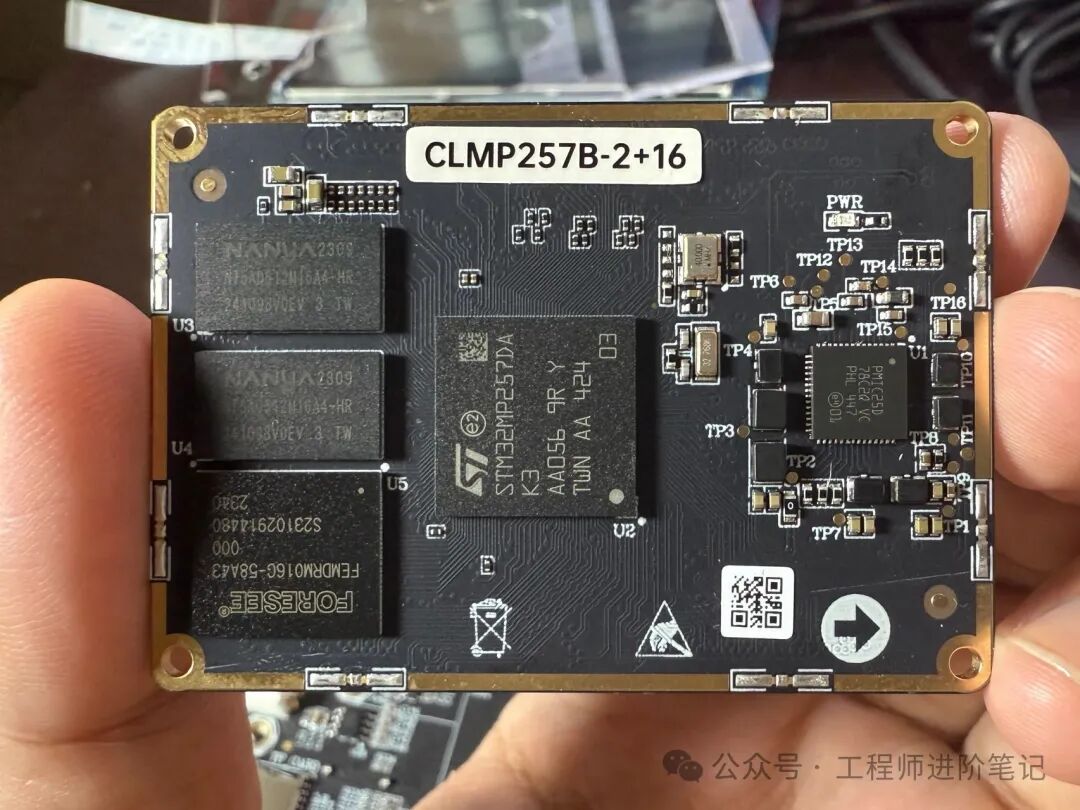
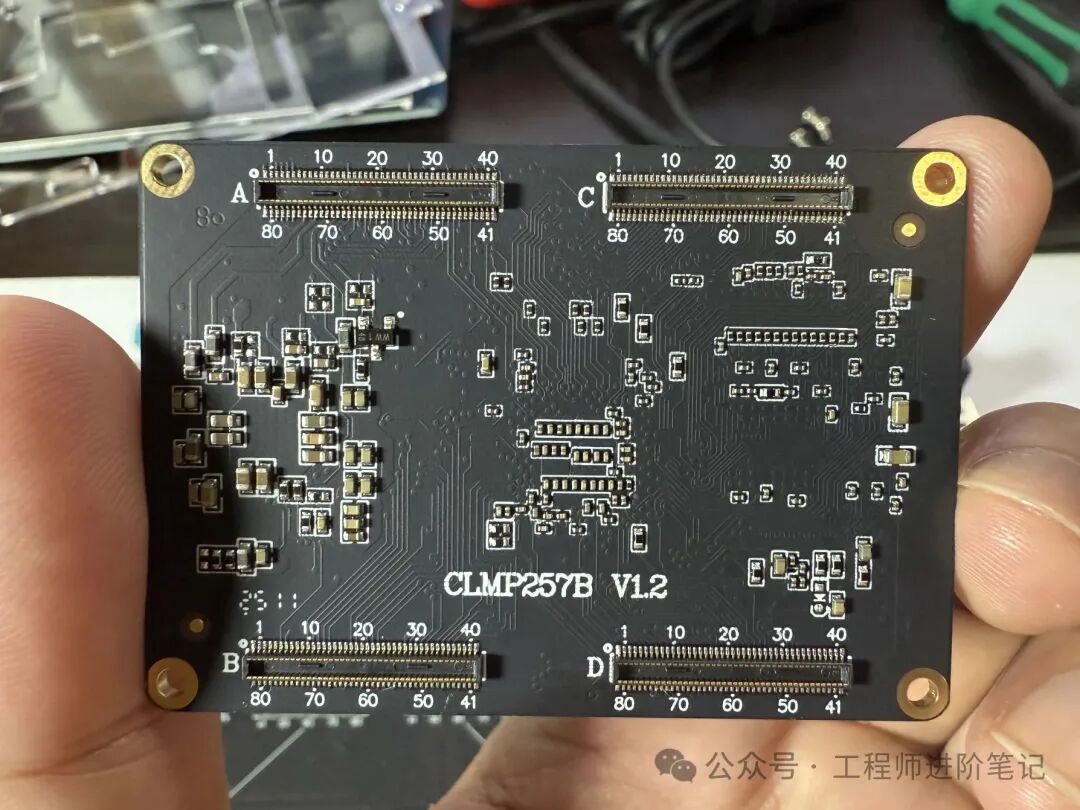
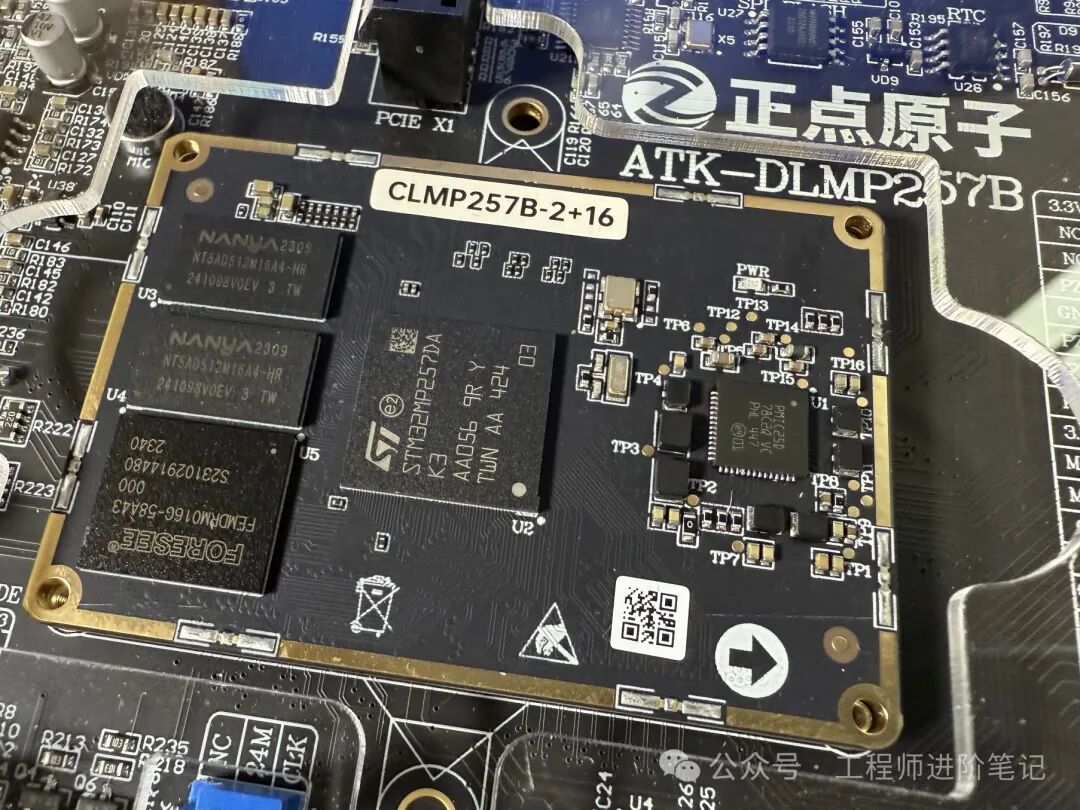
-END-
Previous Recommendations: Click the image to jump to read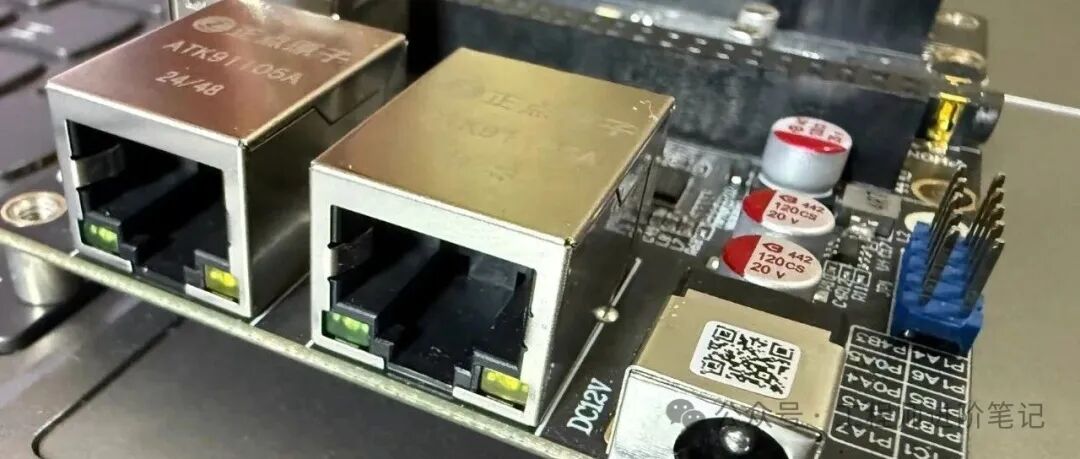
With increasing pressure, cost reduction has been a priority in recent years, and cost considerations must also be taken into account for beginners in embedded development!
Regarding the software documentation for embedded development boards, I have some personal views.
[Embedded AI] Setting up the development environment has discouraged many beginners?
[Sharing] Fun embedded AI, machine vision, and audio-video processing.
I am Lao Wen, an embedded engineer who loves learning.Follow me, and let’s become better together!