With the development of the smartphone market, user demands for mobile screens are continuously increasing.
In recent years, OLED screens have gradually become the preferred choice for major smartphone manufacturers, while the once-dominant LCD screens are being phased out.
This shift is driven by deeper reasons, which this article will analyze from four aspects.
1. OLED Screens Offer Superior Display Quality
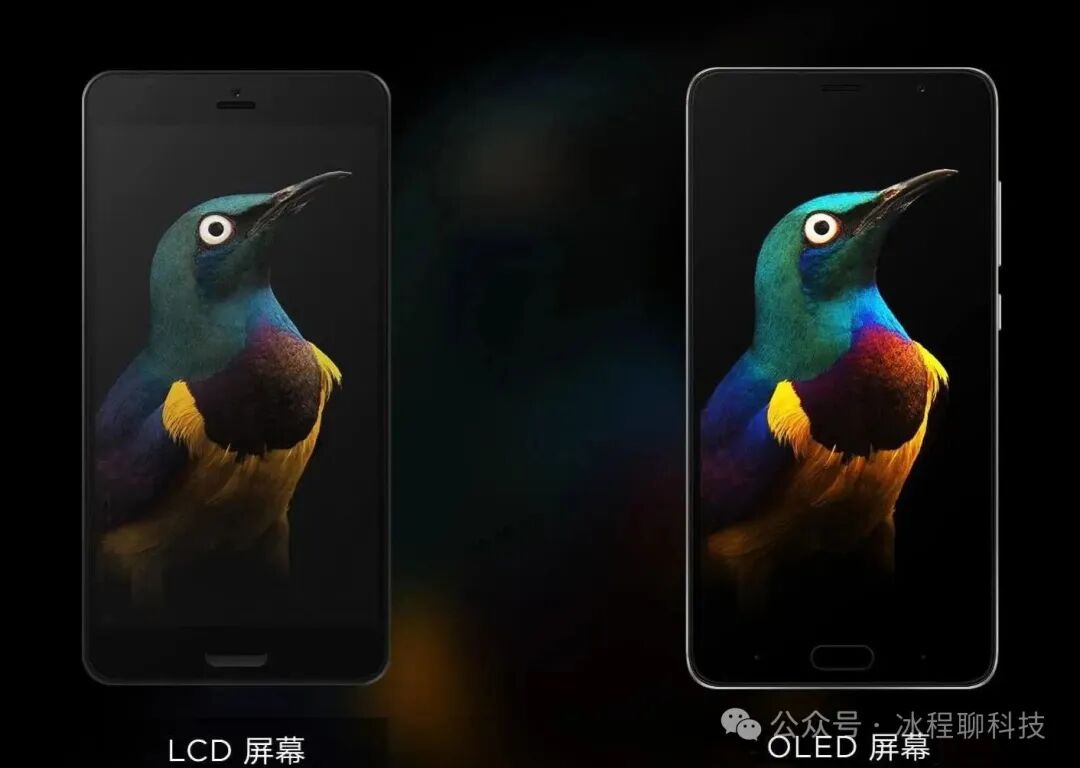
OLED screens utilize self-emissive technology, allowing each pixel to be independently controlled for brightness and color. This gives them an edge over LCD screens in terms of color representation, contrast, and viewing angles.
OLED screens can present more vibrant and saturated colors, and they can achieve true black in dark scenes, resulting in a significantly enhanced display quality.
In contrast, LCD screens require a backlight to illuminate the display, which compromises color accuracy and makes them appear dimmer in sunlight.
2. OLED Screens Are More Energy-Efficient and Environmentally Friendly
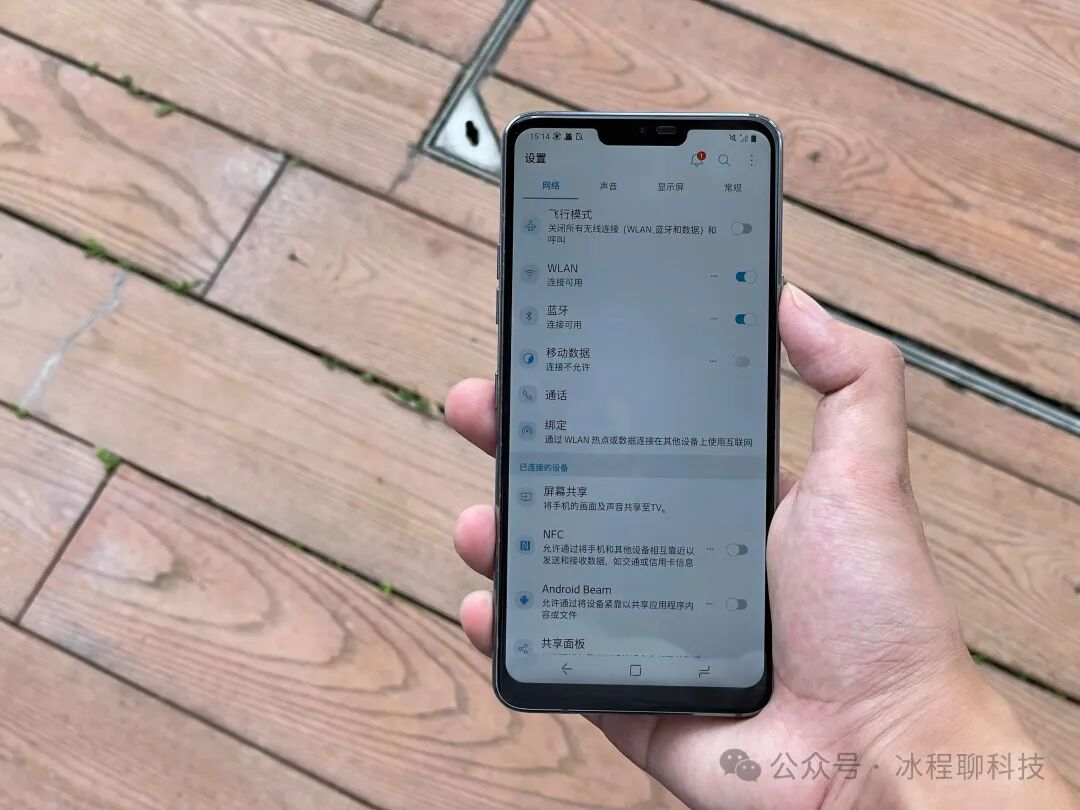 Because OLED screens use self-emissive technology, they do not require an additional backlight, resulting in lower power consumption compared to LCD screens.
This is crucial for smartphones with limited battery life, as it can effectively extend battery usage time.
Additionally, OLED screens do not contain harmful substances like mercury, making them more environmentally friendly.
In contrast, LCD screens require phosphors or LEDs as backlighting, which not only consumes more power but can also have a negative environmental impact during disposal.
3. OLED Screens Facilitate Full-Screen Designs
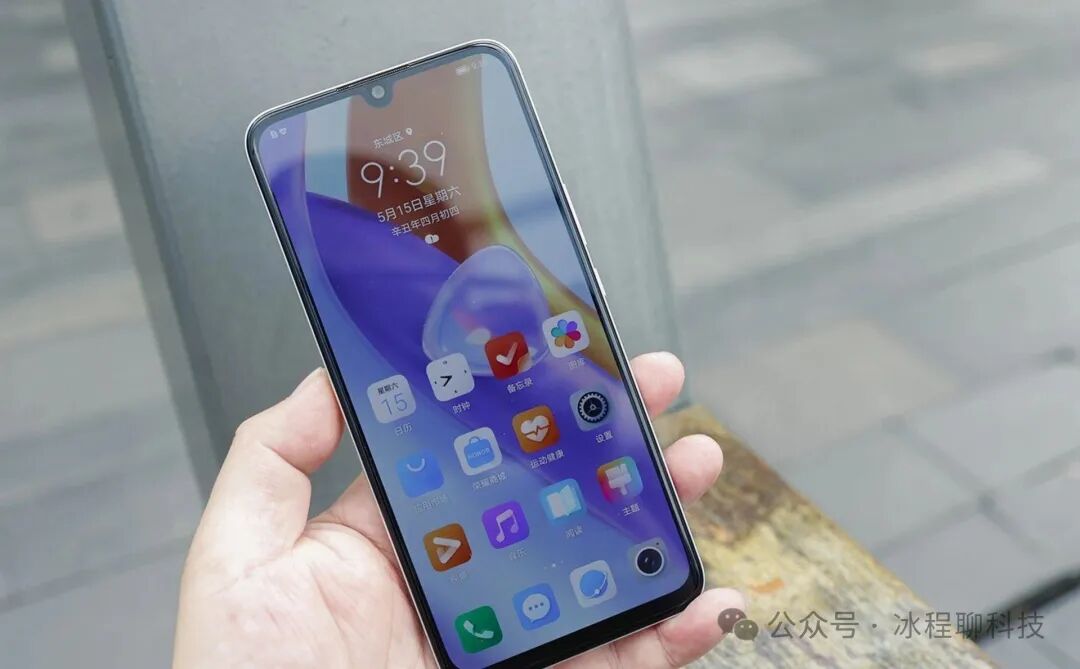
With the rise of full-screen smartphones, user demands for screen-to-body ratios are increasing, as they seek a more immersive visual experience.
OLED screens have the advantage of being flexible and can be made with extremely narrow bezels, even allowing for curved screen designs, which facilitates the realization of full-screen smartphones.
In contrast, LCD screens are limited by their material properties, making it difficult to achieve flexibility, and their top and bottom bezels are often wider, hindering further improvements in screen-to-body ratio.
4. OLED Screens Represent the Future Development Direction
 With the emergence of foldable smartphones, OLED screens once again showcase their unique advantages.
Since OLED screens can bend, they can be designed to fold, offering more flexible and varied smartphone forms.
In contrast, the rigid nature of LCD screens prevents their application in foldable smartphones.
It is foreseeable that as technology continues to advance, OLED screens will occupy a more significant position in the future smartphone market, representing the trend of industry development.
In summary, OLED screens are increasingly favored by smartphone manufacturers due to their outstanding display quality, energy efficiency, support for full-screen designs, and representation of future development directions.
In contrast, while LCD screens still have certain advantages in cost and lifespan, they are struggling to meet the ever-increasing demands of consumers.
It can be expected that OLED screens will become the mainstream choice for smartphones in the future, while LCD screens may gradually fade from the market.
For consumers, choosing a smartphone equipped with an OLED screen not only provides a superior display experience but also means staying at the forefront of industry trends.