On July 21, the 120 command and dispatch system in Ziyang City achieved a significant upgrade— the location information of all AEDs (Automated External Defibrillators) in the urban area has been fully integrated into the system. This means that when a citizen experiencing sudden cardiac arrest calls 120 for help, the dispatcher can not only quickly dispatch an ambulance at the moment the call is connected but can also simultaneously access the AED distribution map to accurately locate available devices near the emergency site. If it is determined that the patient requires an AED, the dispatcher will inform the caller or on-site rescuer of the nearest AED’s detailed location while dispatching the ambulance, and will also initiate standardized telephone guidance for cardiopulmonary resuscitation (CPR).
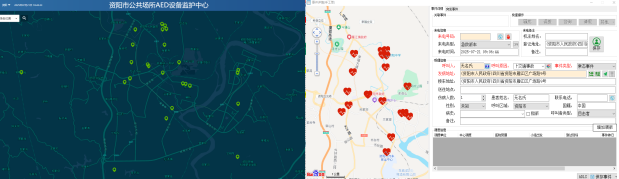
The golden time for rescuing cardiac arrest is only a short 4 minutes, and the early combination of AED and high-quality CPR can significantly improve the survival rate of patients. In the past, even if citizens knew there was an AED nearby, they might not be able to quickly find it in a panic. Now, the seamless integration of the dispatch system with the AED map allows the nearest life-saving device to be discovered, accessed, and used at critical moments, effectively bridging the last mile of pre-hospital emergency care.
The successful implementation of this function is a key step for the Ziyang City 120 command center in enhancing pre-hospital emergency capabilities and building a smart emergency response system. The system provides citizens with precise and reliable life navigation through AED location information. The next step for the center will be to enhance dispatchers’ ability to accurately identify cardiac arrest cases, optimize the collaborative telephone guidance process for AED + CPR, and continue to promote public knowledge of emergency rescue, gathering social forces to weave a more efficient and reliable urban life rescue network, allowing the life-saving device AED to race against time and win more hope for survival for patients experiencing sudden cardiac arrest.
Source: 120 Command DepartmentEditor: Health Education Department