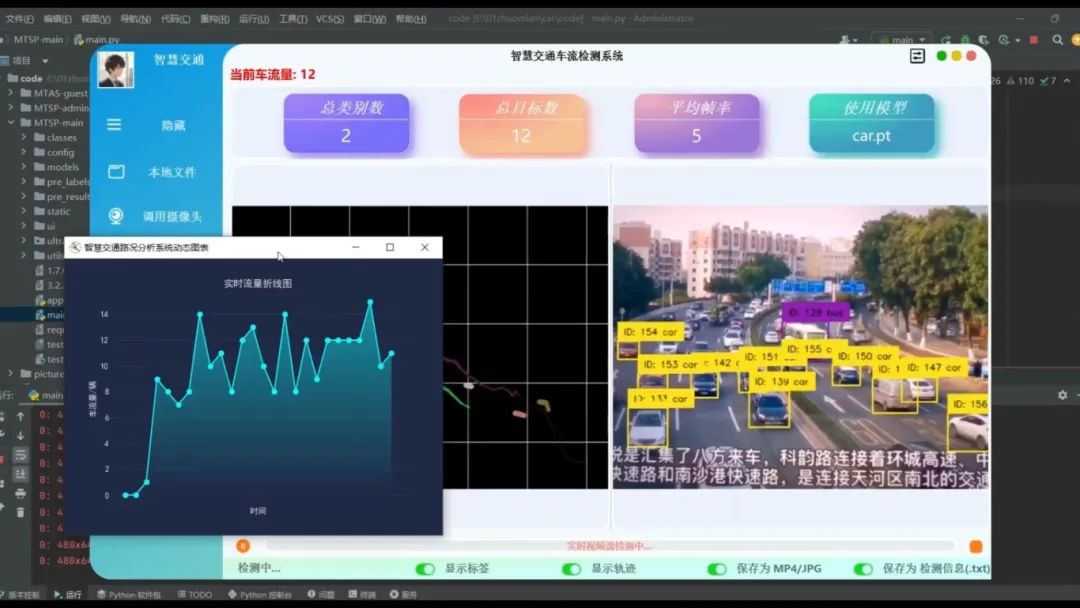

With the rapid development of autonomous driving technology, ADAS (Advanced Driver Assistance Systems) has become the ‘smart brain’ of modern vehicles. From automatic braking to lane keeping, these functions make driving safer and easier. But have you ever wondered what rigorous tests these ‘smart’ features undergo before mass production? This article will take you behind the scenes of ADAS testing, unveiling the mystery of safety validation in smart driving.
ADAS systems perceive the environment in real-time through cameras, radars, and LiDAR sensors, making decisions based on algorithms. Common features include:
-
ACC Adaptive Cruise Control (Automatic Following)
-
AEB Automatic Emergency Braking (Anti-Collision ‘Lifesaver’)
-
LKA Lane Keeping Assistance (Drift Prevention ‘Error Corrector’)
-
BSD Blind Spot Detection (Eliminating Blind Spots)
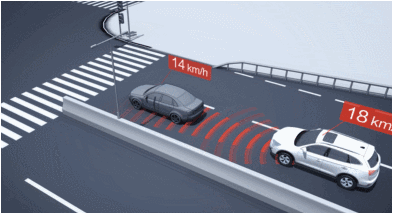

(Image Source: Internet)
A single misjudgment can lead to severe accidents. For example:
-
Extreme Scenario Validation: Can cameras identify pedestrians in heavy rain?
-
Boundary Condition Challenges: Does radar fail under bright light at tunnel exits?
-
Human-Machine Interaction Risks: Will system alerts be ignored by drivers?
(Image Source: Internet)
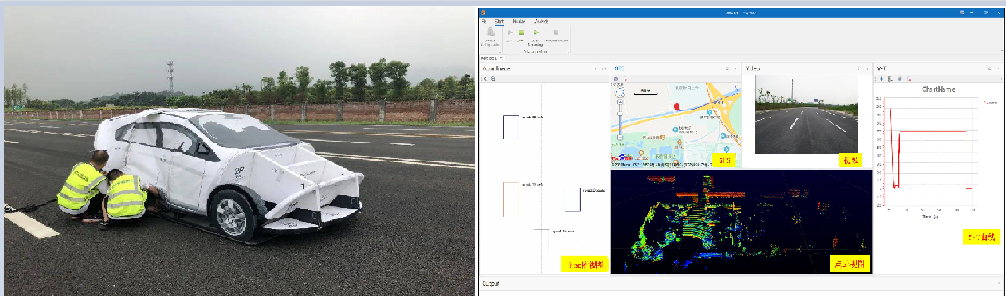
1. Closed Course Testing: ‘Mock Exams’ in Extreme Environments
-
Dedicated testing grounds simulate scenarios with dummies, obstacle vehicles, and variable lighting.
-
Typical Case: Euro NCAP’s AEB test (target vehicle/pedestrian suddenly appearing).
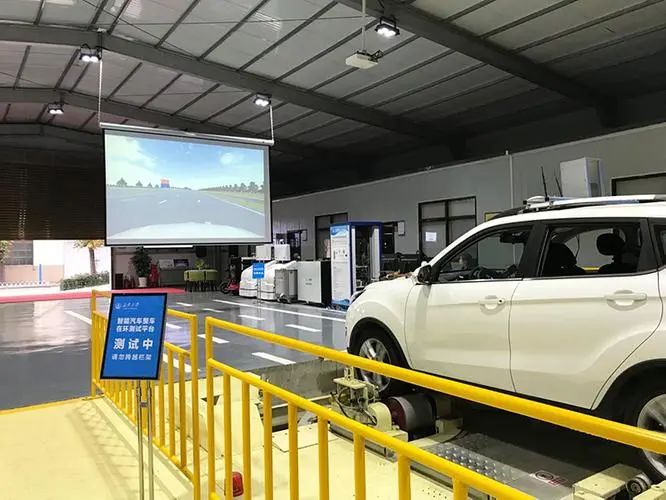
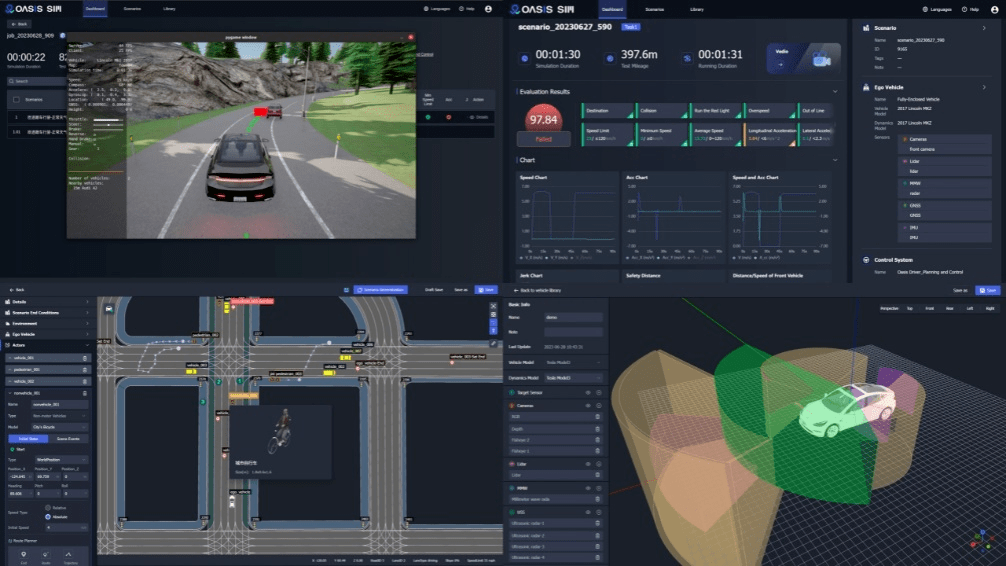
2. Virtual Simulation Testing: ‘Digital Laboratories’ of Millions of Kilometers
-
Tools like CARLA and Prescan generate vast amounts of extreme scenarios (e.g., typhoon weather, dense traffic).
-
Advantages: Low-cost coverage of 99.99% long-tail risks.
3. Real Road Testing: The ‘Ultimate Trial’ of Complex Conditions
-
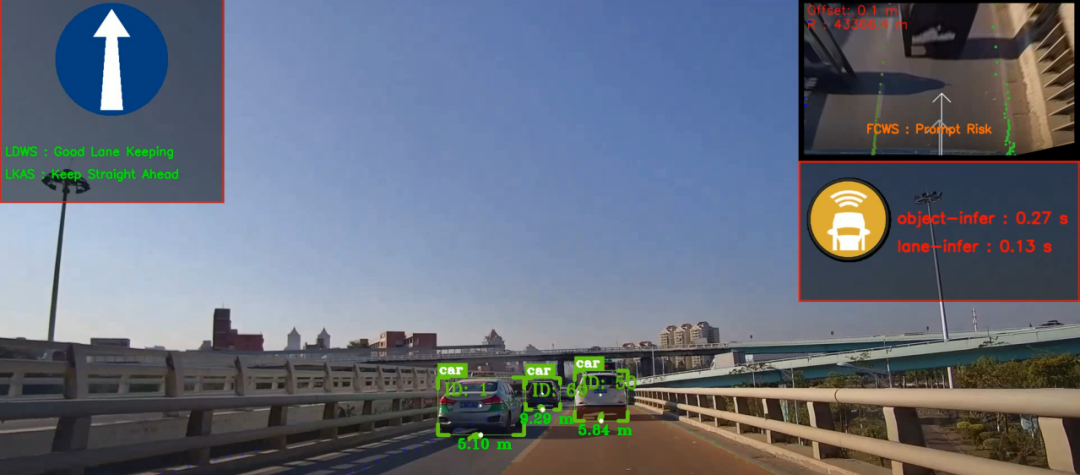
Accumulated millions of kilometers of road tests, covering all scenarios including urban, highway, and rural.
-
Tesla’s ‘Shadow Mode’ collects user driving data in real-time to optimize algorithms.
-
Challenge 1: How to balance testing costs and coverage?
-
Challenge 2: Regulations lag behind technological development (e.g., LiDAR standards are not yet unified).
-
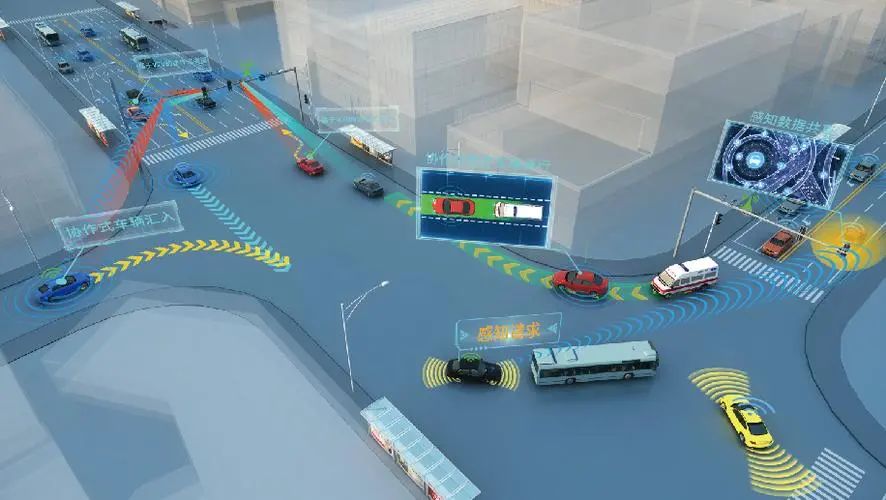
Future Trends: AI-driven automated testing, V2X (Vehicle-to-Everything) scenario integration.
ADAS testing is like putting a ‘tightening spell’ on smart cars, both constraining risks and guiding the direction of evolution. The next time your beloved car automatically avoids danger, remember the countless engineers and testing scenarios that work day and night behind the scenes.