
Electrocardiogram Testing Overview
– Jiyuan City Maternal and Child Health Hospital ECG Room –
The heart, during each cardiac cycle, is excited sequentially by the pacemaker, atria, and ventricles, accompanied by changes in bioelectricity, which are recorded by an electrocardiogram (ECG) machine to produce various forms of potential change graphs. The ECG is an objective indicator of the occurrence, propagation, and recovery processes of cardiac excitation, and it is the earliest, most commonly used, and the most fundamental diagnostic method for coronary heart disease.It is suitable for health examinations and the diagnosis and differential diagnosis of cardiovascular diseases.
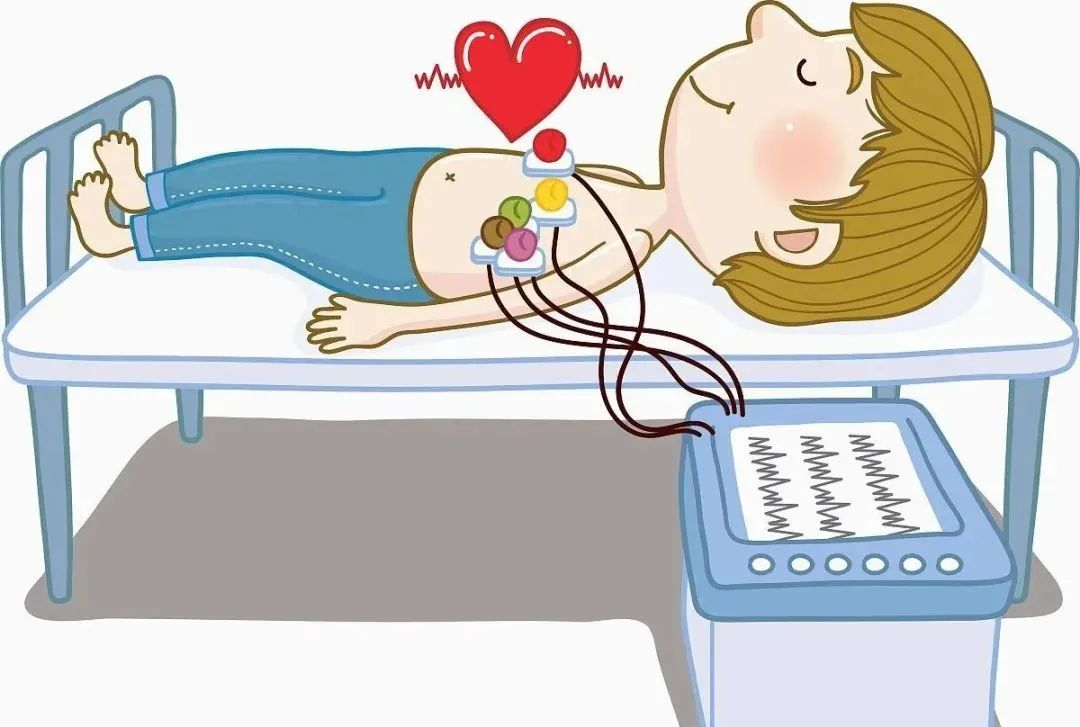


Electrocardiogram Testing
The heart is a special tissue capable of spontaneously generating and conducting electrical excitation. This tissue regularly produces electrical excitation and quickly conducts it throughout the heart, triggering overall cardiac contraction and subsequent relaxation activities, promoting blood flow in the circulatory system. At the same time, electrical excitation also generates an electric field within the body, which is transmitted throughout the body via conductive tissues and body fluids surrounding the heart. Due to the constantly changing nature of the electric field, metal probe electrodes placed at different body parts (within the electric field) sense different instantaneous electric field strengths and polarities, resulting in a potential difference between the electrodes and generating a weak current. Using engineering signal amplification and recording techniques (ECG machine), this is amplified and recorded, resulting in the ECG graph. Traditional ECG records from the body surface, also known as surface ECG.Although the ECG is not a direct recording of the heart’s bioelectric activity, it can accurately record the bioelectric changes during excitation generation, conduction, and recovery processes. Therefore, the ECG is the only clinical testing method and the ‘gold standard’ for the vast majority of arrhythmias. Common arrhythmias include various premature contractions, tachycardia, flutter, fibrillation, and conduction blocks in various regions. Anatomical abnormalities, electrophysiological abnormalities, and electrolyte changes can alter the conduction time and direction of cardiac electrical excitation, making the heart’s electric field activity different from normal. Observing this can help diagnose some diseases, such as myocardial ischemia, myocardial infarction, and pre-excitation syndrome. It can assist in diagnosing certain diseases, such as atrial and ventricular hypertrophy. The ECG has diagnostic value in various electrolyte disturbances, such as low or high blood potassium levels. Additionally, for certain medications like digoxin and antiarrhythmic drugs, ECG follow-ups help understand the effects and side effects of the drugs. Moreover, various cardiac procedures, such as coronary angiography, cardiac interventional therapy, cardiac surgery, pacemaker installation, and cardiac electrophysiological examinations, must be conducted under ECG monitoring to promptly understand cardiac activity.Due to continuous improvements in measurement instruments and methods, along with studies of individual myocardial cell electrophysiology, ECG has rapidly developed both theoretically and practically. The ECG of a normal person generally has five waves,namely P, Q, R, S, and T waves. The P wave represents atrial depolarization, the QRS complex represents ventricular depolarization, the T wave represents ventricular repolarization, and the P-Q interval (the time from the start of the P wave to the start of the QRS complex) represents the conduction time of excitation between the atria and ventricles.
Indications for Electrocardiogram Testing
1. Analyze and differentiate various arrhythmias;2. Identify coronary circulation disorders;3. Indicate the conditions of left and right atrial and ventricular hypertrophy, assisting in the diagnosis of valvular heart disease, hypertension, pulmonary heart disease, and congenital heart disease;4. Understand digoxin poisoning, electrolyte disturbances, and other conditions.
What to Pay Attention to Before Electrocardiogram Testing?
1. Rest for 15 minutes before the test, avoid overeating, cold drinks, and smoking.
2. During the test, lie flat, relax all muscles, breathe steadily without deep breaths, keep quiet, and avoid talking or moving positions to prevent baseline instability.
3. Female patients should avoid wearing dresses or jumpsuits and should not wear long stockings.
4. Inform the doctor about any medications taken, such as digoxin, potassium salts, calcium, and antiarrhythmic drugs, before the test.
5. Avoid using mobile phones during the test and remove any magnetic and metallic items worn.
What to Pay Attention to During Electrocardiogram Testing?
1. Maintain a relaxed mindset
Many patients feel unusually nervous during their first ECG, and excessive anxiety can lead to an increased heart rate, indirectly causing errors in the ECG results, which can affect the doctor’s judgment. Sometimes, nervous emotions can also generate a large amount of bioelectricity in the body’s muscles, which can also affect the ECG diagnosis. Therefore, patients can think about things they are interested in to alleviate their anxiety and relax.
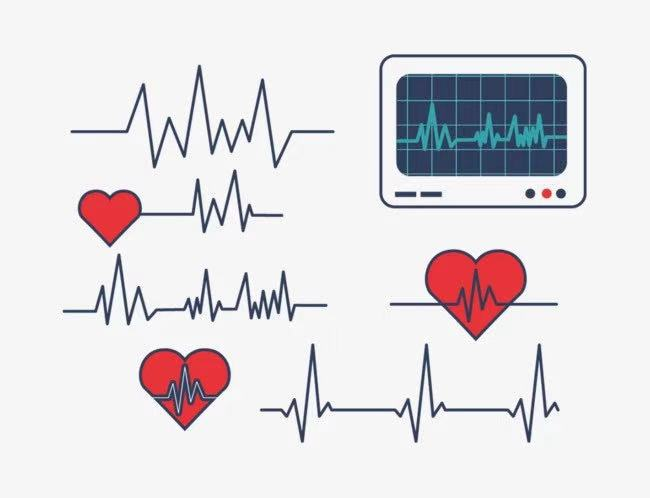
2. Avoid the influence of medications
Some medications can affect the ECG results, such as digoxin and quinine. Therefore, before the ECG test, patients should inform the doctor about the medications they are taking so that the doctor can make judgments based on the patient’s medication history, thereby better preventing these medications from affecting the ECG results.
In summary, ECG testing can effectively check whether the patient’s heart has abnormalities. Therefore, if patients experience symptoms such as chest tightness, palpitations, or difficulty breathing, they should promptly go to the hospital for an ECG test to avoid heart disease issues. Only in this way can patients better prevent heart diseases and improve their overall health.

The ECG is one of the essential auxiliary examination items in clinical practice and a major examination item in health checks. Our department has long been responsible for routine ECG examinations for outpatients, inpatients, and elderly health checks in the Jishui area. We currently conduct 12-lead, 15-lead, 18-lead, and pediatric ECGs, providing bedside examination services for critically ill patients, and can complete routine clinical and health check tasks. Our department always adheres to the patient-centered guiding ideology, striving to improve medical and service quality, and sincerely serves the public.
Contact Number: 0391-6688815
 Contributed by | ECG Room Li ShuyuEdited by | Publicity Department Hao Wenxian