
With the strong promotion of 5G by various brands, everyone currently has a preliminary understanding of 5G.
 However, because of this, many people say that their wireless router has already adopted 5G signals, and the most intuitive sign is that the Wi-Fi name is followed by a 5G label.
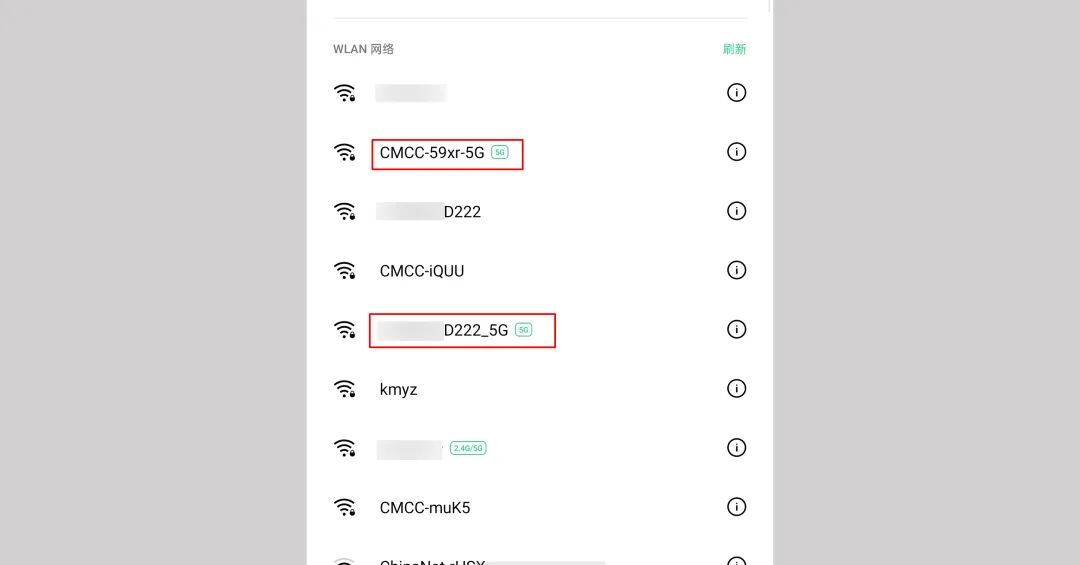
Are They the Same Thing?
 The answer is definitely no; they can be said to be two different things.
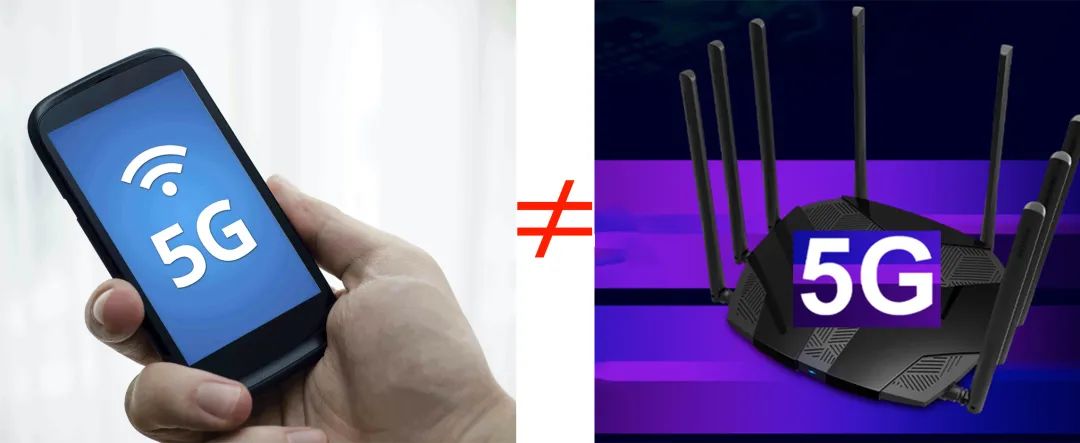 The 5G on the wireless router refers to the Wi-Fi operating frequency band, while the 5G on mobile phones refers to the fifth-generation cellular network technology standard.
 However, they both represent a better network experience in their respective fields.Why is the 5G on mobile phones getting more attention?As mentioned earlier, various brands are vigorously promoting 5G, from online popular science to offline dissemination, from elevator brainwashing to public transport coverage, which over time has given users a concept of 5G.
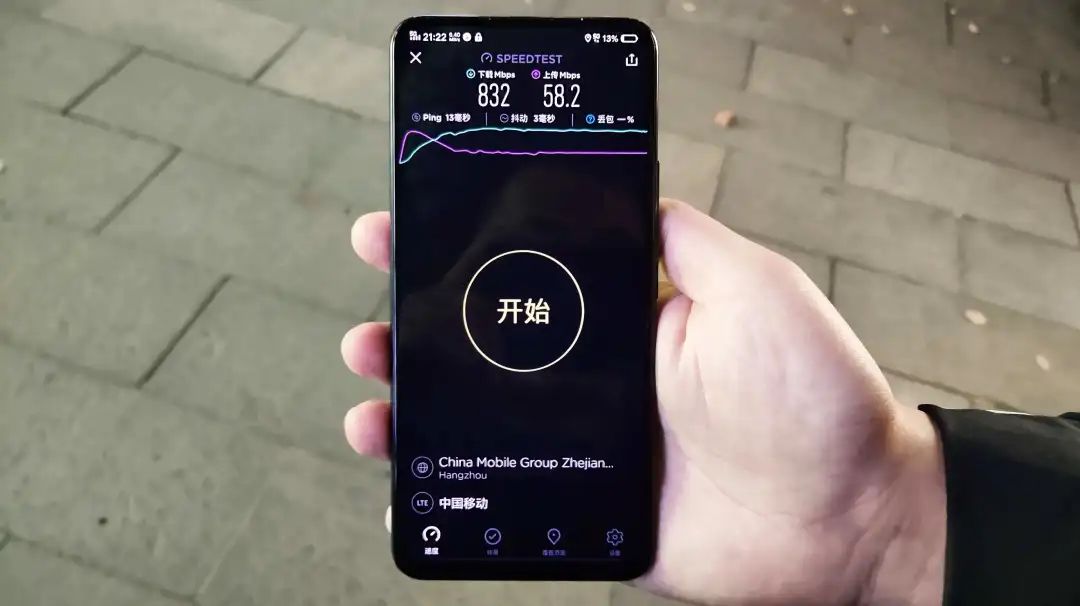 Although the release time of the 5G frequency band on wireless routers was much earlier than that of mobile phones, it only improved speed without increasing coverage.
 Moreover, the broadband rates provided by early operators can also be released under the basic 2.4G frequency band, leading to a particularly weak user perception.
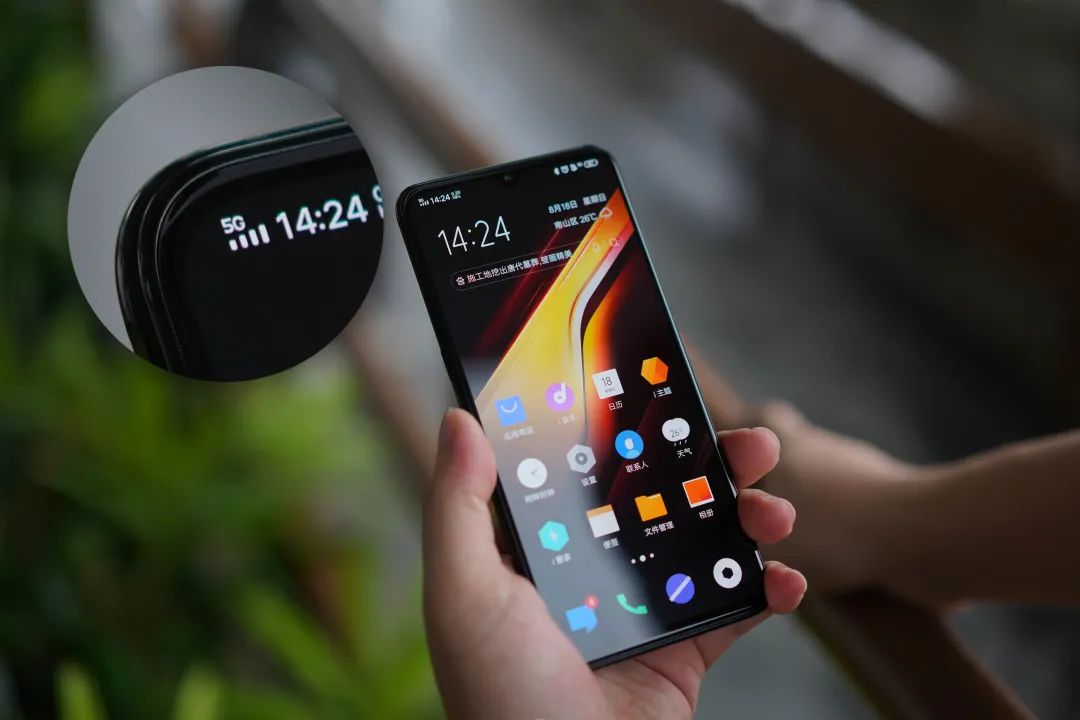 However, this does not apply to 5G on mobile phones, as 5G has caused a sensation upon its debut and visibly improved user experience, such as: faster speeds and lower latency.
 Of course, many users are still in the “watching” stage, and further popularization requires richer 5G supporting services.A simple trick to make the 5G on wireless routers more effectiveAlthough the 5G frequency band on wireless routers has not caused a significant user response, this does not mean it is useless.
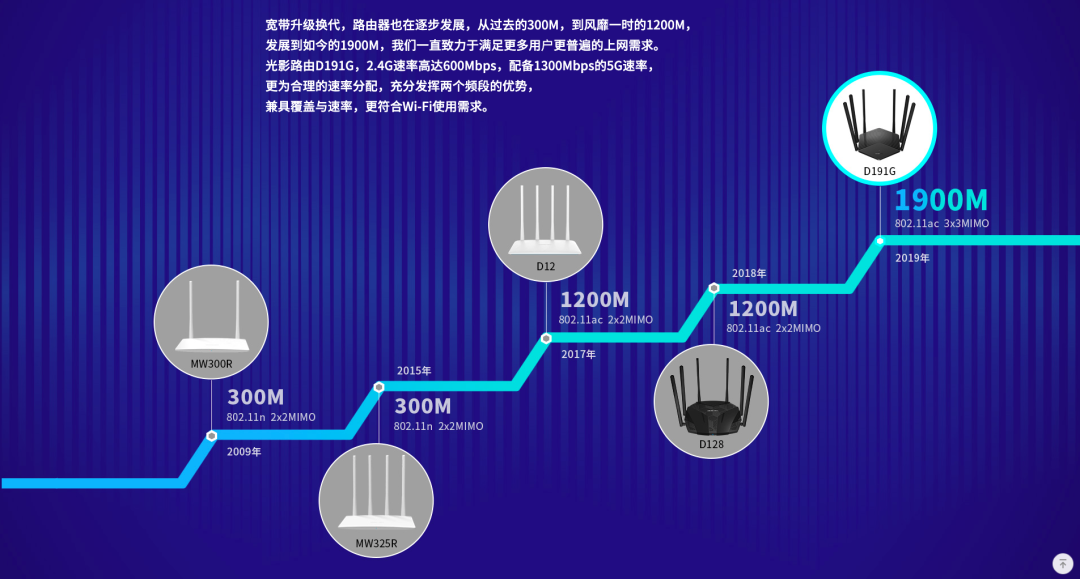 On the contrary, in the context of home broadband gradually moving towards hundreds of megabits and gigabits, it has become particularly necessary for wireless routers to support the 5G frequency band.
 Compared to the 2.4G frequency band, the 5G frequency band has a wider bandwidth, which naturally allows for faster transmission rates.In simple terms, the 2.4G frequency band is like a national road, while the 5G frequency band is like a highway; as long as your vehicle (broadband) is fast enough, you can have a better network experience.
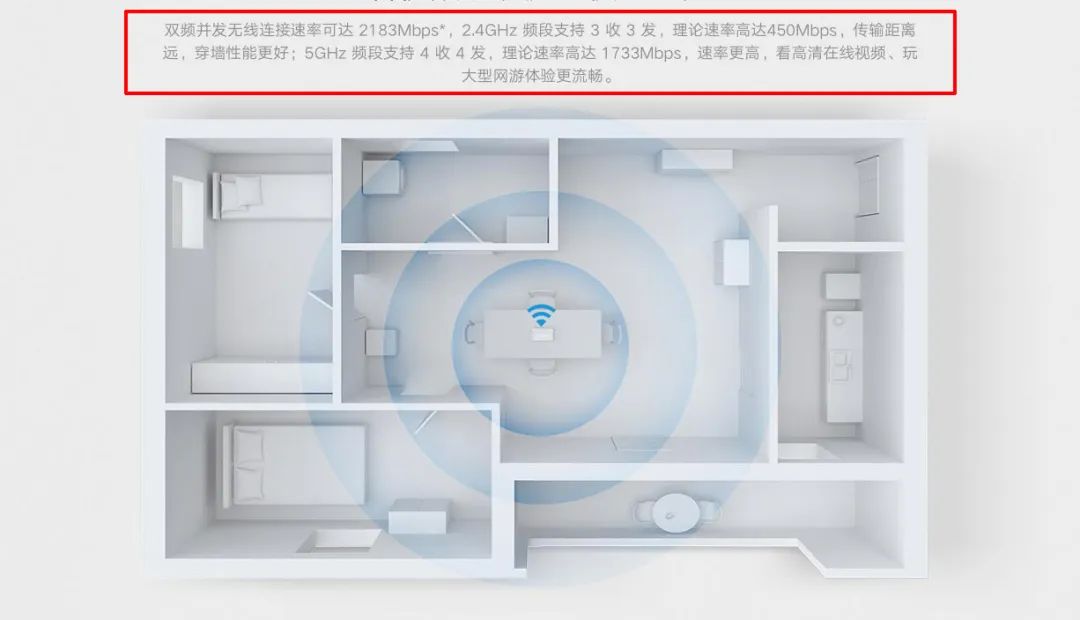 However, because the bandwidth of the 5G frequency band is wider than that of the 2.4G frequency band, the coverage range of the 5G frequency band is smaller, and its ability to penetrate walls is also weaker.
 Fortunately, wireless routers provide a “dual-band integration” switch that can separate connections for the 2.4G and 5G frequency bands.
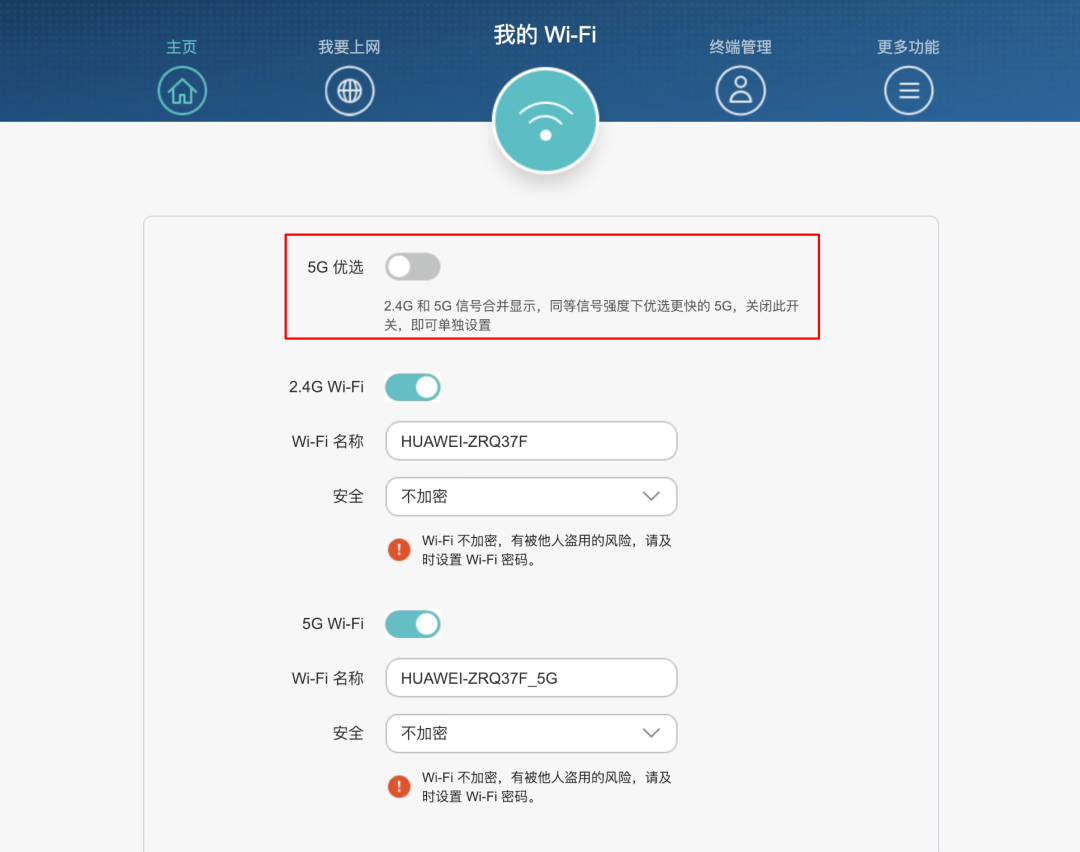 When this dual-band integration feature is turned off, there will be two names for the same Wi-Fi signal, one with 5G or 2.4G.
 At this point, you only need to choose which one to connect based on your environment; for example, if you are close to the router, connect to the one with 5G for guaranteed speed, and if you are in the bathroom, connect to the 2.4G for guaranteed connectivity.
 That concludes this introduction about the 5G on wireless routers and the 5G on mobile phones.
 If you have better suggestions to improve your home Wi-Fi, feel free to chat in the comments!
Source: Mobile Professor
Editor: Xiao Huibing

Spread 5G Quickly↘↘↘