Qian/Yuan/Technology

Clickthe blue textto follow us
Classification of LED Displays01 Classification by Application Location
According to different application locations, LED displays can be divided into two types: indoor and outdoor:
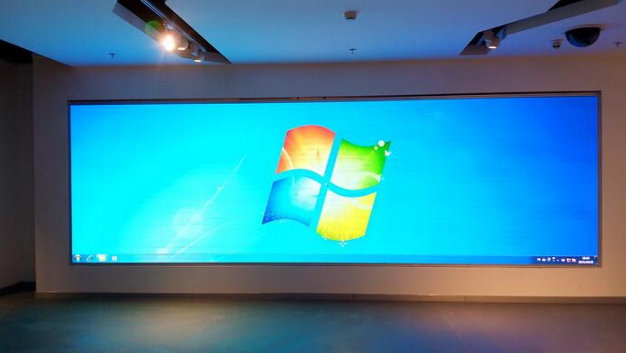
Indoor screens are mainly used indoors. In terms of manufacturing process, the first step is to create light-emitting chips into dot matrix modules (or digital tubes), which are then spliced into display unit boards of certain sizes. Based on user requirements, these unit boards are spliced together to form the required size.
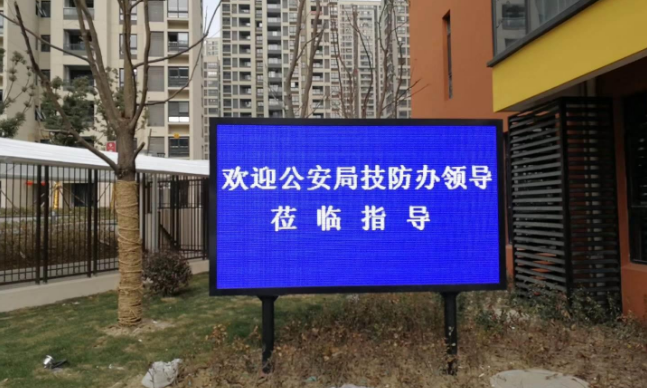
Outdoor screens are mainly used outdoors. In terms of manufacturing process, the first step is to package light-emitting chips into individual light-emitting diodes, referred to as single lamps. The single lamps used for outdoor screens generally adopt reflective cups to enhance brightness. Multiple LED single lamps are then packaged into a single pixel tube or pixel module, which forms a dot matrix display unit box. Based on user needs and display application locations, a display unit box serves as the basic unit to form the required size. The box should be designed to be sealed to achieve waterproof and fog-proof purposes, making it suitable for outdoor environments.
02 Classification by Base Color
According to the colors of LEDs used, LED displays can be divided into three types: single color, dual color, and full color:
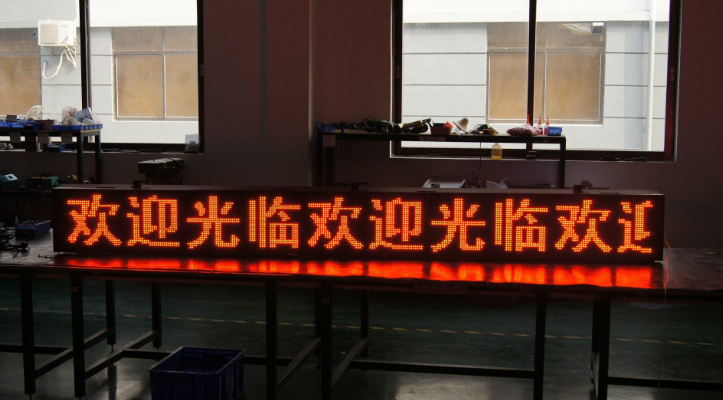
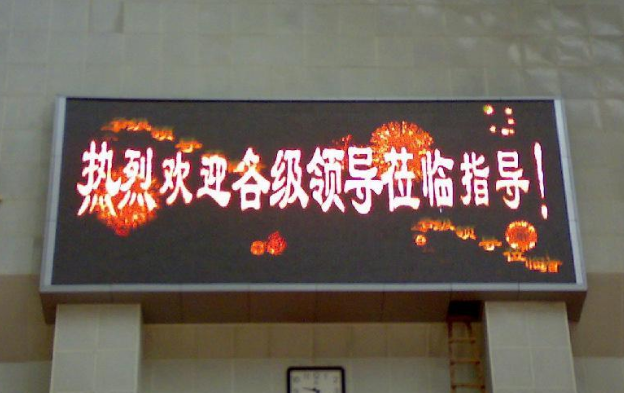
Single color: Each pixel only has one color, mostly red, because red has a higher luminous efficiency and can achieve higher brightness. It can also be green or mixed, meaning some are red, some are green, and some are yellow.
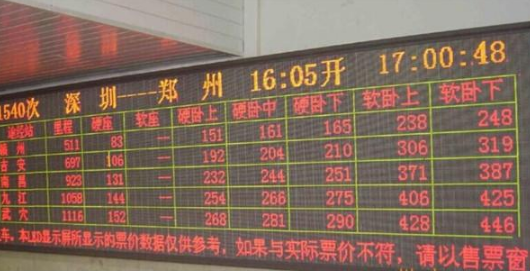
Dual color: Each pixel has red and green colors, which can combine to create yellow. With gray control, by varying the gray of red and green, up to 65,535 colors can be created.
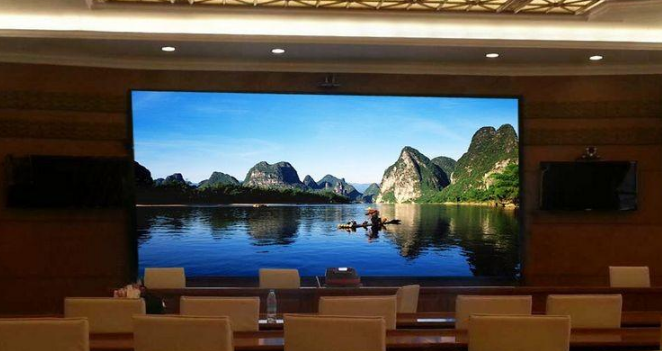
Full color, also known as three colors, has red, green, and blue in each pixel. With gray control, by varying the gray of red, green, and blue, it can accurately reproduce the colors of nature, combining to create 16,777,216 colors.
03 Classification by Function
According to the functions of the screen, LED displays can be divided into synchronous and asynchronous screens:
Asynchronous screens: These displays are mainly used to show text and graphics, dynamic GIF animations. They communicate with a computer to input information. The advantage of asynchronous screens is the rich variety of fonts and graphics displayed. Compared to synchronous screens, the biggest advantage of asynchronous screens is that they do not require a long-term connection to a computer and can display offline (after uploading data, the computer can disconnect or be taken away).
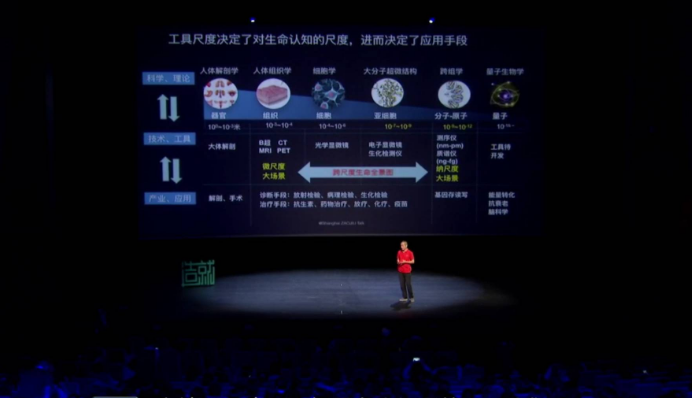
Synchronous screens: These displays have a one-to-one mapping relationship between the screen pixels and the computer monitor pixels, with gray control, making their expressiveness extremely rich. They can be configured with multimedia cards, and can also play video signals. Synchronous screens have good openness, reflecting the computer monitor’s display in real-time.
04 Classification by Process
According to the manufacturing process of the screen unit board, LED displays can be divided into three types: through-hole lamp unit boards, module unit boards, and surface-mounted unit boards:
Through-hole lamp unit boards: These displays are generally used outdoors, characterized by high brightness and good light gathering effect of the lamps. The downside is that achieving high density is challenging (in fact, high density is not needed for outdoor use). The arrangement of colored screen lamps can be done in a three-in-one or three-in-one configuration.
Module unit boards: These displays are generally used indoors, characterized by good light emission of the lamps, full display of text, high density, and close viewing distance. Early types of single and dual color screens.
Surface-mounted unit boards: These displays use the latest technology, characterized by ultra-high density, with early color templates being three-in-one, and the latest technology being three-in-one.
05 Classification by Communication Method
According to communication methods, mainly referring to offline displays, LED displays can be divided into three types: serial communication, USB communication, and network communication:
Serial communication: This was an early communication method for displays, now gradually being phased out. Its characteristics include slow transmission speed, complex communication line production, and no support for hot-swapping.
USB communication: Generally used for smaller single and dual color LED display communications, mainly characterized by convenience.
Network communication: Can be used for all displays, characterized by fast transmission speed and long transmission distance.
Source: LED Display Technology Support
Previous Selections:
Key points for small-scale monitoring layout in shops and homes
Do enterprises need to build a dedicated website?
Want to know more information? Follow us!
Feel free to call or leave a message!

Phone: 0854-2779389
Mobile:18685093999 19185046915
Address: Second Floor, Canteen, Yongyang Street Office, Weng’an County

Scan the QR code|Follow us
WeChat ID|wa-0854
Press and hold to follow