 Authors|Bai Xue, Mao Xinru“This is not the spring of robots; this is the summer of robots.”This may be the most lively and insightful edition of the World Robot Conference in its 10-year history.On one hand, the number of exhibiting companies reached a historical peak, with over 200 domestic and international robot companies showcasing more than 1500 exhibits.More importantly, this year’s robots are moving.
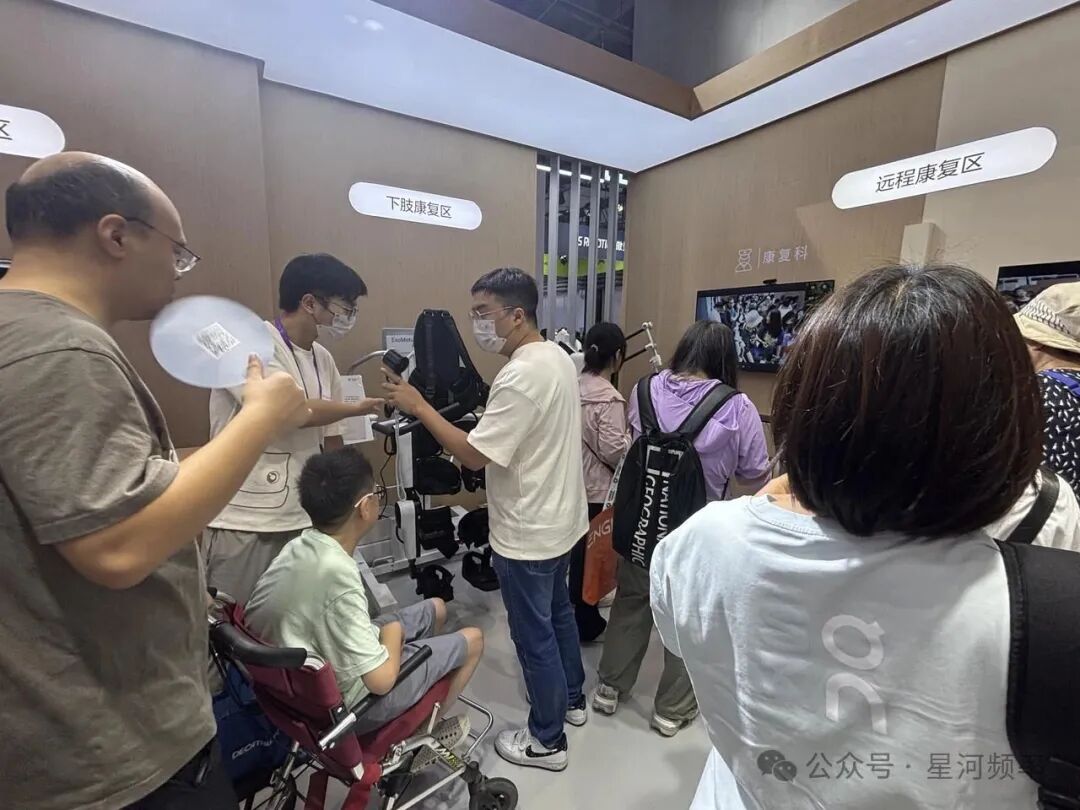
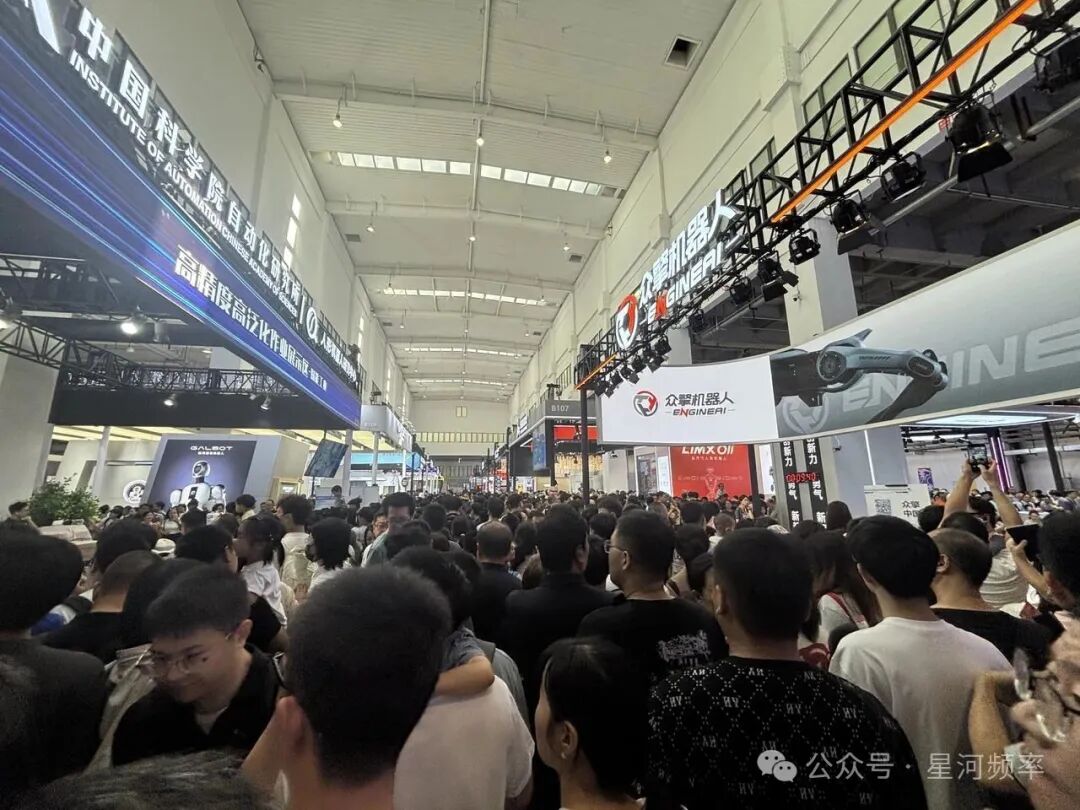 A participant who has attended the conference for six consecutive years mentioned: “The changes from last year to this year are significant; last year, robots were just displayed, but this year they are moving.”The World Robot Conference also reflects the diversity of the robotics industry chain. The B Hall, which focuses on robot bodies, was bustling with crowds. Upon entering, companies like Zhongqing, Zhijidian, Fourier, Magic Atom, Vitas Power, Qianxun Intelligent, and Xinghai Map were lined up. If there were boxing matches or dance performances at a booth, forget about getting in; it was too crowded.The A Hall gathered star robot companies such as Yushu, UBTECH, Zhi Pingfang, and Yuejiang Robotics.The C Hall mainly featured suppliers providing hardware and software solutions for the robotics industry, as well as core components, such as Hesai Technology, Suton Juchuang, Lingxin Qiaoshou, Lingqiao Intelligent, and Aoyi Technology.Behind the excitement, robots are transitioning from remote control and programming to autonomous thinking, from flashy performances to practical applications in real-world scenarios. However, taking a step further, humanoid robots at the top of the food chain have yet to achieve commercial viability. A humanoid robot that costs several million to develop relies either on financing or on profits from companies selling delivery robots to sustain their engineering teams.Every company is striving to make itself look more appealing.When you tire of watching robots pop popcorn, you might suddenly notice a parent pushing a child in a wheelchair to learn about lower limb exoskeleton robots. At that moment, you realize that technology is advancing rapidly, and it is not leaving anyone behind.
 Some say there is no consensus at this conference, but that is not the case. There are disputes over algorithms and data, real versus simulated data, model capabilities, and robot forms.These debates are precisely the foundation of the era of chaotic robotics.All robot companies are pursuing advanced forms of embodied intelligence, and the extravagant displays are precisely the charm of this conference.This time, we attempted to outline the industry’s preliminary consensus from five key areas: robot brains, chips, bodies, eyes, and hands.
 Robot Brain: VLA as the Source of Thousands of Models,Having the ability to think is the fully evolved form.A general-purpose robot = general-purpose brain + general-purpose body, which is the basic understanding of general-purpose robots in the industry.After visiting the WRC, all manufacturers’ general-purpose brains can be categorized into three levels of capability:
- Basic: Robot actions mainly rely on remote control and programming, for example, a mysterious person in black standing behind the robot is the human operator controlling it.
- Intermediate: Can achieve a certain level of autonomous thinking in specific scenarios, such as autonomously sorting packages in a delivery scenario.
- Advanced: Possesses a high degree of cross-scenario generalization ability, with autonomous thinking capabilities in most scenarios. Currently, products with this capability have yet to appear, mainly because the VLA model is still in the laboratory stage.
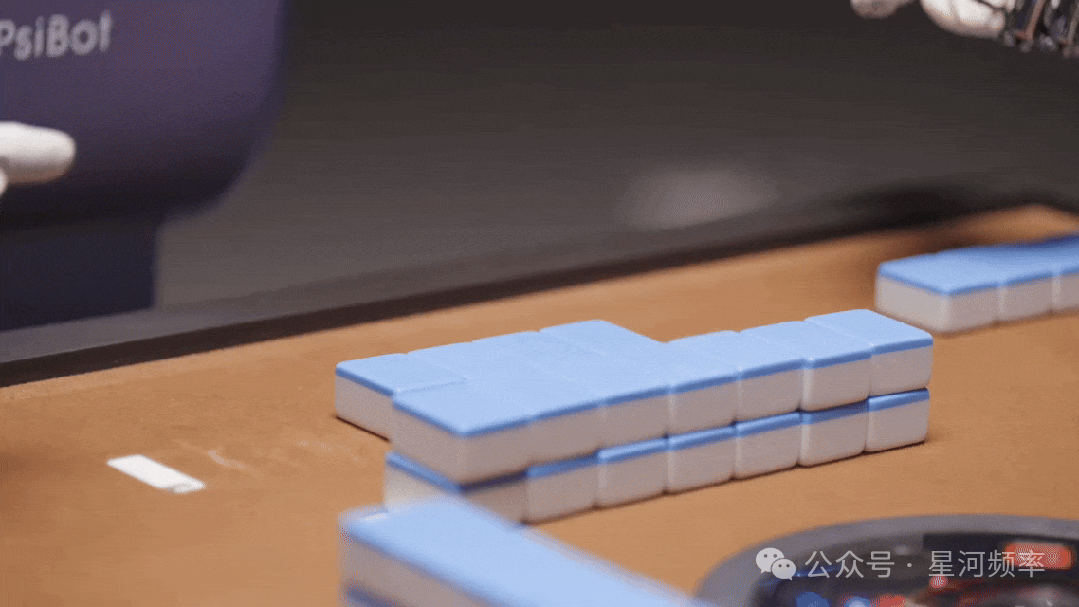
High-level capabilities can be understood as the critical point of the robot brain. Wang Xingxing gave an example: the critical point for a robot should be that even if it arrives at an unfamiliar venue, as long as it is told to bring a bottle of water to the audience, it can complete the task independently.To achieve this level of autonomous thinking, the mainstream solution in the industry is to develop towards the VLA model. This model can integrate visual perception, language understanding, and physical actions, allowing robots to understand human commands and comprehend the current environment, ultimately achieving self-awareness to complete tasks after understanding language.The most obvious trend at the WRC is that robot brains are centered around the VLA model, with companies like Xingdong Jiyuan, Xinghai Map, Qianxun Intelligent, Galaxy General, and Lingchu Intelligent leading the way.In December last year, Xingdong Jiyuan, the only Tsinghua University-affiliated company, released the algorithm framework iRe-VLA for training embodied large models through reinforcement learning.Integrating it into the embodied large model ERA-42 allows for end-to-end VLA model control of high degrees of freedom humanoid robots for tasks such as flexible item sorting and scanning through voice commands.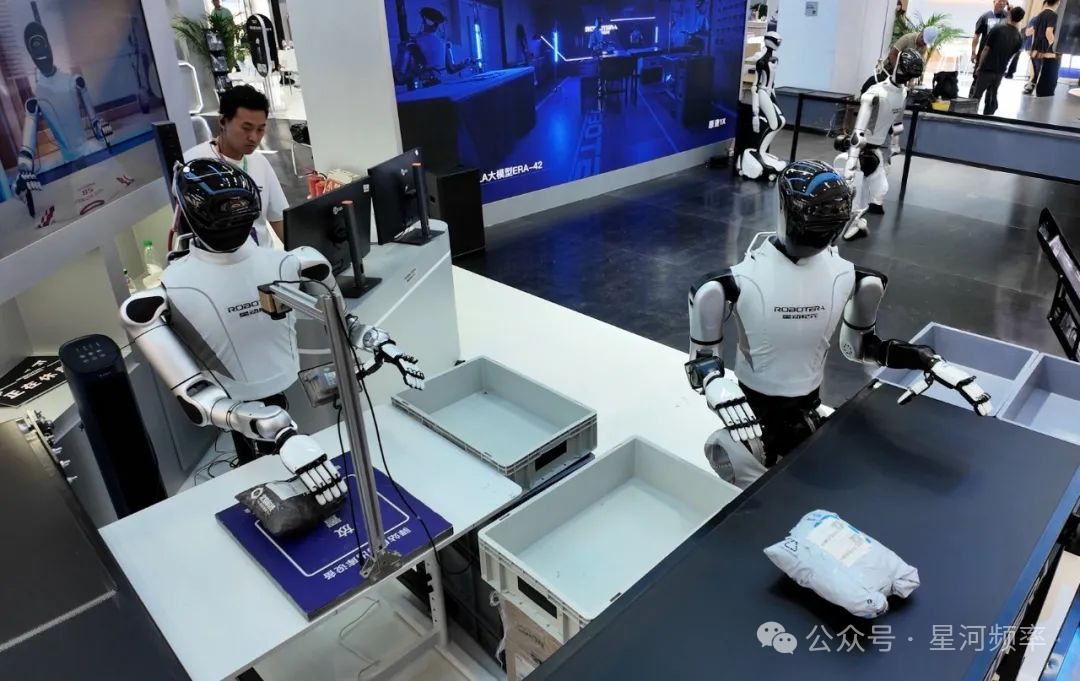 At the WRC, Xingdong Jiyuan applied the embodied intelligent large model ERA-42 to the full-size humanoid robot Xingdong L7. In a simulated logistics scenario, multiple Xingdong L7 robots could work collaboratively without programming: one was responsible for intelligent sorting of packages, while another handled intelligent scanning. Even when faced with a package with a QR code on the other side, it could autonomously flip it over, recognize the QR code, and significantly improve its learning ability.Similarly, Lingchu Intelligent also introduced the end-to-end embodied VLA model Psi-R1 based on reinforcement learning this year.The Psi R1 model proposed a slow and fast brain hierarchical architecture, where the slow brain S2 system focuses on reasoning, inputting unique language and action information from the VLA model, responsible for scene abstraction understanding and task planning decisions. The other fast brain S1 focuses on high-precision control.A significant change is that the Psi R1 model combines historical actions with the current environmental state to understand the long-term impact of actions, capable of completing CoAT long-term thinking chains lasting over 30 minutes.At the WRC, Lingchu Intelligent’s Mahjong robot “Daxiu Te Xiu” could engage in a Mahjong game with the audience for over 30 minutes, impressively completing decisions like “pung” and “kong” autonomously, showcasing the VLA model’s dynamic decision-making chain construction capabilities.
 Galaxy General also showcased the end-to-end embodied grasping foundational model GraspVLA at the WRC.GraspVLA mainly consists of a VLM backbone network module and an action expert module, where VLM includes a 1.8B large language model, a visual encoder, and a trainable projector.Ultimately, the VLM module is responsible for visual observation and text instructions, while the action module generates actions.
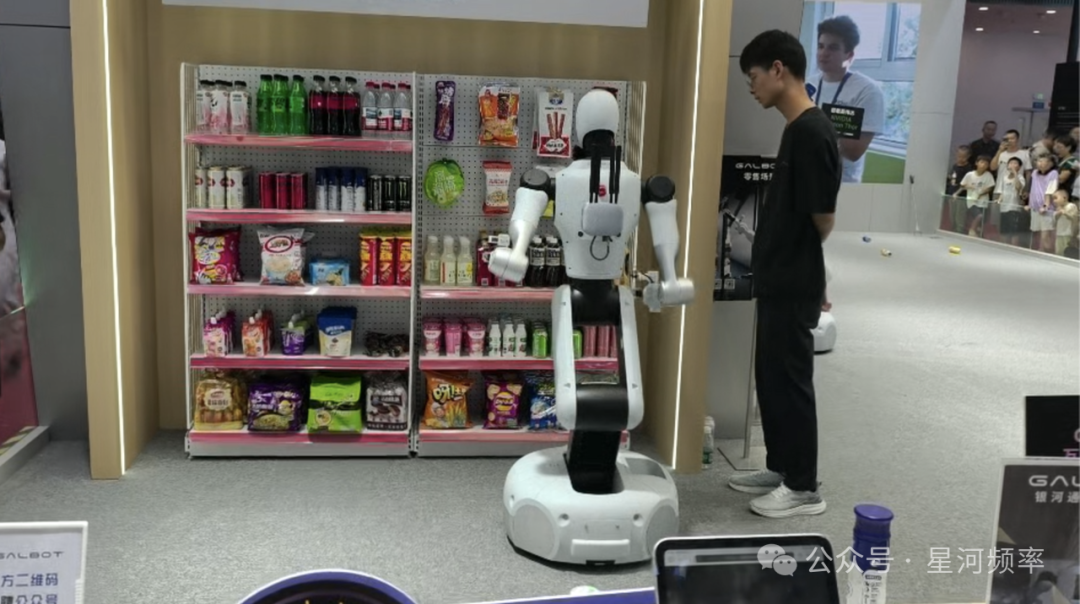
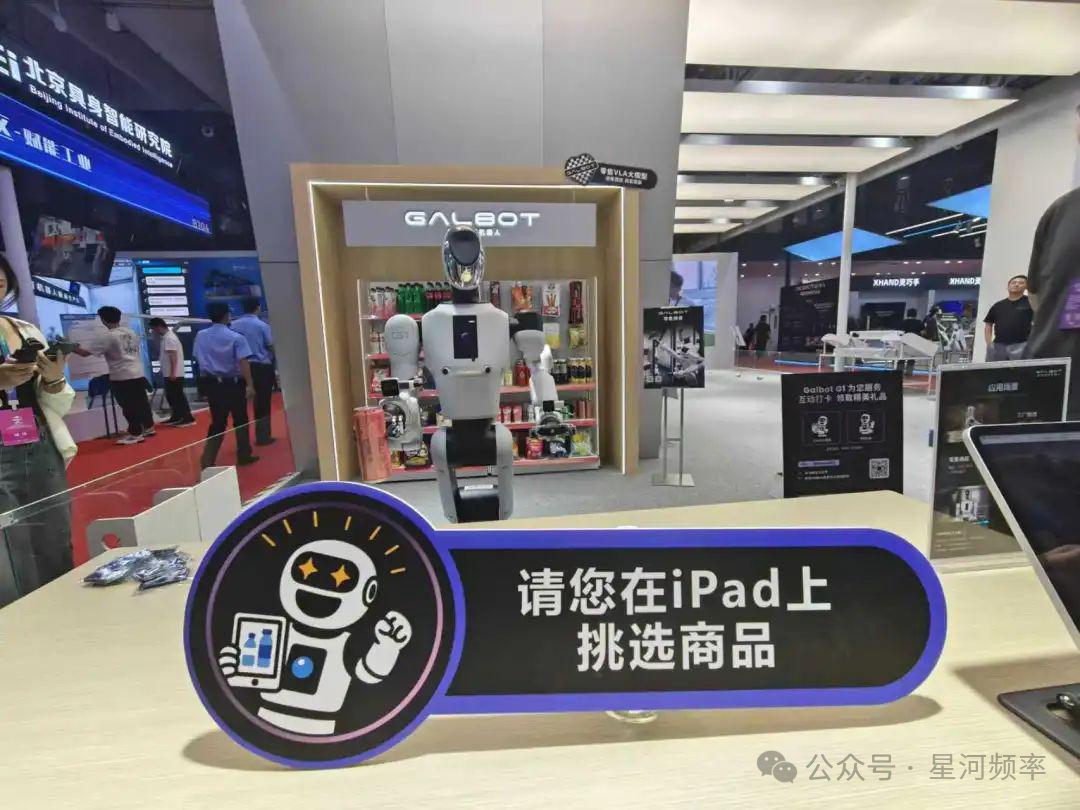
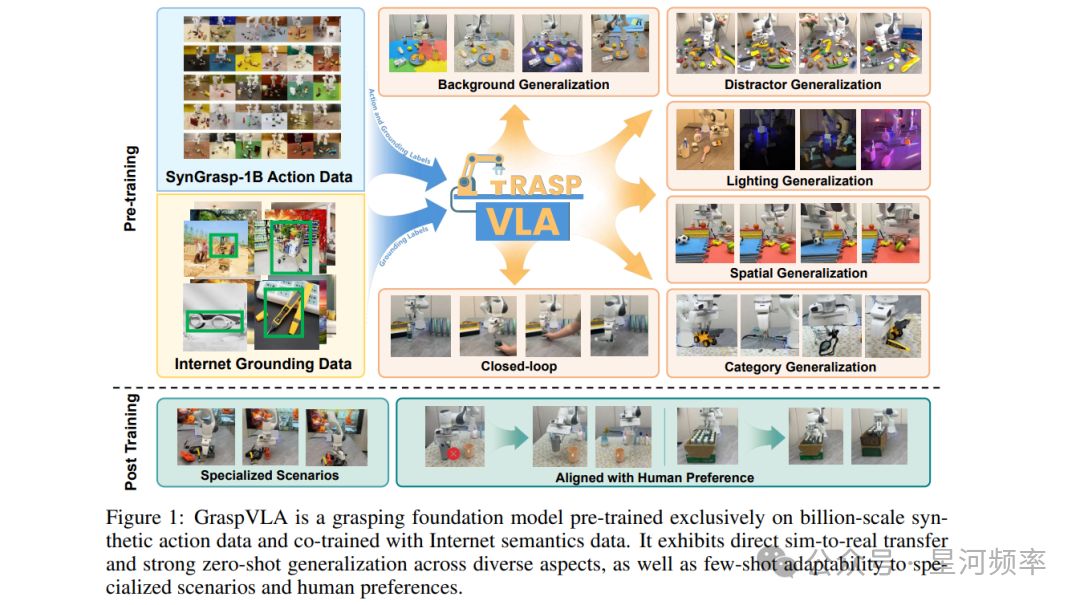 Galaxy General emphasizes its advantage in model training by adopting a generalist + specialist training approach. The generalist utilizes a billion frames of simulated rendering data to enhance model generalization capabilities, familiarizing itself with environmental changes of objects, while the specialist conducts targeted scene training with real data in specific scenarios.Galaxy General has developed the end-to-end embodied large model GroceryVLA specifically for the retail industry. At the WRC booth, Galaxy General created a small supermarket for its humanoid robot Galbot, which can still accurately identify and grasp products based on material and order, even with varying SKUs and packaging types.
 Xinghai Map also entered the VLA model arena, debuting the “true end-to-end + true full-body control” VLA model G0 at the WRC, which can now independently tidy up a bed in a room through voice commands.Even though the VLA model has become a buzzword for robot brains this year, each company’s skill set varies.Chen Jianyu, the founder of Xingdong Jiyuan, believes that three factors will determine the capabilities of robot brains in the future:The model architecture determines the upper limit of brain capabilities, the richness and quality of data determine the completion of actions, and the quality of the body and its responsibilities determine the execution limits.Therefore, developing models aimed at VLA remains a long journey of learning.
 Robot Chips:NVIDIA and Digua Robotics Make Their Presence KnownThis year’s WRC undoubtedly became a “demonstration ground” for various robots, with chips being a key component of the robot’s “brain” and a crucial part determining the robot’s perception and decision-making capabilities.Behind many flexible robot brains are two prominent players: NVIDIA and Digua Robotics.These two companies showcase entirely different routes for robotic computing power,NVIDIA represents “high-end general computing power + simulation/training ecosystem”, aimed at scenarios requiring large model perception, high concurrency inference at the edge, and complex simulations;Digua Robotics represents “low-cost/customized computing + developer ecosystem”, focusing on large-scale deployment in consumer-grade and structured scenarios.As two leading companies in domestic embodied intelligence,Yushu Technology and Galaxy General have become NVIDIA’s clients.Galaxy General’s G1 Premium humanoid robot is one of the first humanoid robots equipped with NVIDIA Jetson Thor, demonstrating fluidity and operational speed in complex scenarios such as industrial palletizing, de-palletizing, and material box handling.
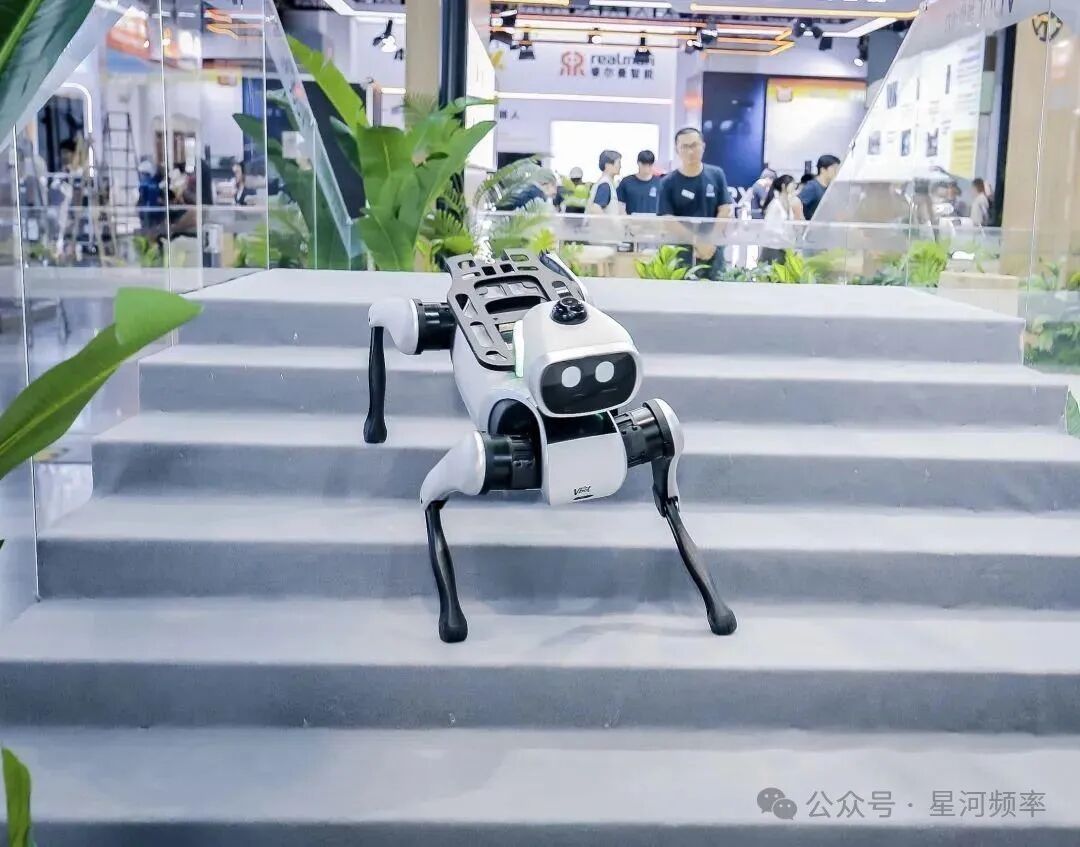
 Yushu Technology has deployed NVIDIA’s full-stack robotic technology on its new humanoid robot R1, optimizing movement and control capabilities through the Isaac Sim high-fidelity simulation platform, and achieving rapid strategy iteration with the Isaac Lab system.Additionally, robots like the soccer-playing Booster T1 utilize NVIDIA AGX Orin, providing 200 TOPS of AI computing power; Xinghai Map’s R1 series all use NVIDIA Jetson AGX Orin 32GB; and Zhongqing’s SE01 employs NVIDIA Jetson Orin Nano.Digua Robotics also showcased the landing applications of five partner companies, covering everything from robotic arms to quadrupedal robots to humanoid robots.Vitas Power’s all-terrain autonomous mobile companion robot Vbot deployed the Digua Robotics RDK S100P as its AI brain, achieving “seeing, hearing, thinking, and conversing” with 128 TOPS of edge computing power and an autonomous driving-grade sensor system.
 The myCobot 280 RDK X5 robotic arm from Elephant Robotics uses the Digua Robotics RDK X5 as its AI computing platform, boasting 10 TOPS of computing power and supporting over 100 open-source algorithm models, covering scenarios such as YOLO World, VSLAM, object detection, and semantic interaction.
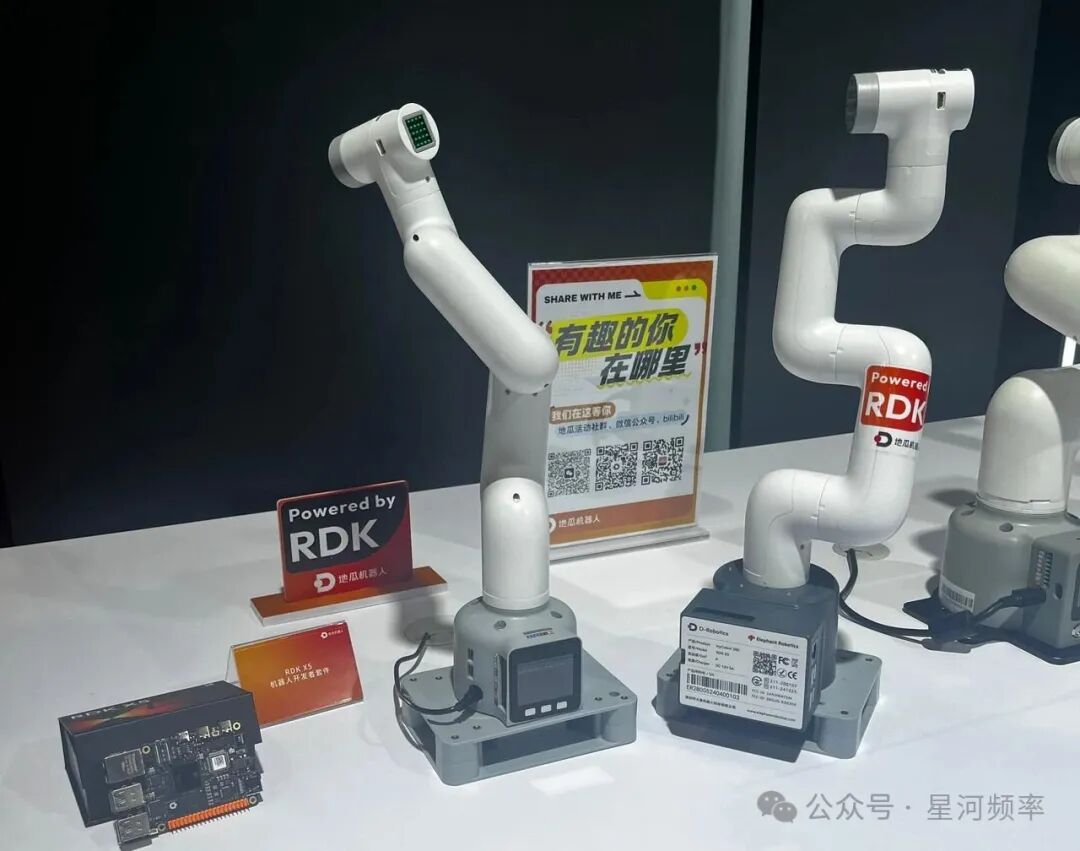 The Qingtian Robot, co-built by the national and local governments, is equipped with the Digua Robotics RDK S100P intelligent computing platform, achieving a “voice-vision-grasping” full-loop closure with 128 TOPS of edge AI computing power.From the application of chips, it is also evident that “big and small brain collaboration” will become the norm.Real-time control and low-latency decision-making are placed on local small brains like MCUs, while complex perception and high-level planning are handled by high-computing “big brains” such as GPUs, BPUs, and NPUs, thus forming a system that balances cost and capability.Digua Robotics advocates this heterogeneous collaboration in the design of RDK S100, while using NVIDIA’s complete system pushes the “brain” capabilities to the edge for stronger perception and online generalization capabilities.
 Robot Bodies:Emerging Emotional Needs, Self-Developed Key Components Still EarlyThe most attention at the WRC was still on robot body companies.The first noticeable change occurred in form,with robot sizes becoming more diverse.Humanoid robots mainly fall into two size ranges: one category is lightweight small-sized robots, such as Yushu G1, with heights concentrated in the 120-130cm range, like Yushu’s third humanoid robot Unitree R1, which stands 127cm tall and weighs only 25kg.In contrast, full-size robots are typically over 170cm tall, exemplified by Tesla’s Optimus robot, which stands 172cm tall and weighs 73kg. Another example is Zhongqing Robotics’ latest T800, which resembles a giant, standing 1.85 meters tall and weighing 85kg.At the WRC, there were many medium-sized humanoid robots ranging from 140cm to 160cm.Magic Atom’s newly launched small humanoid robot MagicBot Z1 stands 140cm tall and weighs 40kg, capable of standing up in a second.Similarly, Lumos LUS2 from Luming Robotics, which can also stand up in a second, stands 160cm tall and weighs 55kg, appearing more human-like.Luming’s co-founder Huang Hao told Xinghe Frequency that they believe the humanoid robot industry will gradually converge on the 160cm robot form.
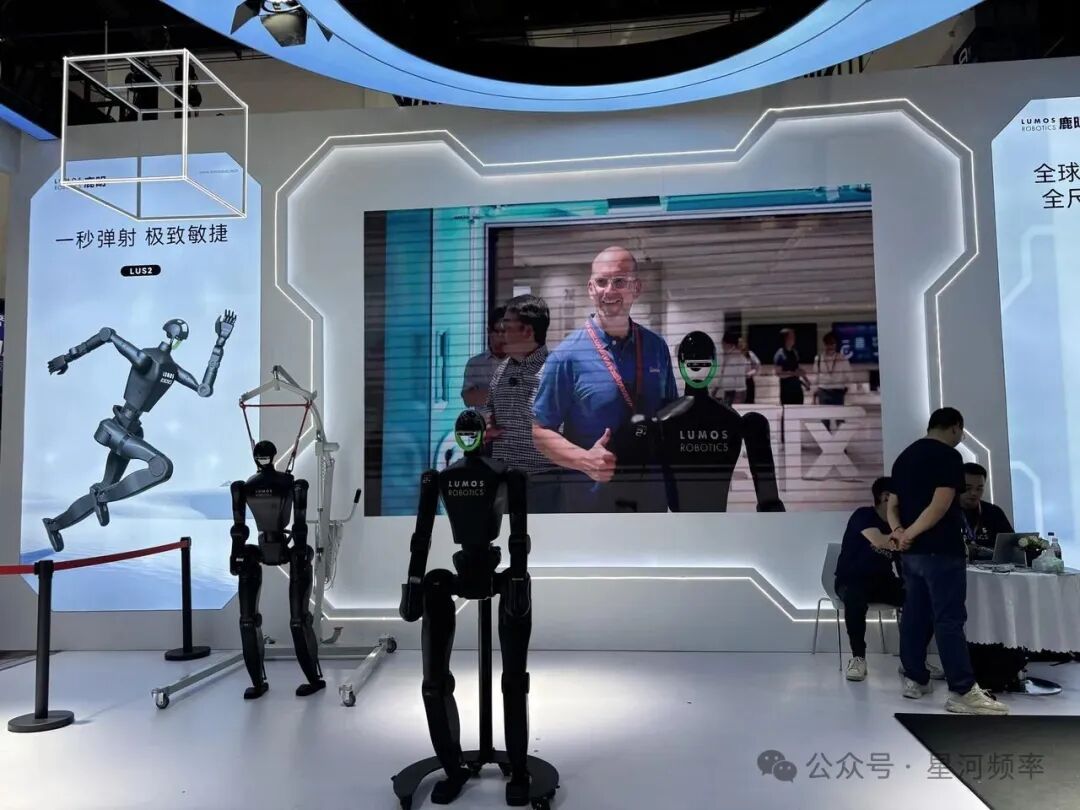 The underlying reasons relate to stability, joint size, and cost.The core reason is that a 160cm tall robot has a center of gravity height that is 33% higher than that of a 120cm robot, significantly lowering the stability threshold during dynamic balance, resulting in better stability.In fact, Luming Robotics also showcased the small humanoid robot NIX at the WRC, which is comparable in height to a 3-year-old child.The second major change is that body robots have more diverse emotional expressions.Traditional humanoid robots have two directions: one is the simulation-level robots, which have very realistic facial features, while the other has a more technological appearance, with body and facial features that are more superhuman.Fourier’s latest humanoid robot GR-3 at the WRC has pioneered a new appearance form.Visually, the traditional robot’s neck has transformed into a thick collar, and the originally cold engineering plastic has been covered with a layer of leather, with color tones shifting from mainstream black, white, and gray to softer hues, visually reducing the coldness of traditional robots.Internally, it emphasizes full sensory interaction, with GR-3 equipped with a tactile perception array made up of 31 sensors.Calling or touching GR-3 triggers a “quick thinking” response, quickly turning to make eye contact or slightly shaking its head in response. If the same command is triggered multiple times, it will activate “slow thinking” mode.The large model reasoning engine understands complex semantics, interaction history, and triggering features to generate more natural and context-appropriate responses.
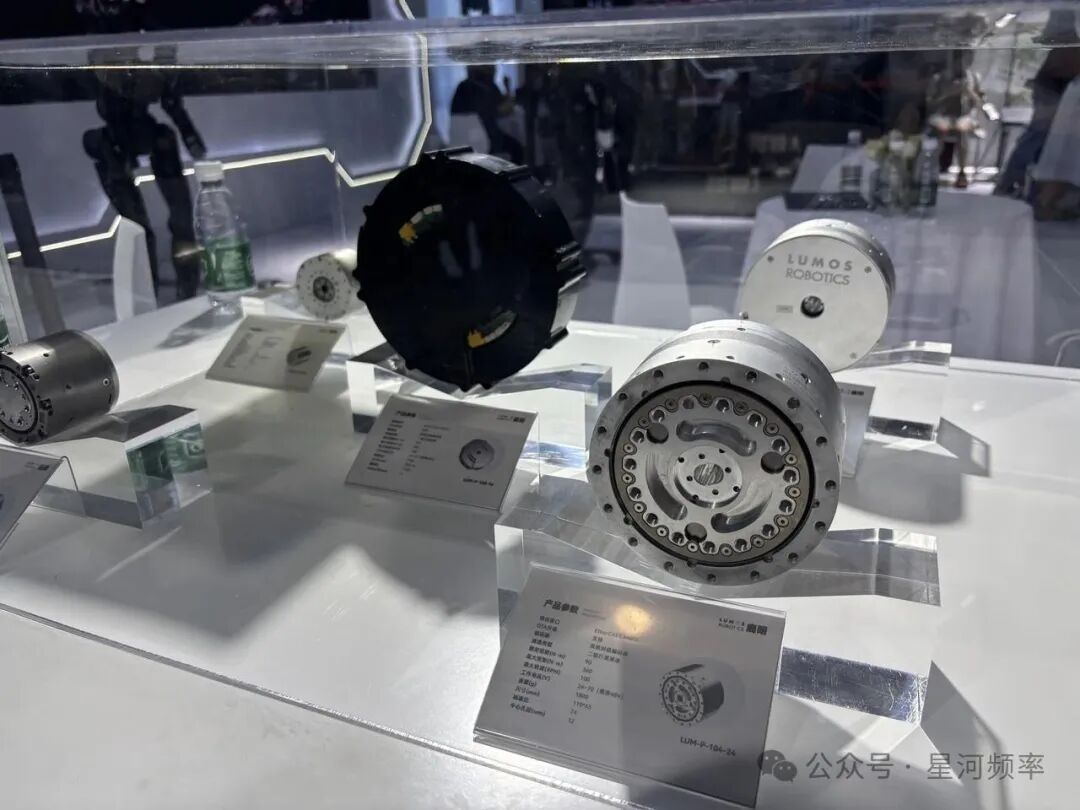 This combination of skin-like tactile interaction provides a new approach to the anthropomorphism of humanoid robots.The third change is that self-development has become the mainstream direction, but full-stack self-development is still premature.As body robots showcase their capabilities, the entire robotics industry chain is deeply integrated. Observing the entire WRC, many companies are attempting to self-develop core components to save costs and master key technologies.Currently, Luming Robotics has begun self-developing core components such as robotic joint modules, tactile grippers, and seven-axis data collection robotic arms.Huang Hao told Xinghe Frequency that joint modules account for about 40% of the total machine cost, and the parts they choose to self-develop are all high-cost, high-tech requirements.However, he believes that the entire general-purpose robot industry is still in a relatively early stage, and discussing full-stack self-development is still premature.First, the overall supply chain capabilities need to be established before it is possible to trend towards full-stack self-development like automotive companies, from chips to software and hardware.
 Dexterous Hands:Transitioning from Single Point Demonstrations to Scene-Based, Deployable SolutionsDexterous hands, as the final centimeter of humanoid robots, determine the upper limit of the robot’s operational capabilities. With the increasing stability of robot bodies and the rising market demands for robotic operational capabilities, dexterous hands have also transitioned from “single point demonstrations” to scene-based, deployable solutions.This year at the WRC, over 10 dexterous hand manufacturers exhibited more than 20 dexterous hand products, showing significant growth compared to last year.In terms of technology, the transmission solutions have diversified, with a noticeable increase in the use of tendon-driven solutions.Currently, most products on the market still use link-based solutions, with degrees of freedom ranging from 6 to 11.However, tendon-driven solutions can provide higher degrees of freedom and theoretically break through the dexterous hand’s impossible triangle.Two new dexterous hands showcased at this exhibition both adopted tendon-driven solutions.The Cyborg Robot Cyborg-H01 achieves a 40% reduction in weight compared to traditional solutions through a tendon-driven solution and multi-joint structure driven by a single motor, with costs dropping by over 40%.The Xynova Flex 1 from Xynova Future boasts 25 degrees of freedom, with joint position control accuracy reaching 0.75°, a 25% improvement over international standards.
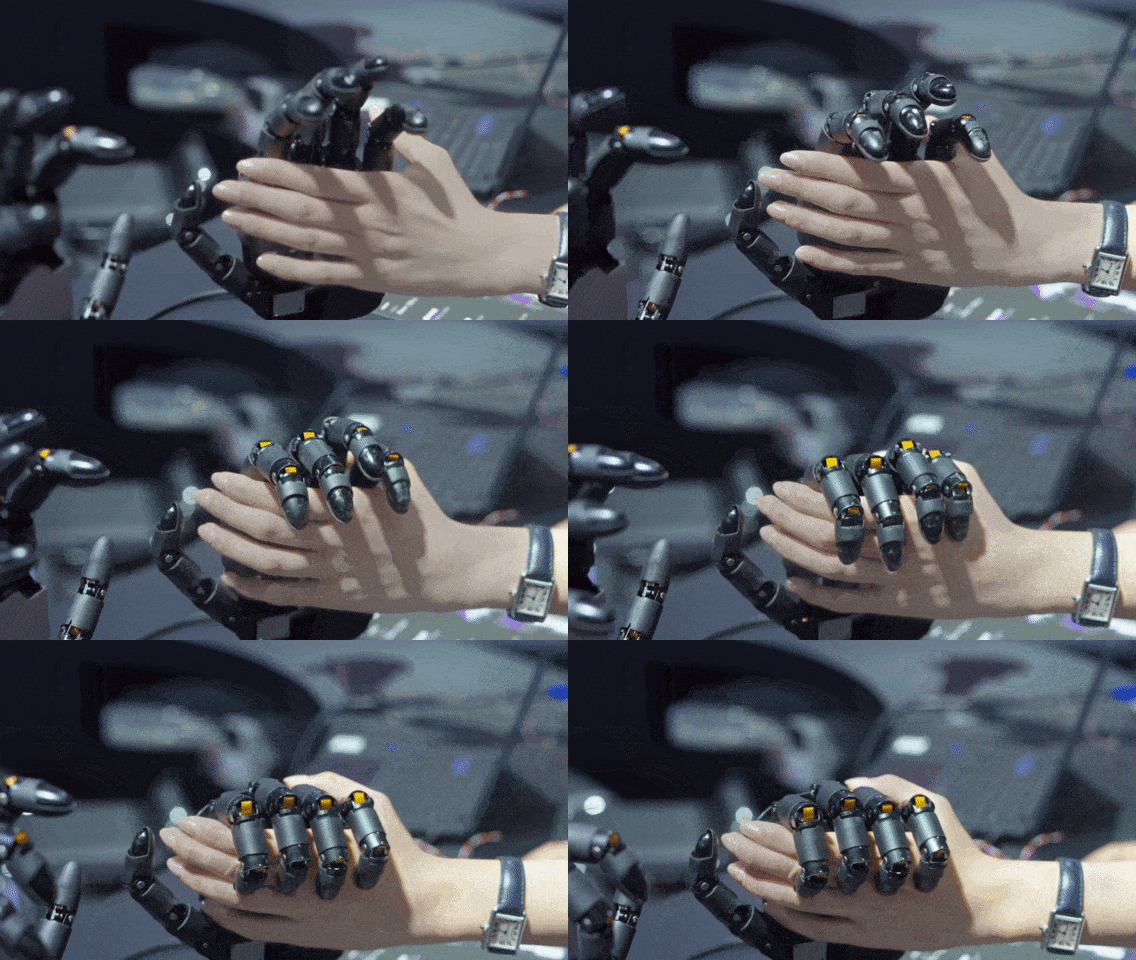 Additionally, companies like Lingqiao Intelligent, which fully adopts tendon-driven solutions across its product line, also showcased three-finger to five-finger dexterous hand products.Among them, the DexHand021 Pro, a high-degree-of-freedom dexterous hand, is set to officially launch in the second half of the year.
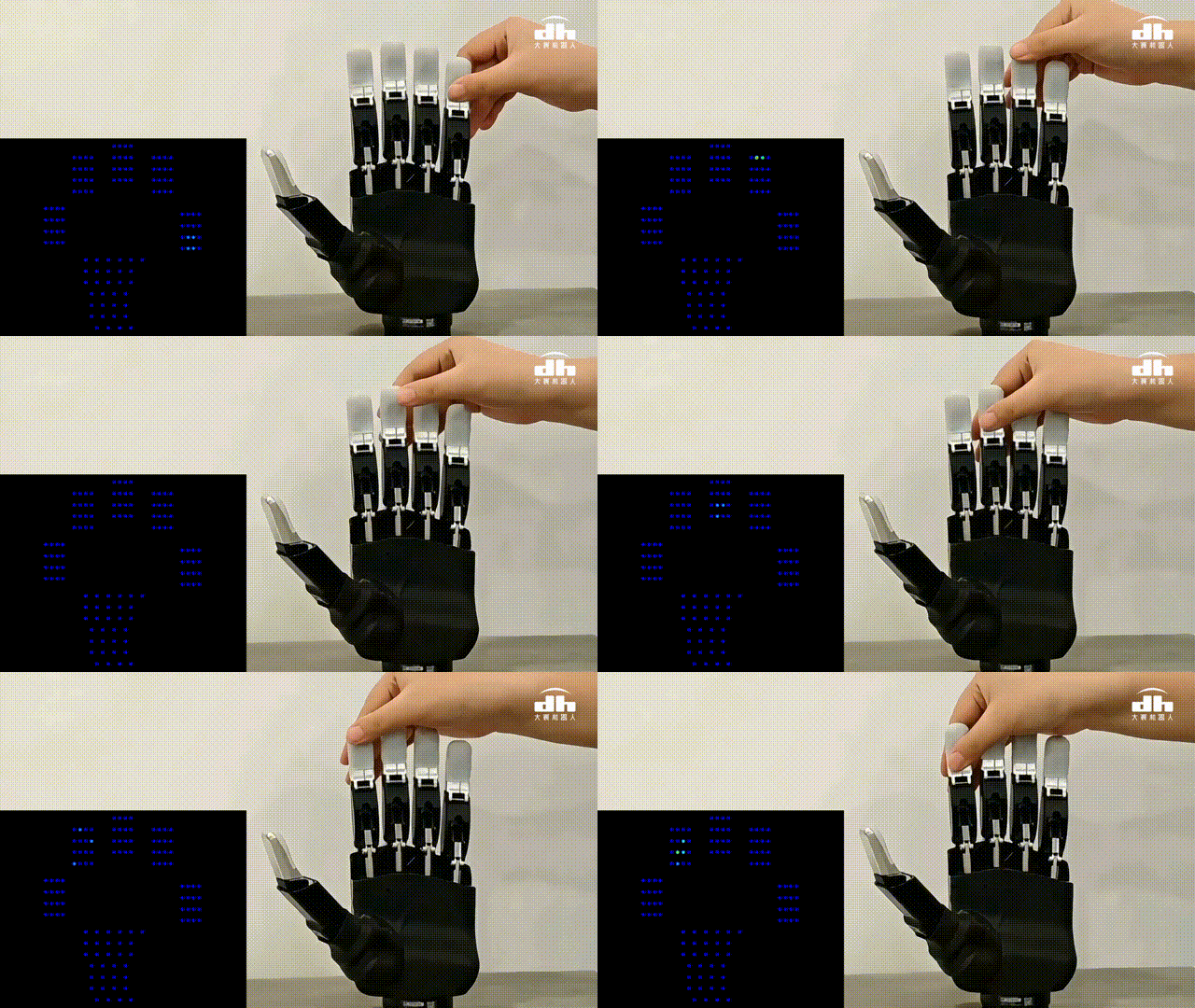
 At the WRC, Lingxin Qiaoshou Company launched the Linker Hand L6 and L20 industrial versions, also showcasing the currently highest degree-of-freedom dexterous hand, the Linker Hand L30 research version.Furthermore, the importance of perception and touch in the “decision loop” is increasing, with high-density tactile sensors gradually becoming a standard feature.The dexterity of a hand cannot be solely linked to the number of degrees of freedom; the deep integration of tactile sensing, force control, and multimodal vision is the true measure of standard. In other words, to enable robots to understand “how to grasp, how tightly to grasp, and whether to adjust,”the DH-5-6 dexterous hand from Dahuan Robotics is equipped with an ion-active layer tactile array on the fingertips and palm, capable of real-time capturing pressure distribution, texture features, and sliding trends, supporting adaptive grasping and abnormal touch recognition.
 UBTECH’s Walker S2 is equipped with its self-developed dexterous hand, utilizing dual vision + array touch, capable of recognizing the sliding friction coefficients of different materials, with force fluctuations controlled within ±0.5N when grasping fragile items.In the past, many dexterous hand manufacturers focused on hardware development, neglecting the synergy with software and algorithms. However, for robots to operate accurately in complex scenarios, both hardware and software must be integrated.Now, some manufacturers have begun to build an ecosystem of “hardware + algorithms”.Zhongke Silicon Technology showcased multiple intelligent dexterous hands and embodied intelligent machines at the WRC, demonstrating a path:combining the physical capabilities of robotic hands with large models and multimodal perception algorithms, allowing robots to dynamically adjust grasping strategies based on different scenarios, enabling the same “arm + hand” to cover more application scenarios and reduce integration and on-site debugging costs.Aoyi Technology, in collaboration with AIoT and NVIDIA, debuted the “dexterous hand + data + scene” open laboratory at the WRC. Based on NVIDIA’s VSS multimodal vision large model, Aoyi Technology’s dexterous hand demonstrated real-time interactions for complex grasping, precision assembly, and rehabilitation assistance.
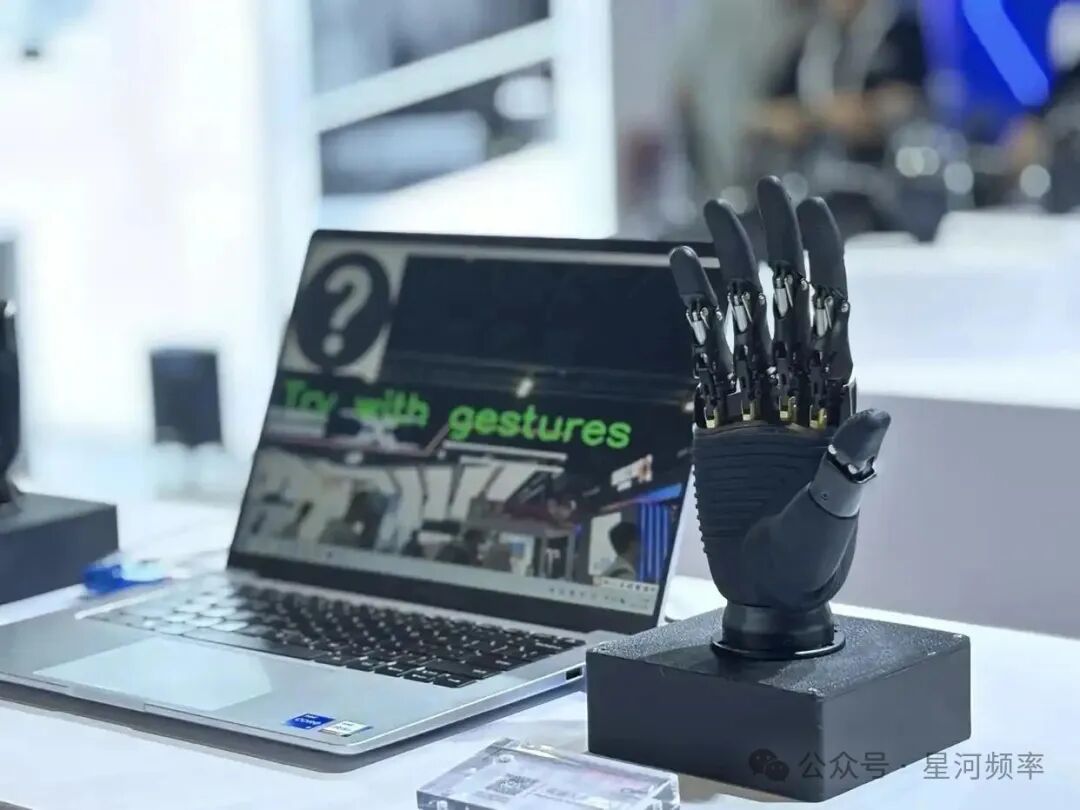 Additionally, it is also evident that dexterous hands are moving towards modularization and standardization.Various manufacturers are striving to make “hands” into pluggable, reusable modules, facilitating quick replacement and integration on different brand robotic arms or machines, thereby shortening deployment time and engineering costs.
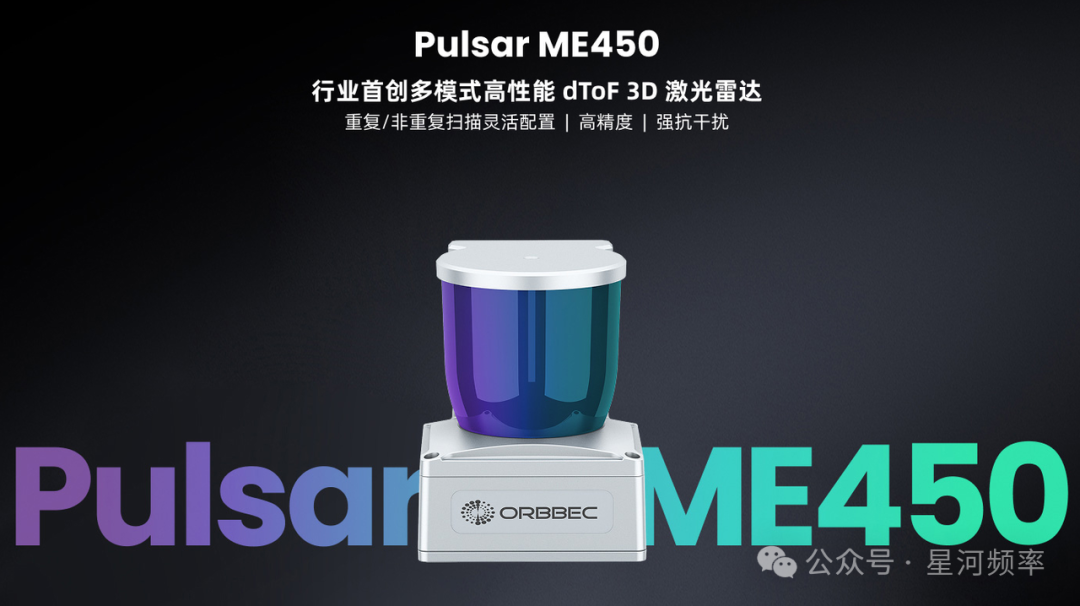
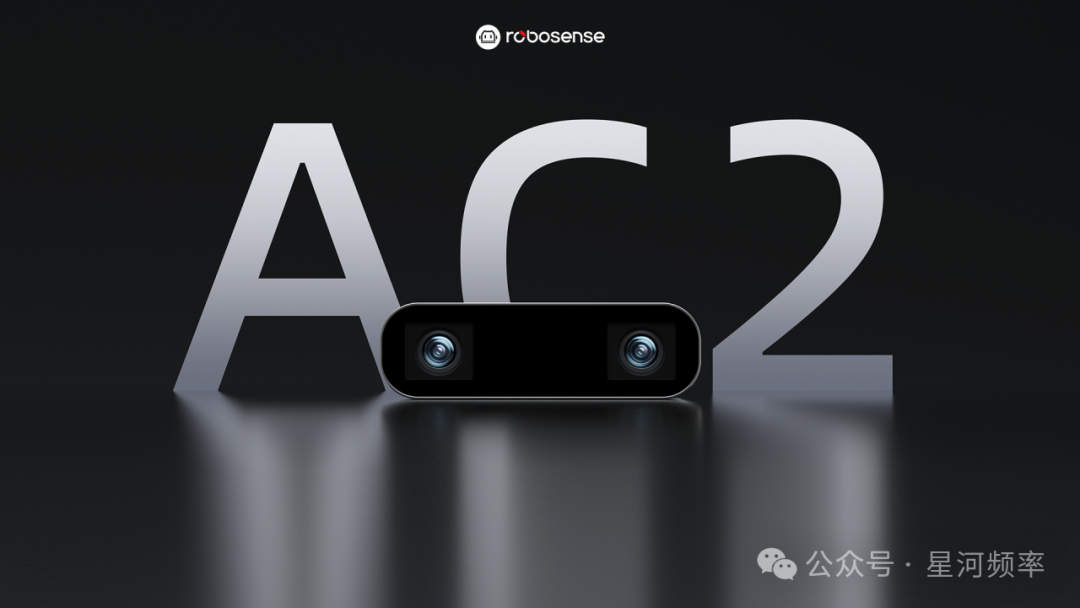
 Robot Eyes:“Eyes, Brain, Hand” Entering Higher-Dimensional CollaborationLast year at the WRC, He Shan Technology’s CEO Ma Yang stated thatrobots require unified integration of vision and touch to execute complex actions.This viewpoint has become a reality at this year’s conference,with multi-sensor fusion evolving from a technical ideal to a core product architecture.The “eyes” of robots are now forming more efficient collaborations with the “brain” and “hands”.In the past, the visual functions of humanoid robots were often limited to “showing off” or conceptual demonstrations, but this year, the “productivity attributes” of visual technology are more evident, such as multiple robots collaborating to complete material sorting and cross-regional delivery tasks.Robots are no longer just “seeing”; they are now “understanding and applying” in real scenarios.Relying solely on one type of sensor can no longer meet the demands of complex scenarios; the spatiotemporal fusion of multi-source data has become the underlying logic of visual systems.Suton Juchuang launched the Active Camera platform,which integrates multiple sensors into a single hardware unit, providing color information, depth information, and motion state information, achieving spatiotemporal fusion of these three types of information, breaking through the technical bottlenecks of traditional 3D vision, such as “unclear visibility, inaccurate perception, and slow response”.Obi Zhongguang’s 3D laser radar Pulsar ME450 supports three scanning modes and is the industry’s first “multi-mode” 3D laser radar, capable of dynamically switching to adapt to obstacle avoidance, mapping, and other scenarios, suitable for logistics and outdoor operations in complex environments.
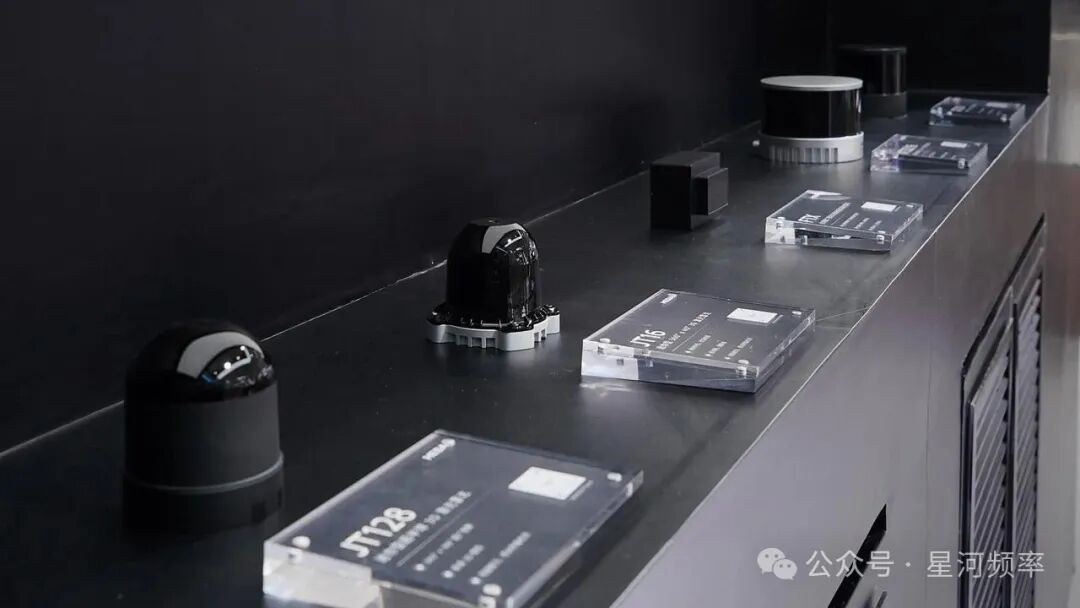
 The essence of this fusion is to upgrade robots from “seeing objects” to “understanding environments.” At the hardware level, visual devices are evolving towards being “smaller in size and stronger in performance.” Hesai Technology’s JT series laser radar is only the size of a billiard ball, supporting the industry’s widest 360°×189° super hemispherical field of view and 256-line resolution, with a delivery volume of 100,000 units within five months of release.Its pure solid-state radar FTX has reduced its size by 66% compared to the previous generation, with a point frequency of up to 492,000 points per second, allowing for discreet embedding into service robot bodies, achieving “invisible” perception upgrades.
 Additionally, unlike last year’s WRC discussions on “perception separation,” where vision was processed in the brain and touch at the edge, this year has shown a clear trend of “end-edge-cloud collaboration.” Hardware manufacturers are no longer just selling sensors but are building full-stack development ecosystems.For instance, Suton Juchuang’s AI-Ready ecosystem provides open-source tools, pre-trained algorithm libraries, and datasets, attracting developers from both scene and algorithm domains, promoting product landing applications and driving hardware iteration in reverse.
 At the same time, the continuous development of robot vision has made robustness a prerequisite for product landing.The number of humanoid and companion robots exhibited this year has significantly increased, especially in scenarios such as dining, retail, and home demonstrations becoming more frequent.Compared to last year’s relatively static displays, this year’s robots can maintain stable operation in complex environments like exhibition halls, for example, Vitas Power’s Vbot “freely moving” in the venue, and Tiangong Robotics autonomously “strolling” to workstations.This requires the perception system to undergo more rigorous engineering validation, compelling manufacturers to continuously optimize in areas such as algorithm noise reduction, anti-interference design, and hardware-software collaboration.This WRC serves as a prism, refracting the core trajectory of robot development:The market is no longer satisfied with mere flashy demonstrations but is seeking “truly useful, deployable” system-level evolution.Whether it is the dexterous evolution of hands, the perceptual leap of vision, or the intelligent empowerment of brains and the stable support of bodies, the ultimate key lies in the synergy of technology.
- The brain’s decisions require the eyes to provide precise environmental perception;
- The eyes’ observations need the hands and body to execute and verify;
- The dexterous operations of hands rely on the stable support of the body and the precise control of the brain;
- The body’s motion efficiency is inseparable from the brain’s global planning and the eyes’ real-time feedback.
Wang Xingxing predicts that in the coming years, the annual shipment of humanoid robots across the industry will double, and if there are greater technological breakthroughs, it is even possible to see shipments of tens of thousands or even hundreds of thousands of units in a single year within the next 2-3 years.As technology transitions from single-point breakthroughs to multidimensional collaboration, robots will ultimately shed the “demo” label and enter various industries as true intelligent entities.After all, the ultimate standard for judging a robot has never been “how many circles it can turn” or “how many objects it can recognize,” but whether it can truly “meet” human needs.
 Welcome to click “Read the original text” to join the Xinghe Frequency Knowledge Circle.