The Rival of Snapdragon Adreno GPU! How Powerful Is ARM Mali-G78?
Click the above Computer Enthusiasts to follow us
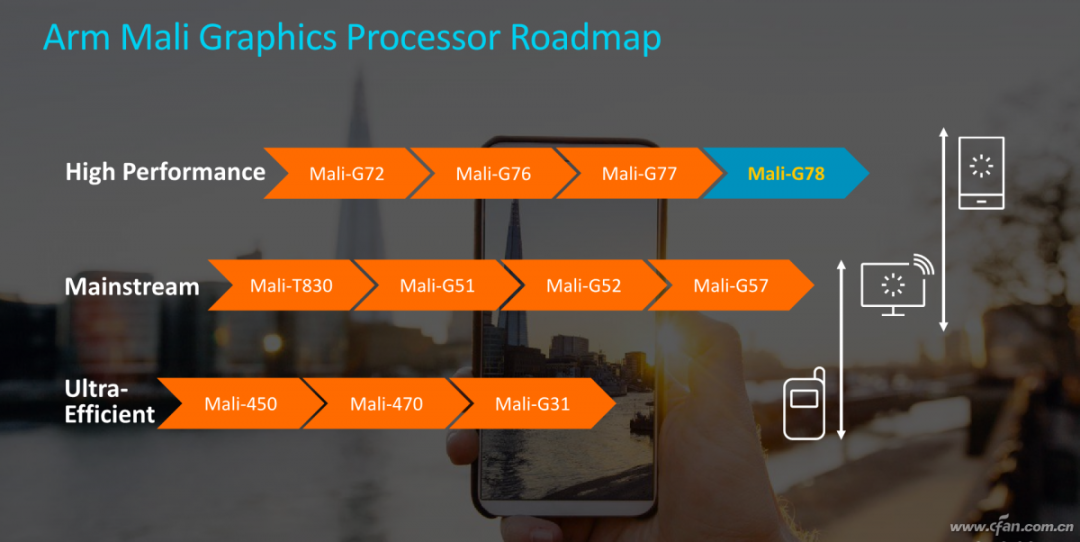
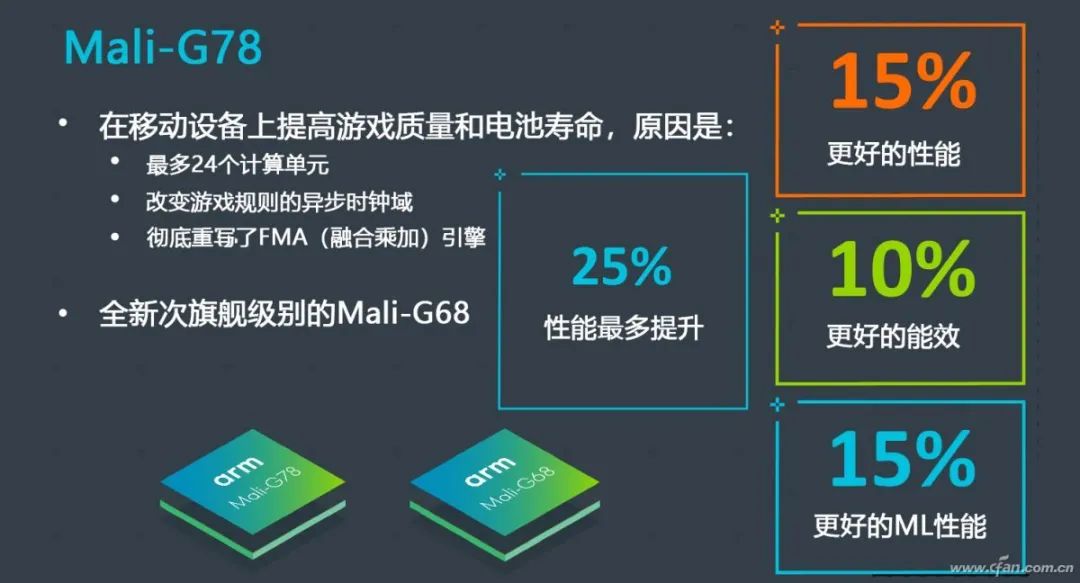
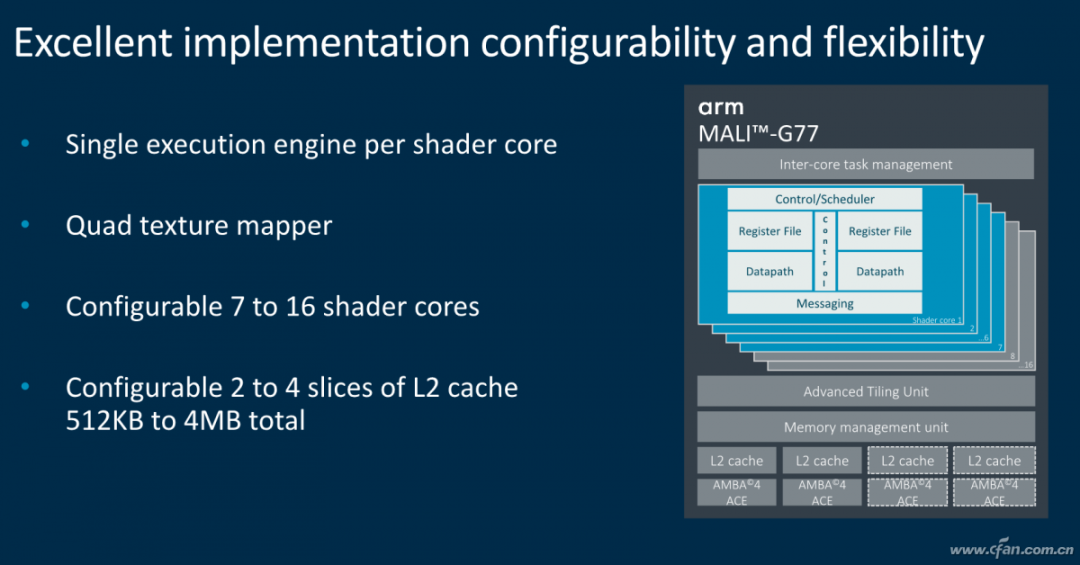
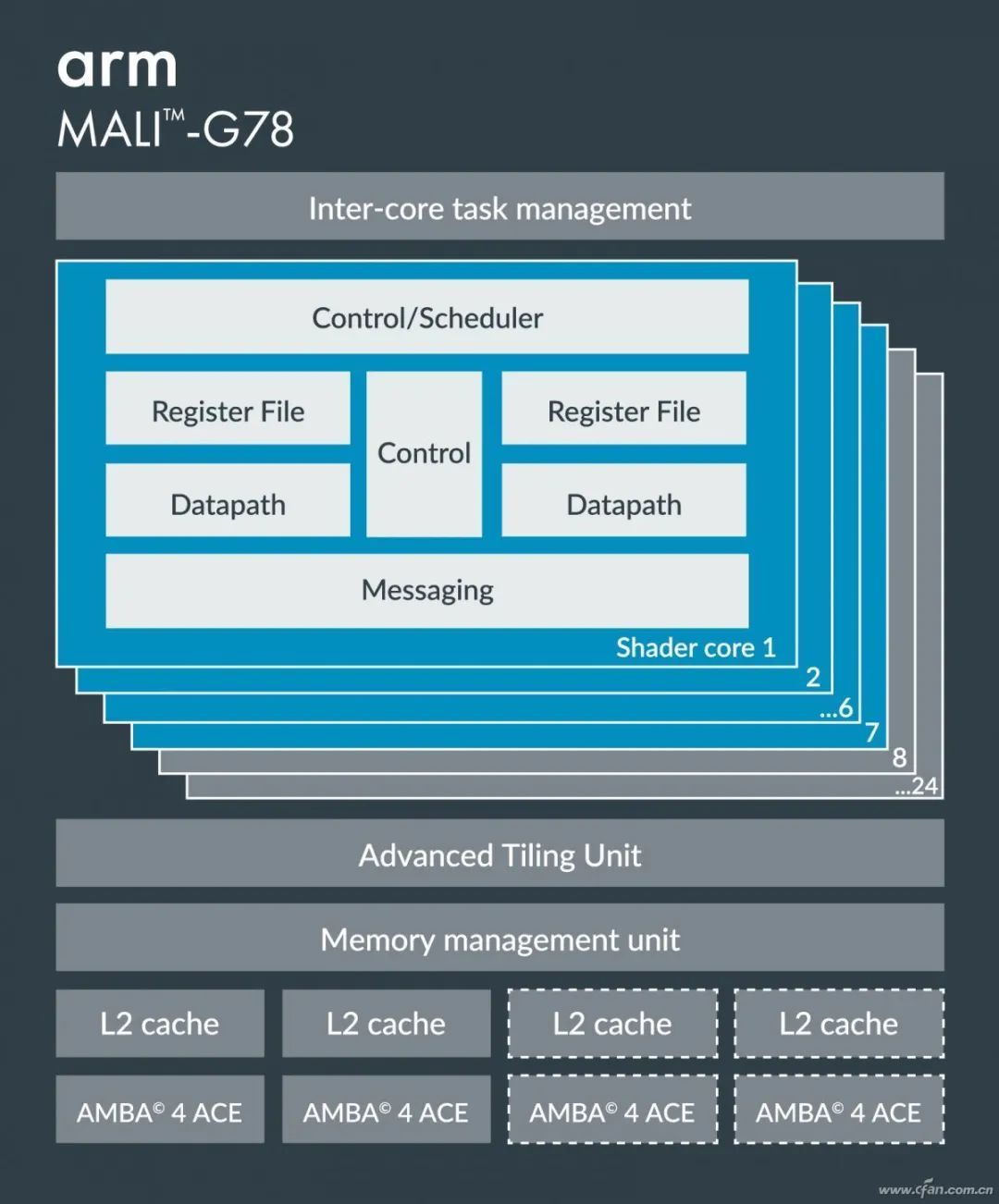
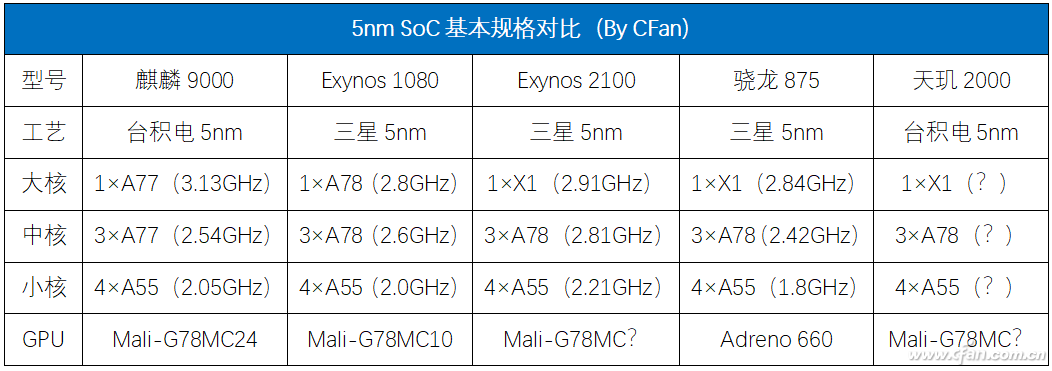
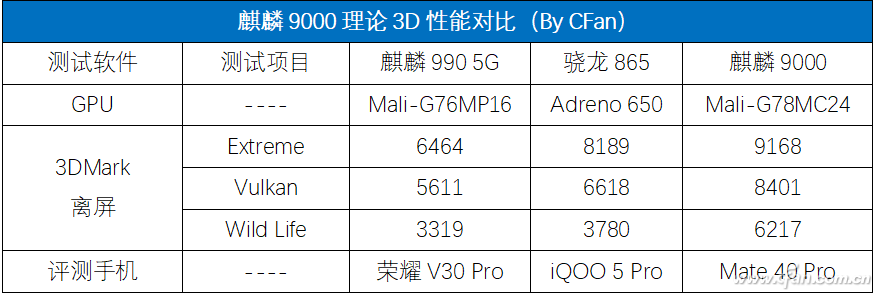
In the GPU field of Android phones, there is currently a fierce competition between Qualcomm’s Adreno and ARM’s own Mali, with the once-renowned GPU brand PowerVR fading into history.Starting from the Kirin 9000, more and more new SoCs are beginning to adopt ARM’s latest Mali-G78. What features does this GPU have, and can it compete with the latest Adreno GPUs?The Architecture of Change and ConstancyIn the new architecture IP released by ARM this year, apart from the Cortex-X1, both the Cortex-A78 and Mali-G78 seem to be a bit lazy.The former continues to use the Austin microarchitecture of Cortex-A77 (based on the ARM v8.2 instruction set), while the latter also retains the Valhall graphics architecture of Mali-G77.The good news is that Mali-G78 has made some optimizations at the microarchitecture level compared to Mali-G77, such as changing the global clock domain to a brand new two-level structure, achieving the separation of the upper shared GPU module and the actual shader core frequency, which is called an asynchronous clock domain.As a result, the core of the GPU can operate at different frequencies from other parts, allowing it to be faster or slower, thus solving the imbalance between geometric output and calculation, texture, and engine, while also allowing the GPU to run at different voltages, thereby reducing power consumption and improving energy efficiency. This is a common practice for desktop CPUs and GPUs.In addition, Mali-G78 has also completely rewritten the FMA (Fused Multiply-Add) engine, including a new multiplication architecture, a new addition architecture, and FP32/FP16 floating-point operations, which can significantly save power consumption.According to ARM’s data, thanks to improvements in overall architecture, process, and other aspects, Mali-G78 can achieve a performance increase of up to 25% compared to Mali-G77, even under the same process conditions, it can still improve by 15%, while energy efficiency improves by 10%, and machine learning performance increases by 15%.More Computing CoresIn the era of Mali-G77, it could be paired with a maximum of 16 computing units, namely Mali-G77 MC16, but due to cost, heat generation, and power consumption constraints, even the most aggressive Exynos 990 only used 11 computing units, namely Mali-G77 MC11, while Dimensity 1000+ and Dimensity 1000-L were equipped with Mali-G77 MC9 and Mali-G77 MC7, respectively.This time, the Mali-G78 GPU can be paired with a maximum of 24 computing units. Even though Mali-G78 and Mali-G77 use the same architecture, having more computing units can still yield stronger theoretical performance.First to Launch: Kirin 9000The Kirin 9000 series is the first mass-produced SoC platform to adopt the Mali-G78 GPU. Among them, the standard version of Kirin 9000 integrates the Mali-G78MC24, which is the “full-blooded version” of this GPU (referring to the number of cores, not the core frequency), while the Kirin 9000E also integrates the Mali-G78MC22 with up to 22 computing units.In other words, the Mali-G78MC22 or Mali-G78MC24 integrated into the Kirin 9000 series already represents the performance ceiling of this GPU. From the 3DMark benchmark test results, the performance of Mali-G78MC24 did not disappoint us, even when compared to the current strongest in the Android field, the Adreno 650 integrated into Snapdragon 865, it has a significant advantage, and even has the chance to compete with the Adreno 660 integrated into Snapdragon 875.In addition to Kirin 9000, Samsung’s Exynos 1080 and Exynos 2100 will also integrate the Mali-G78 GPU. Among them, the Exynos 1080 is limited by its positioning and only integrates the Mali-G78MC10 with 10 computing cores, while the Exynos 2100 has not yet been officially released, but it is expected that its core count will be between 16 and 24.Furthermore, MediaTek’s Dimensity 2000 will also choose the Mali-G78 GPU, but the core count is also unknown, but it should not be less than 16.In summary, the performance of Mali-G78 has seen a slight improvement over the previous generation Mali-G77, and with the latest 5nm process, it can further reduce packaging area, lower power consumption, or accommodate more computing cores. The higher the number of computing cores and frequency, the stronger the performance of Mali-G78 will naturally be. As long as it can achieve full-blooded core count and frequency, defeating the future Adreno 660 is not impossible.
Click “Read the Original” for more exciting content