The Incredible Snapdragon 778G: A Game Changer!

The Incredible Snapdragon 778G: A Game Changer!

Source: Lei Technology AI Hardware Group | Editor: Sandwich

Have you noticed something, dear readers?

From a certain point in time, almost all offline devices priced around a thousand yuan have been dominated by the Snapdragon 778G processor and similar products.

I thought that in the relentless tide of the smartphone performance arms race, a mid-range processor released three years ago would have long been forgotten.

Surprisingly, the Snapdragon 778G has not only not been forgotten but has become even more formidable. Even as of August 2025, Qualcomm is still releasing its “enhanced version”—the Snapdragon 7s Gen 4 mobile platform, with the first device featuring this processor, the REDMI Note 15 Pro+, just launched in the past few days. Lei Technology has also published reports and reviews from the product launch event, which you can find online.

Even more astonishing is that this trend has even reached the Hi-Fi player market.
The Incredible Snapdragon 778G: A Game Changer!

(Image source: FiiO)

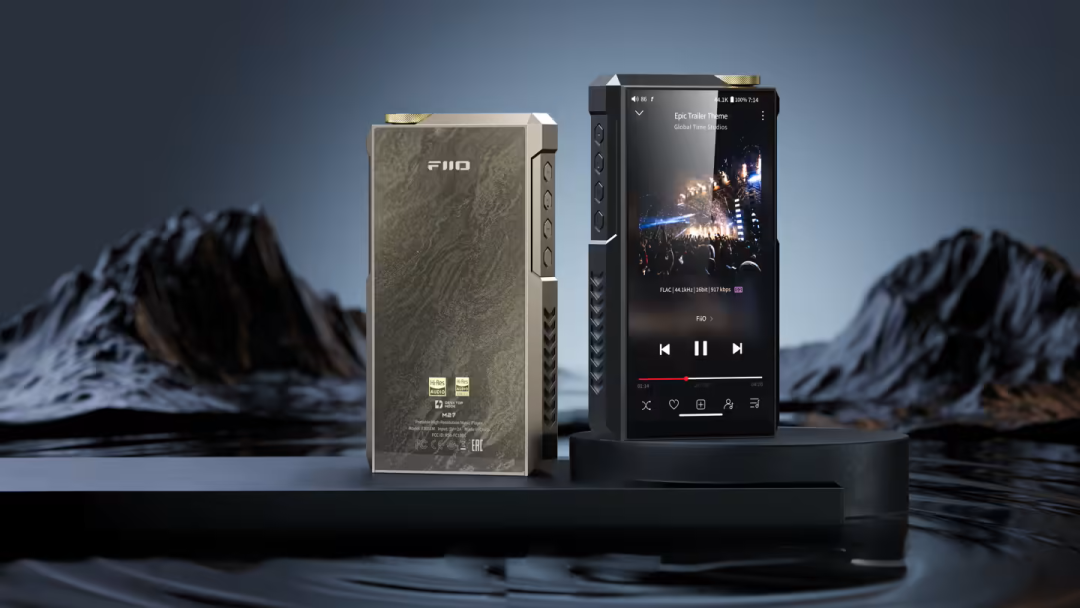
At the recent SIAS Shenzhen International Audio Exhibition, the well-known domestic Hi-Fi manufacturer FiiO began to promote its new flagship portable player M27, officially announcing that it is equipped with the Qualcomm QCS6490 processor, stating that the CPU performance of this chip is “similar to the Snapdragon 782G IoT version,” and it is expected to be officially released in mid-October.

This raises the question: what magic does the Snapdragon 778G and its derivative series possess that allows it to transition from the smartphone realm to the Hi-Fi realm, becoming a perennial favorite?

The Incredible Snapdragon 778G: A Game Changer!

What makes this legendary chip so revered?

After reviewing the evaluations and market feedback of the Snapdragon 778G from back in the day, I found that its popularity is not merely coincidental.
Let’s go back to 2021, when the mid-range smartphone market was in a rather awkward position. On one hand, flagship chips had power consumption issues, leading to poor experiences in some sub-flagship models; on the other hand, lower-end processors struggled to meet the growing demands for gaming and daily use.

The emergence of the Snapdragon 778G was like a tailor-made remedy for this “in-between” market.

The Incredible Snapdragon 778G: A Game Changer!

(Image source: Qualcomm)

Take the basic product architecture, for example.

First, the Snapdragon 778G adopted the highly praisedTSMC 6nm EUV process technology. This is crucial, as excellent process technology brings outstanding energy efficiency, meaning that it provides sufficient performance while keeping power consumption and heat generation relatively ideal.

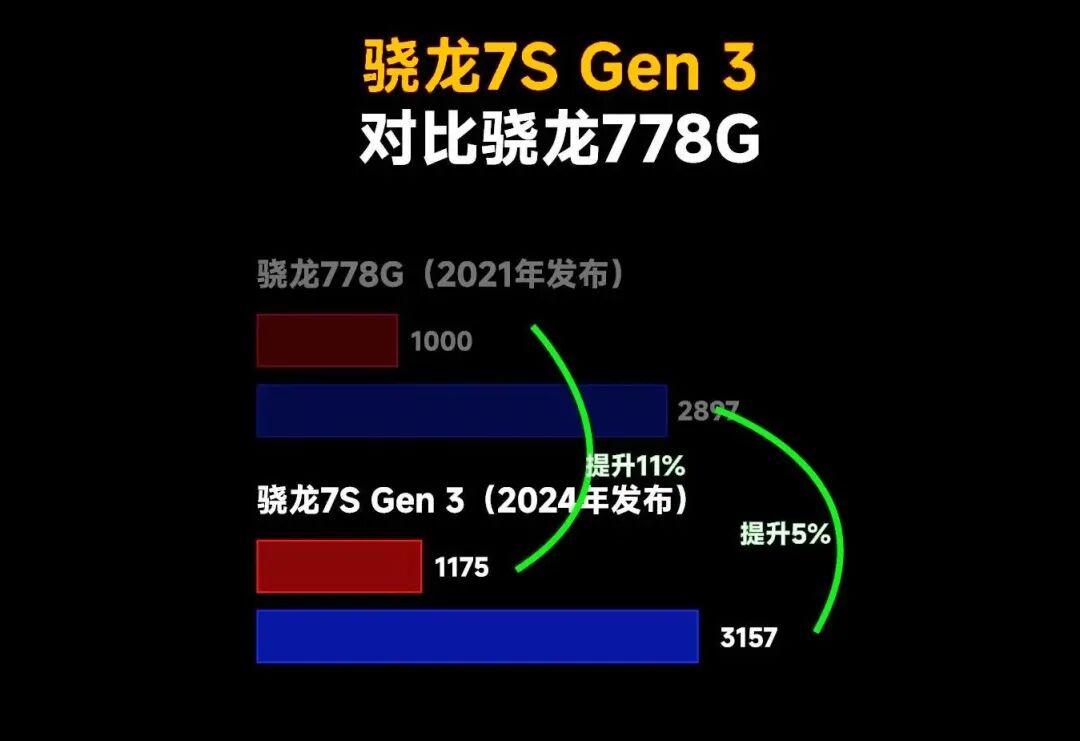
In terms of CPU, it usesKryo 670, specifically 1*2.4GHz Cortex-A78 super core + 3*2.2GHz Cortex-A78 big cores + 4*1.9GHz Cortex-A55 efficiency cores, with Geekbench single-core performance around 1000 points and multi-core around 3000 points, reaching levels comparable to the Snapdragon 865.

As for the GPU,Adreno 642L shares the same architecture as the Adreno 640 of the Snapdragon 855, but with the suffix L indicating a scaled-down version. Even so, this GPU has about a 40% improvement over the previous generation Adreno 620, achieving around 70% of the performance of the Snapdragon 865, sufficient to run games like “Honor of Kings” and “Peace Elite” smoothly.

Looking back, Qualcomm definitely squeezed every bit of performance out of this chip, comparable to the performance of sub-flagship models at the time, with better power consumption, resulting in an overall experience that even surpassed some flagship chips with poor heat management.
The Incredible Snapdragon 778G: A Game Changer!

(Image source: Honor)

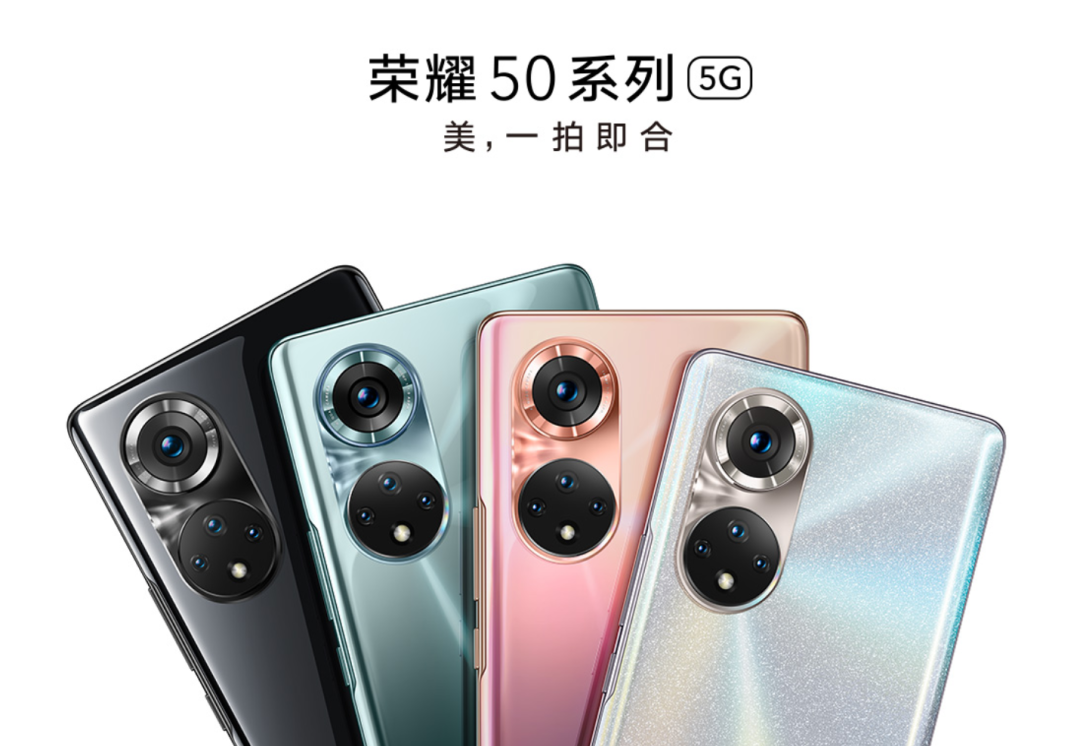
Thus, starting from the second half of 2021, a large number of “hit” terminal models that are still talked about today all chose the Snapdragon 778G.

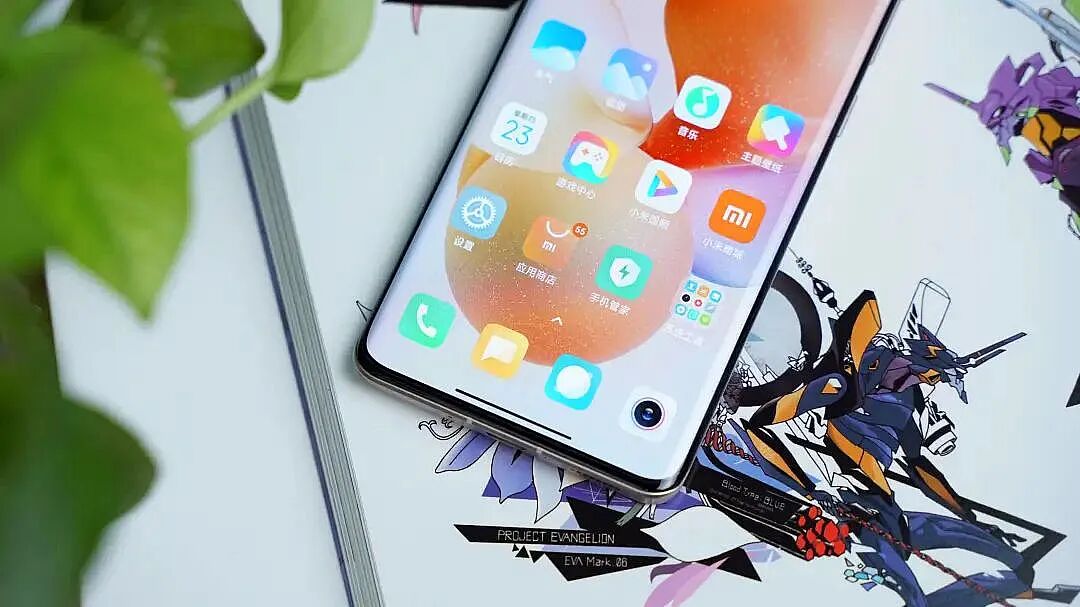
Speaking of which, I even bought the first generation Xiaomi Civi for my mom, and not just one.

The reason is simple: the phone is genuinely lightweight and good-looking, and I was confident that it was powered by the Snapdragon 778G, a choice that would not fail in daily use.
The Incredible Snapdragon 778G: A Game Changer!

(Image source: Lei Technology)

For my mom, the criteria for a good phone are twofold:Does it lag when scrolling through headlines and Douyin, and is the video call clear?

As it turns out, the Snapdragon 778G handled both tasks flawlessly; I hardly ever received a complaint from her about the phone lagging, and it was sufficient for her to take photos and post on social media.

Even now, she is still using it, and when I occasionally ask her, she replies with the same phrase: “It’s pretty good, no issues.” How should I put it? A mid-range phone from a few years ago that can still be comfortably used by an elder is perhaps the best praise for a “legendary chip.”

The Incredible Snapdragon 778G: A Game Changer!

Generational Success, Precise Cross-Industry Application

Of course, for Qualcomm, it is impossible to stop without fully utilizing a successful chip IP.
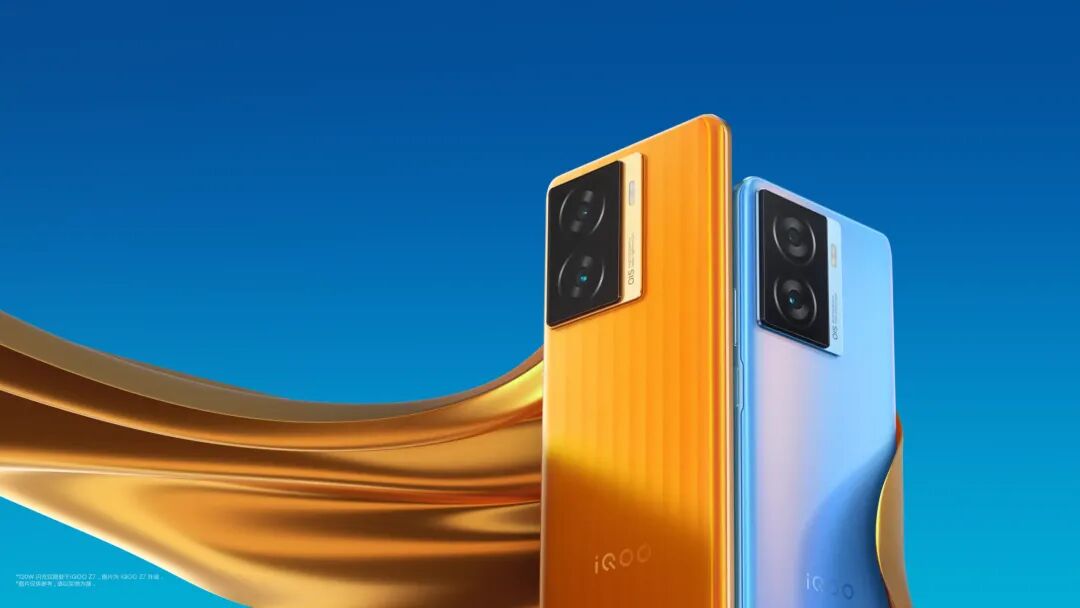
Thus, after the great success of the Snapdragon 778G, we quickly saw various derivative versions, showcasing a “generational success”.

First, there was a straightforward official overclocking,the Snapdragon 778G+ increased the A78 super core frequency to 2.5GHz, while the Snapdragon 782G further raised it to 2.7GHz. This move allowed models like the iQOO Z6 to further extract performance potential from this mature platform, achieving a slight advantage over contemporaneous products.

The Incredible Snapdragon 778G: A Game Changer!

(Image source: iQOO)

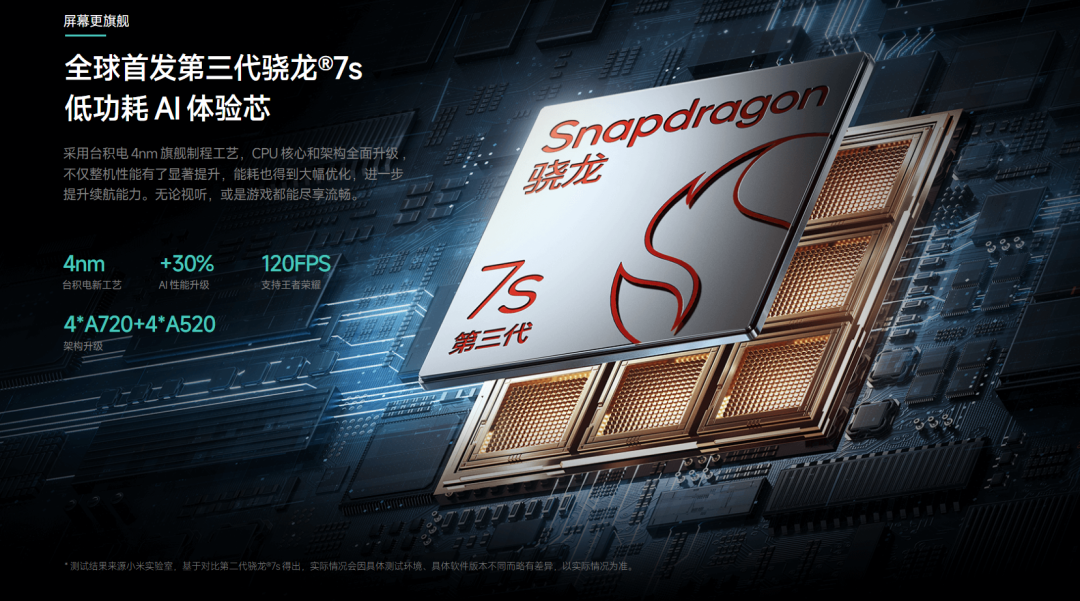
Next came the “spiritual successors” under the new naming system—Snapdragon 7s Gen 2/Gen 3/Gen 4.

They continue the balanced, low-power design philosophy of the 778G. Especially the Snapdragon 7s Gen 3, after switching to TSMC’s 4nm process and ARMv9 instruction set with Cortex-A720/A520 cores (1+3+4 architecture), achieved generational leaps in efficiency and AI performance.

The Incredible Snapdragon 778G: A Game Changer!

(Image source: Redmi)

However, even so, they are essentially variants of the Snapdragon 778G.

According to Lei Technology’s tests, after four years of development, even the latest Snapdragon 7s series chips have overall performance that is basically on par with the Snapdragon 778G.

Considering that the Snapdragon 7s Gen 4 is merely an overclocked version of the 7s Gen 3, this situation is unlikely to change this year.

The Incredible Snapdragon 778G: A Game Changer!

(Image source: Lei Technology)

Moreover, not only Qualcomm, but also MediaTek is in the same boat.

For example, in the Note 14 Pro series, which we are familiar with, it is equipped with the Dimensity 7300 processor, featuring the familiar A78+A55 core configuration, and tests show thatits overall performance is almost on par with the Snapdragon 778G, while the Dimensity 7200 processor with a smaller number is actually lagging behind.

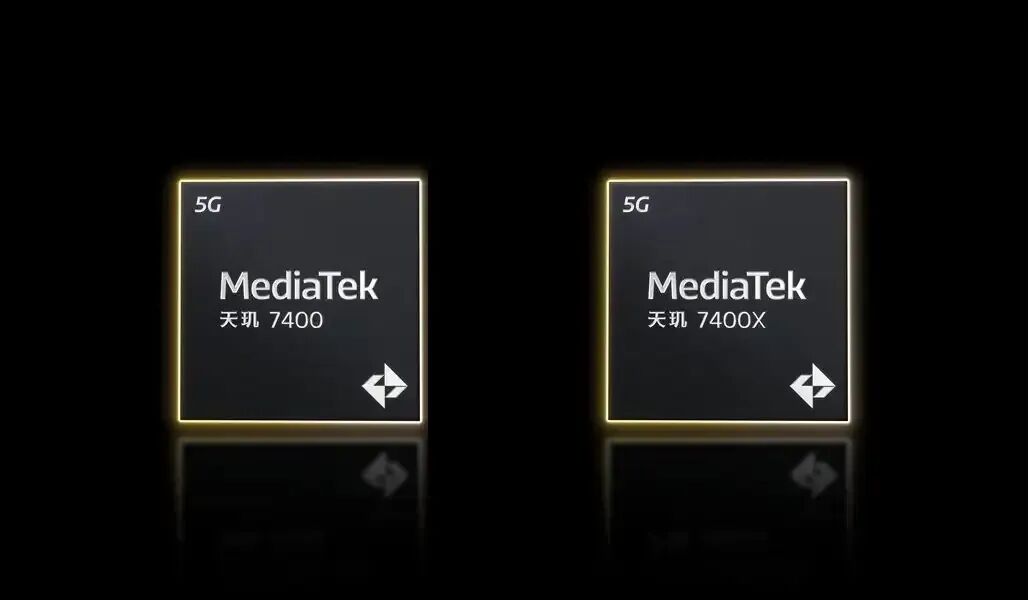
As for the Dimensity 7400 released this year, it only increased the big core frequency by 0.1GHz, and any advantage can basically be attributed to “testing errors”.
The Incredible Snapdragon 778G: A Game Changer!

(Image source: MediaTek)

As for other lower-end products, such as Snapdragon 6 Gen 1, Snapdragon 6 Gen 3, Snapdragon 4 series, Dimensity 7050, Dimensity 6020, etc., their performance is even more dismal.

It can be said that the overall decline of competitors and iterations is one of the important reasons why the Snapdragon 778G has such longevity.

What truly revitalized this old “chip” is Qualcomm’s introduction of a new brand this year—Qualcomm QCS6490, an IoT chip with cross-industry applications.

From a hardware perspective, this chip is essentially a “rebranded” version of the Snapdragon 778G, with nearly identical core specifications, but the QCS6490 has two crucial features for professional devices: it not only removes the 5G modem to lower the price but also provides full lifecycle technical support from Qualcomm.
The Incredible Snapdragon 778G: A Game Changer!

(Image source: Qualcomm)

This precisely addresses the biggest pain point of traditional Android Hi-Fi players.

Previously, the vast majority of players adopted weak entry-level processors, such as Rockchip’s RK series or Qualcomm’s Snapdragon 4/6 series, to control costs and power consumption. This directly led to extremely laggy system experiences, with frame drops and delays being commonplace when scrolling through large local music libraries or streaming apps. Even worse, the system versions were rarely updated, making it impossible to use new apps and posing serious security risks.

The addition of the QCS6490 is like a “dimensionality reduction strike” for Hi-Fi players.

Its performance may only be “adequate” for smartphones, but for Hi-Fi players that require UI smoothness and modern system capabilities without needing gaming performance, it is undoubtedly “overkill”—like replacing a classic vintage car’s top-notch chassis and suspension with a modern, stable, and reliable turbocharged engine.

This precise cross-industry application may very well make the Snapdragon 778G the most “long-lived” chip in the mobile device market.

The Incredible Snapdragon 778G: A Game Changer!

Final Thoughts

In the past three years, Qualcomm and MediaTek have been fiercely competing in the flagship market, but their strategies in the mid-range market have proven to be more astute and pragmatic.

This situation can be viewed from two perspectives: on one hand, mid-range chips have seen no substantial progress for four consecutive years; on the other hand, the enduring popularity of the Snapdragon 778G and similar products reflects a market trend: for the vast majority of ordinary users, performance is no longer a bottleneck; “adequate and user-friendly” is more important than “extreme performance”.
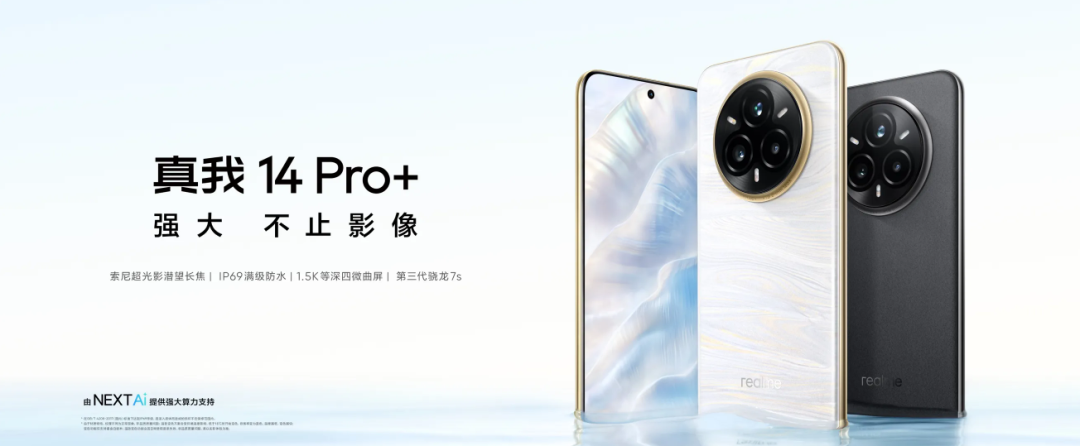
When a processor’s performance is sufficient to handle over 90% of daily application scenarios smoothly, while also exhibiting excellent power control and mature software optimization, it possesses the potential to become a “classic”.

For smartphone manufacturers, choosing the Snapdragon 778G and similar products means lower procurement and R&D costs, a more stable supply chain, and more controllable power consumption and heat generation, allowing them to allocate more budget to areas that users can perceive more directly, such as displays, imaging, and fast charging.

The Incredible Snapdragon 778G: A Game Changer!

(Image source: Realme)

For consumers, purchasing devices equipped with such chips means obtaining a stable, smooth, and worry-free long-term usage experience at a relatively reasonable price.

This is a win-win situation.

The only question now is, with the rise of edge AI large models, higher frame rate games, and more complex imaging algorithms, will successors like the Snapdragon 7s Gen 4 be able to replicate the glory of their predecessor?

Perhaps no one knows the exact answer to this question.

#Chip #Qualcomm #Snapdragon #Snapdragon778G #LowEndChip
The Incredible Snapdragon 778G: A Game Changer!

Welcome to scan and add Xiao Lei on WeChat

Remember to note the phone brand you want to join the group for!

Chat with Xiao Lei about digital and technology

The Incredible Snapdragon 778G: A Game Changer!Additionally, Xiao Lei has created several fan groups, welcome to scan and join!Let’s chat and share tips on using devices~The Incredible Snapdragon 778G: A Game Changer!The Incredible Snapdragon 778G: A Game Changer!The Incredible Snapdragon 778G: A Game Changer!The Incredible Snapdragon 778G: A Game Changer!The Incredible Snapdragon 778G: A Game Changer!The Incredible Snapdragon 778G: A Game Changer!EndThe Incredible Snapdragon 778G: A Game Changer!

Leave a Comment