Technological Essence
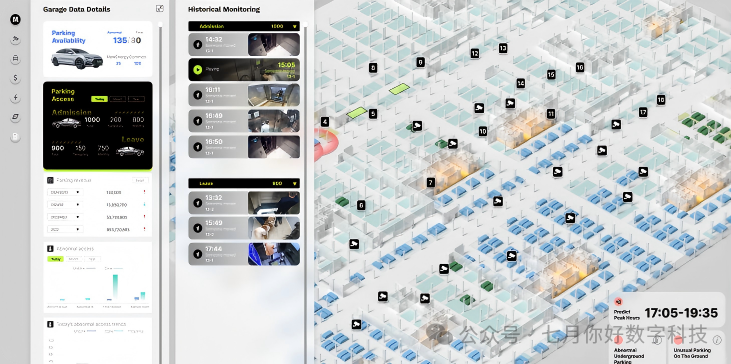
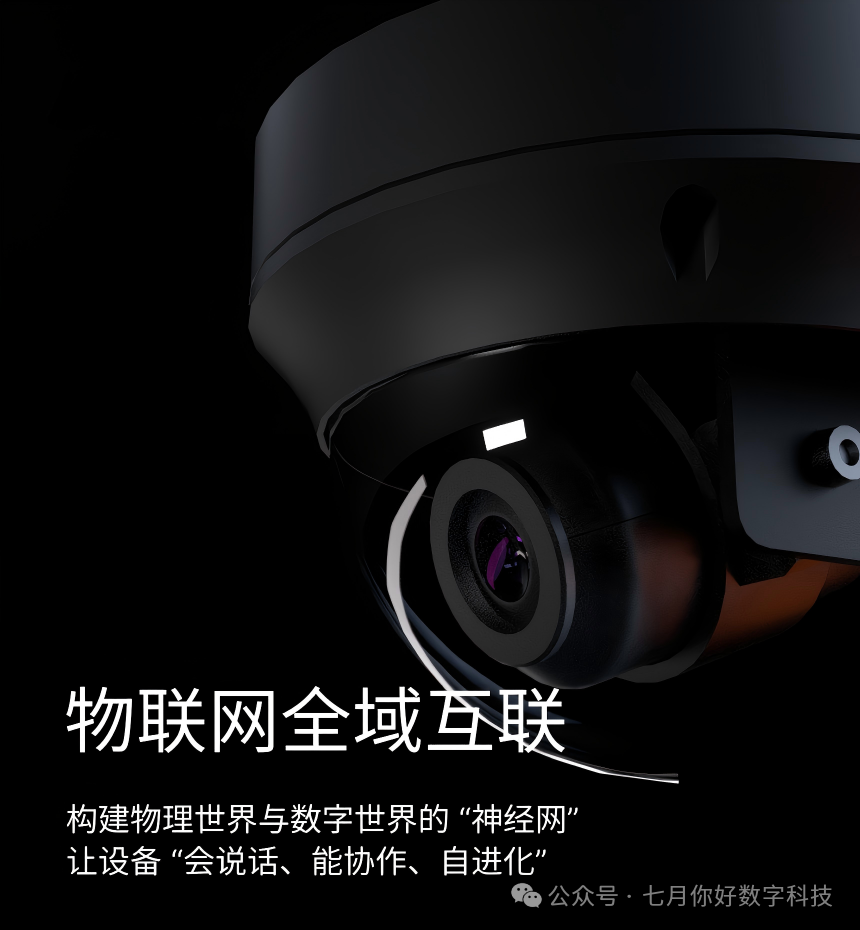
The integration of IoT devices is the foundation of the digital twin system— the ability to integrate diverse data sources such as sensors, smart cameras, and databases directly determines whether the system can achieve intelligent operation and efficient maintenance.
Industry Positioning
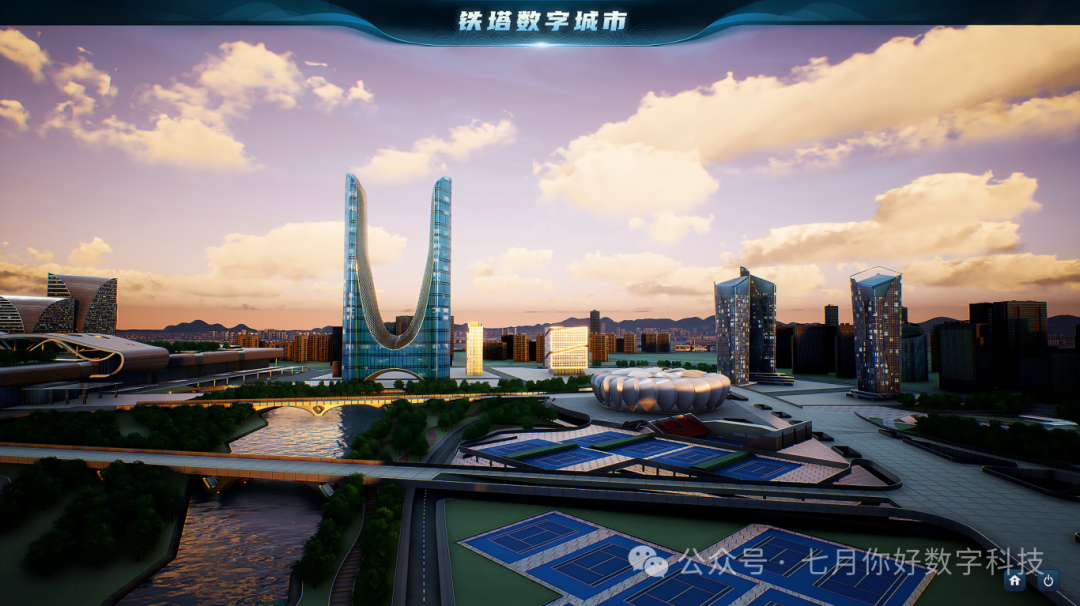
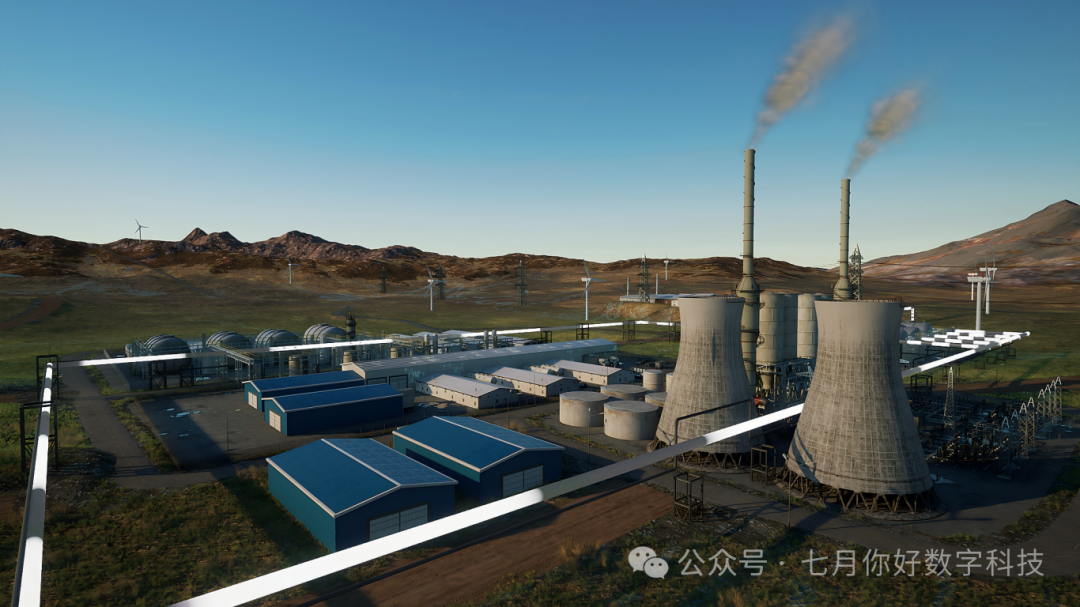
Focusing on the pain points of device interconnection in industrial manufacturing, smart parks, and energy management, we provide end-to-endcustom development from sensors to management platforms.
Our Technological Breakthroughs Include:
1. A fully protocol-compatible system: Supporting over 30 communication protocols from industrial-grade OPC UA to consumer-grade MQTT, breaking down ecological barriers between devices.
2. Dynamic allocation of edge-cloud computing power: Our self-developed lightweight edge nodes enhance local processing response speed by 10 times for critical data, while non-sensitive data undergoes deep analysis in the cloud.
Customer Pain Points (using industrial factories as an example):
1. Thousands of devices from dozens of brands with incompatible data formats, relying on manual inspections for operation and maintenance, leading to delayed fault detection.
2. Sudden downtime resulting in daily losses exceeding one million yuan, with traditional early warning systems having a high false alarm rate.
Solutions:
1. Comprehensive Device Interconnection:
-
Develop middleware for multi-protocol conversion, such as unifying data access from PLC controllers (Siemens/Mitsubishi), robots (ABB/Fanuc), and AGV carts to the digital twin platform.
-
Install vibration sensors on key stamping equipment to collect thousands of data points per second.
2. AI Intelligent Early Warning System:
-
Train AI models based on historical equipment data to identify abnormal vibration spectrum features (e.g., early 0.1mm level deformation of shaft wear).
-
Use color temperature changes in the 3D twin model to warn of risk devices (blue → yellow → red), automatically pushing maintenance work orders to the nearest engineer’s PDA.
-
From device silos to intelligent collaboration—based on the UE5 engine and industrial-grade IoT middleware, we build a fully connected, self-evolving, and highly reliable device management system for you.