We are now in the era of mobile internet, where people’s work, life, and entertainment are closely related to the internet. Especially for businesses that welcome customers, whether in the food and beverage industry, hotels, hospitals, or schools, providing Wi-Fi is essential. The effectiveness of wireless Wi-Fi can even impact business performance.

Building a wireless Wi-Fi network seems simple, but improper deployment can lead to various issues such as disconnections, lag, slow speeds, or even exploitation by malicious individuals. Today, I will guide you step-by-step on how to build a high-quality secure Wi-Fi network.

The effective coverage range of a single wireless Wi-Fi access point is generally within 20 meters. Considering that the actual environment is unlikely to be open, building materials such as indoor walls and partitions have a significant impact on the signal. It is generally recommended to plan one wireless device for every 150 square meters; the coverage area can be appropriately enlarged in open or outdoor spaces.

At the same time, the number of users that a single wireless device can support is also limited. Common home routers can generally provide connectivity for about 10 users, commercial routers can support 30-50 users simultaneously, and professional wireless APs (access points) can support over 50-100 users at the same time.

Therefore, when considering building a wireless network, you should plan according to the area of the venue and the expected number of users. Devices such as POS machines, wireless cameras, and cash registers should also be included. Here are a few common scenarios:
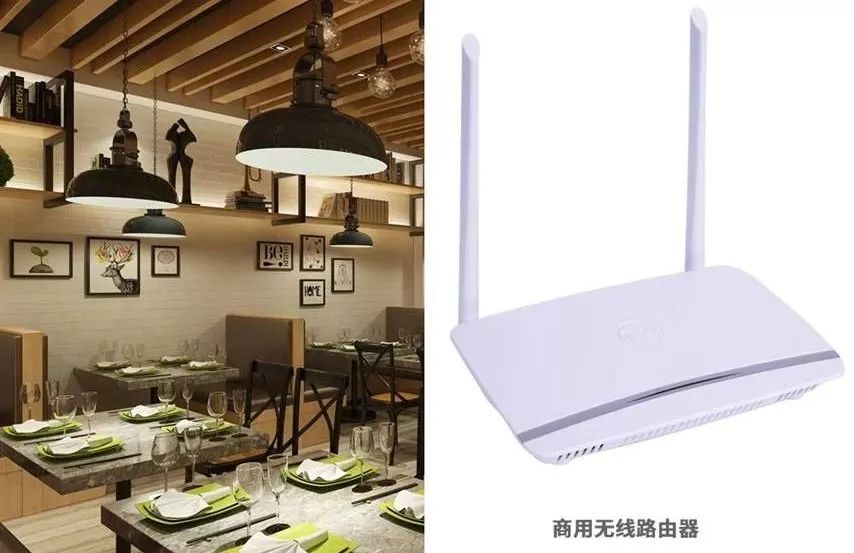
Scenario A: A 100-300 square meter dining venue with spacious space and an estimated number of users of 20-30 can be served with 1-2 commercial routers.
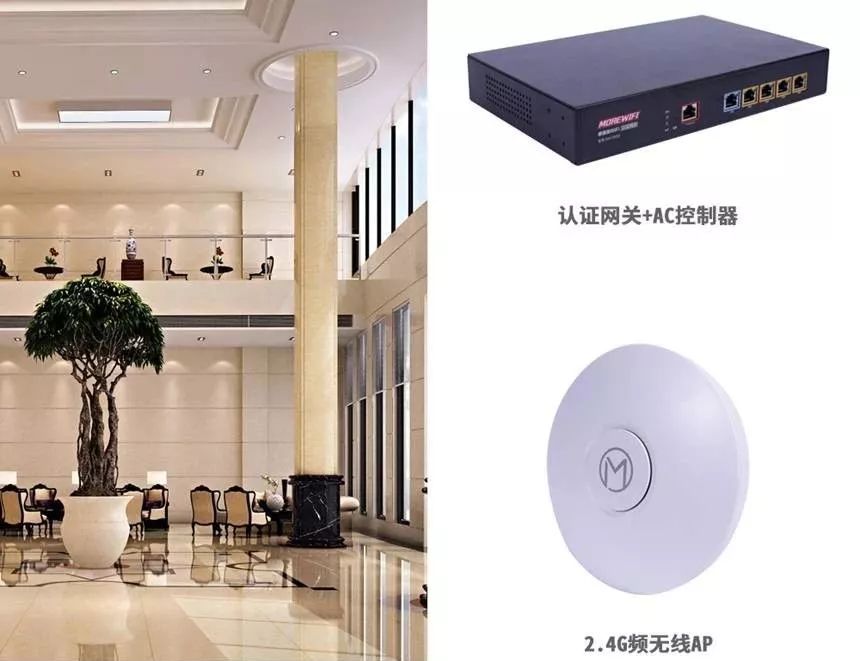
Scenario B: An apartment or budget hotel with 30-50 rooms, covering an area of 2000-300 square meters, and approximately 100 users cannot use commercial routers. Typically, a network is built using 1 AC (AP controller) + multiple APs (wireless access points). Each AP can usually cover 150-200 square meters or 4-6 rooms.
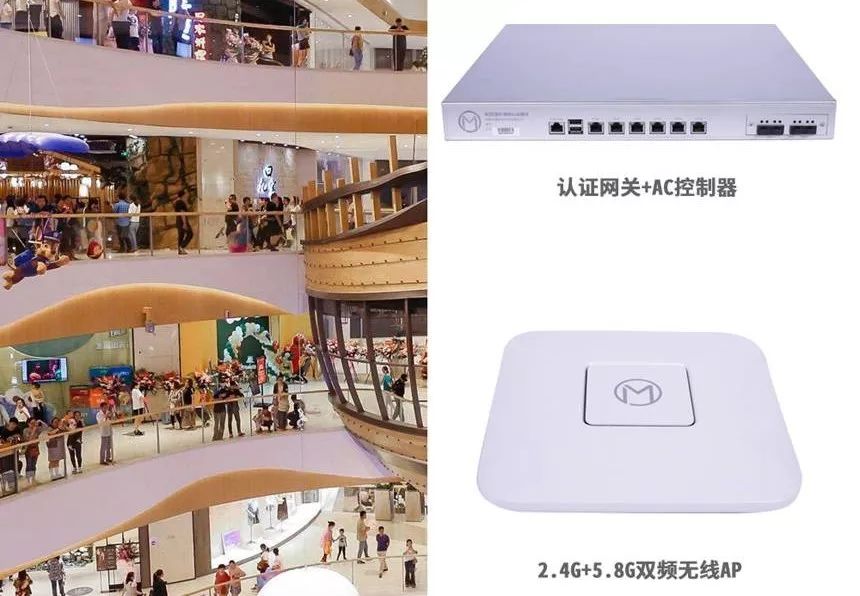
Scenario C: Large supermarkets, hospitals, and schools covering over 10,000 square meters with more than a thousand users, and some areas with dense foot traffic will require 1 or more ACs + multiple dual-band (2.4G + 5G) APs for network coverage. APs should be deployed in a honeycomb structure, with a single AP typically covering around 200 square meters.
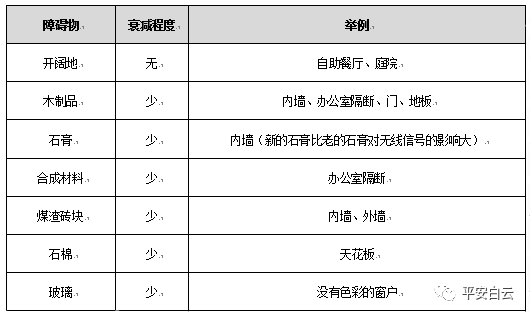
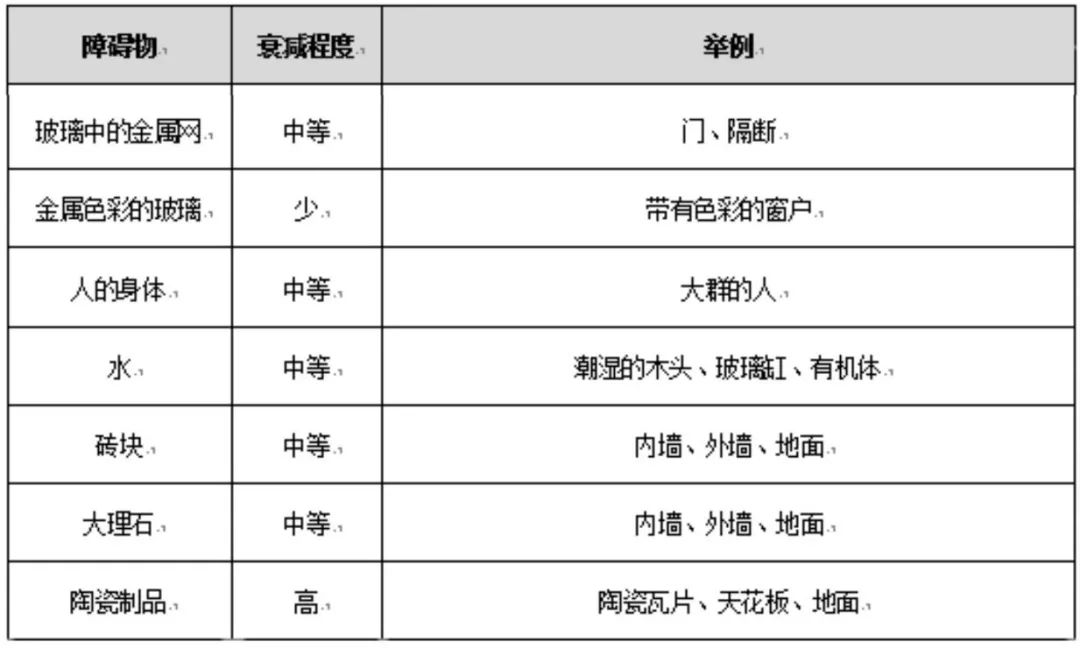
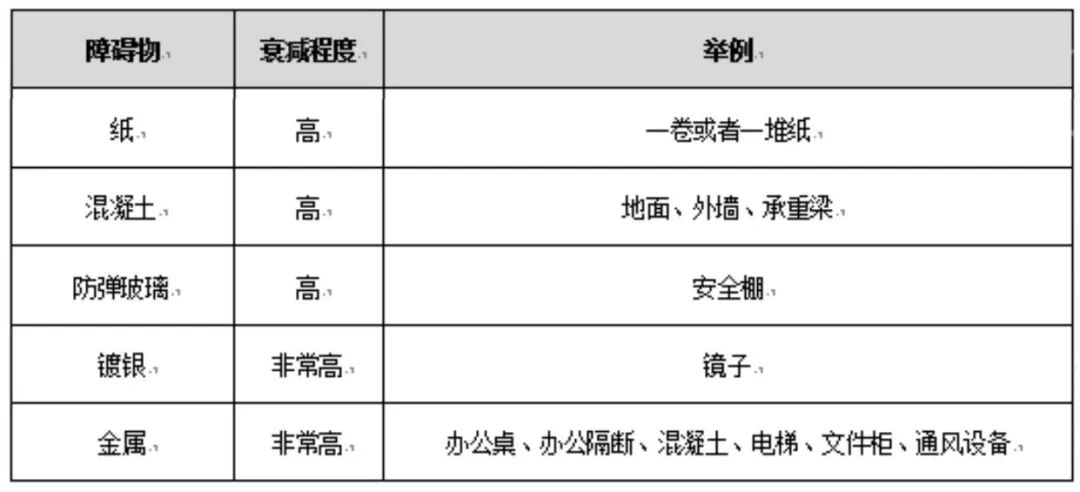
The transmission method of Wi-Fi signals is circular, radiating outward from the center of the wireless AP. The penetration ability through metal, concrete, and glass is weak. The table below shows the impact of various obstacles on wireless signals.
For areas smaller than 300 square meters, using desktop routers, you can place the router at a higher position or mount it in a prominent location within the room. Do not hide the router in a cabinet or stack it among clutter.
For multiple AP coverage modes, since the AP signals cover in a circular 360-degree manner, the installation positions of APs should be as high as possible to effectively eliminate fixed or moving obstacles between the AP and wireless terminals, ensuring effective communication between the AP and wireless terminals. When installing only one AP in a room, try to place it in the central position, preferably on the ceiling. AP devices should also be kept as far away from corners as possible and placed in visible positions. For example, if the device is installed in a corner, the signal will be affected, resulting in limited wireless signal coverage.
Additionally, some electronic devices operating in the same frequency band as the wireless AP can interfere with its signal, including microwaves, anti-theft systems (mall entrance detectors), and other high-power electronic devices. Therefore, when deploying APs, they should be kept 1-2 meters away from interference sources.
To ensure user internet security, according to relevant legal provisions, public Wi-Fi access places must implement relevant network security protection technical measures, install and operate a security management system for internet public access service venues, and provide network interfaces that meet public safety technical standards. Therefore, if public venues fail to fulfill their information network security management obligations, leading to the destruction of evidence in criminal cases or the widespread dissemination of illegal information, serious consequences may result, including potential criminal liability.
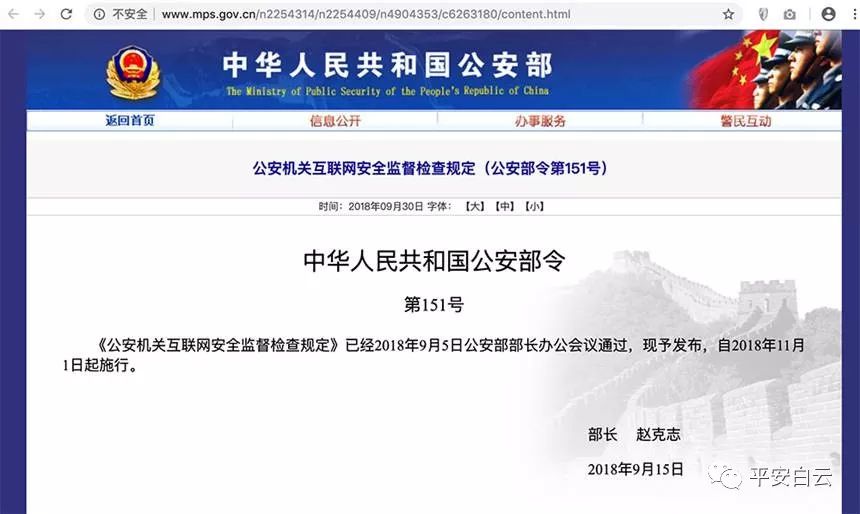
According to the “Computer Information Network Security Protection Management Measures” and “Internet Security Protection Technical Measures Regulations” and other relevant legal provisions, internet providers and network users (including government agencies, enterprises, community organizations, schools, libraries, internet cafes, hotels, malls, leisure clubs, restaurants, etc.) that provide free internet services to unspecified individuals must implement security protection technical measures that comply with the regulations.

According to the “Internet Security Protection Technical Measures Regulations” promulgated by the Ministry of Public Security in 2005 (Order No. 82, effective from March 1, 2006), internet service providers and network users are responsible for implementing internet security protection technical measures and ensuring the normal functionality of these measures..

In simple terms, if a business uses ordinary Wi-Fi devices to provide free internet to customers, the business does not know who is connecting to the Wi-Fi and is unaware if the connected individuals are using their network for illegal activities. If someone uses the business’s Wi-Fi for illegal activities and the business has not installed Wi-Fi devices that comply with relevant network security technical protection measures, the business may bear corresponding legal responsibilities. If the business installs security devices that have obtained the “Computer Information System Security Specialty Product Sales License” from the Ministry of Public Security and operates them normally, they can avoid legal risks.

To implement internet security protection technical measures, the venues providing internet services must meet the following requirements:
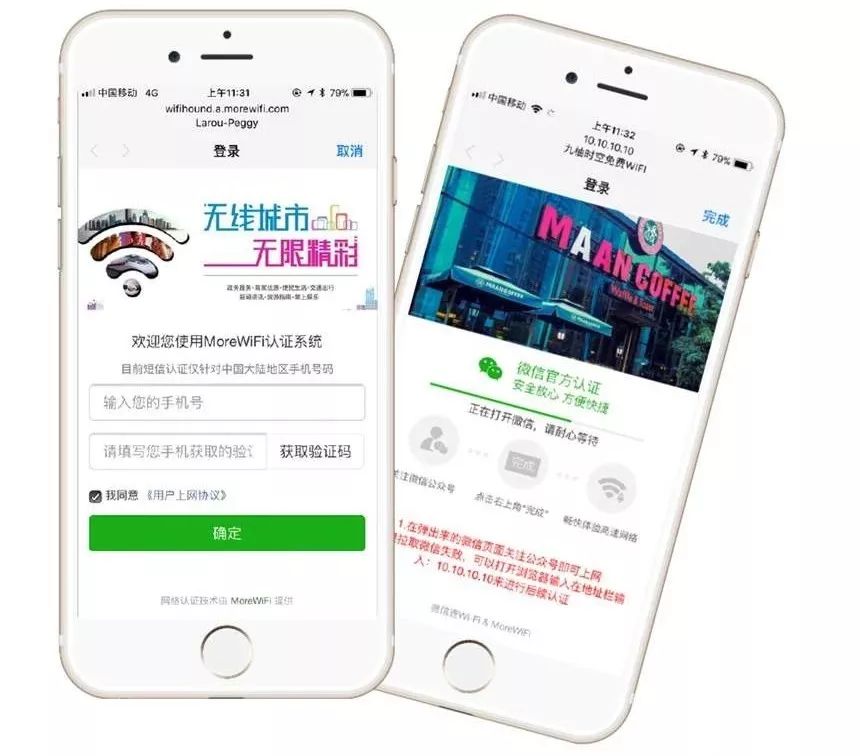
1. Use authentication and audit equipment, allowing users to log in through compliant methods such as ID number, phone number, or WeChat ID.
2. Register with the public security authorities and voluntarily accept their supervision.
3. Effectively assume the network security management responsibilities, being accountable for the security of the network they establish and for the internet users.
Finally, some businesses believe that installing security devices will affect their internet privacy and are resistant to installation. It is clarified here that as long as products certified by the Ministry of Public Security are installed, according to Article 7, Item 3 of the “Internet Security Protection Technical Measures Regulations”, the devices only record basic information such as user login and logout times, without involving specific data, thus not affecting personal privacy and will not monitor internet information.