Background:
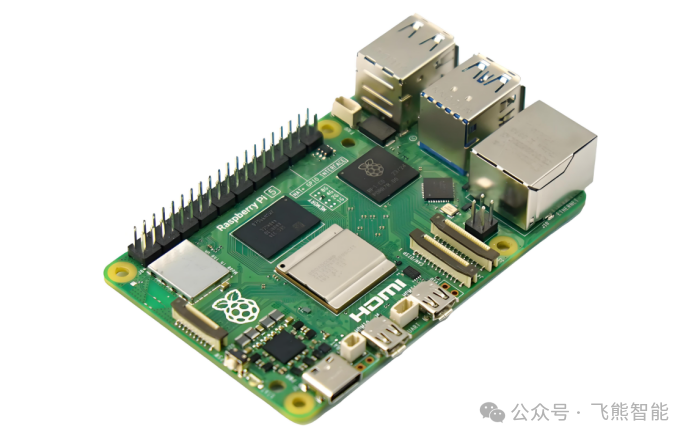
The Raspberry Pi was originally initiated by the UK charity Raspberry Pi Foundation, aimed at promoting education through low-cost computing projects. Its hardware design is based on the Linux system, and it is only the size of a credit card..
Operating System:
The official operating system provided by Raspberry Pi is Raspberry Pi OS, which is developed based on Debian Linux and is deeply optimized for the Raspberry Pi hardware architecture. Its main features are low resource consumption and modular design: even when using low-spec models like the Raspberry Pi Zero, the system can still run smoothly. The pre-installed programming tools Python and Scratch, as well as the Chromium browser and LibreOffice suite, make it an ideal choice for educational scenarios and lightweight development.
Features:
1. Low cost and convenience
The price of Raspberry Pi typically ranges from tens to hundreds of RMB (for example, the Raspberry Pi Zero is about $5, and the Raspberry Pi 5 is about $75), and its size is close to that of a credit card (for instance, the Raspberry Pi 4 measures 85mm×56mm).
2. Rich expansion interfaces
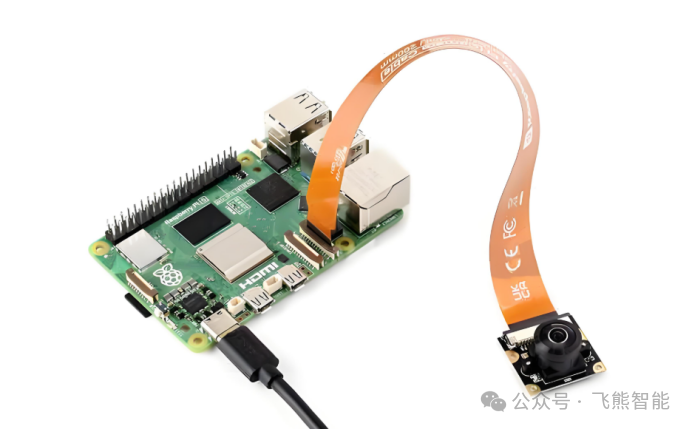
It provides 40 GPIO pins, USB 3.0/2.0, Gigabit Ethernet, HDMI output, and other interfaces, allowing connection to sensors, displays, storage devices, and other peripherals.
3. Open-source ecosystem and multi-system support
It runs the Debian-based Raspberry Pi OS by default, supporting programming languages such as Python and C++. Additionally, it supports
Ubuntu MATE, and some models support Windows 10 IoT system.
Applications:
The Raspberry Pi is widely used by users around the world in various industrial scenarios, including applications in the Internet of Things, industrial automation, smart agriculture, artificial intelligence, and renewable energy.