Are you still confused about CPU, GPU, and NPU? This article will clarify the confusion! Using straightforward language, we will break down these three core computing units.
CPU: Central Processing Unit
Meaning and Positioning: The CPU is the “brain” of the computer, responsible for executing the instructions of the operating system and various programs, coordinating the work of all computer components. It is like a versatile manager that can handle a variety of tasks, from simple text editing to complex mathematical calculations, making it the core of general computing.
Core Architecture Principles: The CPU consists of controllers, arithmetic logic units (ALU), and caches. It adopts an architecture of few cores + complex control (usually only a few to dozens of cores), with each core adept at sequentially processing instructions, emphasizing single-thread performance and complex logical judgments. The CPU continuously processes tasks through a fetch-decode-execute cycle to complete as many instruction steps as possible in a unit of time. This architecture makes it very efficient for sequential logic and branching judgments, but due to the limited number of cores, it is relatively insufficient for large-scale parallel computing.
Typical Application Scenarios: As a general-purpose processor, the CPU is ubiquitous, responsible for running various tasks such as operating systems, office software, and daily applications. For example, when we open documents, play videos, or run web browsers on our computers, it is primarily the CPU that is scheduling and computing. In servers and data centers, the CPU also undertakes critical tasks such as database management and network services. It can be said that for any task requiring coordination and complex logic, the CPU is the best choice.
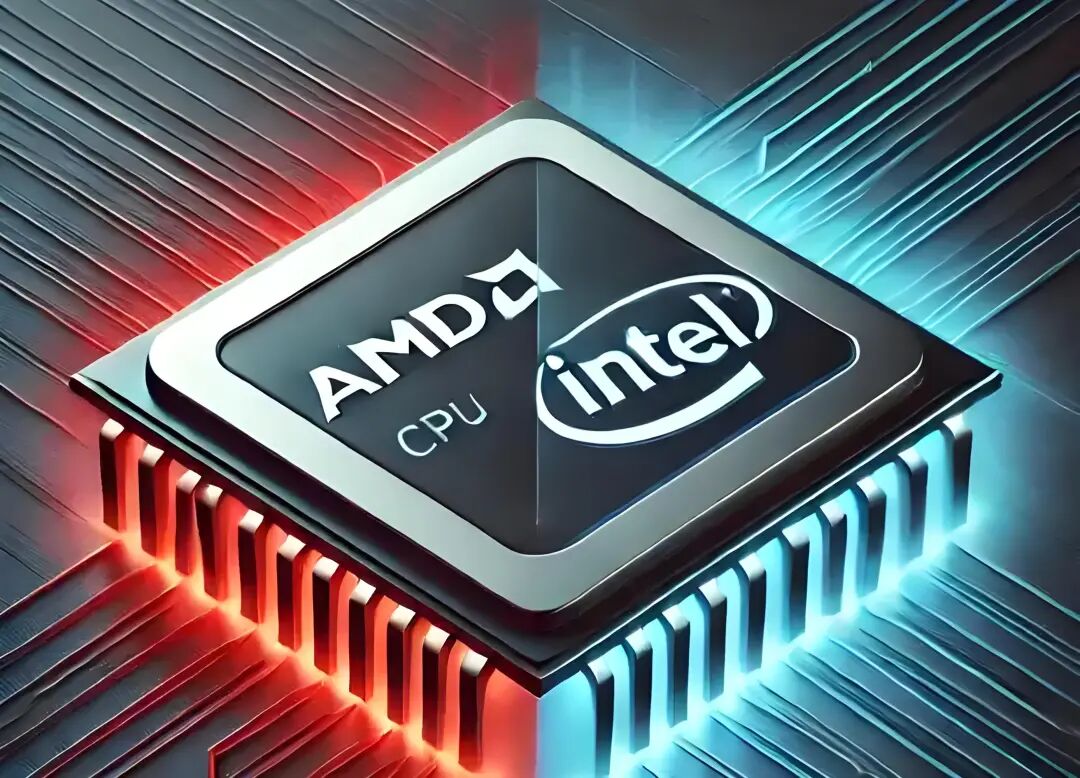
Leading Manufacturers and Products: Currently, the CPU market is dominated by Intel and AMD. Intel’s latest flagship is the 14th generation Core series, such as the Intel Core i9-14900K, which has 24 cores and 32 threads, with a maximum frequency of 5.8GHz. AMD has also launched high-performance processors like the Ryzen 9 7950X3D, using a 5nm process, with up to 16 cores and 32 threads, excelling in gaming and multitasking. Additionally, in the mobile and embedded fields, ARM architecture CPUs are also very popular, such as Apple’s self-developed chips (Apple A series, M series) and Qualcomm Snapdragon CPUs, which are high-performance processors based on ARM architecture.
GPU: Graphics Processing Unit
Meaning and Positioning: The GPU was originally designed as a dedicated processor for graphics rendering, functioning like a group of parallel craftsmen skilled at processing large amounts of data simultaneously. The GPU has hundreds or even thousands of arithmetic logic units (ALUs) that can execute massive calculations in parallel. This architecture allows it to excel in graphics and image processing, making it a powerful accelerator for general parallel computing.
Core Architecture Principles: The GPU adopts a massively parallel architecture. Taking NVIDIA GPUs as an example, they consist of multiple streaming multiprocessor clusters (SM), each containing dozens to hundreds of CUDA cores. The GPU operates using a single instruction multiple threads (SIMT) model, where the same batch of threads executes the same instruction but processes different data, achieving highly parallel computation. This design sacrifices some single-thread flexibility in exchange for a leap in throughput: the GPU can simultaneously work on thousands of threads, significantly speeding up tasks like graphics rendering and matrix operations that are parallel-intensive. It is important to note that due to its specialized architecture, the GPU is less efficient than the CPU when handling complex logic and frequent branching.
Typical Application Scenarios: The classic use of GPUs is in gaming and graphics rendering. The complex 3D scenes and lighting effects in modern games are quickly rendered by GPUs to present smooth and realistic visuals. In addition to graphics, GPUs also play a crucial role in high-performance computing and artificial intelligence. Since AI training involves large-scale matrix operations, GPUs, with their parallel computing advantages, have become the main hardware for deep learning. For example, training a large neural network model might take weeks on a CPU, while using multiple GPUs for parallel computation can reduce the time to days or even hours. Furthermore, GPUs are widely used in scientific computing, engineering simulations, and video encoding/decoding that require extensive parallel processing.
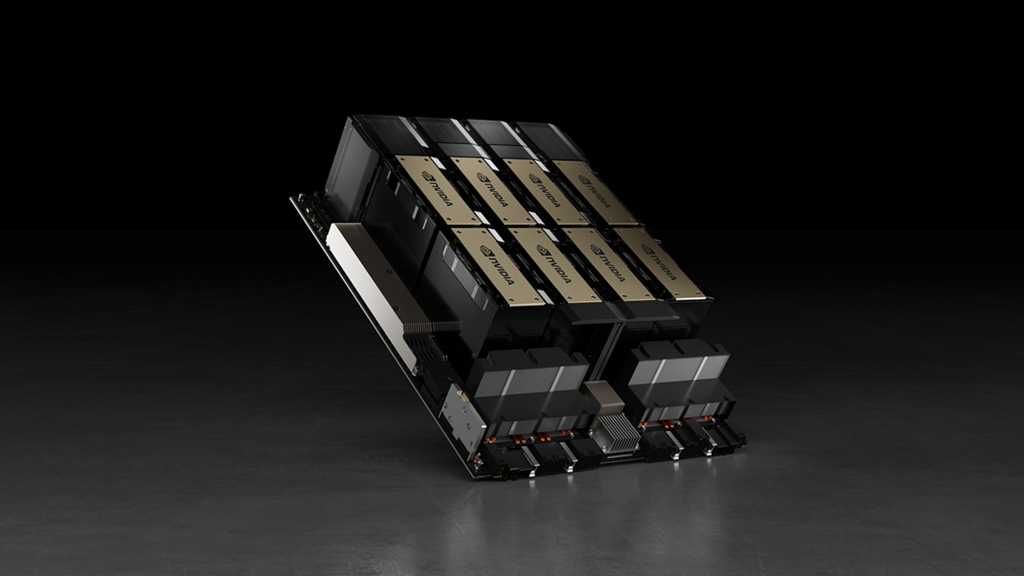
Leading Manufacturers and Products: NVIDIA is currently the leader in the GPU field, with its GeForce series graphics cards dominating the gaming market, while professional accelerator cards like Tesla/A100/H100 rule the AI and data center sectors. The latest generation of NVIDIA RTX 40 series graphics cards (such as RTX 4090) uses the Ada Lovelace architecture, boasting over 16,000 CUDA cores, excelling in both gaming and AI. NVIDIA has also launched the H100 Tensor Core GPU for data centers, optimized for artificial intelligence, providing hundreds of trillions of matrix operations per second. AMD is another major player in the GPU field, with its Radeon graphics cards competing with NVIDIA in the gaming market. The latest Radeon RX 7000 series (such as RX 7900 XTX) also features thousands of streaming processor cores, performing closely to NVIDIA’s offerings. AMD also has server-oriented MI series accelerator cards (such as MI250, MI300) to compete with NVIDIA in the high-performance computing market. Notably, Intel has also re-entered the discrete GPU market in recent years, launching the Arc series graphics cards, attempting to carve out a share in the gaming and professional graphics sectors. Overall, NVIDIA maintains a dominant position in AI computing due to its first-mover advantage and comprehensive ecosystem, while AMD and Intel continue to introduce competitive GPU products in their respective niches.
NPU: Neural Processing Unit
Meaning and Positioning: The NPU is a processor specifically designed for artificial intelligence and neural network computations. It functions as an AI accelerator, efficiently executing operations like matrix multiplication and accumulation in deep learning models. Unlike general-purpose chips like CPUs and GPUs, NPUs are optimized at the hardware architecture level for neural networks, making them often more efficient than CPUs/GPUs when performing AI inference tasks.
Core Architecture Principles: NPUs typically adopt a data flow-driven architecture, integrating numerous multiply-accumulate units and optimizing for low-precision calculations (such as 8-bit integers and 16-bit half-precision). In simple terms, NPUs map the matrix operations of neural networks onto hardware circuits, allowing data to flow rapidly within the chip for computation, thereby reducing data transport delays. Compared to GPUs, which need to execute numerous thread instructions, NPUs are more like customized matrix calculators, capable of completing specific AI computations with fewer transistors and lower power consumption. This results in NPUs exhibiting outstanding energy efficiency—for the same AI tasks, NPUs are often several times faster and more power-efficient than CPUs/GPUs. However, NPUs also have limitations: due to their high specialization, they can only efficiently handle specific types of neural network computations and are not adept at general-purpose computing.
Typical Application Scenarios: NPUs are most commonly found in mobile devices and embedded systems, enabling various AI functionalities. For instance, the NPU in smartphones can accelerate facial recognition, voice assistants, and camera AI applications, allowing real-time image recognition and beautification processing. Many high-end Android phones (such as those equipped with Qualcomm Snapdragon or Huawei Kirin chips) come with dedicated NPUs to enhance photography effects and AI performance. In IoT devices and smart homes, NPUs are also becoming prevalent, used to run simple AI models locally (such as voice recognition and target detection in security monitoring) to reduce latency and privacy risks. Autonomous vehicles are another area where NPUs excel: onboard NPUs can process vast amounts of data from cameras and radars in real-time, running target recognition and decision algorithms to help vehicles react instantly while driving. It is worth noting that currently, NPUs are more used for inference (i.e., making predictions using trained models), while tasks requiring flexible model training still primarily rely on general accelerators like GPUs.
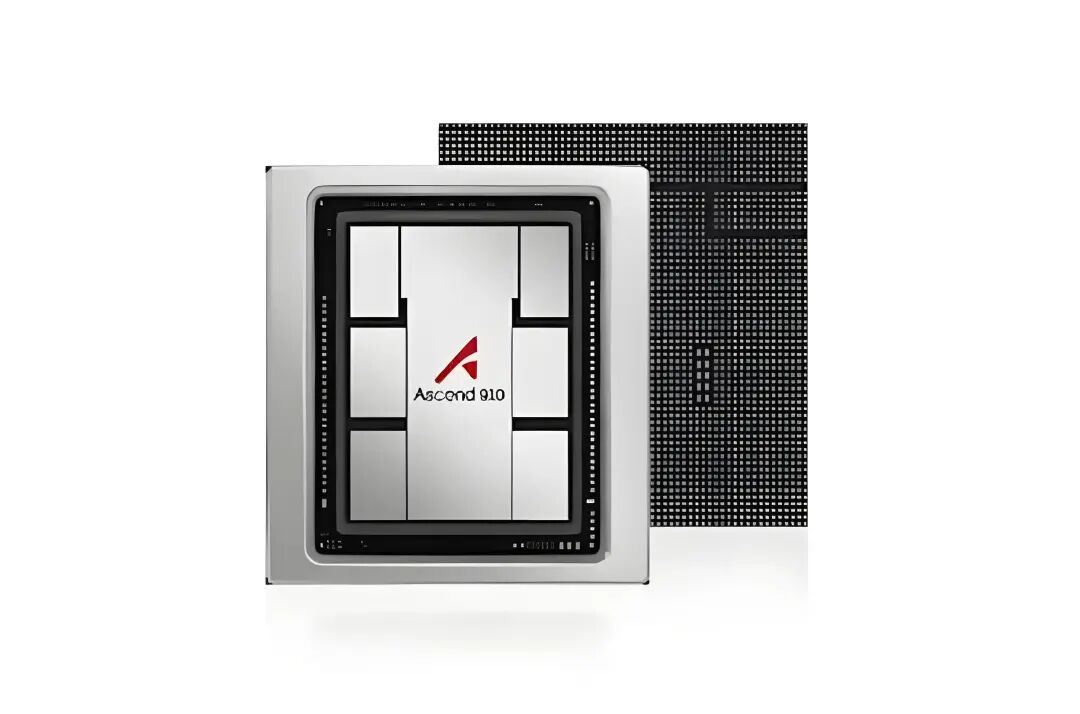
Leading Manufacturers and Products: With the AI boom, many companies have launched their own NPU solutions. Huawei was one of the early players in the NPU space, with its mobile SoCs (such as the Kirin 990/9000 series) featuring the Kirin NPU, which has performed outstandingly in the industry, providing tens of trillions of AI operations per second. Apple‘s A series and M series chips also integrate an NPU module called Neural Engine, for example, the neural network engine in the A16 Bionic chip can execute 170 trillion operations per second, enhancing the camera and AR performance of the iPhone. Qualcomm has incorporated the Hexagon Tensor Accelerator (HTA) as an NPU in its Snapdragon mobile platform, with the latest Snapdragon 8 Gen3 reportedly achieving AI computing power of 450 trillion operations per second to support various AI functions on smartphones. In the embedded and data center fields, specialized NPU chip companies have also emerged, such as Google‘s TPU (Tensor Processing Unit), which, despite its different name, is essentially a dedicated accelerator for AI, widely deployed in Google’s data centers to accelerate the training and inference of TensorFlow models. Cambricon is a Chinese AI chip unicorn that has launched a series of NPU IPs and chips, such as Cambricon 1A/1H/1M, for smartphone and server acceleration. Horizon Robotics focuses on NPUs for autonomous driving, with its Journey series automotive-grade AI chips already applied in the driving assistance systems of several automotive manufacturers. Overall, NPUs currently exist more in the form of IP cores or integrated chips, with major tech companies racing to develop more efficient AI-specific processors to seize the high ground in future AI hardware.
Differences and Connections Among the Three
From the above introduction, we can summarize the characteristics of CPUs, GPUs, and NPUs as follows:
- Architecture and Design Philosophy: CPUs have few cores but comprehensive functionality, emphasizing sequential execution and logical control, suitable for general tasks; GPUs have massive cores and adopt a parallel architecture, suitable for processing large amounts of data simultaneously; NPUs are highly customized AI accelerators designed around data flow, focusing on matrix operations and other AI tasks.
- Performance Focus: CPUs excel in single-thread performance and complex instruction processing, but are limited in parallel computing due to the number of cores. GPUs excel in throughput, adept at completing massive calculations in parallel using a “human wave tactic,” significantly outperforming CPUs in graphics and AI training. NPUs pursue energy efficiency, achieving low power consumption and high speed in specific AI inference tasks, but are ineffective for non-AI tasks.
- Typical Uses: CPUs are used for operating systems, office applications, and nearly all daily computing; GPUs are used for graphics rendering, gaming, and AI training in scenarios requiring large-scale parallelism; NPUs are used for mobile AI, IoT, and autonomous driving applications that require efficient local AI inference.
- Manufacturer Ecosystem: The CPU market is primarily dominated by Intel and AMD, with ARM architecture prevailing in mobile; the GPU market is led by NVIDIA, with AMD following closely, and Intel also making strides; the NPU market is flourishing, with mobile SoC manufacturers (Apple, Huawei, Qualcomm, etc.) integrating NPUs, alongside new players focused on AI acceleration like Cambricon, Horizon Robotics, and Google TPU.
It is important to emphasize that these three are not mutually exclusive; rather, they complement each other: the CPU is the control center of the system, while GPUs and NPUs serve as accelerators for specific computational tasks, together forming a heterogeneous computing system in modern computers. For example, in an AI server, the CPU manages scheduling, while GPUs and NPUs handle high-speed computations, and the three work together to achieve maximum efficiency.