Recently, a new car priced at only 149,800 Yuan has caused quite a stir in the automotive world upon its launch. It has been referred to by many as the “People’s Panamera“, featuring the elegant lines of a C-Class coupe and an aggressive front design, combined with an impressive range of up to 700km, making this car a hot favorite among young consumers. This is the Nezha S, a pure electric sedan from a new Chinese independent brand.
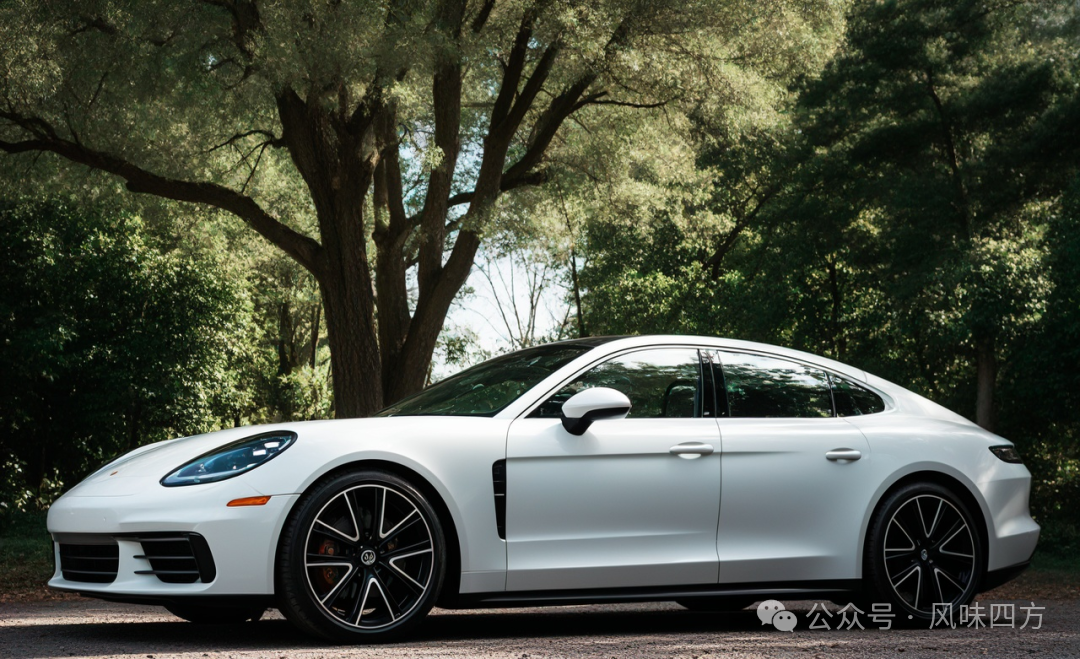
The first impression of the Nezha S strongly reflects the designer’s deep homage to luxury coupes. The front end features a closed grille paired with sharp headlights, along with a continuous daytime running light strip, exuding a sense of technology and power. From the side, the smooth and low coupe stance is almost identical to that of the Porsche Panamera, while the fastback shape runs throughout the vehicle, complemented by frameless doors and hidden door handles, giving the entire car a high-end feel. The rear combines a continuous taillight with a spoiler design, presenting an imposing presence.
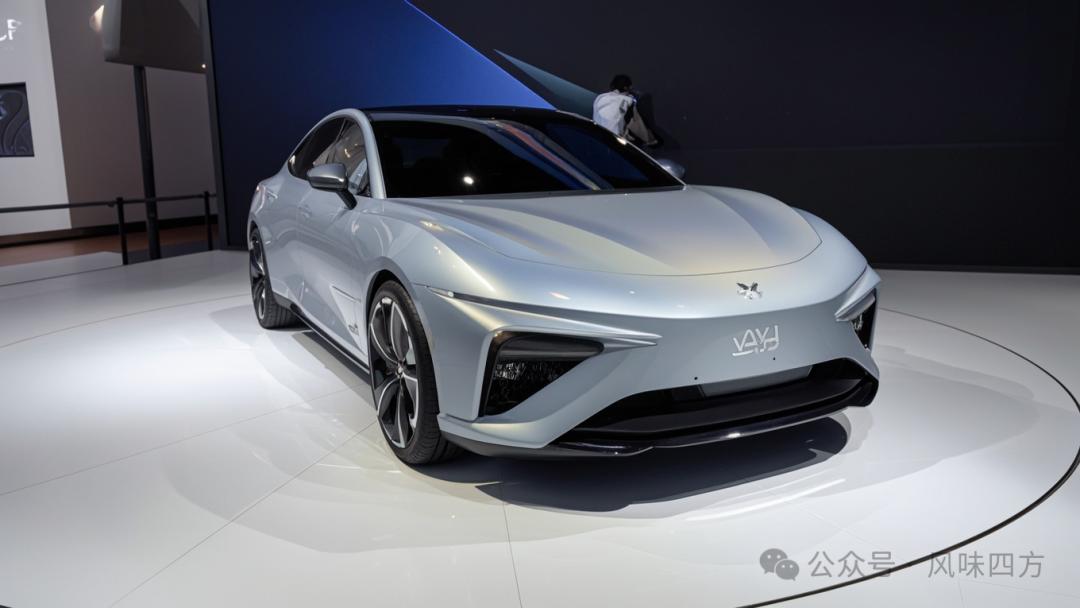
Initially, one might think that such an appearance is merely for show, but upon opening the specifications, it becomes clear that the Nezha S does not fall short in terms of hard power. The main model boasts a CLTC pure electric range of 700km, sufficient for most urban daily commutes and long-distance round trips. In terms of power, it is equipped with a motor that has a maximum power of 170kW and a peak torque of 310Nm, allowing it to accelerate from 0 to 100 km/h in under 7 seconds, which is impressive for a large electric coupe starting at 149,800 Yuan.
In terms of dimensions, the Nezha S measures 4980mm in length, 1980mm in width, and 1450mm in height, with a wheelbase of 2980mm, approaching the standards of traditional C-Class executive sedans. Not only does it visually exude a strong presence, but it also ensures comfort in passenger space. Even in the rear seats, there is no issue of cramped legroom or headroom, allowing this “sporty shell” to retain significant family attributes.
The human-machine interaction system is also fully aligned with the technological pioneers in the new force camp, featuring a 15.6-inch central control touchscreen paired with a high-definition LCD instrument panel, providing smooth operation and a simple interface. The Android-based system supports various functions such as voice control, OTA upgrades, and user account linkage, while its intelligent driving assistance system includes adaptive cruise control, lane keeping, and active braking, significantly enhancing daily driving safety. Additionally, since this model is built on the Shanhai platform, it also supports higher efficiency in the integration of the three electric systems and thermal management technology.
However, there are also strong competitors in the same class, such as the BYD Han EV, Xpeng P7, and Deep Blue SL03, which have already established themselves in this market segment. But from the perspective of overall pricing, configuration combinations, and design language, the Nezha S clearly has a stronger appeal among young consumers. Moreover, the price of 149,800 Yuan precisely targets budget-sensitive consumers, especially in the current market where new energy vehicles often start at 200,000 Yuan.
It is worth mentioning that this entry-level version surprisingly retains a laser radar interface for future upgrades. According to previously disclosed information, the high-end version will be equipped with dual laser radars and the NEP full-domain intelligent driving system, capable of achieving high-speed NOA navigation assistance. This reserved product strategy also reflects Nezha Auto’s planning approach for future autonomous driving iterations, moving away from a one-time purchase model to a truly meaningful “visit a 4S shop and remain up-to-date for five years” experience.
Production difficulties and high costs are challenges that many new forces face for a long time; however, Nezha Auto has evidently taken a development path that is cost-controlled yet does not compromise on product value. In this era of increasing penetration of new energy and the wave of electrification sweeping across various market segments, a sharp-looking, adequately powered, spacious, and affordable C-Class pure electric coupe is far from being a simple “spectacle” in the market.
Who would have thought that the aesthetic contours that once required 300,000 to 400,000 Yuan to own are now within reach; and the discourse power that was firmly held by luxury brands is gradually loosening due to these domestic new forces. If initially, everyone chose new energy merely for subsidies or fuel savings, now models like the Nezha S are telling everyone: you can drive a fastback coupe that looks like a Panamera and can run 700 kilometers for less than 150,000 Yuan—this kind of temptation is hard for most young people to resist.