Editor’s Note:
On the journey of education, we continuously explore and practice, dedicated to cultivating high-emotional-intelligence management talents with a background in information industry technology. In recent years, all teachers at Jinzhong Information College have deeply studied Dr. Peng Hongbin’s books ‘Dreams and Practice’ and ‘Dreams and Practice (Volume 2)’, which delve into the core issues of education, providing profound analysis of the essence and practical paths of education, offering us valuable insights.
Through our studies, we have clarified the importance of educational philosophy and strategic development, further focusing on the goals and methods of professional education, business education, holistic education, and general education. Teachers integrate the wisdom from the books into teaching design and practice, striving to create a better growth environment for students.
This reading note is selected from Dong Yanli, a teacher at the School of Intelligent Engineering.
Dong Yanli, associate professor, evaluator at the Shanxi Provincial Vocational Skills Appraisal Center, joined Jinzhong Information College in 2015, serving as a teacher in the Intelligent Electrical Research Office of the School of Intelligent Engineering, a guide at the Campus-Hub Learning Center, an academic advisor, a cross-disciplinary mentor, and a dual-skilled teacher. During her tenure, she has led and participated in six provincial and school-level teaching and research projects, contributed to one provincial-level first-class course cultivation project, published over ten teaching and research papers as the first author in provincial and above journals, co-authored one textbook, received the ‘Teaching Excellence Award’, and won the third prize in the 2023 Young Teacher Teaching Competition at the school level, guiding students to participate in the National College Student Electronic Design Competition, winning provincial second and third prizes multiple times.
The actions of teachers subtly influence students, discovering potential talents and nurturing confident students requires teachers to practice bit by bit. Chairman Peng Hongbin mentioned in ‘Dreams and Practice’ that “Reaching the extreme is not as good as being different“; the school advocates that all educational philosophies, methods, and training programs must align with “students’ growth needs” and “student-centered” principles, tailoring education to individual needs, respecting each student’s personality, developing their potential, and providing the most suitable and valuable educational services. This teaching philosophy makes me feel the warmth of education, and what we are striving to do is precisely what higher education currently needs. I deeply resonate with this teaching philosophy and strive to practice it in my teaching and cross-disciplinary work.
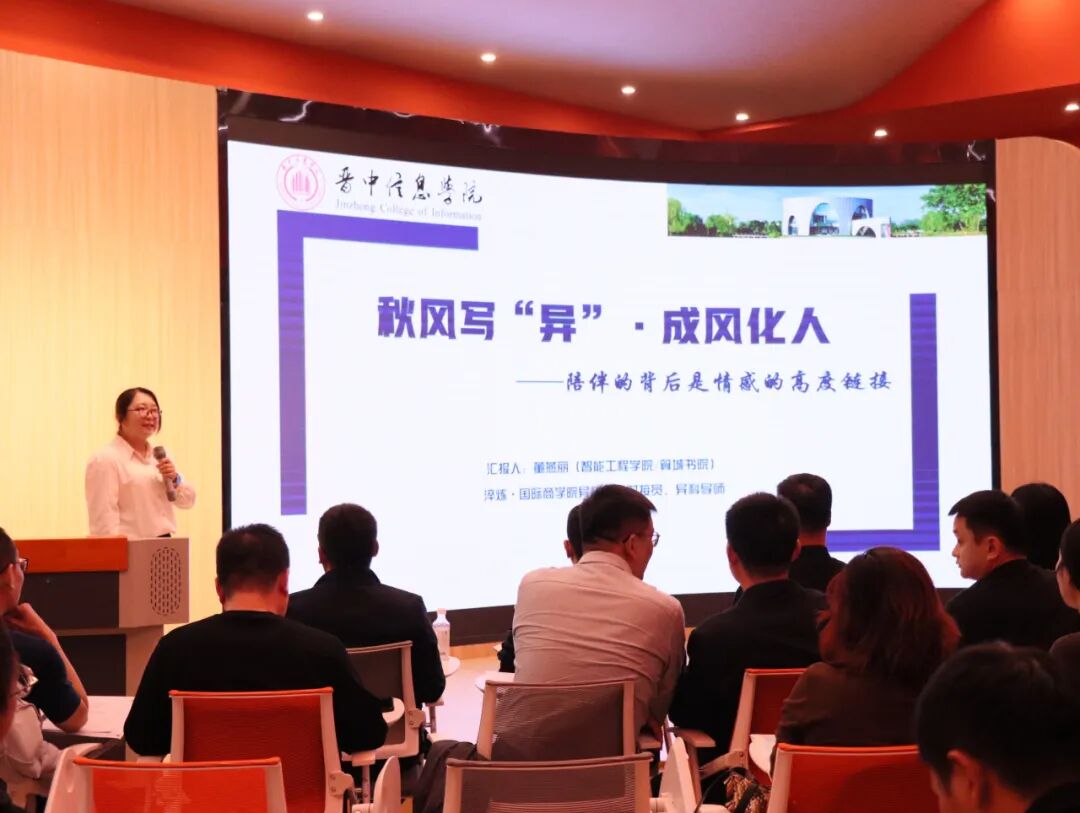
In traditional electrical engineering classes, I tend to focus on circuit analysis and the precise logic of professional knowledge. It wasn’t until I became a cross-disciplinary mentor in the business school, facing a group of lively business students, that I truly understood the profound meaning of Chairman Peng’s proposed “Four-in-One + Dual Academy + Special Modules” educational model. The integration of holistic education, general education, professional education, and business education emphasized in the book is no longer an abstract concept—when I discussed the commercialization model of smart grids with cross-disciplinary students, the technical rigor of engineering and the market sensitivity of business created a wonderful chemical reaction. One student exclaimed, “I never realized that the setting of relay protection parameters could actually affect the marginal returns of renewable energy investments!” At that moment, I witnessed the new educational ecology formed by the dissolution of disciplinary boundaries.
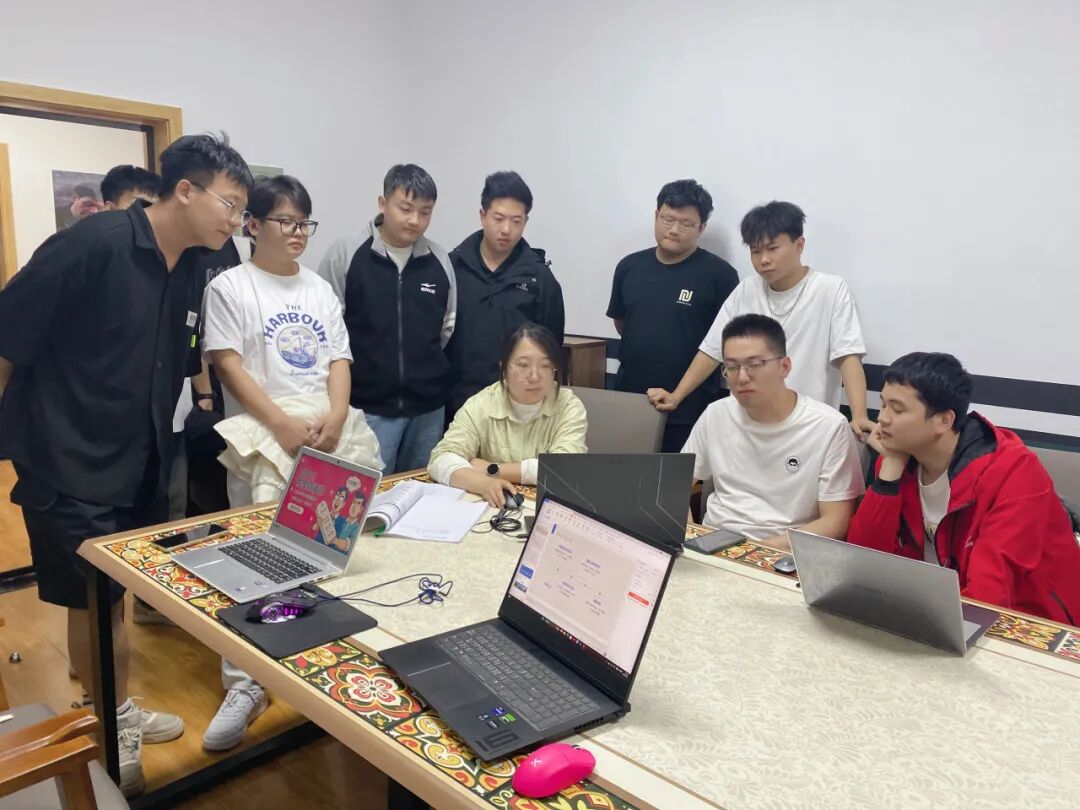
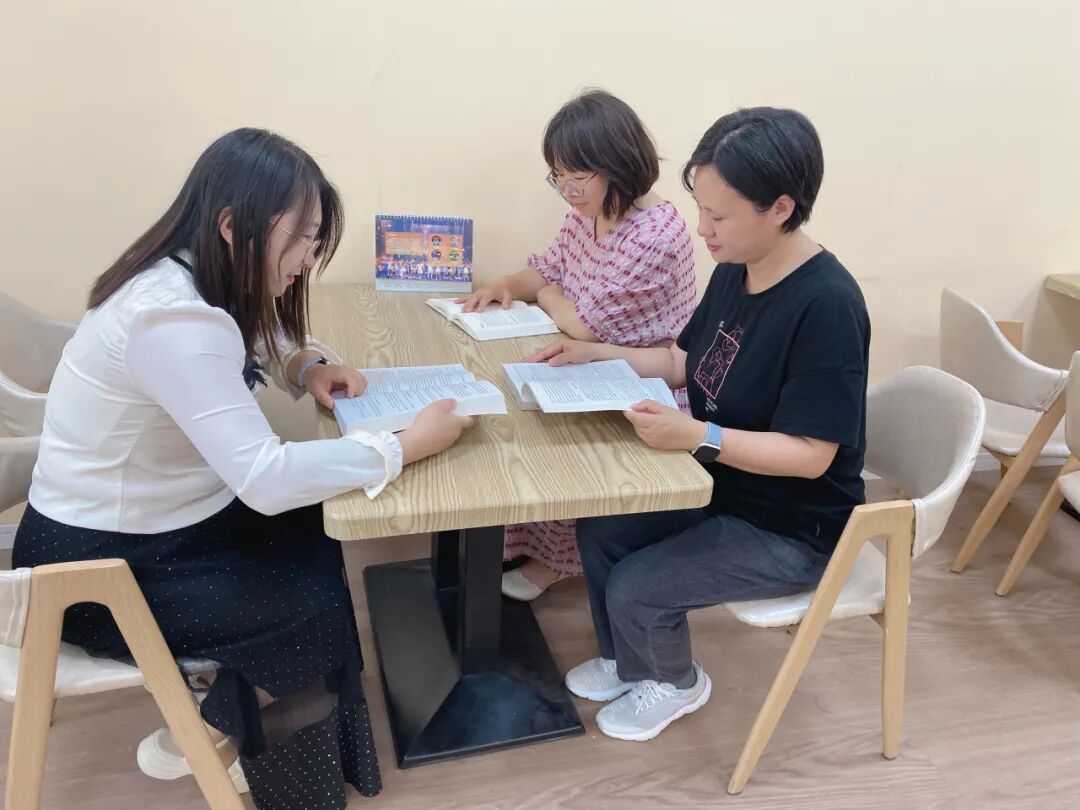
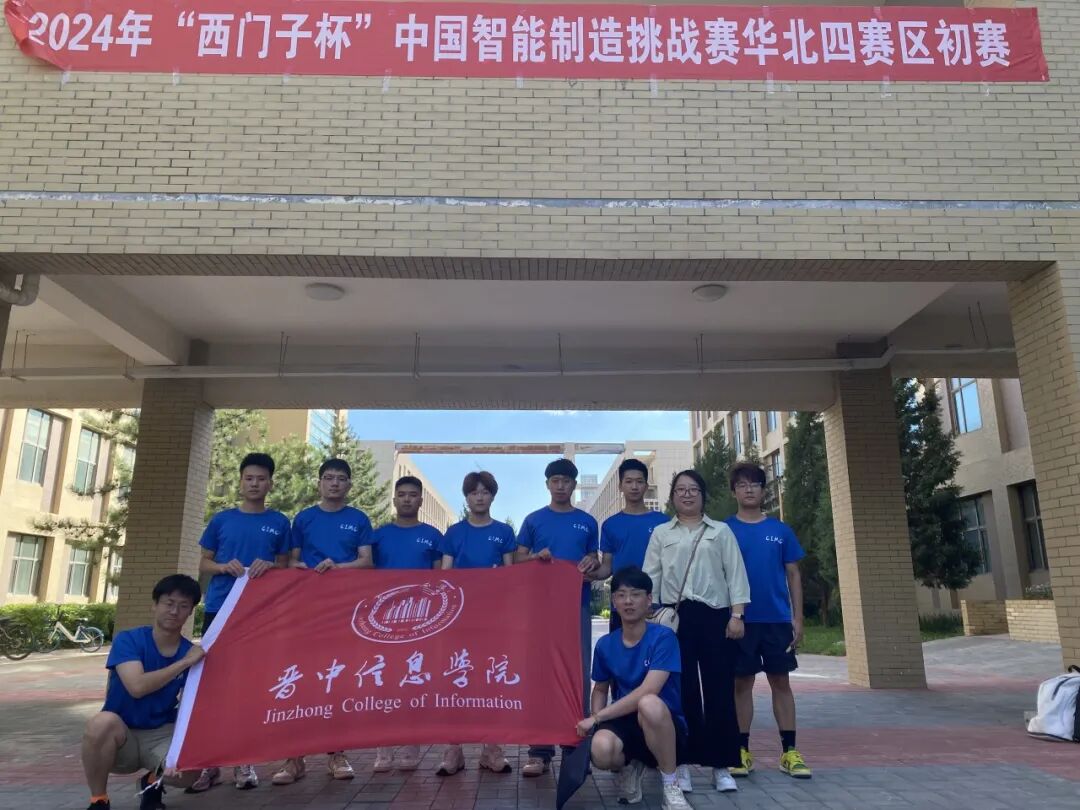
The teaching methods also found disruptive insights in the book. Chairman Peng sharply pointed out that an adult will forget most of the knowledge learned in undergraduate studies within five years, but the teaching attitude, work state, and language art will be remembered for a lifetime. This determination led me to practice the “storytelling thinking” he advocates. When explaining electrical safety regulations, I abandoned the dry clauses and instead narrated the scene of an accident at a substation. When students saw the photos of equipment melting due to grounding line operation errors, the understanding formed in silence far surpassed ten pages of PowerPoint slides. This teaching transformation confirms the saying in the book: “Only teachers who can tell stories can capture students’ hearts.”
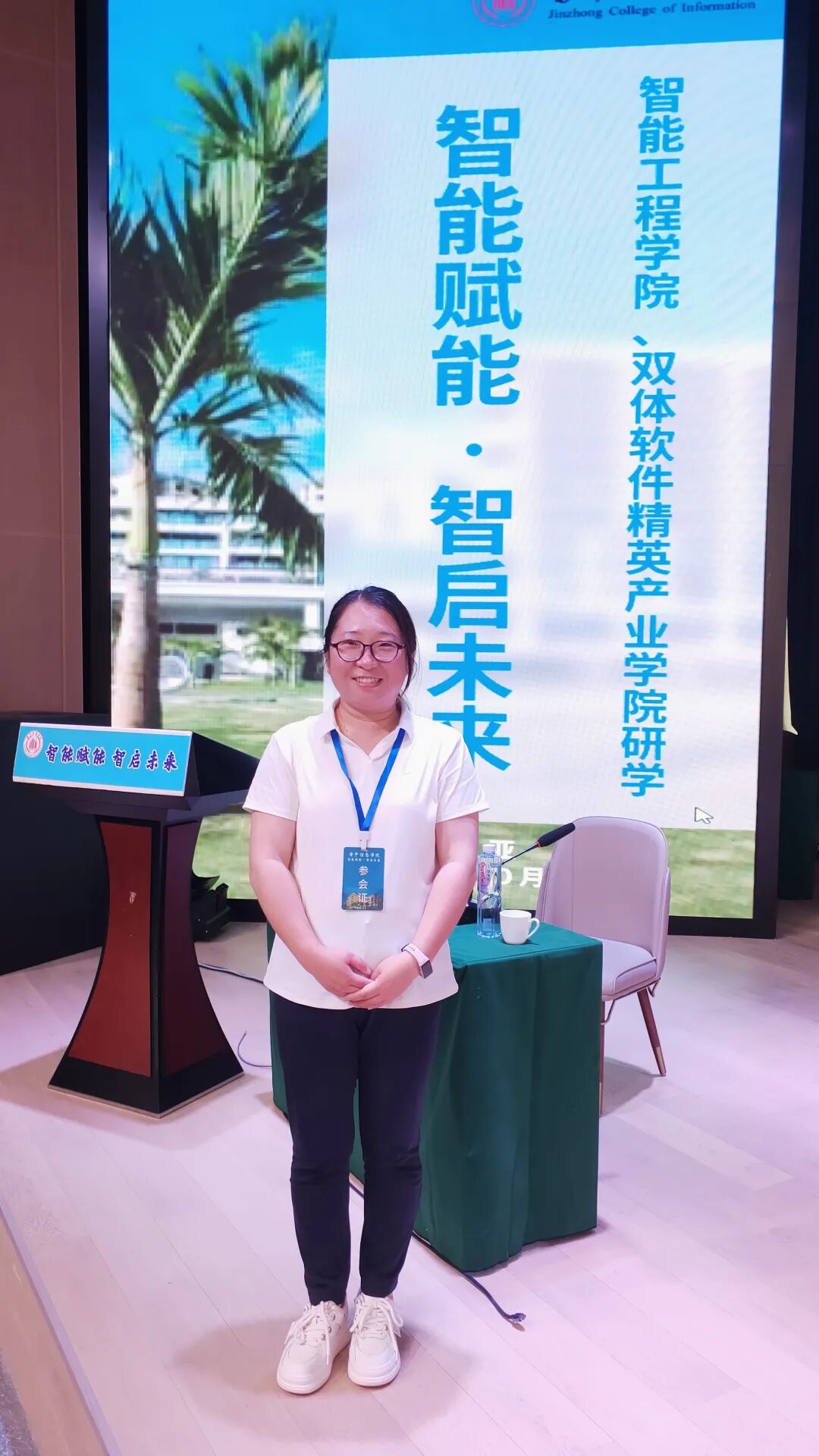
As a cross-disciplinary mentor, I led business school students into the electrical laboratory, showcasing our experimental equipment and explaining cutting-edge technologies in smart grids. A marketing student who once thought “technology is useless” suddenly realized: “I finally understand the technical support logic behind peak and valley electricity prices!” This integration of knowledge and action is the vivid presentation of the “disciplinary practice” advocated in the book—using professional methods to practice professional knowledge, perfectly illustrating the ideal of holistic education that ‘allows life to flourish’.
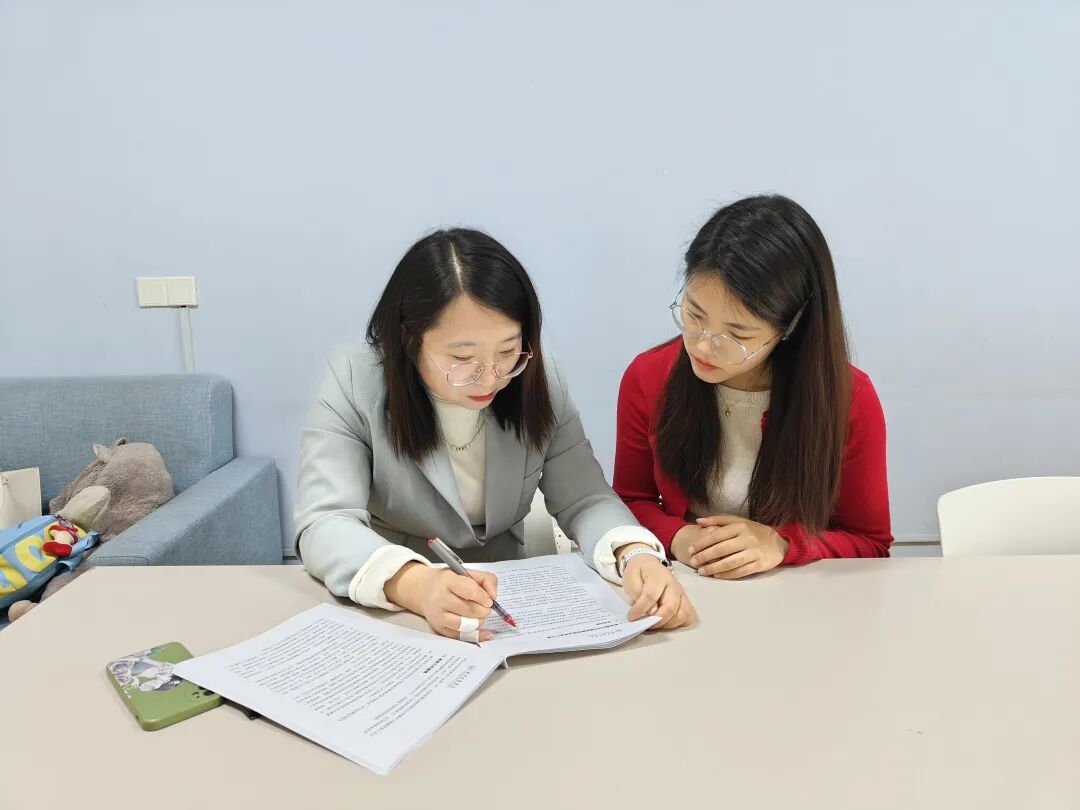
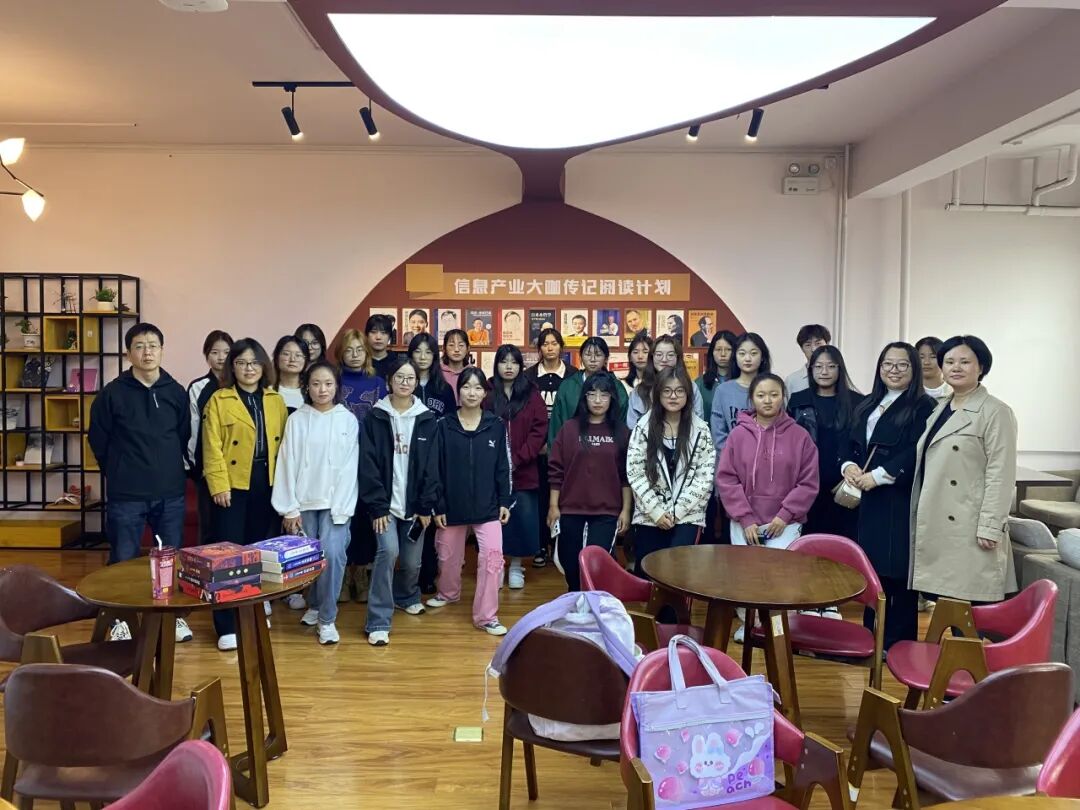
Reflecting on the book, the educational vision depicted by Dr. Peng Hongbin becomes increasingly clear: Good education should resemble a forest, allowing every life to grow freely within a symbiotic system. Between circuit boards and the soul, I am willing to continue being the person who connects the wires, using practice as a torch to illuminate the cross-disciplinary journey of cultivating applied talents.

Past Highlights
Past is wonderful
Notes on ‘Dreams and Practice’ | Han Mingzhe: A Two-Way Journey from Foreign Classrooms to Educational Practice
Notes on ‘Dreams and Practice’ | Zhang Ying: Witnessing Change, Building Educational Dreams Together

Notes on ‘Dreams and Practice’ | Food Health Research Office of the College of Big Health: Education Illuminates the Light of the Soul
To the utmost original intention, illuminating the college
Contributed by | School of Intelligent Engineering
Edited by | Chang Qing, Dou Xinlei, He Linhui
Produced by | Brand Marketing and News Center
Final Review | Li Wei