A significant announcement has emerged in the field of intelligent driving. According to 36kr, Momenta’s self-developed driver assistance chip has recently been successfully powered on and has entered the vehicle testing phase, marking a crucial step in Momenta’s journey of independent research and development in intelligent driving chips.

As a leader in the global autonomous driving sector, Momenta has been committed to promoting the development and popularization of intelligent driving technology. The successful powering on of this self-developed driver assistance chip is a strong testament to its technical capabilities. The performance of this chip is primarily benchmarked against mainstream driver assistance chips such as NVIDIA’s Orin-X and Qualcomm 8650. The NVIDIA Orin-X utilizes a 7nm process technology, integrating 17 billion transistors, with a computing power of up to 254 TOPS, based on the NVIDIA Ampere architecture GPU, providing robust support for deep learning, image processing, and parallel computing. It has been adopted by many high-end smart vehicles, such as NIO, which is equipped with four NVIDIA Orin-X chips across its entire lineup, facilitating advanced intelligent driving assistance features like NOP+. The Qualcomm 8650 is designed specifically for intelligent driving scenarios, featuring an 8-core Kryo 670 Gold CPU (based on ARM Cortex-A78) with a maximum frequency of 2.5GHz, and an Adreno 663 GPU, offering two versions with computing powers of 50 TOPS and 100 TOPS. When combined with AI accelerators, the maximum computing power can reach 2000 TOPS, and it is equipped with multiple high-speed interfaces, providing significant advantages in connectivity, having established partnerships with many internationally renowned automotive companies.
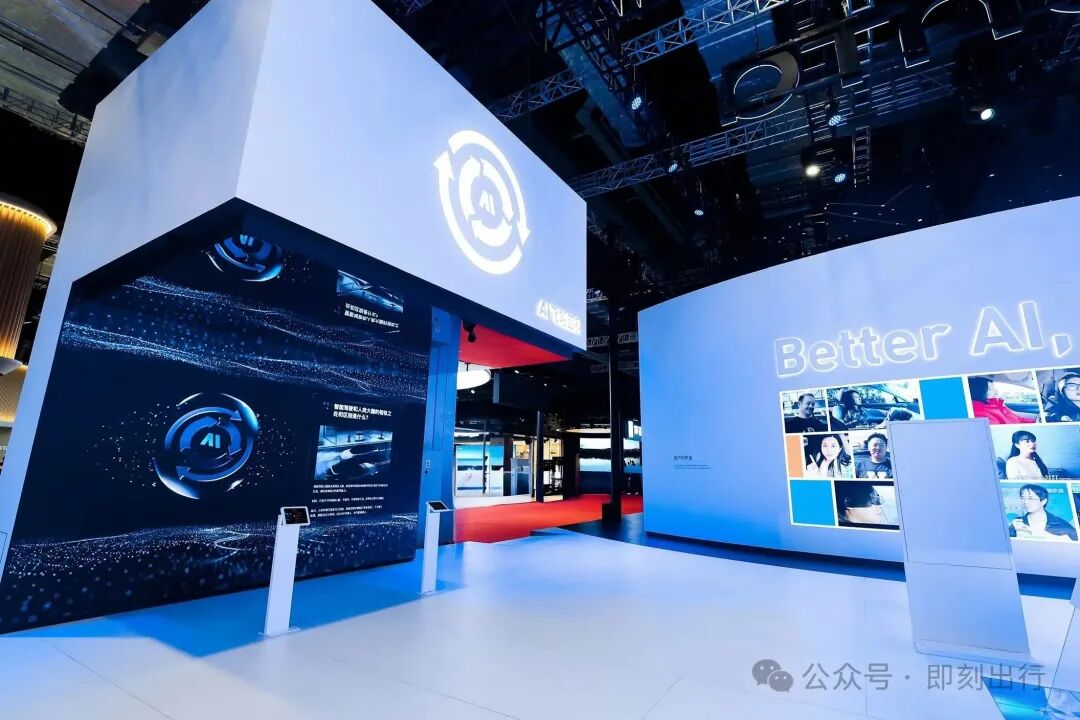
Momenta’s self-developed chip dares to benchmark against these two mainstream chips, and its performance is naturally highly anticipated. Although detailed parameters of the chip have not yet been fully disclosed, based on Momenta’s previous technological accumulation and R&D strength, it is expected to achieve a good balance in computing power, power consumption, and cost. In terms of computing power, it may reach or even exceed the levels of the benchmark chips to meet the increasingly complex computational demands of intelligent driving algorithms, whether processing large amounts of sensor data or running complex neural network models. In terms of power consumption, through advanced process technology and optimized circuit design, it may achieve lower power consumption, which is beneficial for electric vehicles by extending range and reducing energy consumption; for fuel vehicles, it can also lower heat dissipation costs and reduce pressure on the vehicle’s electrical system. Regarding cost control, if Momenta’s self-developed chip can leverage local R&D and supply chain advantages, it may provide a more cost-effective solution, promoting the widespread adoption of intelligent driving technology across a broader range of vehicle models, benefiting more consumers.
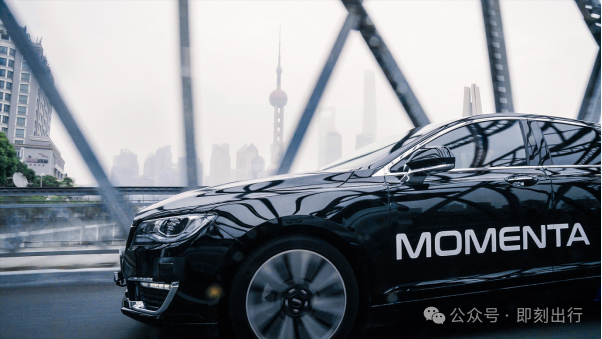
As the trend of automotive intelligence accelerates, driver assistance chips, as the “brain” of smart vehicles, are of paramount importance. The vehicle testing of Momenta’s self-developed driver assistance chip not only holds significant strategic importance for Momenta’s own development but will also impact the overall landscape of the intelligent driving chip market. On one hand, for Momenta, having a self-developed chip enables full-stack autonomy from algorithms to chips, further enhancing its core competitiveness in the intelligent driving field, accelerating its commercialization process, and expanding more business cooperation opportunities. On the other hand, from a market competition perspective, the entry of Momenta’s self-developed chip will intensify competition in the intelligent driving chip market, prompting other chip manufacturers to accelerate technological innovation and product iteration, driving technological progress and cost reduction across the industry, injecting new vitality into the rapid development of intelligent driving technology.
In the future, we look forward to Momenta’s self-developed driver assistance chip achieving good performance in subsequent tests, successfully entering mass production and vehicle installation, bringing new changes to the intelligent driving industry, and making people’s travel more intelligent, safe, and convenient.