
Click the blue text to follow us
On the vast grasslands of Inner Mongolia, towering wind turbines stand at heights of over 100 meters, their massive blades carving graceful arcs in the wind; on the expansive Gobi Desert in Ningxia, rows of photovoltaic panels shine brilliantly under the sun, converting endless solar energy into clean electricity. Behind these stunning new energy scenes lies a core component—new energy prime movers. As the first link in energy conversion, prime movers directly determine the efficiency, reliability, and economy of the entire new energy system, making them the “heart” of the renewable energy framework.
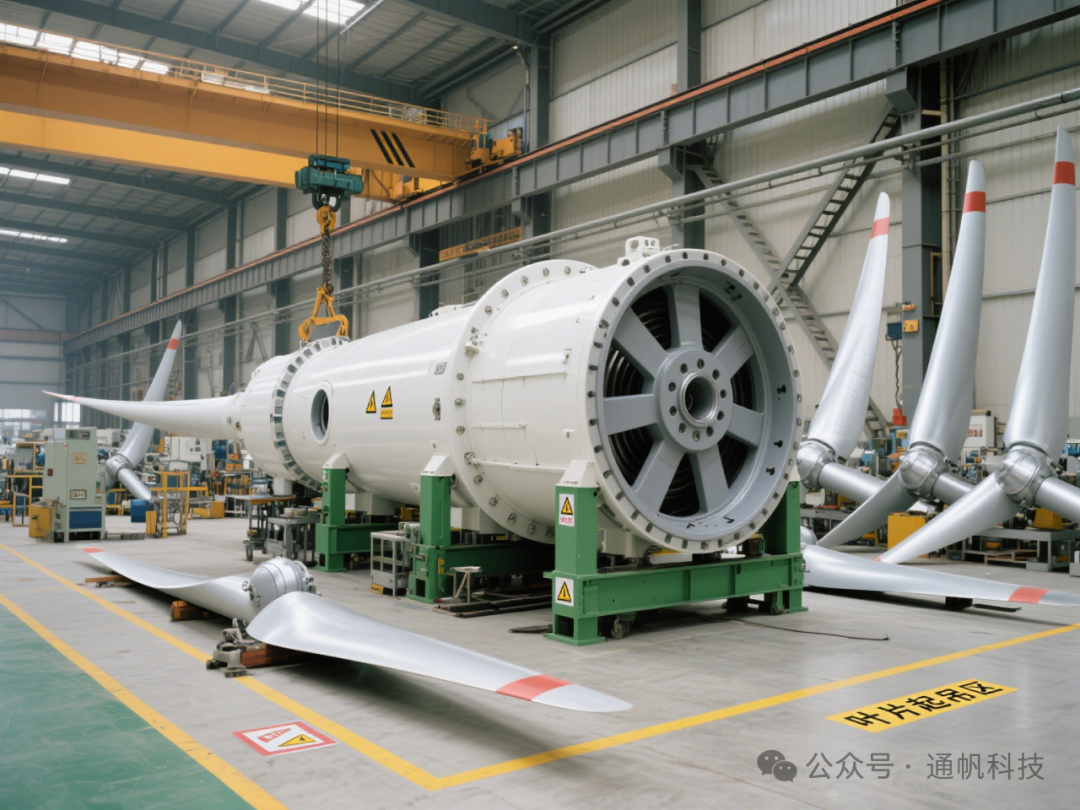
New energy prime movers primarily refer to the initial devices that convert renewable energy such as wind and solar into electrical or mechanical energy, including wind turbines, photovoltaic modules, and biomass energy conversion devices. Compared to traditional energy equipment, they feature low carbon emissions, are technology-intensive, and have a high degree of intelligence. Driven by global carbon neutrality goals, the global market size for new energy prime movers has surpassed $300 billion in 2023, with China accounting for approximately 35% of this share, making it the largest manufacturer and exporter of new energy equipment in the world.
The rise of China’s new energy prime mover manufacturing industry can be seen as a history of technological innovation and industrial upgrading. From early reliance on imports to gradually achieving domestic substitution, and from following technology to leading in multiple fields globally, Chinese companies have made a remarkable transformation under the dual influence of policy support and market drive. For instance, in wind power, in 2005, China needed to import foreign technology for 1.5MW wind turbines, but today, companies like Goldwind and Envision Energy have independently developed 6MW and above large-capacity units that are being exported in bulk to Europe and the United States; in the photovoltaic sector, companies like LONGi and Jinko have repeatedly broken world records for module conversion efficiency, driving down power generation costs by over 80% in the past decade.
Currently, the new energy prime mover manufacturing industry is facing historic development opportunities. The “14th Five-Year Plan” clearly states the goal of achieving an over 80% localization rate for new energy technology equipment, providing a clear direction for industry development. At the same time, as application scenarios break through the boundaries of traditional power systems—from large wind and solar bases to distributed energy stations, from electric vehicles to hydrogen-powered heavy trucks—emerging fields are becoming growth poles for the industry. In this hopeful yet challenging race, how can Chinese manufacturing continue to break through and innovate?

The new energy prime mover manufacturing industry is undergoing a profound technological transformation, with waves of innovation sweeping through every aspect from design concepts to manufacturing processes. Leading companies in the industry invest 5%-8% of their annual revenue in R&D, continuously enhancing product performance and reducing costs. This technological revolution exhibits three distinct characteristics: large-scale production, intelligent systems, and diversified materials, reshaping the competitive landscape and value distribution model of the industry.
Large-scale and lightweight designs have become the mainstream direction for wind power equipment development. The capacity of modern wind turbines is advancing from the 6MW level to over 15MW, with the latest 20MW offshore wind turbine having a rotor diameter of 280 meters, equivalent to the length of three football fields. This large-scale production brings significant economies of scale—every 1MW increase in capacity can reduce the cost per kilowatt-hour by approximately 5%.
In the photovoltaic equipment sector, high efficiency and low-cost technology routes are developing in parallel. Crystalline silicon batteries remain the market mainstream, but technological iterations are accelerating: the average efficiency of mass-produced PERC batteries has increased from 21.5% in 2018 to 23.2% today, while N-type TOPCon batteries have surpassed 24.5% in mass production efficiency, and HJT batteries have achieved a maximum laboratory efficiency of 26.81%. Even more exciting is the breakthrough in perovskite technology, which has a theoretical efficiency limit of 33%, far exceeding the 29.4% of crystalline silicon batteries.
Material innovation provides a continuous source of improvement for equipment performance. In the wind power sector, the application of new materials such as carbon fiber-glass fiber hybrid reinforced composites and high-performance epoxy resin systems has extended the fatigue life of blades to over 25 years. In the photovoltaic field, ultra-thin silicon wafer cutting technology has reduced thickness from 180μm to below 150μm, lowering silicon consumption by over 15%; key auxiliary materials like silver paste and aluminum paste have achieved domestic substitution, reducing costs by 30%.
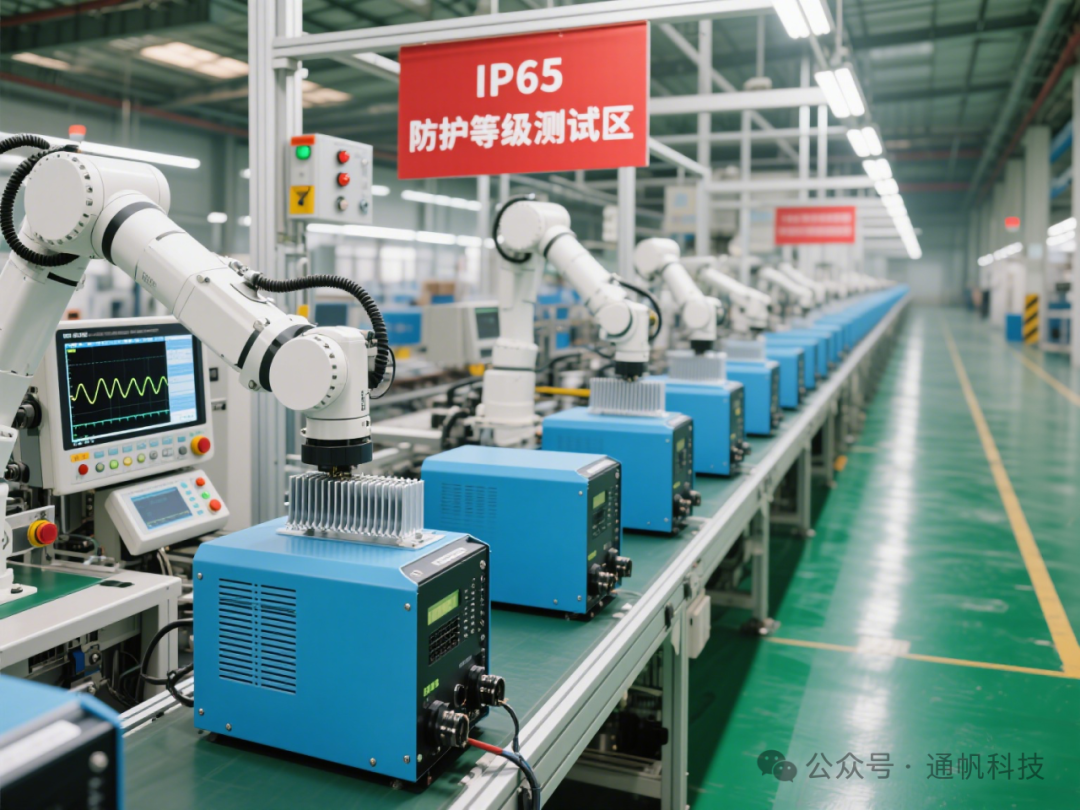
Despite the broad prospects for the new energy prime mover manufacturing industry, it still faces multiple challenges, from core technology bottlenecks to market access barriers, from increasing environmental standards to intensified international competition. Recognizing these challenges and adopting effective response strategies is essential for Chinese companies to achieve sustainable development. Only by transforming challenges into opportunities can they maintain a competitive edge in the fierce global competition.
Looking ahead to the historical juncture of 2025, the new energy prime mover manufacturing industry will welcome even broader development space, while also facing a more complex competitive environment. Technological integration, expansion of application scenarios, innovation in business models, and global collaboration will become the key forces driving high-quality development in the industry. In this era of transformation, only those companies that grasp trends and actively seek change will be able to remain invincible.