Weighing sensors and instruments come with protection ratings, typically the weighing sensors have IP68, IP69, and IP69K ratings, while the housings of weighing instruments also have protection ratings, such as IP55 and IP66. What does this mean? Can IP68 protection prevent water leakage?First, let’s look at the protection rating IPXX, what do the first and second digits represent? Refer to the definition of protection ratings in GB/T 4208-2017 for enclosure protection ratings.
Degree of protection:
Determined by the testing methods specified in the standards, it indicates the level of protection provided by the enclosure against access to hazardous parts by persons, and against the ingress of solid foreign objects or water.
IP Code:
A code system that indicates the level of protection provided by the enclosure against access to hazardous parts by persons, and against the ingress of solid foreign objects or water, along with additional information related to these protections.
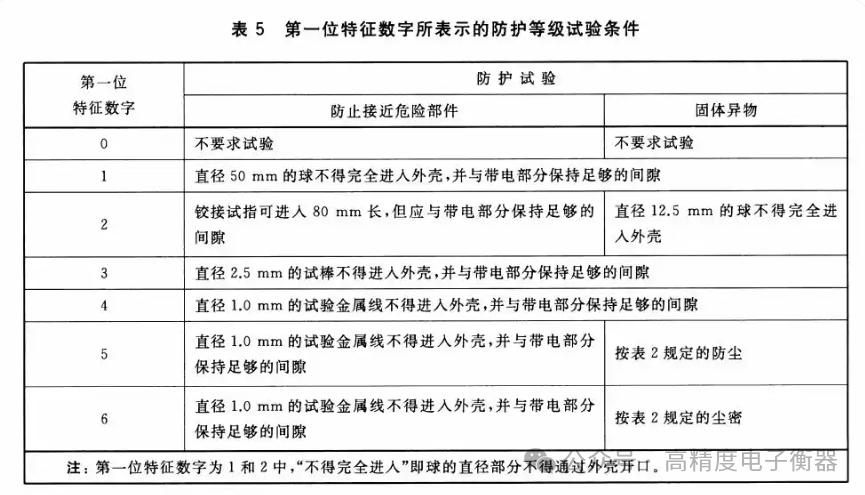
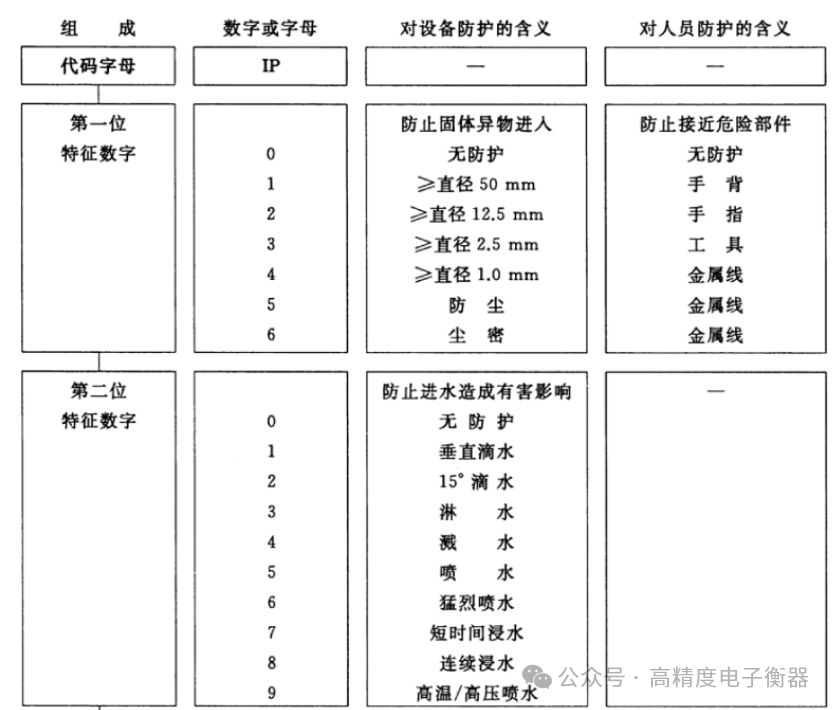 Dust test conditions:
 Water test conditions: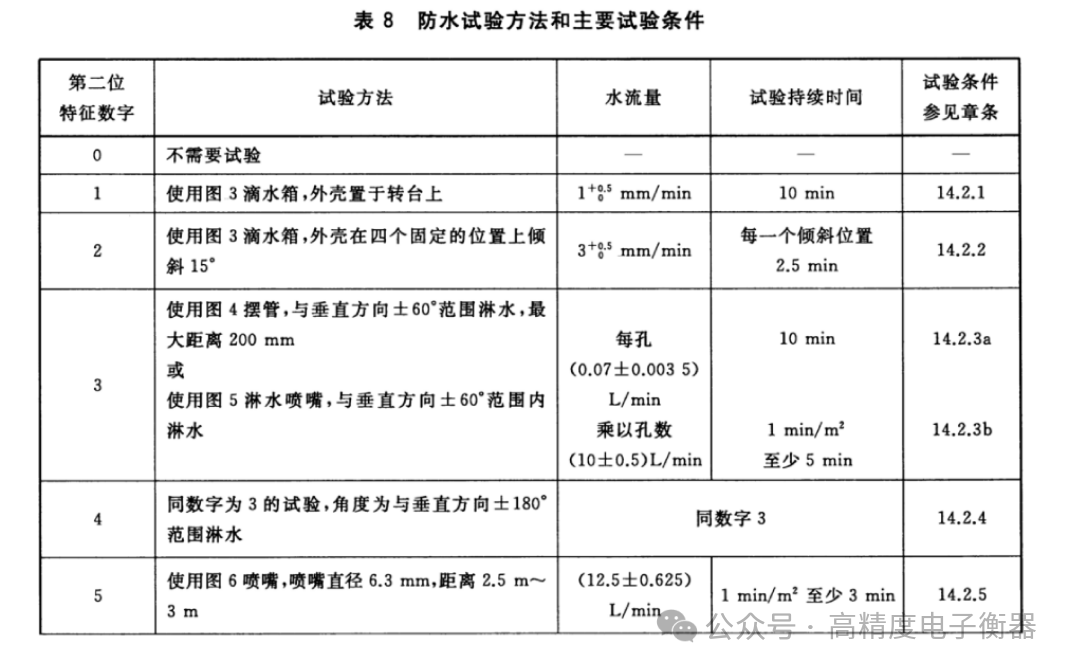
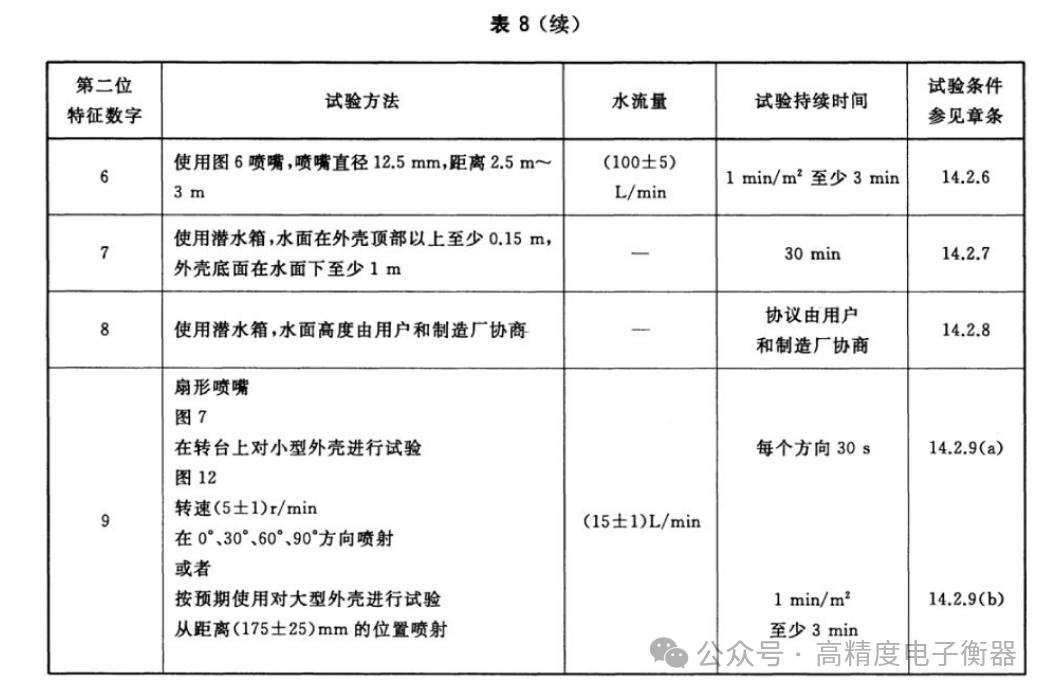 Note that for waterproofing at level 8, the water surface height is negotiated between the user and the manufacturer.IP69, where 6 represents the dust protection level and 9 represents the water protection level, is tested under conditions of dust tightness and high-temperature/high-pressure water spray to meet protection requirements.So what does IP69K mean? In addition to having all the waterproof capabilities of IP69, IP69K also requires the device to withstand high-pressure and high-temperature steam cleaning while maintaining normal operation.In industrial settings, some IP66 instruments still experience water ingress; the waterproof level 6 is tested under conditions of intense water spray, which seems to be a high rating. However, heavy rain can still lead to water ingress. Why is that? Clearly, this is because the duration of the rain is long enough, while the conditions for waterproof rating testing involve only a few minutes of spraying. As long as the water exposure time is long enough, even IPX6 waterproof devices can experience water ingress.Protection level tests typically only need to meet requirements within a short testing time. For example, waterproof level 9 is tested by spraying high-temperature high-pressure water from four angles at a certain distance, with each angle tested for 30 seconds without water ingress to meet the requirements. If water is sprayed for a long time, water ingress may still occur.You might think that devices rated IP68 can be submerged in water for a certain period while maintaining normal operation. In reality, some tests only require the enclosure to be tested, without the circuit board installed or powered on, meaning the test is to ensure that the enclosure does not allow water ingress after being submerged for a period. The specific duration of submersion can vary significantly. Generally speaking, IP68 waterproofing is tested in static water at depths of 1.5m to 10m for over 30 minutes, with the specific depth chosen based on user requirements.However, IP68 does not equal permanent waterproofing; performance in deep water, seawater, high-temperature water, and non-static water is another matter, andthe sealing rings and sealants can also age. Clearly, IP68 is not universally leak-proof; it also depends on specific working conditions.So does an IP69 device necessarily meet the requirements of IP67 and IP68? In fact,this is inconsistent with our usual understanding.IP69 is specifically for protection against high-temperature/high-pressure water cleaning, and is clearly not the same environment as IP67/IP68, which involves complete immersion in water.