7. Silicon Controlled RectifierSilicon controlled rectifiers are an essential component of circuit boards, which is why enthusiasts love to use them. They are also referred to as thyristors because they are very similar to diodes and transistors. They consist of four layers of silicon and have only three terminals; they are not used as amplifiers but solely as switches.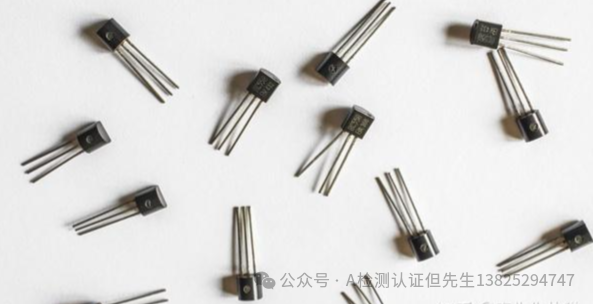 One of the main points to remember is that we only need a pulse to activate the switch, whereas we must continuously supply current to a transistor to amplify. Therefore, they are more suitable for high-power switching applications.8. TransistorsMost electronics experts credit transistors as the fundamental building blocks of electronics; they are crucial components of circuit boards, with billions of transistors found within a single IC. However, we should not view them as complex tools. Instead, they are ordinary electrical switches and simple amplifiers. Transistors come in various shapes and sizes, but the most common type is the bipolar transistor. Other categories include PNP and NPN variants.
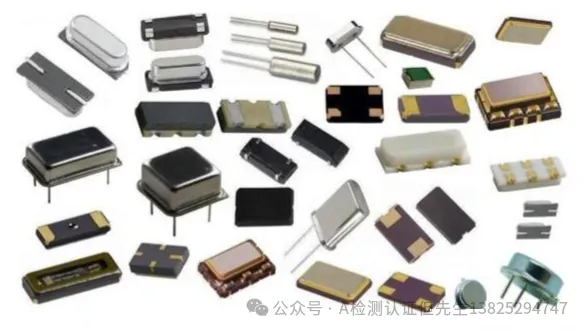
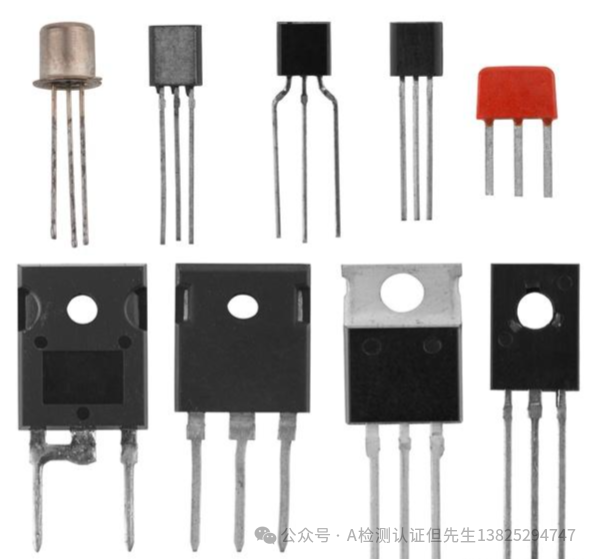 Bipolar transistors have three terminals: a collector, an emitter, and the most important one, the base. When a small current flows through an NPN transistor, it flows from the base to the emitter, which triggers another setup, causing the current to become larger. This larger current then flows from the emitter to the collector. Conversely, the behavior of a PNP transistor is entirely opposite to that of an NPN transistor. There is also another popular type of transistor known as FET or Field Effect Transistor, which allows current to flow through it using an existing electric field to activate another circuit setup.9. Crystal OscillatorsCrystal oscillators are the most important components on circuit boards in complex devices, primarily used in clocks because they enable us to create critical circuits that allow us to maintain stable and accurate time. They consist of a piezoelectric material that generates a periodic electronic signal, which is essentially a crystal material that produces a signal during its oscillation process. Therefore, we can use them to manufacture low-cost and precise timepieces, such as quartz watches and microcontrollers.
 10. Integrated CircuitsThey are key components of circuit boards. When we shrink certain circuits and electronic components and embed them into a semiconductor film, they are referred to as integrated circuits. They allow us to embed many electronic components within a single chip, and this incredible capacity enabled the creation of the first calculators. Now they allow us to manufacture advanced smart devices and revolutionary supercomputers. Integrated circuits act as the central processing unit, or essentially the brain of larger circuits. There are different types of integrated circuits, but most are housed in black plastic casings.
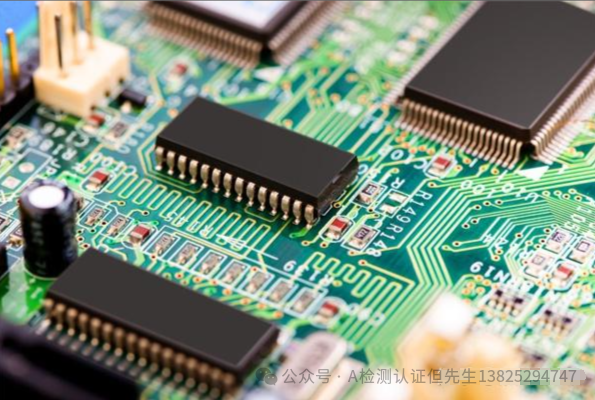 11. Switches and RelaysThey are the most basic components on circuit boards. Switches allow us to control the current in any given circuit; they enable us to toggle between closed and open circuits. They come in various shapes and sizes, with some of the most common types including sliders, levers, keys, buttons, and rotary switches. Electrically operated switches are called relays. Relays operate through a solenoid, which acts as a temporary magnet when current flows through it. They serve as switches that can improve the handling of larger currents.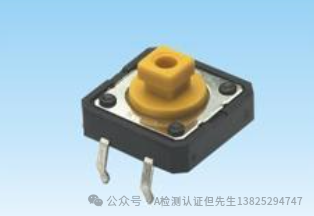
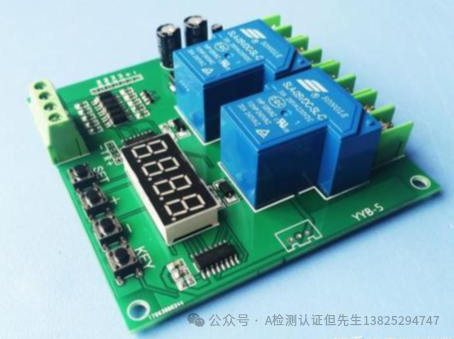 12. SensorsSensors are circuit board components that can detect changes in their environment, and once such changes are detected, they tend to generate a signal to reflect this change. These electronic signals are sent to different components of the circuit board. Sensors essentially convert physical energy into electrical energy, which is why they are often referred to as transducers (because they can convert one form of energy into another).
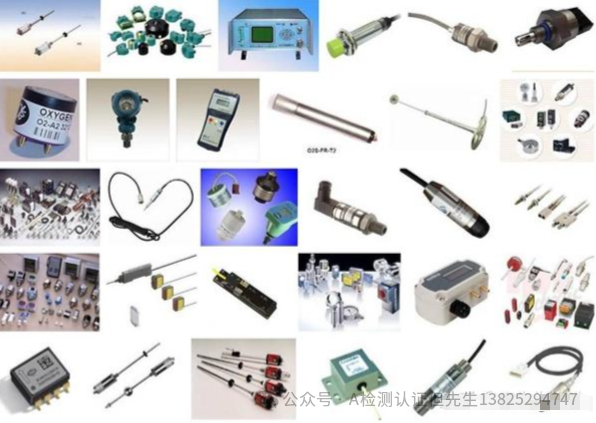 Sensors come in different types, each with various applications. Some of the more popular sensors include temperature sensors, humidity sensors, pressure sensors, light sensors, and motion sensors. We frequently use them in our daily lives. For example, we use LEDs to detect infrared signals in TV remote controls, and fire and smoke detectors utilize fire and humidity sensors. Therefore, we can also use sensors as components of circuit boards to optimize various industrial processes.