Biosensor having improved hematocrit and oxygen biases_2002.10.23_Abbott Diabetes Care, Inc._US20060201805A1
1. Background
1. Biosensors used to determine the concentration of analytes in blood samples are affected to some extent by HCT, with the biosensor response decreasing as the sample’s HCT increases. The reasons for the signal decrease are not singular, but some of the reasons include reduced diffusion of analytes in the sample and increased solution resistance. One proposed method to eliminate sensitivity to hematocrit is to filter red blood cells from the sample. The membrane technology for filtering red blood cells increases assay time and measurement inaccuracies. Oxygen sensitivity presents challenges, as biosensors using glucose dehydrogenase are expected to be insensitive to oxygen. However, the redox reactions of the medium (or coenzyme) may involve free radical intermediates. When these intermediates have a longer lifespan, molecular oxygen can quench them, making the chemistry sensitive to oxygen tension (although glucose dehydrogenase is not sensitive to oxygen, the coenzyme is affected by oxygen).
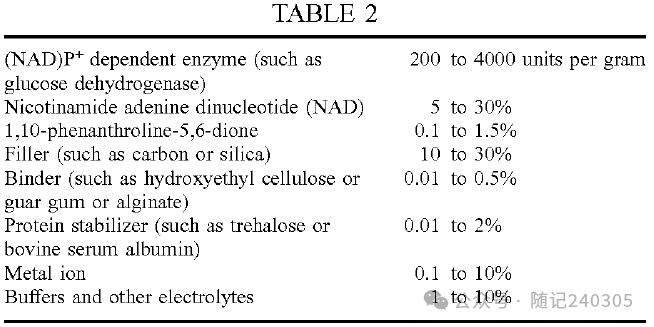
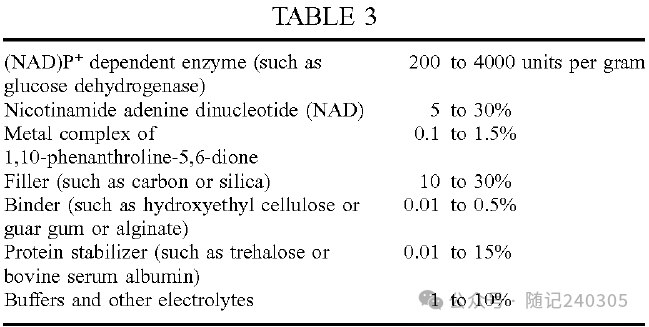
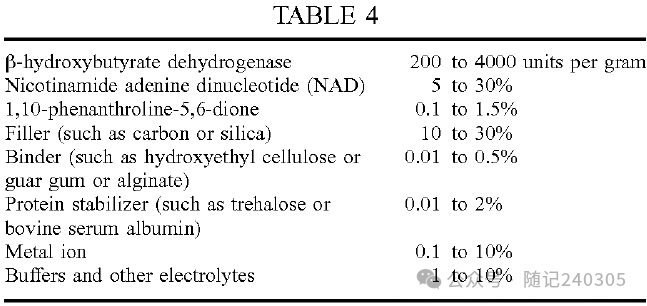
2. Composition of the Reagent
1. 1,10-phenanthroline-5,6-dione
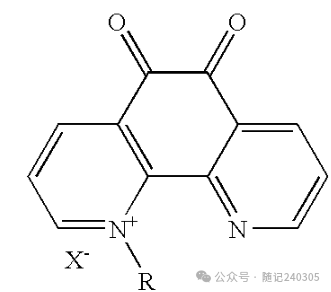 2. Transition metal ionsNi, Mn, Fe, Co, Os, Ru3. Counter anionsChloride, Nitrate, Sulfate, Phosphate