XueqiuDu Si Kao Completed
Generated on 2025.11.17 22:10
Analysis of the Impact of the EU Antitrust Investigation on Ninebot’s Robotic Lawn Mower Business
1. Business Status and Market Position
Currently, Ninebot’s robotic lawn mower business accounts for approximately 9% of total revenue (with an estimated revenue of 2 billion yuan in 2025), but it is experiencing significant growth, with a year-on-year increase of 284% in 2024, ranking first in sales in the European market. This business utilizes RTK + visual fusion positioning technology (EFLS system), achieving centimeter-level accuracy without the need for pre-buried boundary lines, showcasing clear technical advantages. The product range covers the high-end X3 series priced at 2499 euros down to the entry-level model priced at 999 euros, and a sales network has been established in over 30 countries in Europe and America.
2. Direct Impact of the Antitrust Investigation
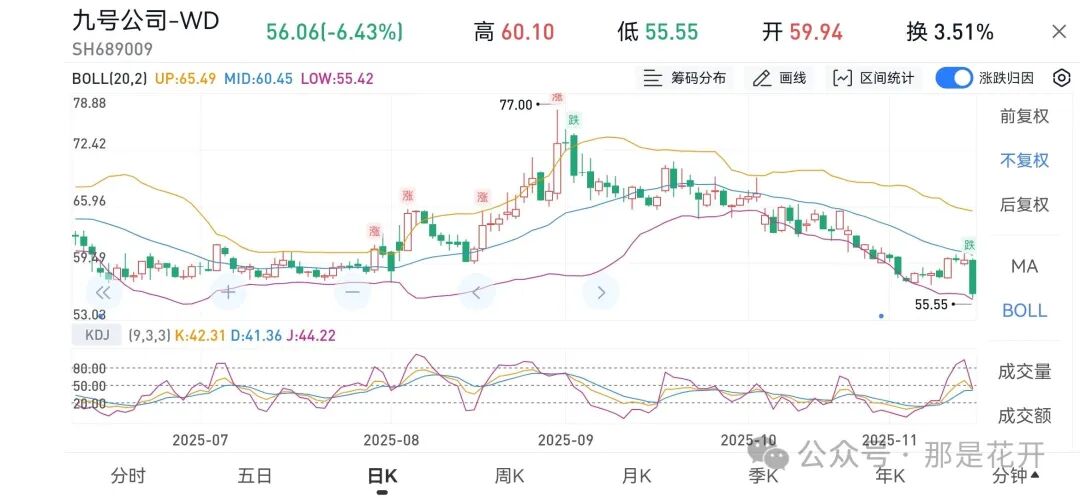
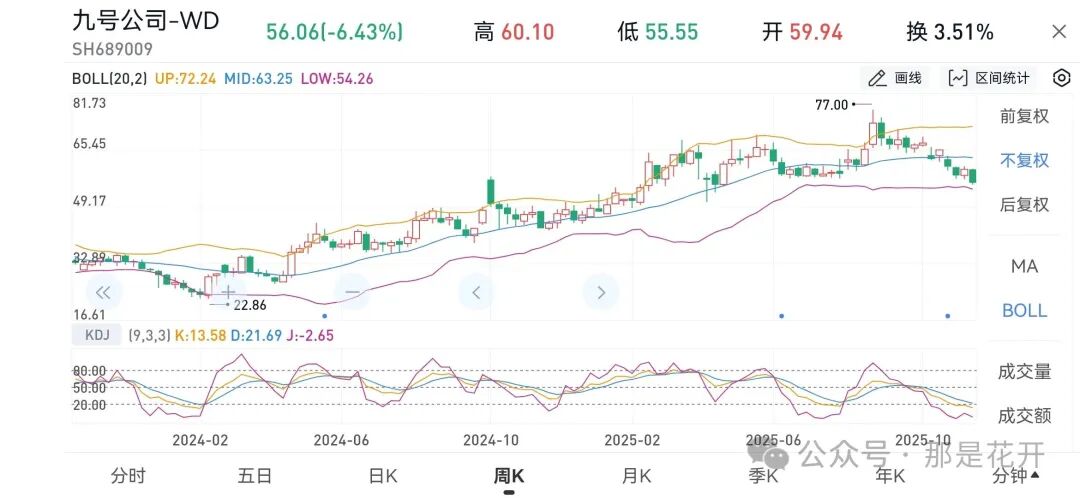
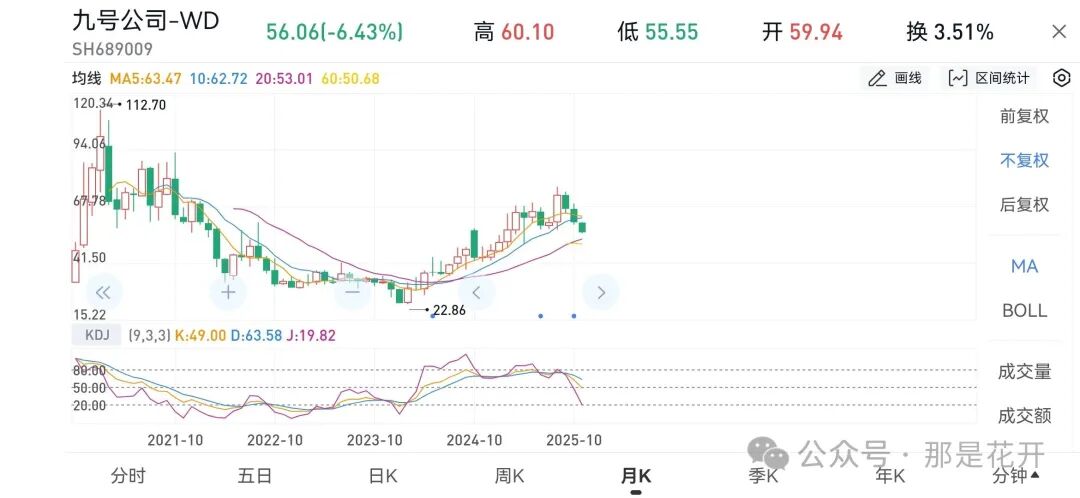
Short-term stock price pressure: On the day the news was announced (2025-11-17), the stock price fell by 6.43%, reflecting market concerns about policy risks.
Limited revenue share: Currently, the robotic lawn mower business accounts for less than 10% of total revenue, and the company’s electric two-wheeler business (which accounts for 67%) is growing strongly, providing a certain buffer.
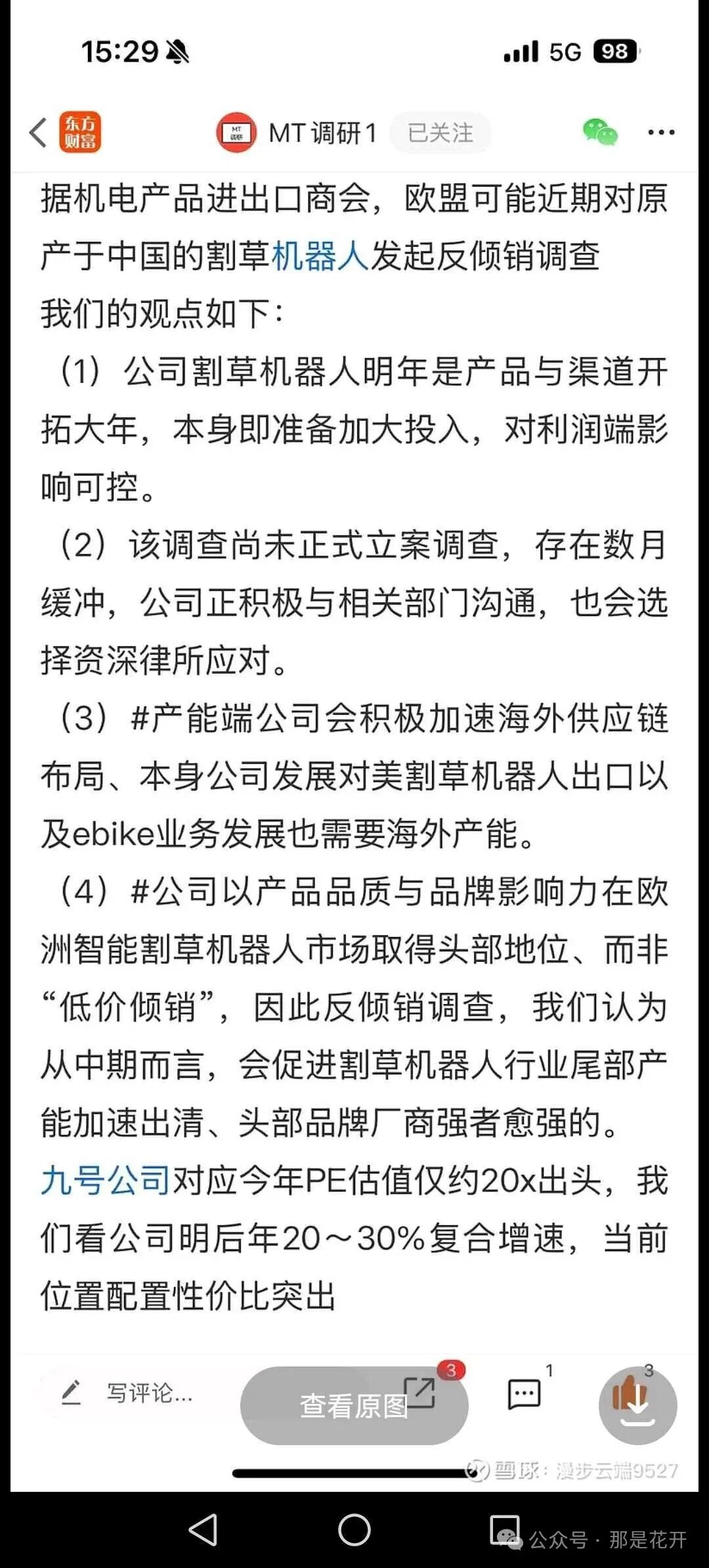
Changes in competitive landscape: The investigation may eliminate low-cost competitors, which would be beneficial for leading companies in the long term. @JW1096983 pointed out that Ninebot’s product gross margin reaches 50%, and anti-dumping duties will force low-end manufacturers to raise prices, thereby strengthening Ninebot’s competitive advantage.
3. Company’s Response Capability
Technical barriers: The reuse rate of the EFLS system is 78%, making its algorithmic advantages difficult to imitate, and the products have passed certifications such as CE and FCC, establishing a solid compliance foundation.
Production capacity flexibility: The supply chain can be adjusted through bases in Vietnam and Mexico, or the company may consider establishing local factories in Europe to avoid tariffs (which would require a 6-12 month cycle).
Pricing strategy: The company clarified at the beginning of the year that it does not pursue low prices and aims to maintain reasonable profits, positioning its products in the mid-to-high-end market, which is less affected by anti-dumping impacts.
4. Risks and Uncertainties
Policy enforcement intensity: If the EU ultimately imposes high tariffs (e.g., >20%), it may hinder the achievement of the 4 billion sales target for 2026.
Market sentiment fluctuations: Investors are concerned about whether the company can clarify the situation in a timely manner (as of the evening of 2025-11-17, no announcement had been made), which may exacerbate short-term stock price volatility.
In summary, the impact of this investigation on Ninebot is characterized by a short-term emotional shock that is greater than substantive business damage. @Heikeji Liershou believes that “the policy impact is not significant” because the stock price had not been significantly overvalued due to the robotic lawn mower business, and in the long run, technological leadership and global layout remain the core moat.
References
$Ninebot Company-WD(SH689009)$ Today, the market reported that the EU will conduct an antitrust investigation on Chinese robotic lawn mowers. Ninebot’s robotic lawn mowers currently rank first in sales in the European market, and the market believes this poses a negative impact on Ninebot, leading to a significant drop in stock price. The company estimates that this year’s sales of robotic lawn mowers will reach 2 billion yuan, accounting for over 9% of total sales, with a sales target of 4 billion yuan next year, representing a 100% growth and accounting for about 15% of total sales.
Xueqiu
$Ninebot Company-WD(SH689009)$ Anti-dumping measures may not necessarily be a negative for Ninebot, firstly because Ninebot’s products are high-end with a gross margin of 50%, and there is no anti-dumping issue, and secondly, it will significantly increase the tax rates on products other than Ninebot’s (these latecomer products are sold at low prices or even at a loss to capture market share), making these products relatively less competitive against Ninebot.
The company was established in 2012, starting with a single product of balance scooters, and has gone through key milestones such as the “snake swallowing elephant” acquisition of Segway, collaboration with Xiaomi’s ecological chain, and the transformation of “de-Xiaomi” to develop into a technology giant covering a diversified product matrix including electric two-wheelers, electric scooters, all-terrain vehicles, and service robots.
As of November 2025, Ninebot has established a business network in over 100 countries and regions worldwide, with more than 22 million global users. In the first half of 2025, revenue exceeded 11.7 billion yuan, a year-on-year increase of 76%, with overseas revenue of 4.42 billion yuan, accounting for 38% of total revenue. The company’s development trajectory reflects the evolution trend of the smart mobility industry.
High-end positioning and market positioning: Ninebot focuses on the mid-to-high-end market, avoiding direct competition with traditional brands like Yadea and Aima in the low-end market. Data shows that in the price range above 4000 yuan, Ninebot and Yadea are in the first tier, with sales exceeding 400,000 units; in the ultra-high-end market above 7000 yuan, Ninebot’s market share in 2022 was 51.7%, far exceeding Yadea (4.1%) and Aima (0.1%).
Rapid channel expansion: The rapid establishment of offline channels has provided assurance for sales growth. In 2021/2022/2023, 1200/1200/1500 new stores were opened respectively, and as of June 30, 2024, there were over 6200 dedicated electric two-wheeler stores in China, covering more than 1100 counties and cities. By September 2025, the cumulative shipment of smart two-wheeled electric vehicles in China exceeded 9 million units, achieving full coverage of over 9000 stores in China.
Precise market positioning: The robotic lawn mower primarily targets the high-end family market in Europe and America, with approximately 250 million private gardens globally, including about 100 million in the United States and over 80 million in Europe, with the Europe and America region accounting for 72% of the global total. Ninebot has successfully entered this high-value market through technological innovation and product advantages.
According to a report released by China Galaxy on November 14, Ninebot Company (689009.SH, latest price: 60.09 yuan) has been given a “recommended” rating. The reasons for the rating mainly include: (1) Electric two-wheelers: Building an intelligent brand to lead the expansion of the high-end market; (2) Robotic lawn mowers: Continuous product upgrades embracing the blue ocean market; (3) Other products: Intelligent genes at the core, creating multi-dimensional growth momentum. Risk warnings: 1. Risk of intensified competition: Traditional car companies (such as Honda) are accelerating their electrification transformation, while domestic Yadea and Aima are strengthening their offensive in the sinking market; 2. New business investment risks: New products such as all-terrain vehicles and lawn mowers need to verify overseas acceptance, and R&D and channel investments may impact short-term profits.