Robots can now give birth to new life, marking a significant advancement in our technology.
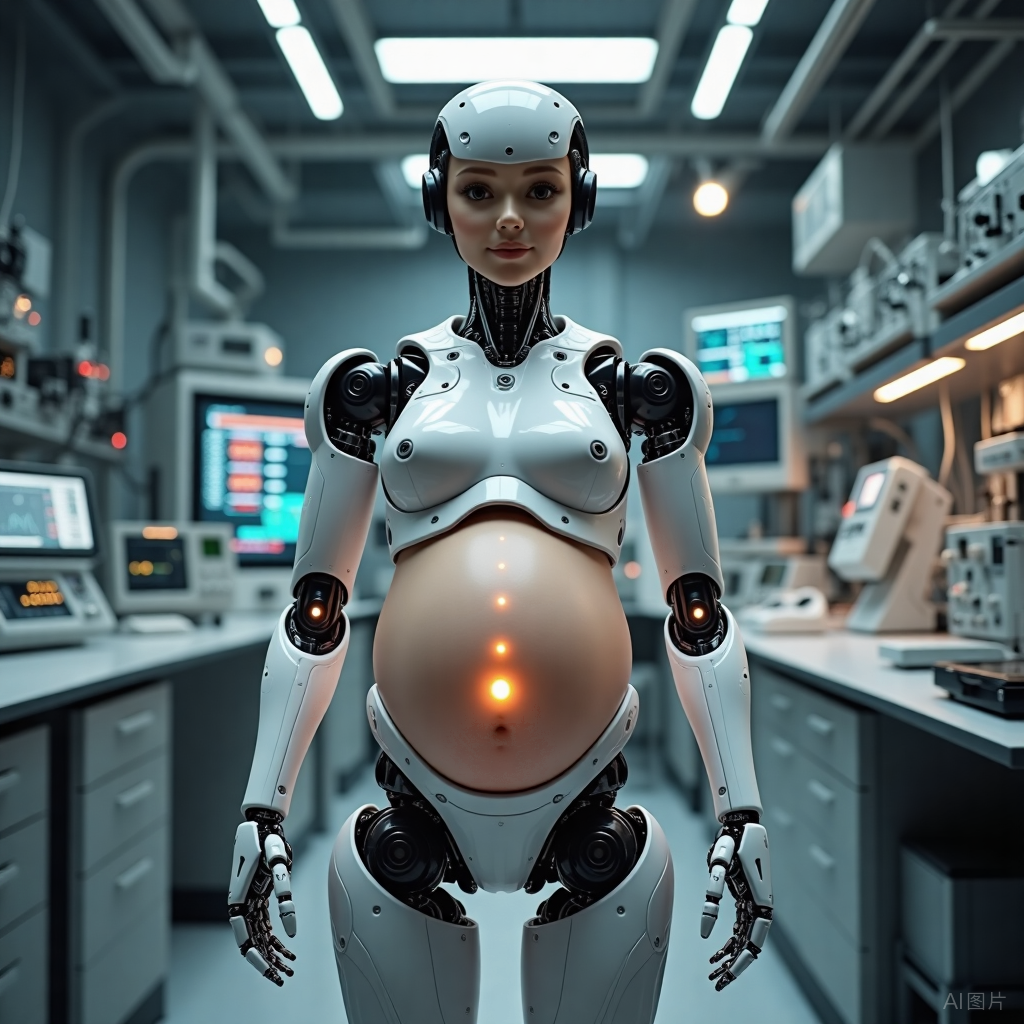 To be honest, I am also quite curious about the concept of robots giving birth. If they can get pregnant, how many months will it take for them to deliver? During the pregnancy, where will the child get its nutrition? Will the child feel uncomfortable in the cold “metal womb”? And after birth, will the child be human or AI?
However, as a woman and a mother, I understand how difficult it is to nurture a new life. From pregnancy to various check-ups, to a cesarean section, both physically and mentally, it is a painful process.
Therefore, many people today are reluctant to marry or have children. Some couples, after years of marriage, face various pressures that prevent them from having children, which can even affect their marriage and family. If robots can indeed give birth, it would solve some people’s problems.
If robots can really give birth, would there be an interesting phenomenon where the robot still has to take care of the child? Would it need to observe a postpartum recovery period?
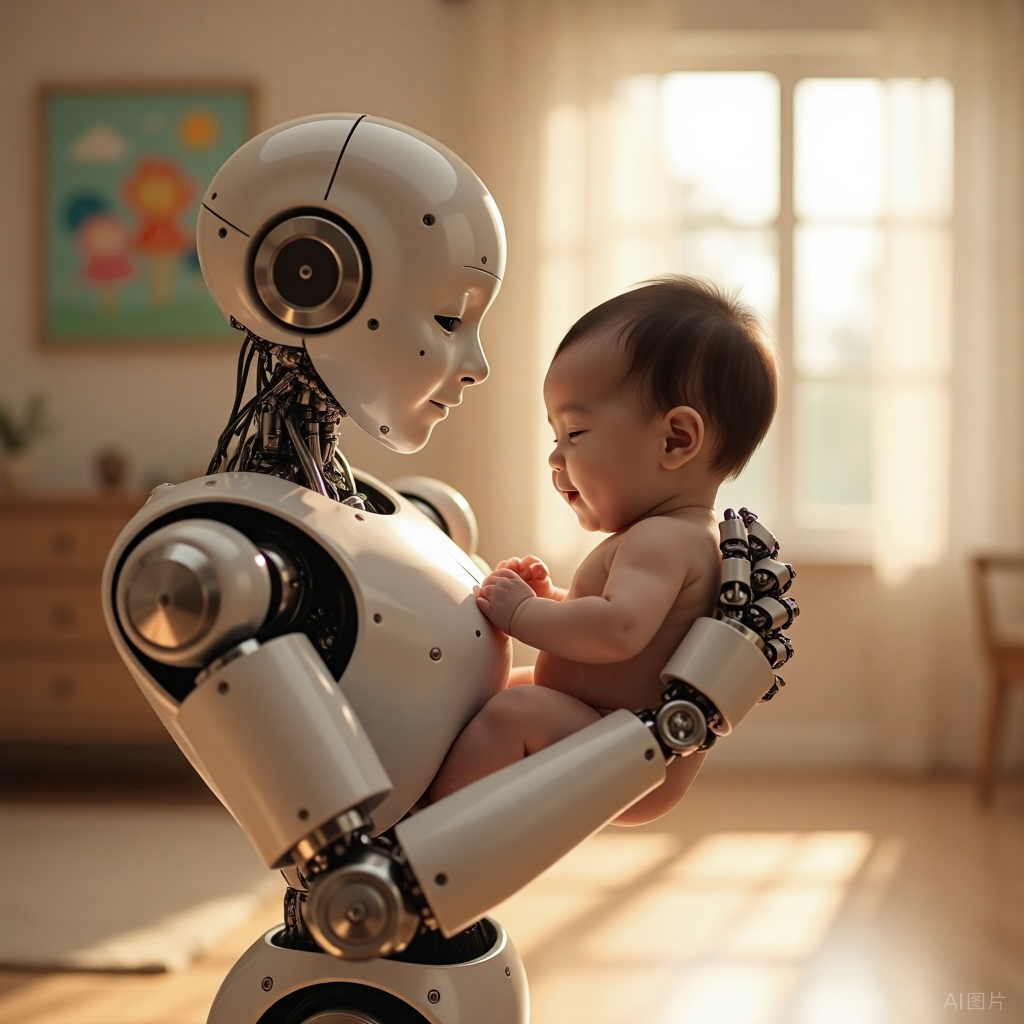
If the child cries, should it be programmed to soothe the child every 20 minutes? If the child is not crying, it should not be soothed, but when the time is up, it should quickly comfort the child.
Thinking about it, this could be quite good. The children raised this way would not be spoiled by being comforted every time they cry, and they would not throw tantrums as they grow up.
When the child learns to call “mommy,” should the robot have pre-recorded voice matching to better understand the child’s commands?
For the child, I cannot say that a robot would be a qualified mother, but for women, it would definitely be the best alternative.
As a woman, the postpartum depression rate reaches 25.8%. However, if robots give birth, they have no emotions, only emotional monitoring functions.
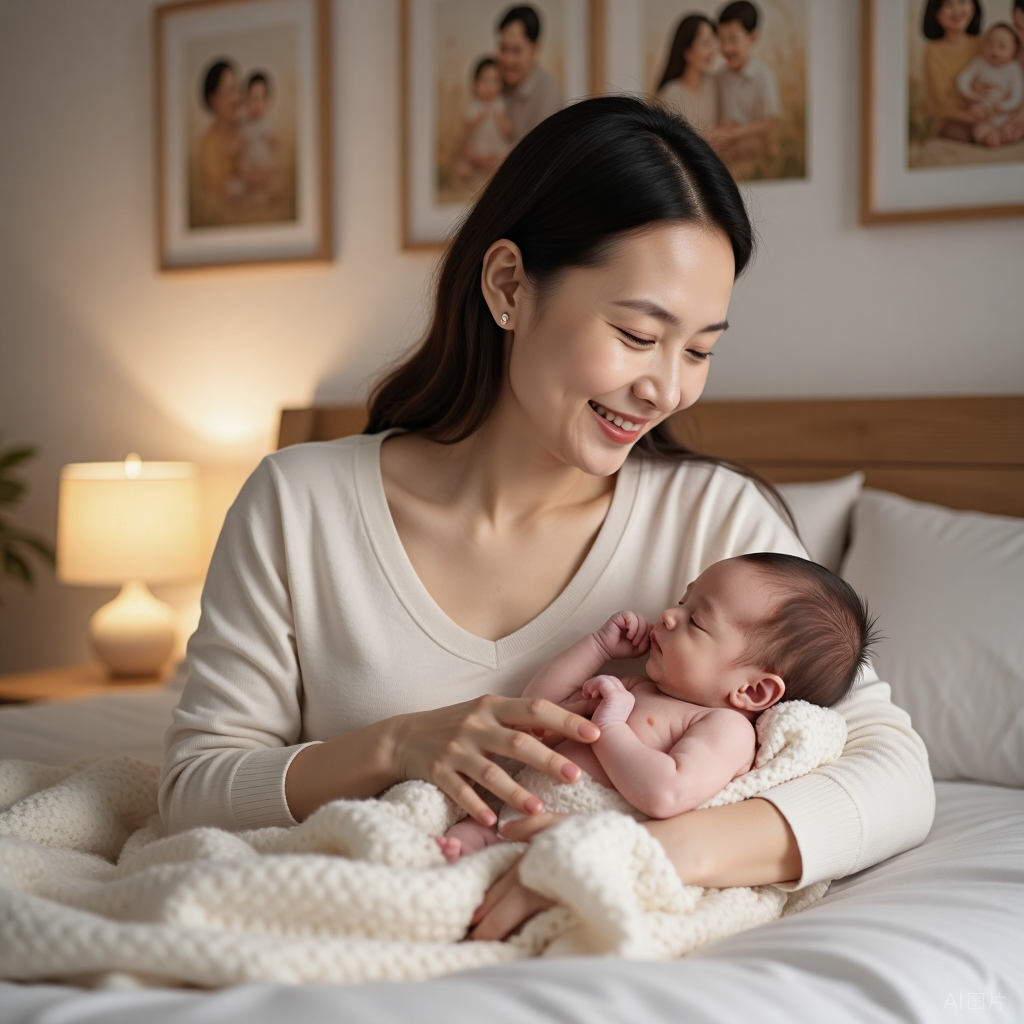
After giving birth, the most painful thing for mothers is the lack of sleep. If we count night feedings, on average, mothers lose 106 days of sleep each year. Poor eating and resting conditions lead to poor emotional health, making it impossible to avoid depression.
In contrast, robots can be programmed for automatic night feedings, precise to the millisecond. They do not need sleep, only charging.
According to data, workplace discrimination rates are as high as 34%. As a new mother, once pregnant, she may lose her job, and even if she returns to work, she may face discrimination from colleagues.
The most crucial point is that there are no mother-in-law conflicts, saving the trouble of hearing, “If robots can take care of children, what do we need you for?”
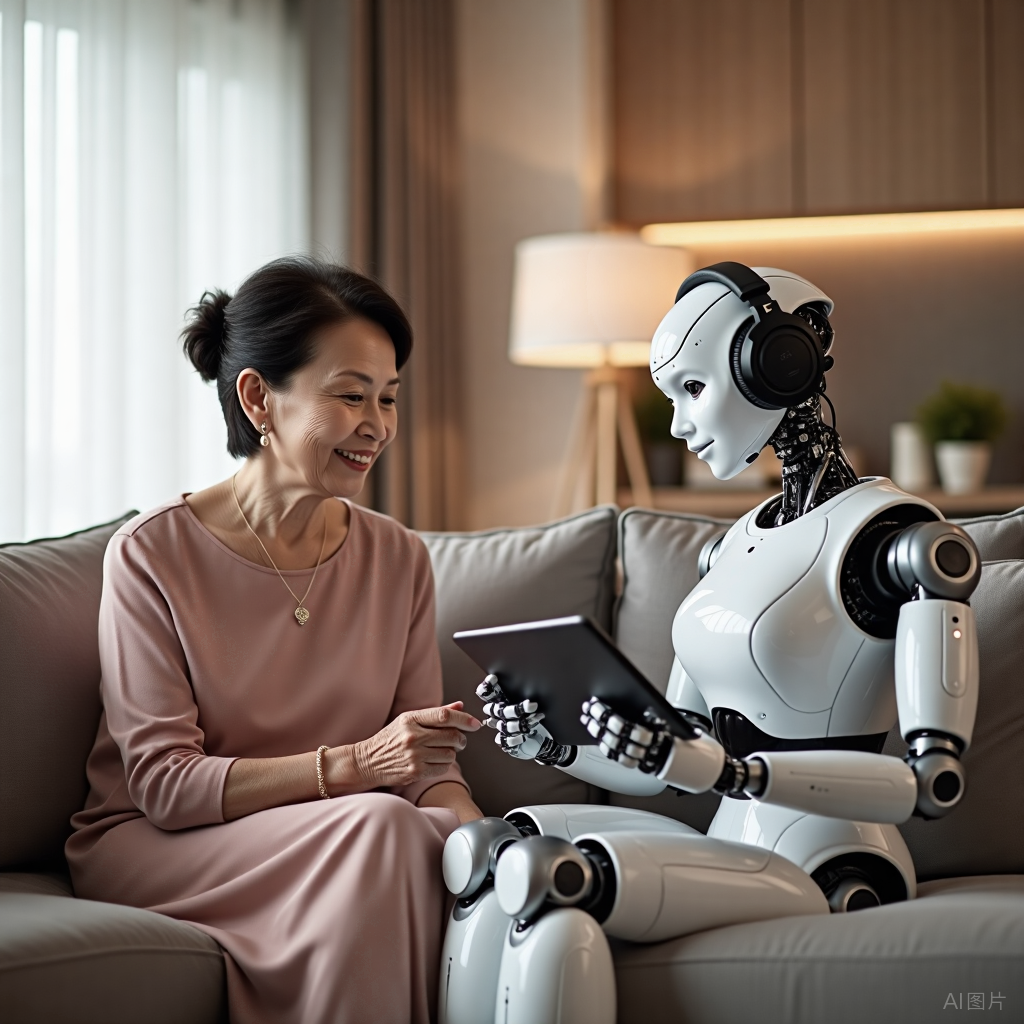
Therefore, robot childbirth is a significant benefit for women.
But is it really good for the child?
There was a user in Wuhan who found that the anti-scratch coating was actually just ordinary paint, which led to the child being hospitalized for lead poisoning.
Who can guarantee the materials and quality of machines?
According to a report from the Haval Children’s Center, the brain’s emotional area activity in children raised by robots is reduced by 37%. No matter how intelligent the machine is, it is ultimately just a pile of copper and iron, cold metal that lacks the real tactile nerve stimulation.
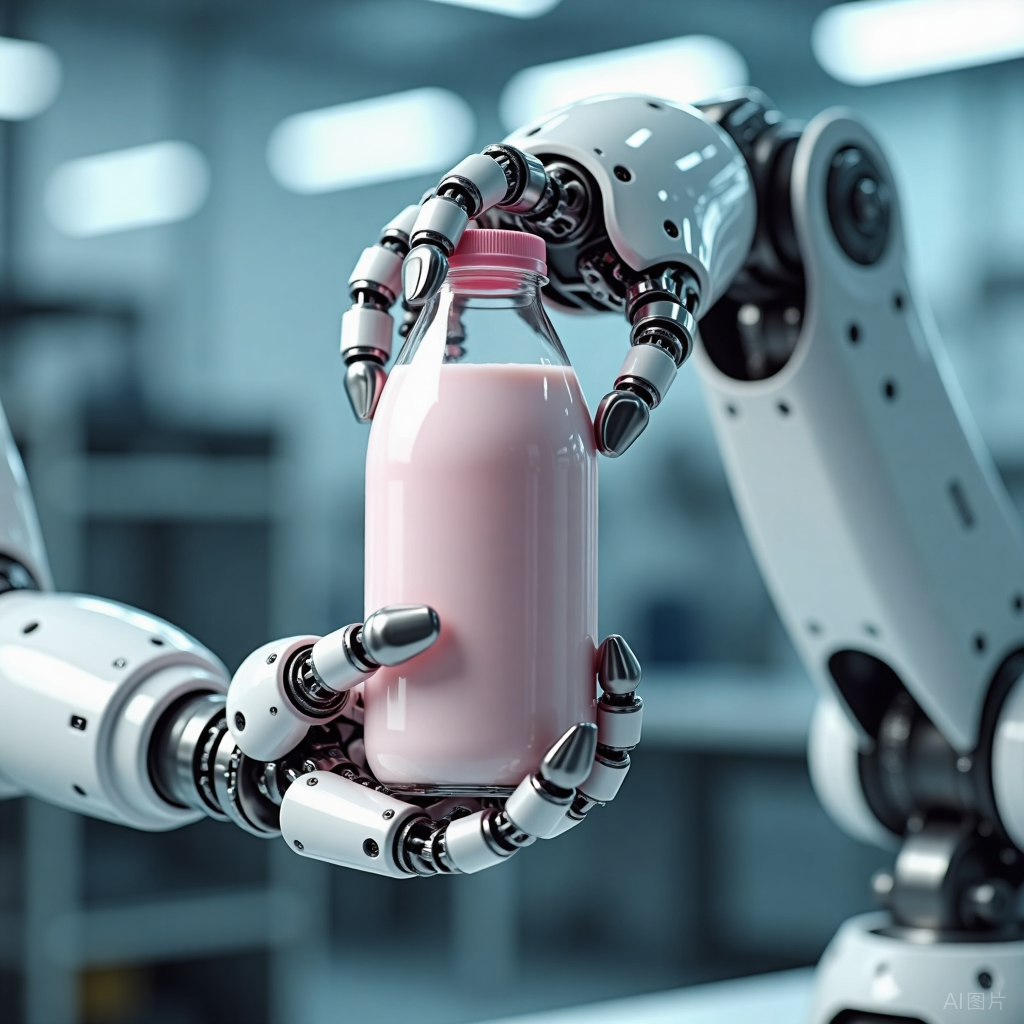
A robot’s temperature-controlled 37-degree metal breast is certainly better than a mother suffering from a fever of 39.5 degrees while trying to feed.
Precise feeding records down to the second—does it understand the smell of milk on your hands while burping and feeding at 3 AM?
When a child is uncomfortable, does the strength of their grip on your clothing surpass all the data streams from “emotional transmission chips”?
When the all-powerful “super mom” malfunctions and mistakenly puts the bottle in the child’s ear for the fifth time, will that drive you to despair?
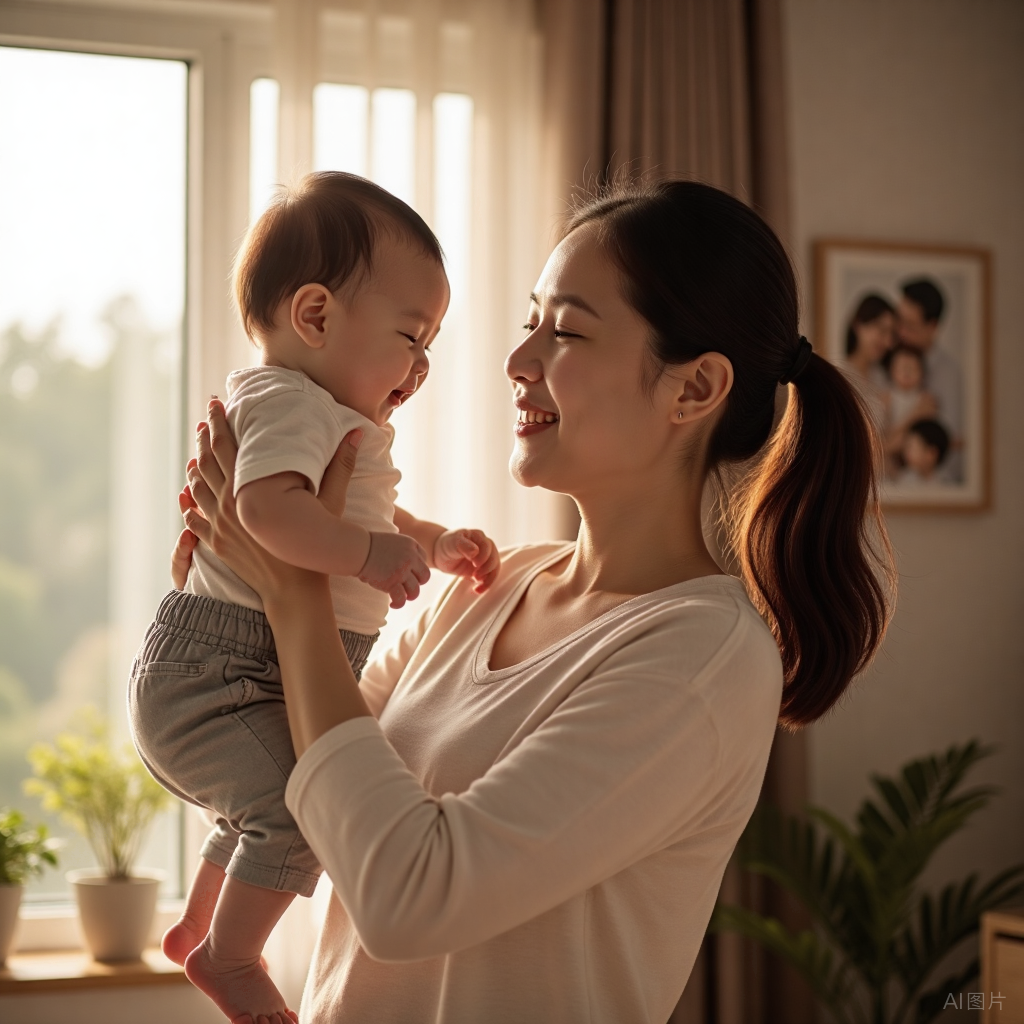
Technology can simulate the temperature of breast milk, but it can never replicate the hands that have stayed awake all night, soothing anxiety and desire.
Technology will eventually iterate, but the clumsy and heroic act of nurturing life with flesh and blood will always be the most tragic yet noble rebellion in this era of data flow.