
( Data Source:Counterpoint Research )
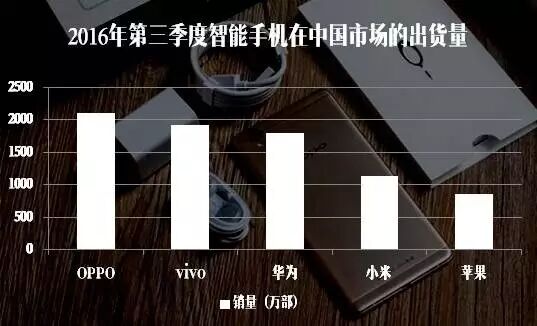
Out of every 100 smartphones globally, 18 are manufactured in Dongguan, with VIVO and OPPO being hailed by the media as the “Twin Giants” of domestic brands! According to authoritative market research firm Sino, OPPO and VIVO secured the first and second positions in domestic smartphone sales in October 2016, and in November 2016, OPPO officially commenced a project in Chang’an with an investment exceeding 1 billion yuan for expansion!
▲Huawei in Songshan Lake, OPPO and VIVO in Chang’an occupy the top three market shares in the national smartphone market, Dongguan is truly impressive!
It is said that Huawei smartphones are the pride of domestic brands! They represent the pride of Chinese manufacturing! But do you know how Huawei smartphones are made? Let’s take a look at the automated production line of Honor!
Dongguan Southern Factory

Huawei has always been low-key and dislikes exposure, especially regarding its crucial smartphone production line, which is even more secretive.
However, after the celebration of the 4 millionth unit of the Huawei Honor 3C and the launch event for the Honor 3C 4G, Huawei Honor made an exception and publicly showcased its production line located in the Southern Factory in Dongguan, revealing its unique and globally leading equipment:
This includes the ultra-precise MPM dual-track printer imported from the USA, the world-leading Camelot dispensing machine, fully automated robotic arms for complete machine testing, fully automated unmanned delivery vehicles, and six leading fully automated robotic arms currently under development, showcasing a streamlined production process that is truly eye-opening. Huawei Honor’s globally leading production technology and superior smartphone quality control standards are vividly displayed here.
The production line at Huawei’s Southern Factory is responsible for manufacturing popular models such as the Huawei Honor 3C, Honor 3X, and flagship models like Huawei P6 and P7, highlighting its importance, as evidenced by the dual security checks at the entrance.
Visitors must first change into professional anti-radiation work clothes, shoe covers, and headgear, and then pass through a security gate to check for any metallic items or devices capable of taking photos before entering. Personal bags, mobile phones, and other devices are strictly prohibited.
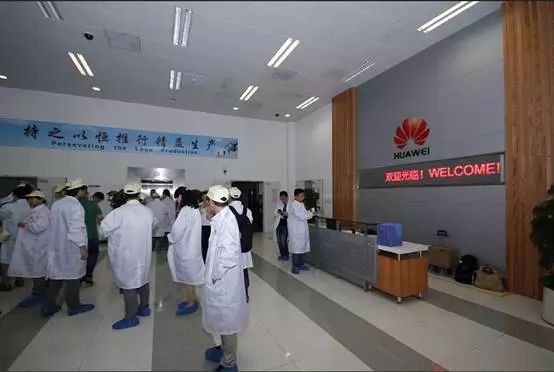
▲ Visitors must change into specialized work clothes
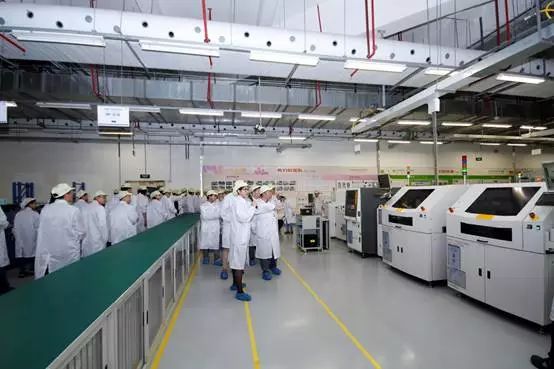
▲ Visitors inside the factory
The entire production workshop is very large, encompassing all processes involved in smartphone production, including Surface Mount Technology (SMT), functional testing of the boards (FT), assembly, pre-processing, complete machine testing (MMI), and packaging. Industry-leading installation or testing equipment can be seen everywhere.
For example, the MPM dual-track printer imported from the USA has a printing precision of only 25um, which is one-third the thickness of a human hair, making it one of the best in the industry.
The world-leading Camelot dispensing machine from the USA can achieve fully automated dispensing controlled by an electronic spraying system, with its high-precision balance allowing for regular online automatic calibration of the dispensing amount, ensuring that every critical IC component of the smartphone is well protected. Even the adhesive used is fully imported and waterproof, making the smartphone more reliable to use.
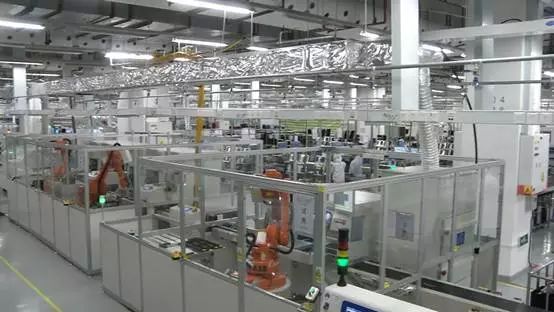
▲ PCBA production line: circuit board testing, shielding cover assembly, board separation, and waterproof treatment are all fully automated
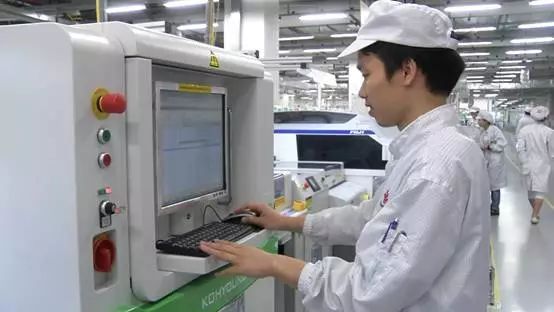
▲ Solder paste quality testing to ensure the quality of component soldering
The equipped automatic board separation machine can automatically separate the completed boards, with an analysis precision of up to 0.1mm, effectively avoiding quality issues caused by stress. These automatic board separation machines are all dual workstations, with one side separating boards while the other prepares, greatly improving efficiency, and they also have a dust collection function.
According to the factory’s technical manager, they are currently developing the world’s most advanced and unique automated line equipment, consisting of six fully automated robotic arms, covering functions from board testing loading, fully automated dispensing, complete machine audio testing, to complete machine software loading, significantly enhancing product quality consistency and production efficiency. It is reported that one streamlined production line can reduce the need for about 50 workers, making it extremely powerful.
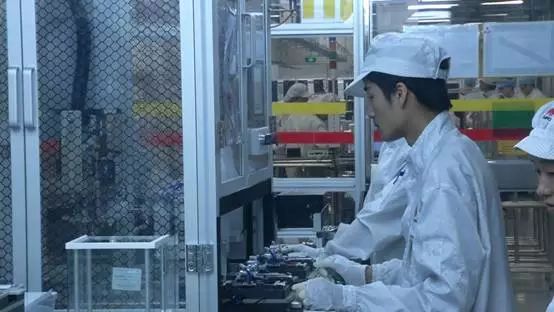
▲ Robots automatically align the screens to ensure they are centered and evenly spaced from the frame
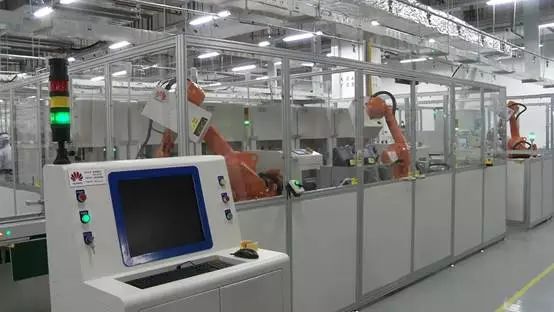
▲ Automatic shielding cover assembly and board waterproofing equipment
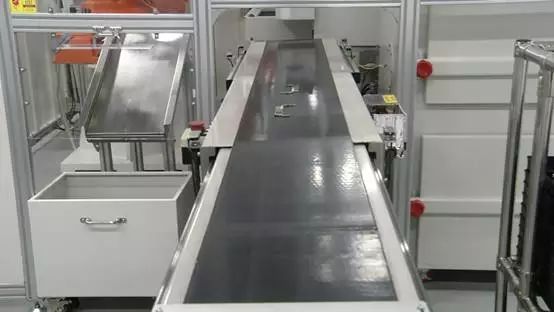
▲ Automatic PCB board separation for the next assembly process
In the complete machine assembly and testing stages, the factory does not compromise either. The automated screw fastening machines, automatic pressing machines, and other automated equipment effectively enhance production efficiency while ensuring consistency in the production process and product quality.
The complete machine testing stage employs fully automated robotic arm control, testing the smartphone’s application functions through a human-machine interface, including SIM card detection, battery testing, SD card detection, LED button, LCD testing, LED backlight, and testing all components of the smartphone, making the testing more precise and faster, greatly ensuring the smartphone’s high reliability.
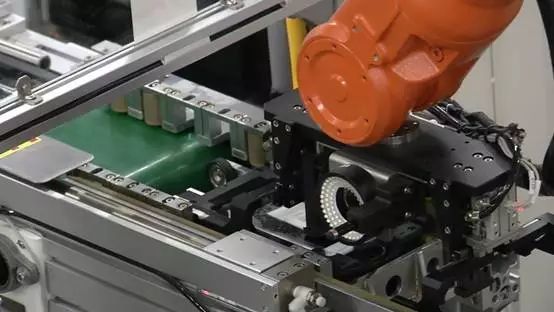
▲ Coupling testing to check if the smartphone’s RF performance meets standards
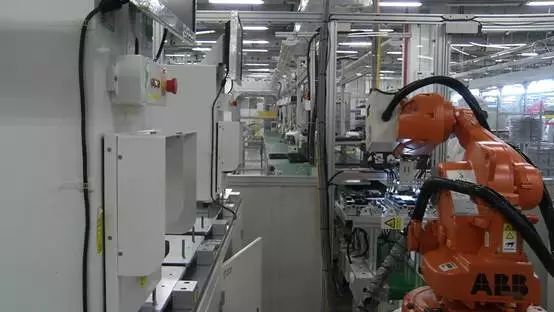
▲ Automatic audio testing to ensure the smartphone’s volume, tone, and noise meet standards
Advanced equipment is not only present in the production stage; even in the transportation stage, the factory is equipped with fully automated unmanned delivery vehicles, which transport goods along fixed tracks, automatically stopping and issuing warnings upon detecting obstacles one meter ahead, ensuring higher efficiency.
Throughout the entire production process, which is assembled using high-tech equipment, to ensure that every step is flawless, the factory has barcode scanning at every workstation, ensuring that the production process is fully traceable, elevating quality control to the highest standard.
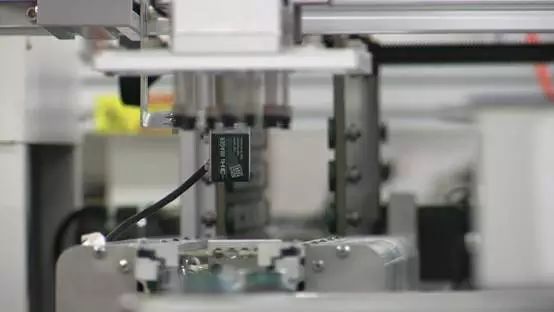
▲ Barcode scanning: Each workstation has barcode scanning to ensure the production process is fully traceable
“These world-leading processing and testing equipment not only greatly improve production efficiency but also fully ensure the reliability of smartphones, which is the fundamental guarantee of Huawei smartphones’ high quality and durability, as well as the solid foundation for Huawei’s rapid supply,” said the factory’s technical manager. In fact, the high approval rate of 97% for the Huawei Honor 3C and other hot-selling products online, along with millions of good reviews, corroborates this statement.
VIVO and OPPO Share the Same Parent


▲In the variety shows you often watch, OPPO smartphones are almost always present…
Every time you turn on the TV or a video website, the most frequently seen and memorable advertisements are definitely for VIVO and OPPO smartphones, with slogans like “Charge for five minutes, talk for two hours” that you could probably recite backward. However, you might not know that these two smartphone brands share the same parent company, which is BBK Electronics in Dongguan…

▲Duang Yongping, the founder of BBK Electronics, is highly respected in the Chinese business community. He made “Little Tyrant” and “BBK” household names. In fact, he moved to the United States over a decade ago and has not been involved in the day-to-day operations of BBK, leaving it to his subordinates to manage.
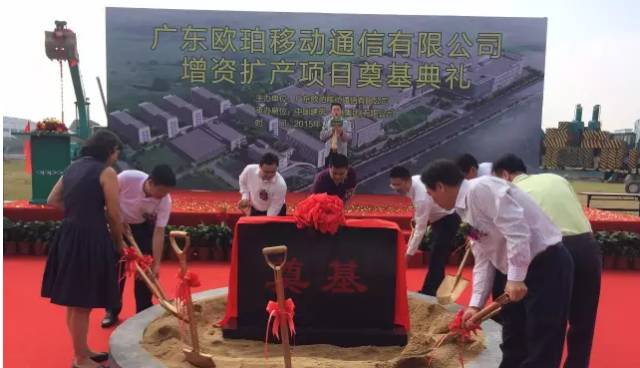
OPPO’s chairman, Chen Mingyong, invested 300 million yuan in 2004 to establish this base, which is filled with advanced production equipment, such as the third-generation NXT chip mounters from Japan, Siemens SX series mounters from Germany, YXLON X-ray inspection machines from Germany, and BTU nitrogen reflow ovens from the USA.
According to online media, in March 2016, Guangdong OPPO Mobile Communication Co., Ltd. will build a research and development headquarters in Chang’an Town, with a total investment of about 2.5 billion yuan. Once completed, it is expected that the group’s output value will exceed 100 billion yuan, generating over 5 billion yuan in taxes.
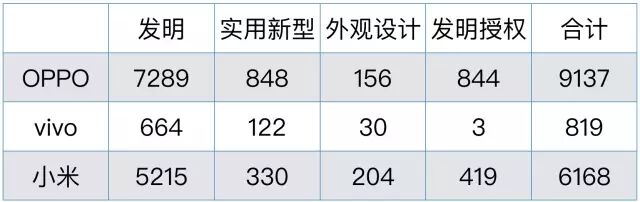
Comparison of the number of patents and inventions between OPPO, VIVO, and Xiaomi (as of the end of August 2016)
OPPO’s SMT center is equipped with SMT production equipment that meets the production of high-quality smartphones, world-leading SMT high-speed, dual-track mainboard production lines, FPC production lines, and supporting calibration and comprehensive testing lines. OPPO repeatedly emphasizes that “everything is aimed at the best user experience” is the highest standard of OPPO’s production system. However, OPPO believes that achieving high-quality products is not just about the end result; it must start from the source. OPPO firmly believes that “high quality is designed,” which includes how products address user pain points and meet user needs. Whether it is VOOC flash charging technology or the PI original painting engine, OPPO’s senior management’s emphasis on user needs, a complete R&D design system, and the philosophy rooted in every OPPO employee’s heart are the foundation for OPPO to achieve high quality.
↓ Exploring OPPO’s Factory ↓
As a well-known domestic manufacturer, OPPO’s production and testing processes have reached the highest standards in the country. Today, let’s take you into the OPPO smartphone factory to see what processes a smartphone goes through from production to shipment.
Entering OPPO’s industrial park, the entire factory area, like some tech companies, has neatly arranged high-rise buildings. Moreover, the entire factory area is filled with greenery, and walking through it feels like being in a university.

OPPO’s various production workshops and laboratories are “hidden” within these buildings. Before entering, everyone must change into appropriate work clothes and undergo dust removal treatment, with all steps being very standardized.
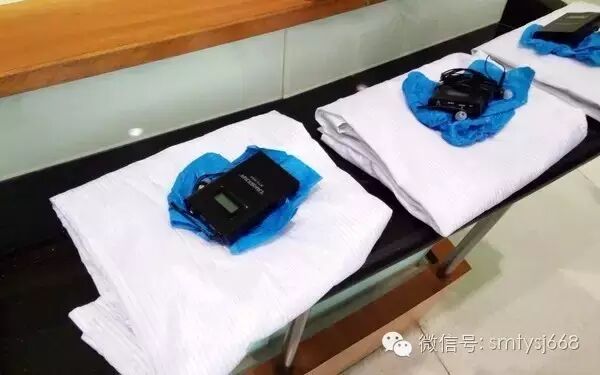
At OPPO’s Chang’an production base in Dongguan, after changing into anti-dust and anti-static work clothes, under the guidance of the OPPO production line manager, the exploration of OPPO’s secret journey of progress officially begins. It is understood that OPPO smartphones are all manufactured in-house: OPPO has three factories in Chang’an, Dongguan, and has also built a factory in Chengdu, with a factory in Indonesia already in mass production.
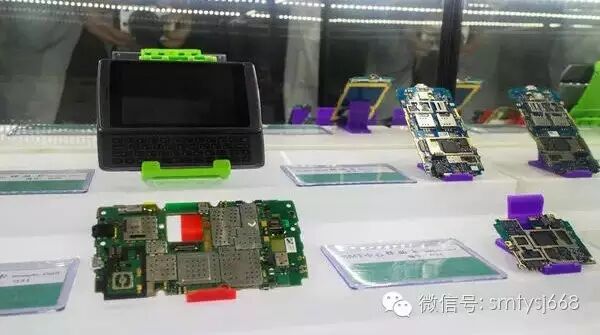
This is how the mainboard is forged
The smartphone mainboards and tablet computer mainboards we usually see are produced using SMT technology.
The production of a high-quality smartphone must go through several necessary steps: strict material selection, advanced production processing technology, cultivation of quality awareness, and multiple experimental tests. In OPPO’s actual operations, all these steps are not just pretty slogans; throughout the entire visit, you will see, hear, and perceive all of this with every stop and inquiry.
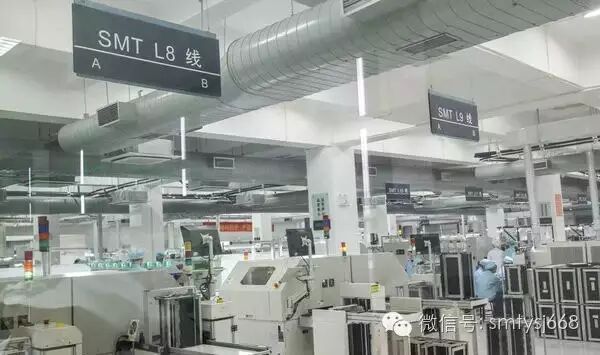
1. Strict Material Selection
At OPPO, material certification includes the following four procedures: model review, design review, trial production review, and reliability testing. Model review includes material selection and determining shortlisted suppliers. Suppliers that make the cut must not only be industry leaders but also maintain high-quality materials over the long term.
Reliability testing means that all materials must undergo strict reliability tests at the type testing center. Meanwhile, we also see that OPPO employs a relatively rare destructive physical analysis in the industry, using disassembly and slicing methods to expose defective or counterfeit materials.
Since 2011, OPPO has included technical engineers in the supplier selection system. To achieve high quality, every project bid (material selection) must undergo testing by technical engineers, which is rare in the industry.
All these steps ensure the premium quality of OPPO smartphones from the source, forming the most solid foundation for OPPO’s continuous progress.
2. Advanced Production Processing Technology
With carefully selected raw materials, the next step is to look at the level of production technology. In this regard, through on-site inspections, we see that OPPO’s SMT center is equipped with SMT production equipment that meets the production of high-quality smartphones, world-leading SMT high-speed, dual-track mainboard production lines, FPC production lines, and supporting calibration and comprehensive testing lines, for which OPPO has decisively invested about 600 million yuan.
SMT (Surface Mount Technology) center produces the core components of OPPO smartphones—the mainboards. This center was established in 2005, initially manufacturing Blu-ray DVD player mainboards. To this day, OPPO’s Blu-ray DVD players still enjoy a great reputation among consumers in Europe and America, having won the Consumer Reports’ Consumer Choice Award for three consecutive years.
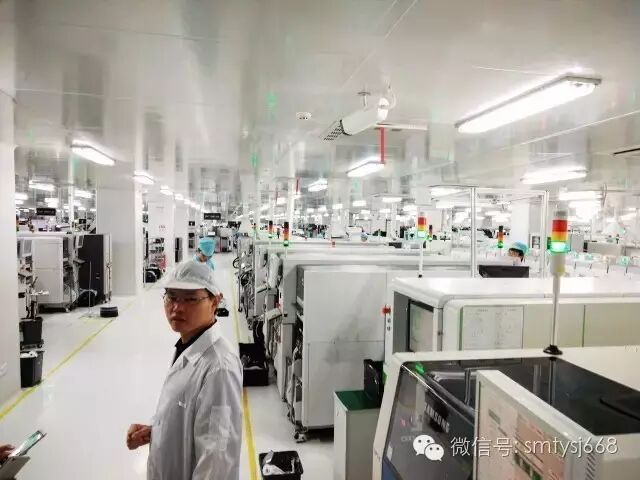
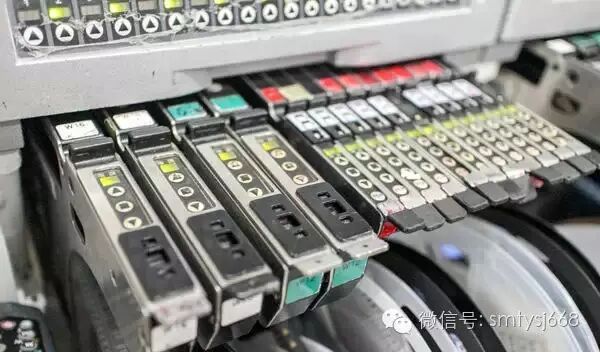
Since 2006, OPPO’s main products have shifted to smartphones, and the SMT center began large-scale expansion. Today, the SMT center is distributed across two floors of the first factory, with 23 production lines, producing over 4 million units per month.
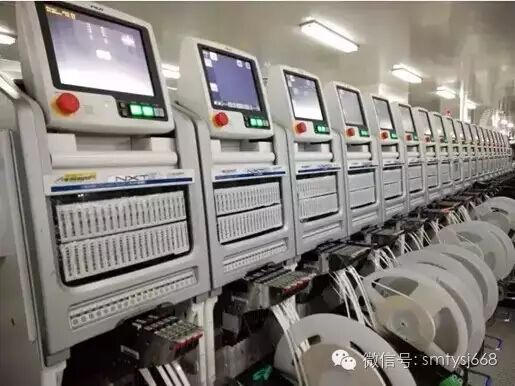
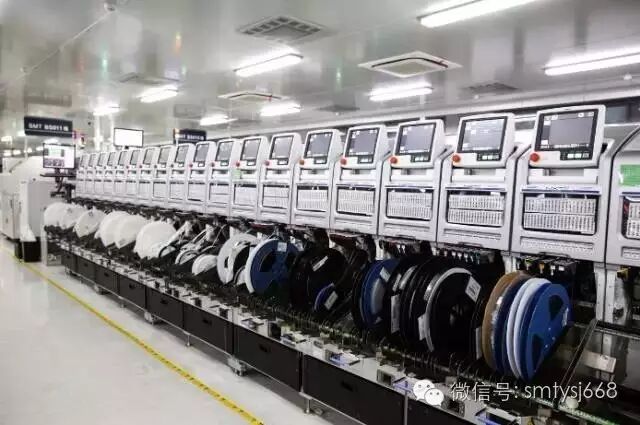
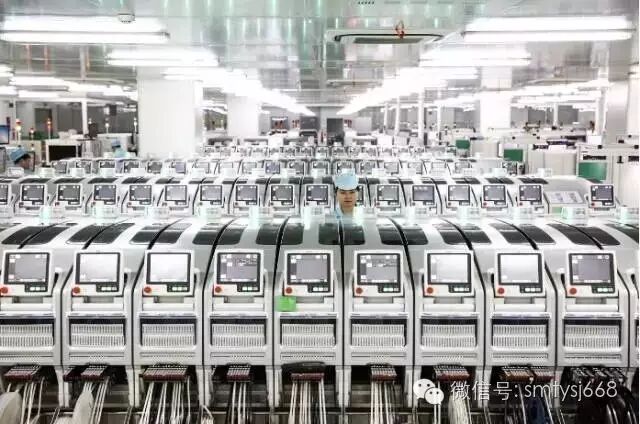
In 2015, OPPO’s production system was expected to invest over 100 million yuan in promoting automation equipment.
Generally speaking, the testing processes at the back end of SMT production require a lot of manual labor; however, OPPO is changing this situation. I saw a large automated testing machine on-site, equipped with 12 stations, capable of conducting RF testing and calibration for smartphones. The SMT center manager mentioned that this automated testing machine was just put into use in July this year, and they plan to introduce more automated testing machines to replace manual labor, ensuring precision and consistency in testing. Of course, these automated testing machines are quite expensive; the one I saw cost over a million yuan.
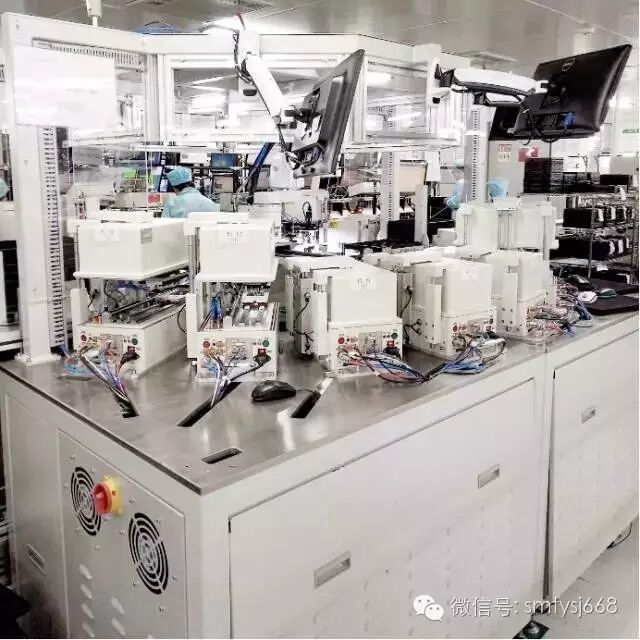
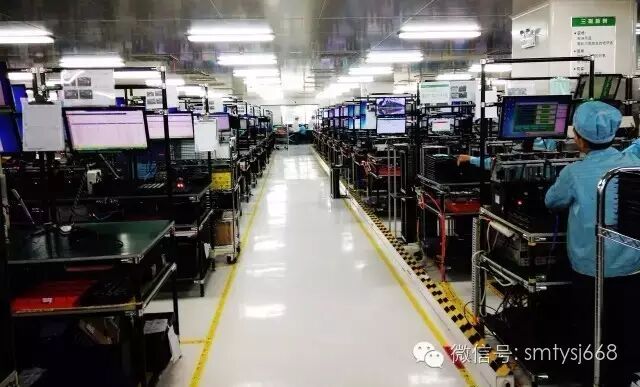
At the base, we can see various modern production equipment arranged in order, including printers, solder paste thickness testers, chip mounters, automatic optical inspection machines, reflow ovens, X-ray machines, etc. Each production process is closely followed by a testing device to ensure product pass rates, all using the top three devices in the SMT industry. It is understood that before introducing equipment, OPPO conducts in-depth comparisons with industry benchmark companies and also conducts strict internal evaluations and trials to ensure that the equipment purchased best meets OPPO’s requirements for quality, production capacity, and production processes.
OPPO repeatedly emphasizes that “everything is aimed at the best user experience” is the highest standard of OPPO’s production system. Through interviews, we learned that in 2015, OPPO’s production system would invest over 100 million yuan in promoting automation equipment. It is expected that once the promotion is completed, it will greatly enhance quality stability and aesthetic appeal.
Among them, the AOI (Automatic Optical Inspection) machine conducts real-time inspections of the quality of the mainboard’s components by writing programs. According to OPPO’s senior programmer, the program can be written within half an hour during the trial production phase and reach mass production standards within 24 hours. To ensure the high reliability of the equipment, OPPO’s quality department personnel regularly insert problematic mainboards to verify the reliability of the equipment.
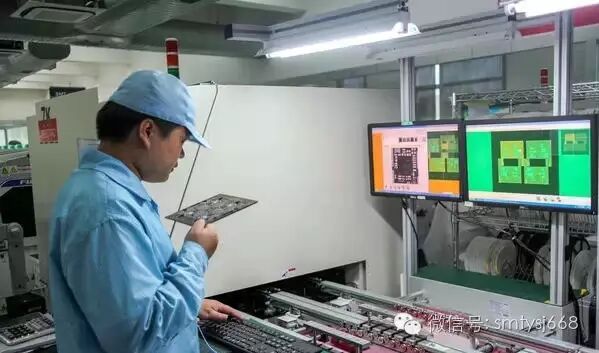
When OPPO encounters quality issues, they never hesitate; everything is aimed at the best user experience.
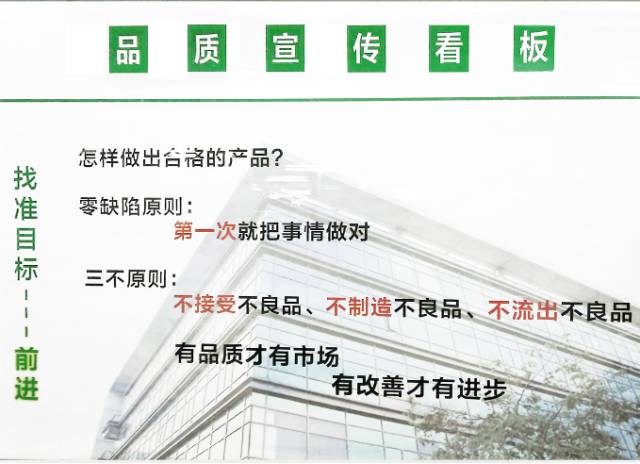
Layered Testing for a Better User Experience
When OPPO’s own SMT center produces high-quality mainboards, they are sent to the final assembly workshop along with high-quality screens and external structural components sourced from suppliers to complete the assembly of high-quality smartphones.
3. Cultivation of Employee Quality Awareness
Currently, OPPO has four production bases both domestically and internationally, employing tens of thousands of workers. For such a large production team, how to effectively implement the company’s high-quality requirements to every production line employee, meaning making every frontline employee understand that “quality is the soul of the product,” is not an easy task. Through on-site inspections, we can also feel that OPPO, aiming to create quality products over the next decade, has formed its unique culture of cultivating employee quality awareness.
At OPPO, everyone remembers the “Four No Let-Off Principles”: No let-off until the cause is clarified; no let-off until the responsible person is dealt with; no let-off until the responsible person and surrounding employees are educated; no let-off until practical corrective measures are implemented.
This may sound harsh. Imagine that after a hard day’s work, the results are penalized due to a 0.5mm scratch; employees inevitably feel suppressed and frustrated. Initially, they may not understand the quality department’s “nitpicking,” but gradually, through the market’s recognition of OPPO’s quality, they come to understand that maintaining the “soul of the product” is the greatest value of their work.
On the production line, an employee is diligently conducting product quality inspections.
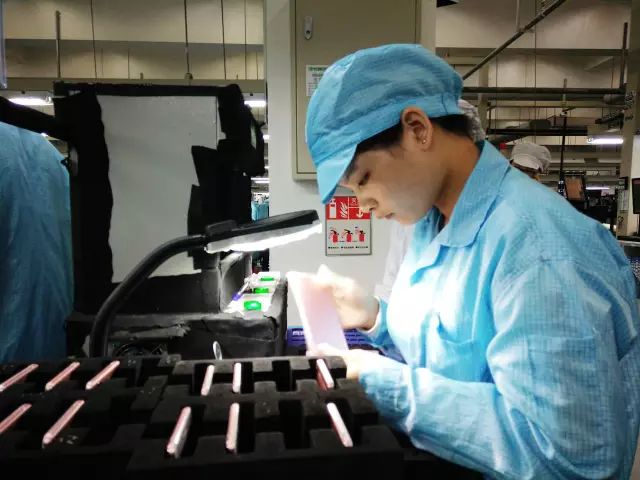
4. Layered Experimental Testing
OPPO is user experience-oriented, ensuring an ultimate experience through both manual and automated dual testing, covering all aspects from appearance to functionality. The principle of “pursuing perfection” is also reflected in the production and quality testing stages. Beautiful slogans are not just for show; at OPPO, slogans must undergo objective, practical, detailed, and rigorous testing.
In OPPO’s final assembly workshop, there are 20 testing checkpoints. Through manual “listening,” “speaking,” “touching,” and “photographing,” the product’s calling device, recording, appearance, photography, etc., are tested. For some user experiences that cannot be accurately perceived by human senses, OPPO invested in automated testing equipment in 2014 to conduct precise testing on 44 internal functions, such as Hall sensors and 3D gyroscopes, to meet high-quality requirements to the greatest extent.
To test recording quality, OPPO’s recording testing staff must say “Hello, hello, hello” three times into each smartphone, resulting in over ten million “hellos” spoken in a year. The image below shows the current Miss and Mr. Hello on duty.
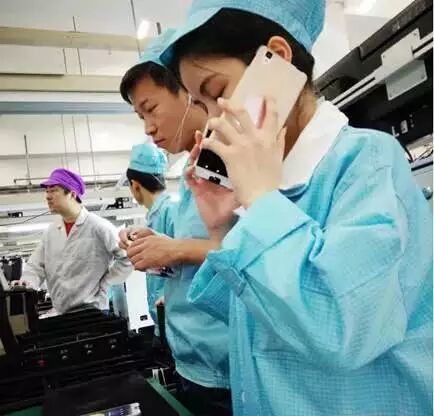
To test photography quality, the testing staff must focus and take photos of color charts at 10mm, 20mm, and 2 meters, and colleagues jokingly refer to them as “the most prolific photographers on this planet.”
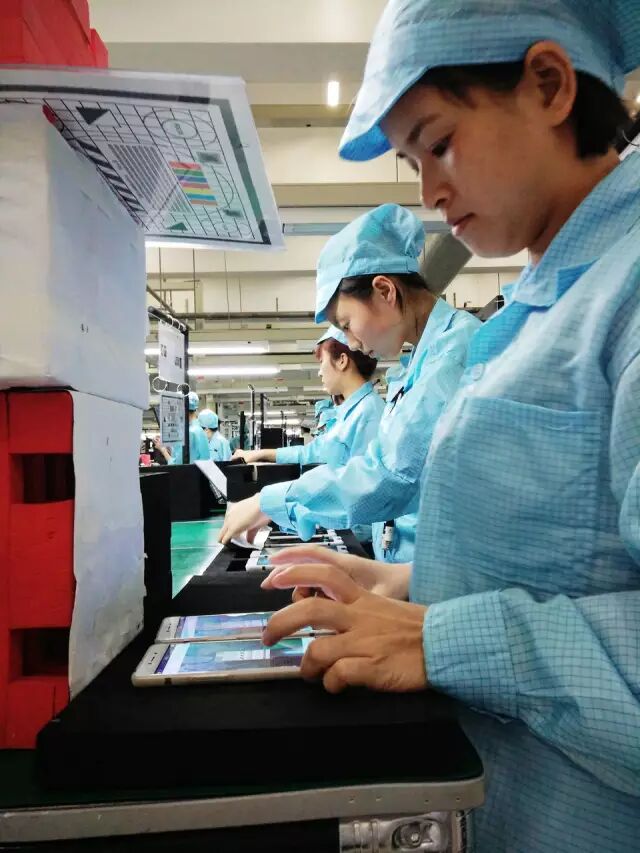
Beyond the production line, the birth of a high-quality smartphone also requires passing over 130 rigorous tests in OPPO’s quality laboratory. In the quality laboratory, we see that all smartphones must pass over 130 tests simulating real user scenarios, such as concerns that users might cause USB ports to malfunction due to incorrect plugging and unplugging. OPPO has specifically set up tests to swing the USB under a 3KG pressure for 5000 insertions and extractions, ensuring the phone remains functional.
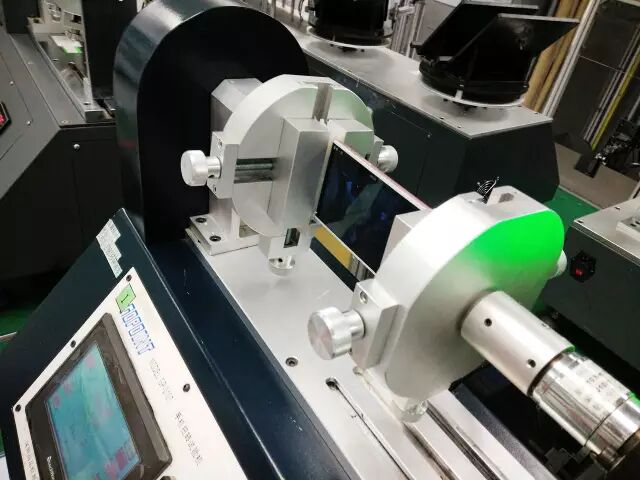
Simulating user drops, the rolling drum test involves dropping the smartphone into a drum from a height of 1 meter, continuously rotating it. After 75 turns, equivalent to 150 drops, the smartphone must still function normally. Seeing a perfectly good smartphone being “abused” like this is truly heart-wrenching.
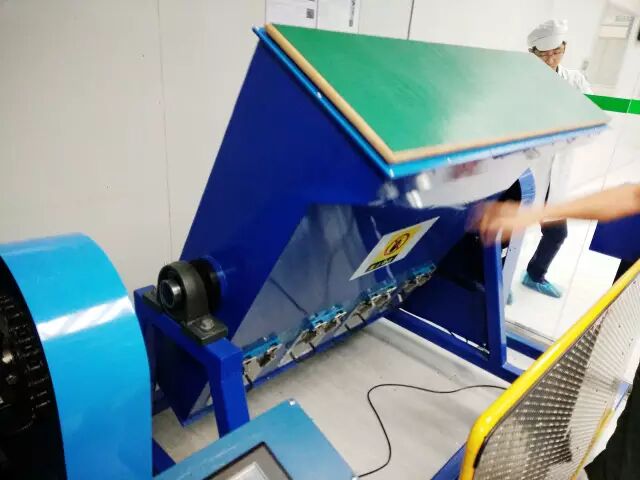
Smartphone testing is far from simple
As mentioned earlier, static electricity testing and drop testing are just parts of the testing process. A smartphone or a batch of products undergoes multiple tests from production to market entry.
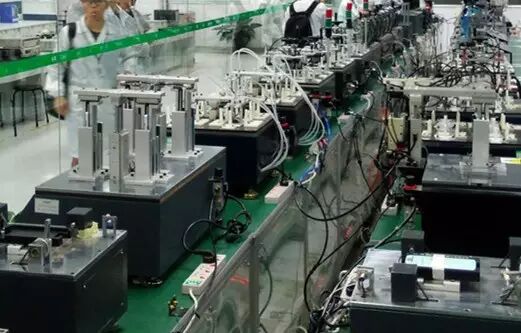
From the above photo, we can see that the testing laboratory is filled with various testing instruments, and this is just one of the laboratories.
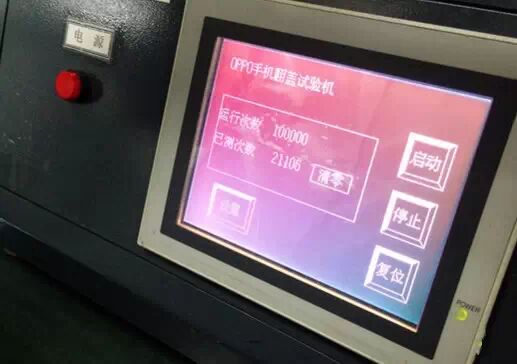
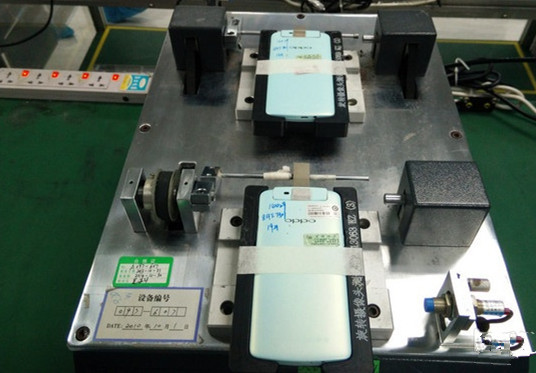
This is a durability test for the rotating camera of the N1 mini. From the data on the instrument screen, after one round of testing, the smartphone’s camera must flip 100,000 times.
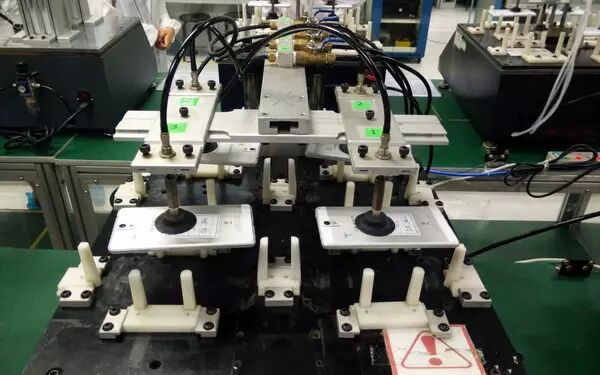
This is a small-scale, short-distance drop test for different parts of the smartphone.
The first image shows a durability test for the physical buttons on the sides of the smartphone, while the second image shows repeated insertions and extractions of the USB port to test its lifespan, and the third image is a gravity sensing test.
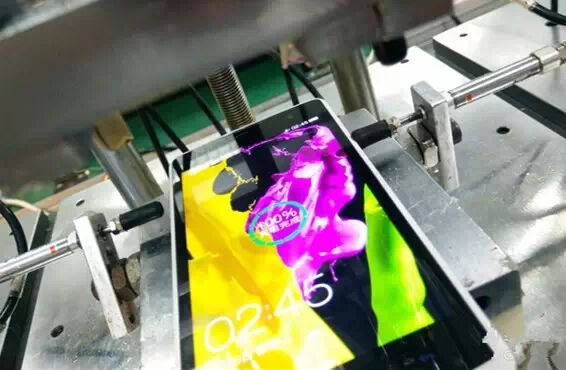
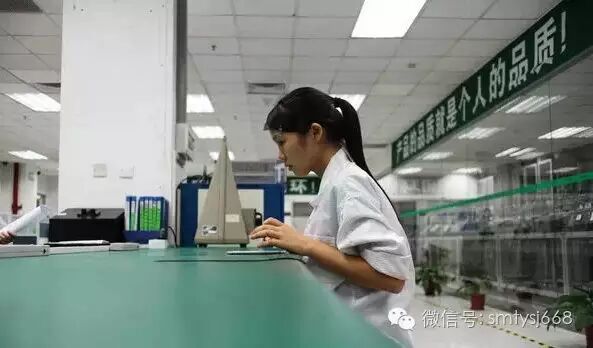
Employees are seriously conducting continuous touch tests
All of the above are essential steps in achieving OPPO’s high-quality products. However, OPPO believes that achieving high quality is not just about the end result; it must start from the source. OPPO firmly believes that “high quality is designed,” which includes how products address user pain points and meet user needs. Whether it is VOOC flash charging technology or the PI original painting engine, OPPO’s senior management’s emphasis on user needs, a complete R&D design system, and the philosophy rooted in every OPPO employee’s heart are the foundation for OPPO to achieve high quality.
Stepping out of the busy and tense production workshop, we intentionally asked to see the dormitories and living facilities of OPPO employees, and the enthusiastic hosts fulfilled our request.
The comfortable and quiet employee dormitory building is said to have very low rent and thoughtful service facilities. The small supermarket on the ground floor of the dormitory provides daily necessities at low prices, which can basically meet the employees’ daily needs.
The newly built employee cafeteria has staff organizing cooking utensils, and meals from various regional cuisines can be provided to meet the needs of employees from all over the country.
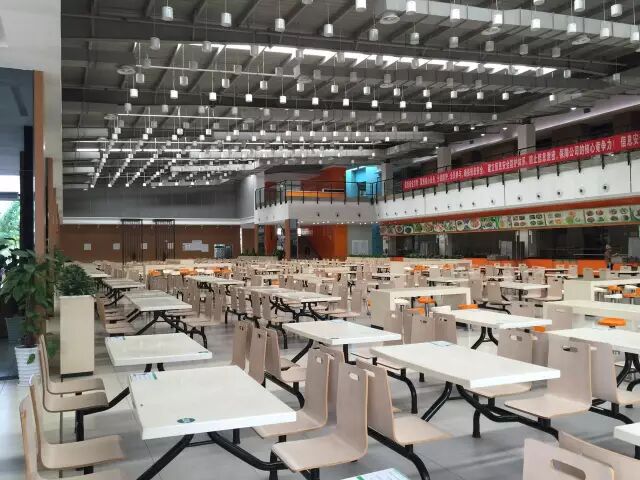
We accidentally saw a small notice board on the wall and suddenly felt that the pursuit of quality is not only reflected in smartphone production; even the small cafeteria manager is always welcoming feedback and requests regarding her service.

The outdoor leisure square does not resemble a factory cafeteria at all; it feels more like a resort.

OPPO’s Craftsmanship and Integrity
After visiting OPPO’s production base and seeing the rows of production lines and the busy figures of young employees, as a visitor, one can deeply sense that OPPO people have always adhered to the belief and spirit of “creating great products,” with every level and position’s employees being the “guardians” of OPPO’s quality.
In today’s smartphone industry, craftsmanship is not a new term; in fact, some new brands have just launched and attracted attention with their “craftsmanship spirit.” It is correct to propose craftsmanship, but it requires support; it is not just about words. In today’s modern large-scale industrial production, the craftsmanship of smartphones cannot be achieved by a few people hammering away.
True craftsmanship requires support from high-tech, modern production lines. OPPO has invested heavily, 600 million yuan, in building advanced smartphone production lines and a strict quality control system. Creating products that are “truly beautiful” requires not only advanced production tools and methods but also extreme thinking and a spirit of striving for perfection, which can be genuinely felt in OPPO’s factory.
To truly achieve craftsmanship, some companies may consider it a significant achievement, but for OPPO, it is simply a matter of integrity. OPPO has always been low-key; in an era where mutual attacks among Chinese smartphone companies have become mainstream, and smartphone products are competing for attention, few companies, including OPPO, only talk about themselves and not their competitors, not even mentioning Apple.
Not using “mutual tearing” as a gimmick to attract attention is rare and commendable. In an increasingly fierce competitive smartphone industry, OPPO’s integrity feels like a breath of fresh air. As OPPO CEO Chen Mingyong stated, OPPO’s corporate culture emphasizes integrity and adherence to core values, aiming to create good products.
In the face of competition, while many smartphone companies are involuntarily caught up in the market battles of “speed,” “grabbing,” and “fighting,” OPPO simultaneously focuses on making the most fundamental products with a “craftsmanship spirit” while remaining true to its original intention and adhering to integrity, innovating pragmatically based on consumers’ fundamental needs. For example, OPPO’s innovation of “Charge for five minutes, talk for two hours” has led to followers mimicking it with slogans like “Charge for ten minutes, talk for four hours.” According to reports from the China Intellectual Property Network, in October this year, OPPO ranked third among domestic manufacturers in terms of patent applications, becoming the only smartphone company among the top ten to make the list.
Companies with such a culture are representatives of positive energy, and only such companies can produce the highest quality smartphones. This is how OPPO has been forged, so it is not surprising that OPPO can win numerous awards and truly achieve a thick accumulation of thin hair among the many competing smartphone companies.
In the current domestic smartphone market, where competition is becoming increasingly fierce, we hope that the “OPPO model” can bring new competitive thinking to the smartphone industry and jointly create a healthier smartphone ecosystem.
↓ Exploring VIVO’s Factory ↓

As a brand in the smartphone field, VIVO is an absolute star brand in the Chinese market. Many are curious about how VIVO smartphones have grown stronger step by step and have received continuous praise from users.
The Wall Street Journal somewhat arbitrarily describes this company’s success as “mainly relying on channels and marketing to win the market,” believing that they primarily rely on building a sales network as intricate as a neural network, along with various advertisements and marketing efforts to open up the domestic market.
However, this model has been studied and copied by many Chinese smartphone brands, yet none have achieved comparable results.
Beyond the 200,000 retail stores and the factor of “Song Zhongji” (a popular actor), is there another secret to VIVO’s success? VIVO’s answer to me is: quality and R&D are the genes that define VIVO,and we always remember that only by truly excelling in these areas can we win the hearts of users.Next, let’s explore VIVO’s “mysterious” manufacturing factory and satisfy your curiosity!