Abstract:
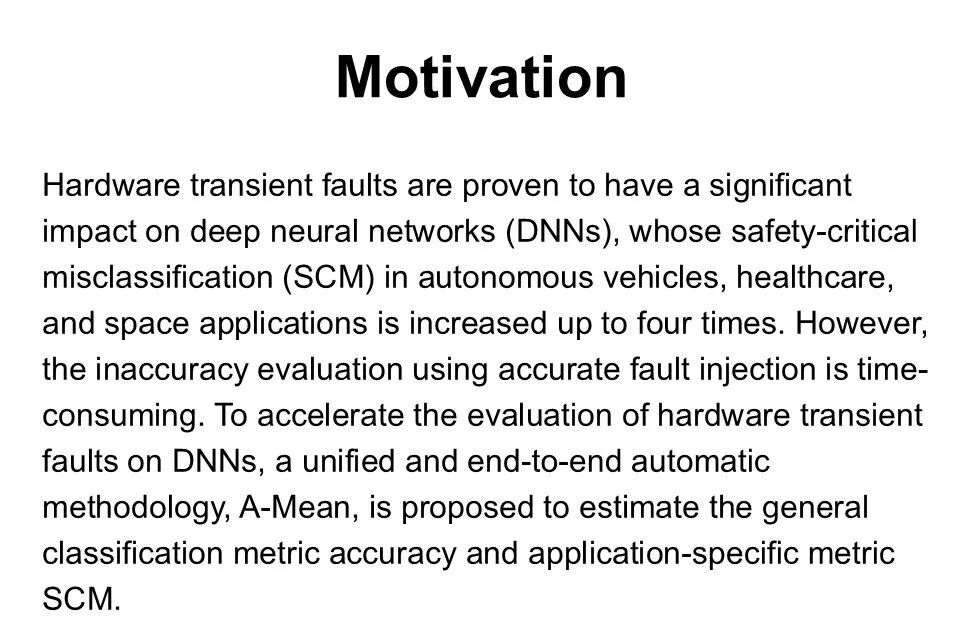
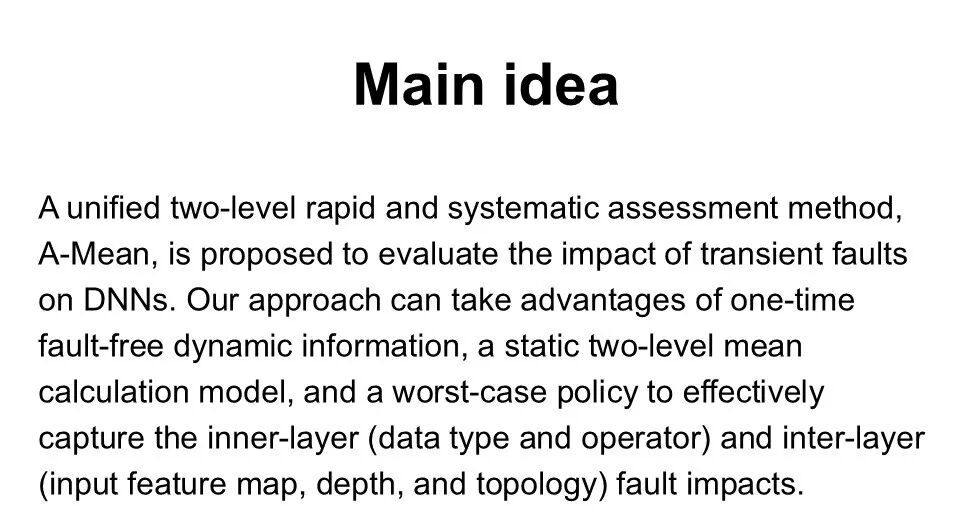
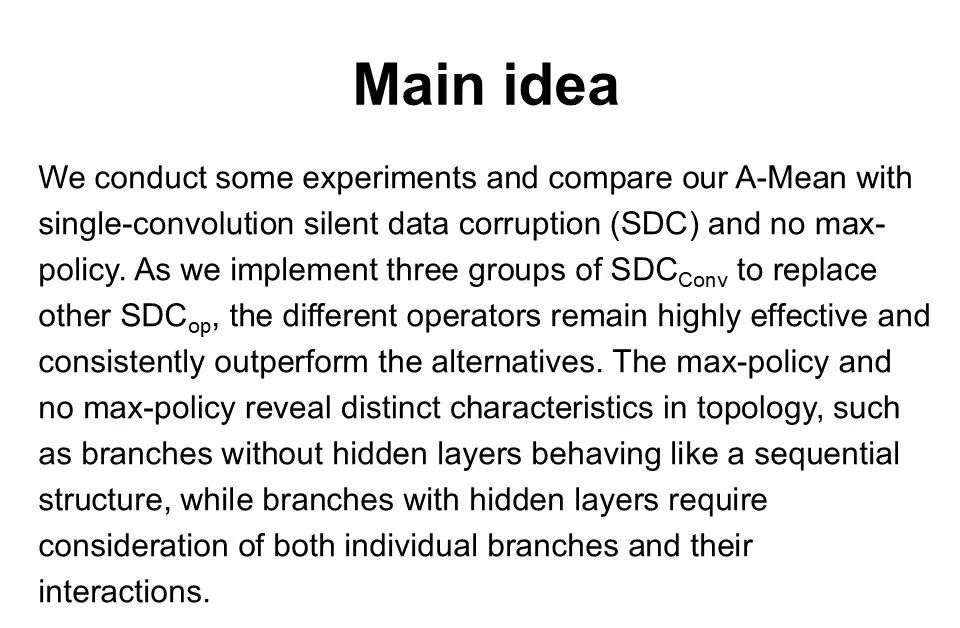
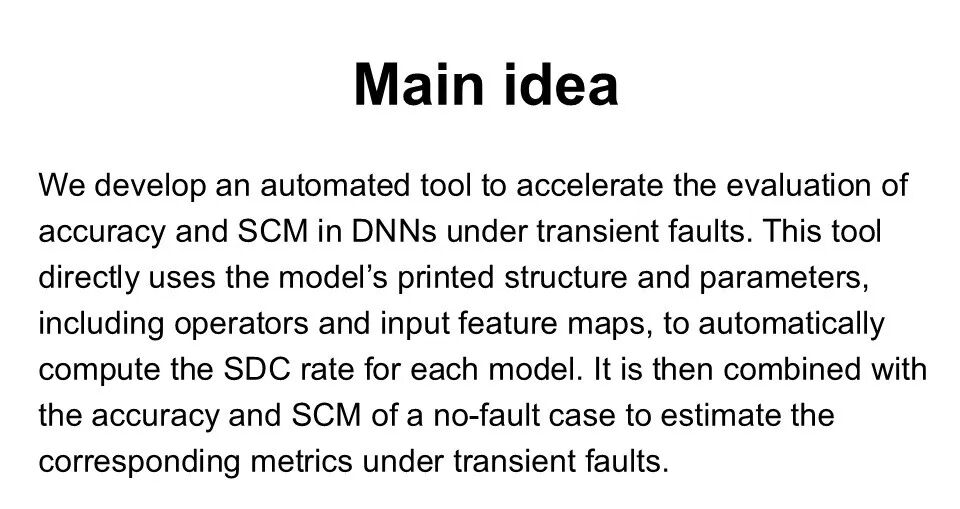
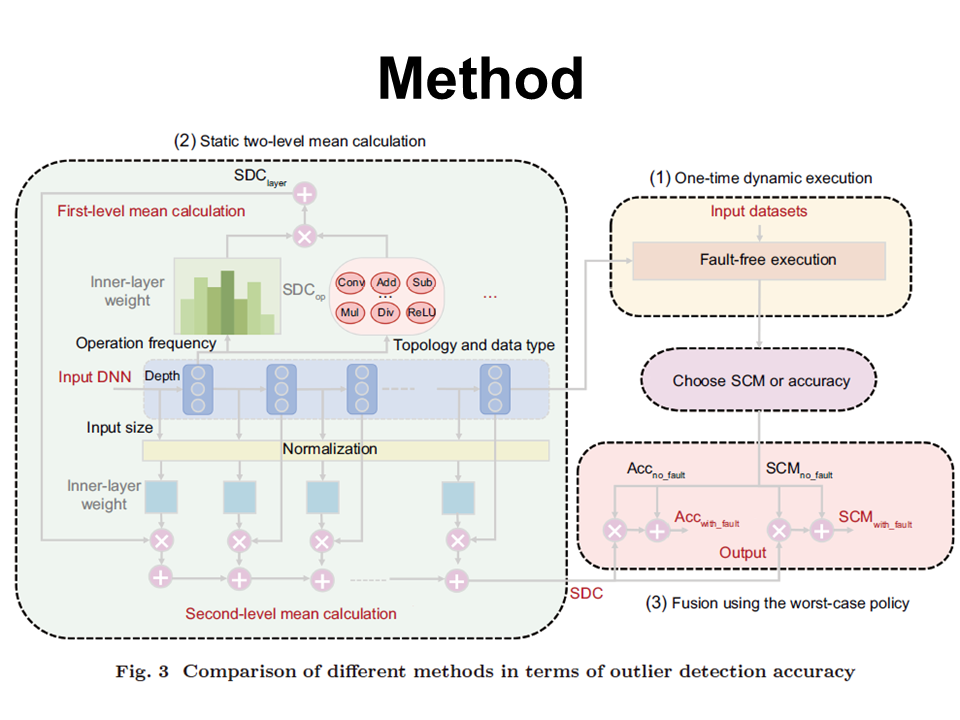
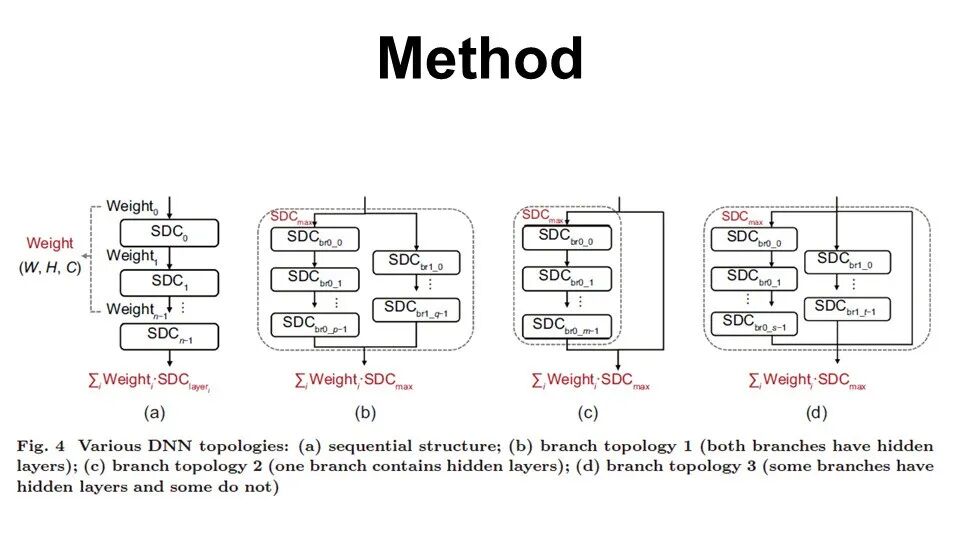
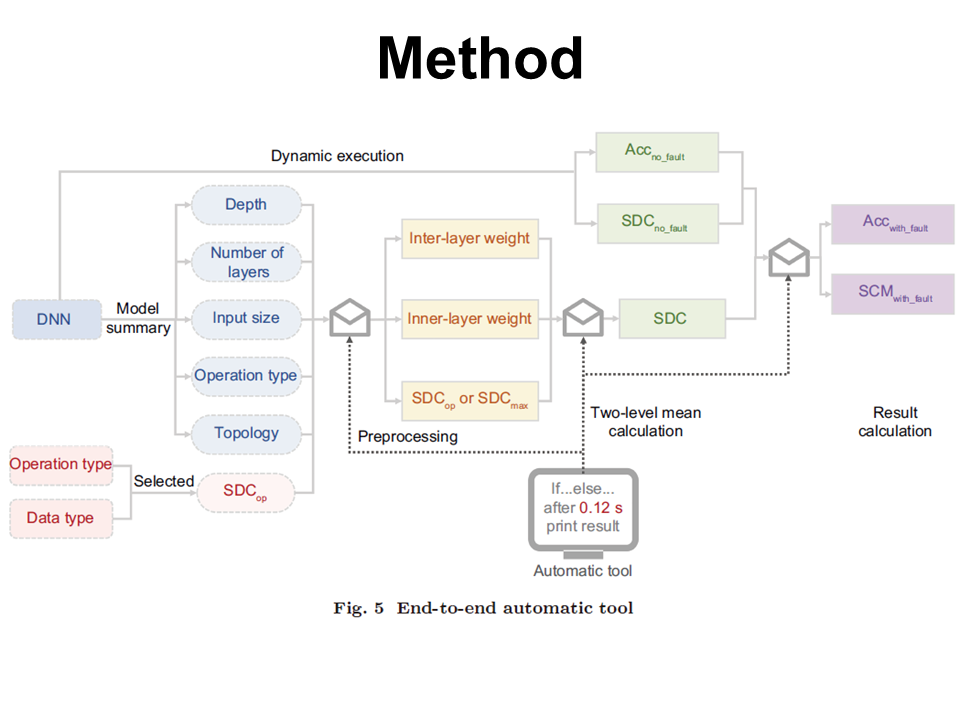
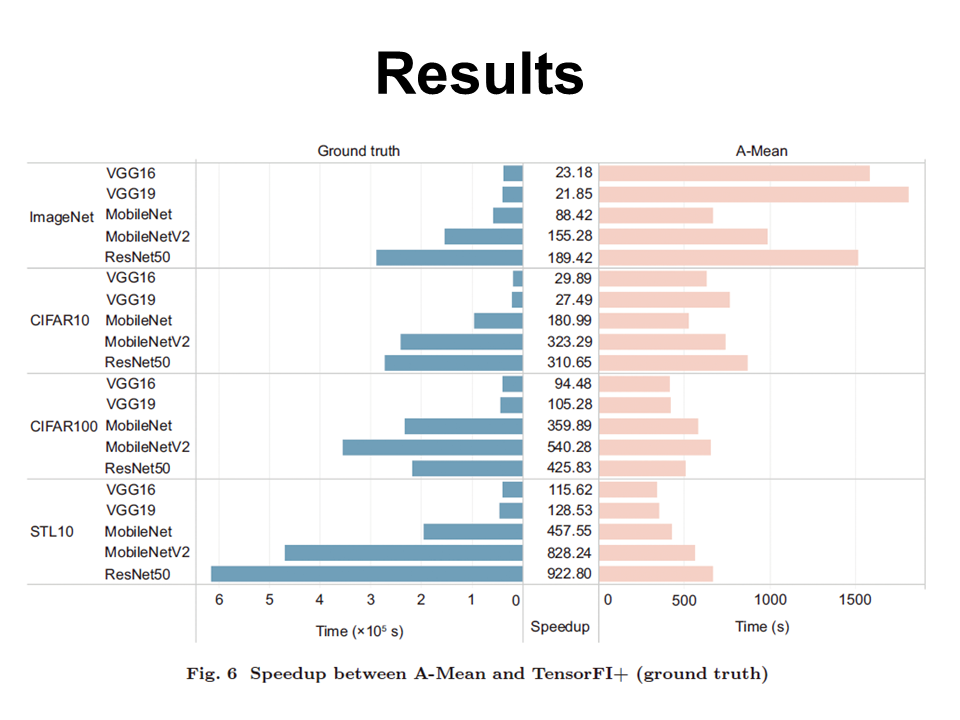
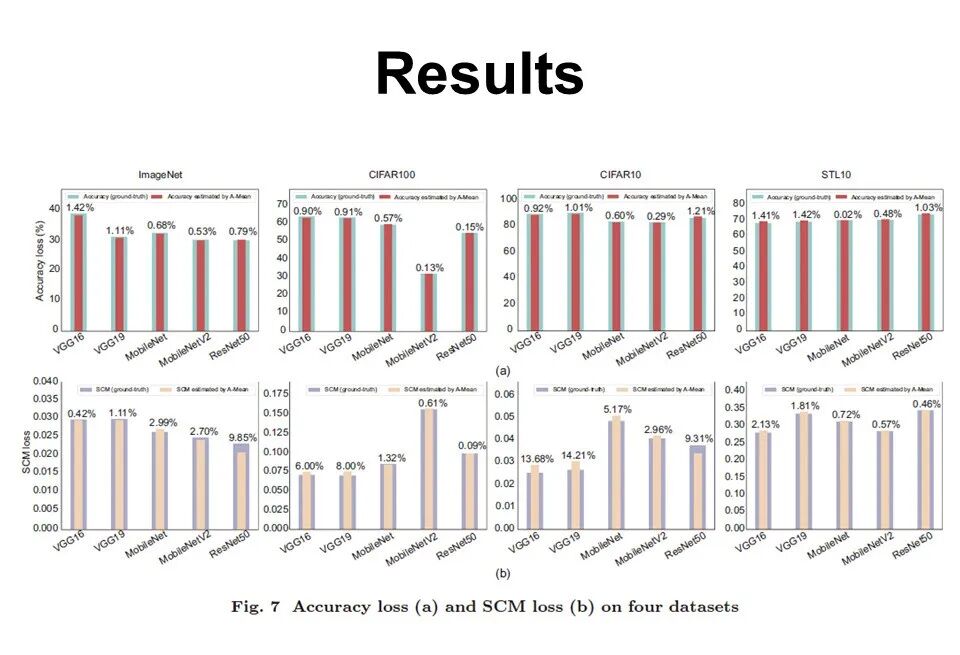
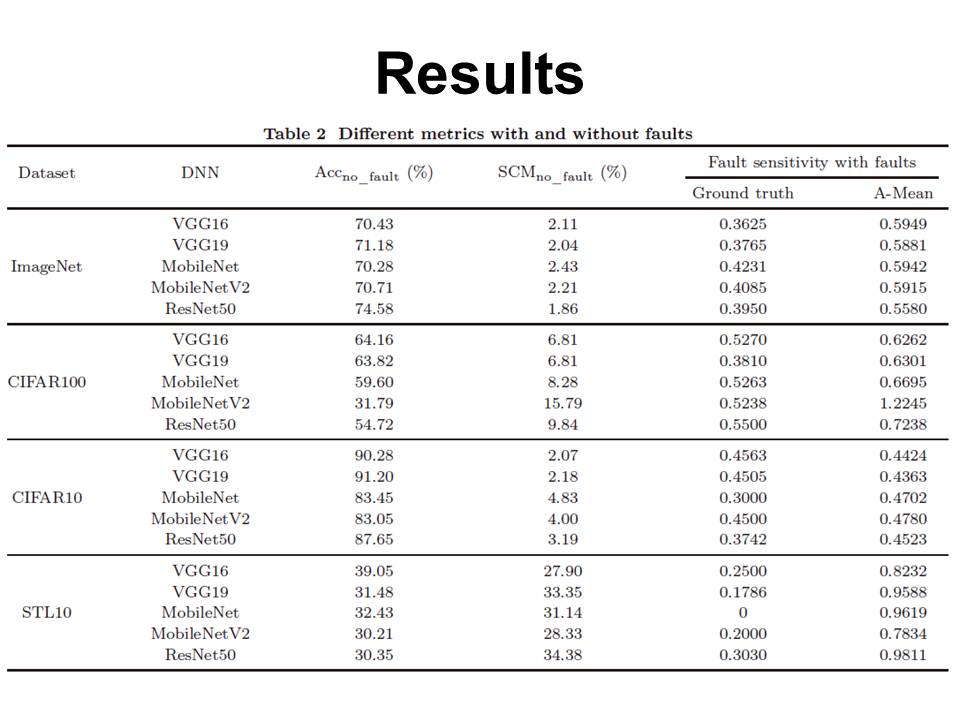
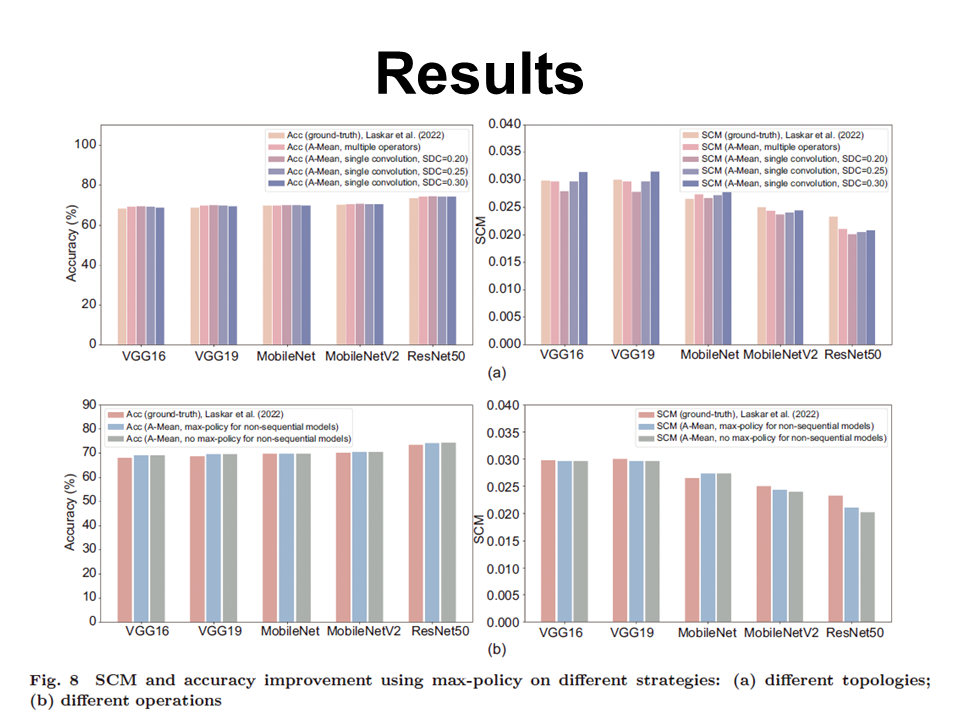
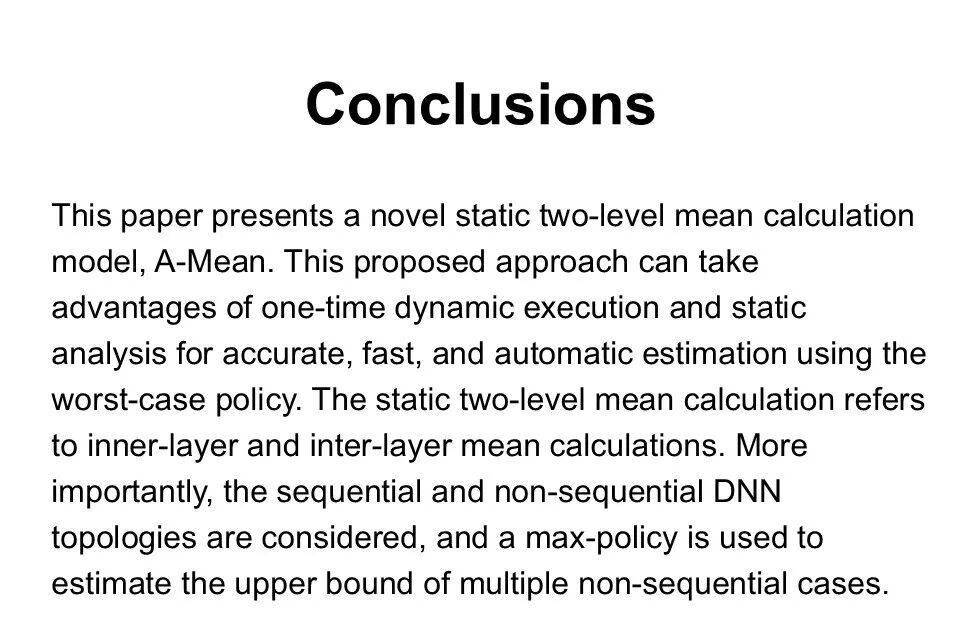
Hardware transient faults have been shown to significantly impact deep neural networks, especially in safety-critical applications such as autonomous vehicles, healthcare, and aerospace, where the probability of misclassification can increase by up to four times. However, accurately assessing inaccuracies using precise fault injection methods is very time-consuming, potentially requiring several hours or even days on a complete simulation platform. To accelerate the evaluation of hardware transient faults on deep neural networks, a unified end-to-end automated method called A-Mean has been designed. This method utilizes the silent data loss rates of basic operations (such as convolution, addition, multiplication, activation functions, max pooling, etc.) and a static two-level mean calculation mechanism to quickly compute the overall silent data loss rate, estimating the accuracy of general classification metrics and the safety-critical misclassification of specific application metrics. More importantly, a maximum strategy is employed to determine the silent data loss boundaries of non-sequential structures within the deep neural network. The static safety-critical misclassification results are then merged with the original data from a single dynamic fault-free execution, and a worst-case scenario is further calculated to assess the amplified safety-critical misclassification and halved accuracy under transient faults. Additionally, all of the above steps have been automated, allowing this user-friendly automated tool to be used for rapid evaluation of transient faults across various deep neural networks. A new metric, “fault sensitivity,” is defined to characterize the changes in safety-critical misclassification and accuracy reduction caused by transient faults. Comparisons with the state-of-the-art fault injection method TensorFI+ across five deep neural network models and four datasets indicate that the proposed evaluation method A-Mean achieves up to 922.80 times acceleration, with an average safety-critical misclassification loss and accuracy loss of only 4.20% and 0.77%, respectively. Relevant results of A-Mean can be accessed at https://github.com/breatrice321/A-Mean.
Keywords:Analysis Model; Deep Neural Networks; Hardware Transient Faults; Rapid Evaluation; Automated Evaluation ToolsAuthors:
| Jiajia JIAO, Ran WEN, Hong YANG
Affiliation: School of Information Engineering, Shanghai Maritime University, Shanghai, China, 201306 Citation Format: Jiajia JIAO, Ran WEN, Hong YANG, 2025. An end-to-end automatic methodology to accelerate the accuracy evaluation of deep neural networks under hardware transient faults. Frontiers of Information Technology & Electronic Engineering, 26(7):1099-1114. https://doi.org/10.1631/FITEE.2400547 |
Summary of the Article: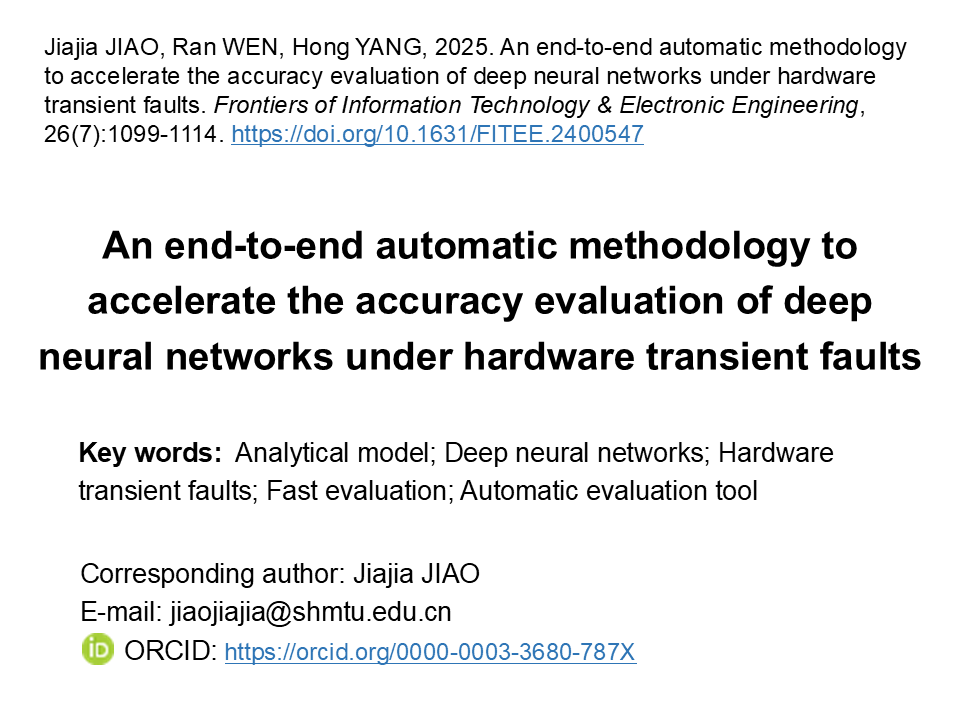

Scan the QR code below to read the full text:

Hot Articles
1. Academician Pan Yunhe | On Visual Knowledge
2. Academician Pan Yunhe | Five Fundamental Questions of Visual Knowledge3. Academician Pan Yunhe | On Visual Understanding4. Ma Yi, Shen Xiangyang et al. | On the Principles of Simplicity and Coherence in the Origins of Intelligence5. Yang Yi, Zhuang Yueting et al. | Multiple Knowledge Representations Under Big Data AI: Framework, Applications, and Case Studies
6. Su Jinshu, Zhao Baokang et al. | Trends in Network Technology Development in Large-Scale Efficient Network Computing
7. Ye Peijun, Wang Feiyue et al. | Parallel Cognition: Hybrid Intelligence for Human-Computer Interaction and Management
8. Wang Feiyue, Zhang Jun et al. | Knowledge Automation and Hybrid Enhanced Intelligence for Human-Machine Trust: Mechanisms for Cognitive Control of Complex Systems and Their Applications
9. Lu Jianquan et al. | Bipartite Asynchronous Pulse Tracking Consistency in Multi-Agent Systems
10. Da Kai, Li Tiancheng et al. | Research Progress on Multi-Sensor Multi-Target Tracking Based on Random Finite Sets
11. Xie Ying, Ma Jun et al. | Phase Synchronization and Energy Balance Between Neurons
12. Wen Guanghui et al. | Research Progress on Distributed Economic Dispatch in Smart Grids: A Review
13. Liu Junzhi et al. | Visual Detection Algorithm for Underwater Garbage Cleaning Robot Based on Improved YOLOv4
14. Zhou Jie, Zhang Junping et al. | ChatGPT: Potential, Prospects, and Limitations
15. Zhang Ping, Xu Xiaodong, Dong Chen, Niu Kai et al. | Modulation Division Multiple Access Technology for Semantic Communication16. Xu Chi, Yu Haibin et al. | Industrial Wireless Network Edge Resource Allocation Based on Multi-Agent Deep Reinforcement Learning17. Wang Yuying, Li Jindong et al. | Progress in Space Applications of Mid-Long Wave Infrared Detection Technology18. Xiao Renbin | Four Development Stages of Collective Intelligence
19. Chen Donglin, Xu Chuanfu et al. | FlowDNN: A Physics-Inspired Deep Neural Network for Fast and Accurate Flow Field Prediction
20. Meng Kai, Chen Chen, Xin Bin et al. | MSSSA: A Multi-Strategy Enhanced Sparrow Search Algorithm for Global Optimization Problems
21. Huang Weifang, Jia Ya et al. | Modular Neural Network Synchronization Transformation with Sub-Networks of Different Scales
22. Luo Yueyang, Zhang Xinmin et al. | A Review of Data-Driven Soft Measurement Technology Research in Blast Furnace Ironmaking Process
23. Liu Yu, Li Zheng et al. | Prospects of Multi-Agent Cooperation and Game Theory: Challenges, Technologies, and Applications
24. Ye Shaoqiang, Zhou Kaiqing et al. | An Improved Harmony Search Algorithm and Its Application in Weight Fuzzy Production Rule Acquisition
25. Academicians of the Army | Organization and Systematic Game of Multi-Agent Systems
26. Lin Lequan, Gao Junbin et al. | A Review of Diffusion Models in Time Series Applications
27. Chen Xiaoming et al. | Satellite IoT: Challenges, Solutions, and Development Trends
28. Liu Peixi, Jiang Jiamei et al. | Gradient Quantization and Bandwidth Allocation Optimization Strategy Based on Federated Edge Learning29. Zhang Fengda, Kuang Kun, Xiao Jun et al. | Federated Unsupervised Representation Learning30. Huang Yulong, Zhang Yonggang et al. | A Novel Robust Kalman Filter for Diverse Outlier Values
About This Journal
Frontiers of Information Technology & Electronic Engineering (abbreviated as FITEE, Chinese name《信息与电子工程前沿(英文)》,ISSN 2095-9184, CN 33-1389/TP) is a comprehensive English academic monthly journal in the field of information electronics, indexed by SCI-E and EI, with the latest impact factor of 2.9, positioned in the JCR Q2 zone. It was originally established in 2010 as the English version of the Journal of Zhejiang University C: Computer and Electronics, and was renamed in 2015. It is now a sub-journal of the Chinese Academy of Engineering’s journal in the field of information and electronic engineering, covering areas such as computer science, information and communication, control, electronics, and optics. Article types include research papers, reviews, personal viewpoints, and commentaries. The current editor-in-chief is Academician Pan Yunhe and Fei Aiguo. The journal implements an international peer review system, with initial feedback typically provided within 2-3 months. Once accepted, articles are published online quickly.
It has received funding from the China Association for Science and Technology and other ministries under the Excellent Action Plan for Chinese Science and Technology Journals (Phase I and II, Tiered Journals). It is listed in the high-quality scientific journal classification directory for the information and communication field (organized by the China Communications Society) and the computing field (organized by the China Computer Society), both classified as the highest T1 level; it is also included in the directory of international academic conferences and journals recommended by the China Computer Society – 2022 (cross-disciplinary/comprehensive/emerging).In 2024, it was included in the directory of international conferences and international/domestic journals recommended by the Chinese Association for Artificial Intelligence (in the field of artificial intelligence fundamentals and integration, Class B international journals).
Journal Homepage:
https://www.fitee.zjujournals.com
https://link.springer.com/journal/11714
Submission: http://www.editorialmanager.com/zusc
Postal Code: 32-324
Address: 148 Tianmushan Road, Xihu District, Hangzhou, Zhejiang Province, China
Phone: +86-571-88273162
Email: [email protected]
Follow Us ID: fitee_caeThis official WeChat account is for the journal “Frontiers of Information Technology & Electronic Engineering” (SCI-E, EI indexed journal), providing functions such as disseminating academic articles, offering convenient services for associated scholars (readers, authors, reviewers, editorial board members, etc.), publishing information related to academic writing, reviewing, editing, and publishing, introducing academic figures, thoughts, and achievements in the field of information and electronic engineering, showcasing cutting-edge scientific research progress in this field, and providing a friendly interactive platform for scholars at home and abroad.