How to Measure the Quality of Small Capacitors?
1. To test small capacitors below 10pF, since the capacitance of fixed capacitors below 10pF is too small, using an analog multimeter can only qualitatively check for leakage, internal short circuits, or breakdown phenomena.When measuring, you can use the multimeter on the R×10k setting, connecting the two metal probes to the capacitor’s terminals. The resistance should be infinite. If the measured resistance (the needle swings to the right) is zero, it indicates that the capacitor is leaking or has internal breakdown.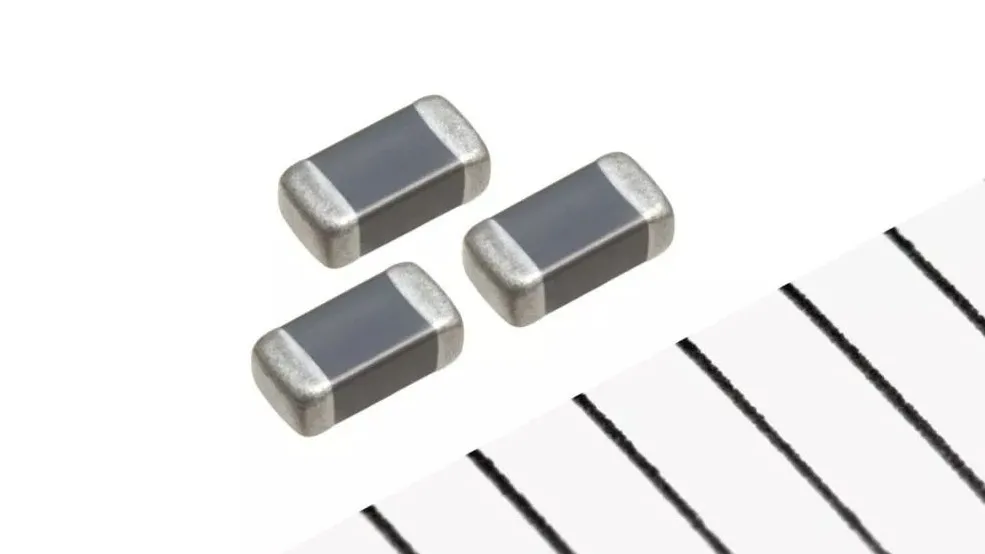 2. For fixed capacitors above 0.01μF, you can directly test the capacitor for charging processes and check for internal short circuits or leakage using the R×10k setting of the analog multimeter. The amplitude of the needle’s swing can also help estimate the capacitor’s capacitance.
How to Test the Quality of Electrolytic Capacitors?
1. Since electrolytic capacitors have much larger capacitance than regular fixed capacitors, choose an appropriate range based on different capacitances when measuring. Generally, for capacitors between 1-47μF, you can use the R×1k range, while for capacitors greater than 47μF, use the R×100 range.2. Connect the red probe to the negative terminal and the black probe to the positive terminal. At the moment of contact, the multimeter needle will swing significantly to the right (for the same resistance range, the larger the capacitance, the greater the swing), then gradually return to the left until it stops at a certain position.The resistance value at this point is the forward leakage resistance of the electrolytic capacitor, which is slightly larger than the reverse leakage resistance. Practical experience indicates that the leakage resistance of electrolytic capacitors should generally be above several hundred kΩ; otherwise, they will not function properly.If there is no charging phenomenon in both forward and reverse tests (the needle does not move), it indicates that the capacitance has disappeared or there is an internal open circuit; if the measured resistance is very small or zero, it indicates significant leakage or breakdown damage, and the capacitor cannot be used anymore.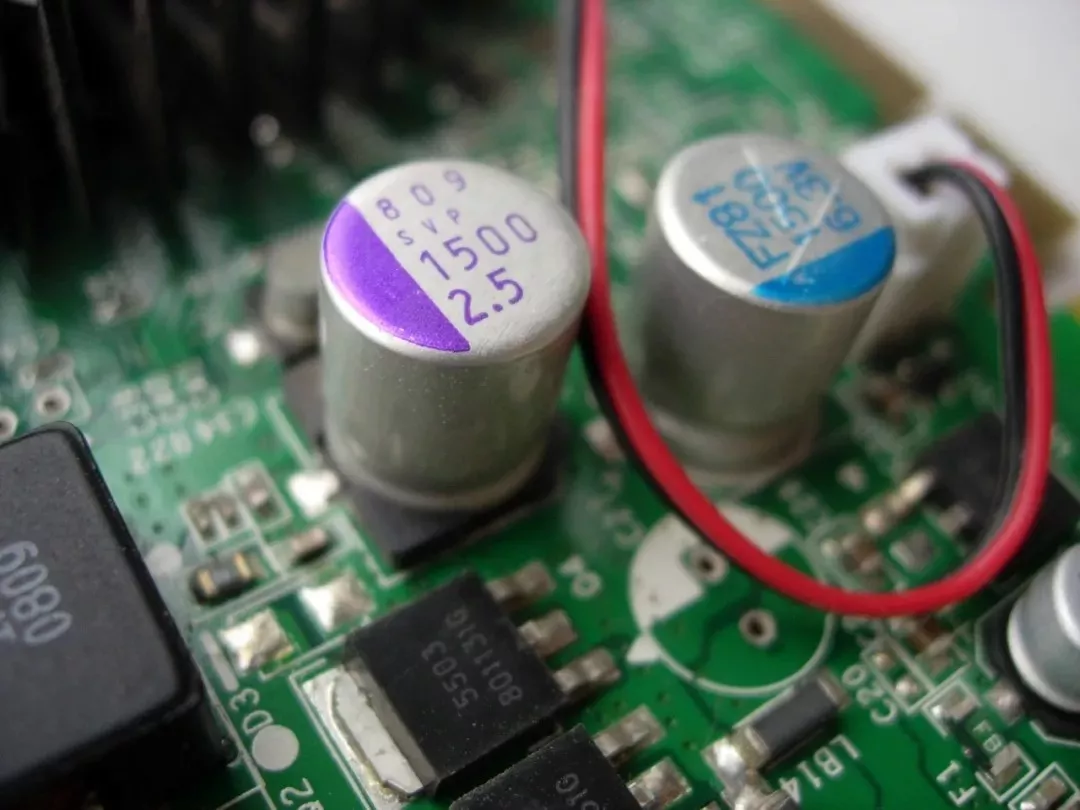 3. For electrolytic capacitors with unclear positive and negative markings, you can use the method described above to measure the leakage resistance. That is, first measure the leakage resistance randomly and note its value, then swap the probes and measure again.The larger of the two measured values will be the forward connection, meaning the black probe is connected to the positive terminal and the red probe to the negative terminal.4. Using the multimeter resistance setting, apply forward and reverse charging methods to the electrolytic capacitor, and based on the amplitude of the needle’s swing to the right, you can estimate the capacitance of the electrolytic capacitor.5. Measure the discharge speed of the capacitor.Use a digital multimeter across the capacitor terminals to charge it first, and then measure the voltage drop speed when open-circuited. Since the capacitor is open-circuited, the only current that will drain is the leakage current. If you measure the voltage against time, you can infer the leakage current. Remember to use a good quality digital multimeter, as the input resistance of the multimeter is limited. If the leakage current of a good quality capacitor is small, a digital multimeter with slightly lower input resistance may not provide accurate readings.
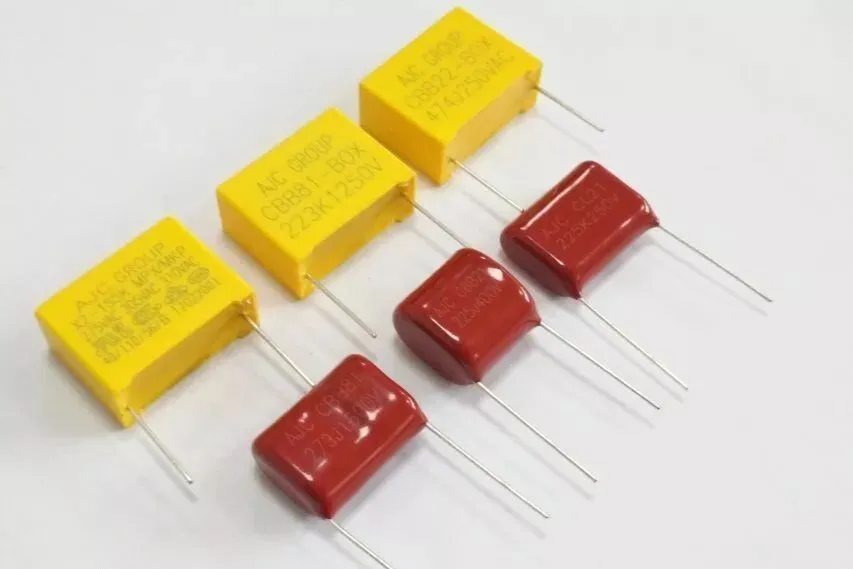 6. Note! When measuring larger capacitors, if you need to measure back and forth, be sure to short-circuit and discharge the capacitor to avoid damaging the meter.Based on experience, in high-frequency circuits and switching power supply circuits, many small capacitors cannot be accurately judged by ordinary multimeters, and some capacitances may even increase. It is strongly recommended to use a dedicated digital capacitance meter for measurement.
Statement:All rights to this article belong to the original author and do not represent the views of the association.The articles pushed by the “Jiangxi Province Electronic Circuit Industry Association” are for sharing purposes only and do not represent the position of this account. If there are copyright issues, please contact us for deletion.