1. Overview of the Industry Concept
High voltage power modules are electronic devices that convert input power (such as AC or low-voltage DC) into stable high-voltage DC output. They are widely used in industrial automation, medical equipment, scientific instruments, communication systems, electric vehicles, and data centers. Their core function is to provide reliable and efficient power support for high voltage demand scenarios, making them one of the core components of modern power electronics technology. With technological iterations, high voltage power modules are evolving towards higher efficiency, greater integration, and intelligence, especially driven by wide bandgap semiconductor materials (such as SiC), continuously enhancing performance.
In the Chinese market, high voltage power modules are subdivided into several subcategories, including Intelligent Power Modules (IPM) and Power Integration Modules (PIM), to meet the needs of different application scenarios. The industry is driven by the national “dual carbon” policy and is highly related to strategic fields such as new energy and AI infrastructure, serving as a key link in supporting industrial upgrades.
2. Market Characteristics
The Chinese high voltage power module market exhibits the following significant characteristics:
- Technology-Intensive with High Barriers: The industry requires substantial R&D investment and has high technical barriers, involving the integration of multiple disciplines such as power electronics and materials science. New entrants must overcome financial, talent, and patent obstacles, while domestic companies like Huawei and Decon Electronics are accelerating their technological catch-up.
- Diverse Competitive Landscape: The market is dominated by international giants (such as ABB, Siemens, and General Electric), but local companies (like Huawei and Decon Electronics) are rapidly rising due to cost advantages and policy support, forming a situation of “foreign capital dominance, domestic capital catch-up.” In 2023, the market share of the top five global manufacturers is concentrated, but the share of domestic companies continues to increase.
- Fragmented Application Scenarios: Downstream demand is highly dispersed, covering electric vehicles (800V high voltage platforms), data centers (AI server power supplies), medical equipment (imaging systems), and industrial automation, leading to strong customization demands for products.
- High Policy Sensitivity: The industry is directly affected by policies such as “Made in China 2025” and “carbon neutrality,” which drive technological upgrades through enhanced energy efficiency standards and green supply chain requirements, but also increase compliance costs.
- Prominent Supply Chain Risks: The reliance on imports for raw materials (such as semiconductor chips and magnetic materials) leads to significant cost fluctuations, and geopolitical factors exacerbate supply instability.
3. Current Industry Status
-
Market Size and Growth:
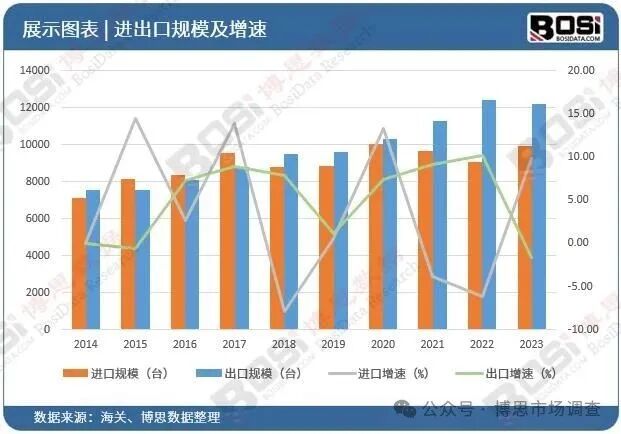
- In 2023, the global high voltage DC power module market size is approximately in the million-dollar range (specific values not fully disclosed), with a significant compound annual growth rate (CAGR) expected from 2024 to 2030, projected to exceed one million dollars by 2030. The growth rate of the Chinese market is higher than the global average, with the domestic market size reaching several billion RMB in 2023, driven by new energy vehicles and AI data centers, leading to continuous demand expansion.
- Production capacity is concentrated in East China (such as Jiangsu and Shanghai) and South China (Guangdong), with an increasing share of domestic companies, although high-end products still rely on imports.
Main Participants and Competition:
- International manufacturers: ABB, Siemens, Toshiba, etc., occupy over 60% of the global market share due to their technological advantages, focusing on the high-end market.
- Domestic companies: Huawei, Decon Electronics, XP Power, etc., are accelerating their layout, with Huawei performing outstandingly in the communication power supply sector, but overall technological strength still lags behind foreign capital.
- Market concentration: The global CR5 (market share of the top five manufacturers) is about 40-50%, with intensified competition in the Chinese market, frequent price wars, and pressure on small and medium-sized enterprises to consolidate.
Supply and Demand Dynamics:
- Demand side: Electric vehicles (800V platform popularization), data centers (AI computing power demand), and renewable energy (photovoltaic inverters) are the main driving forces, with the high voltage connector market for electric vehicles expected to reach 19.74 billion yuan in 2024, and projected to exceed 30 billion yuan by 2030.
- Supply side: The risk of overcapacity is beginning to emerge, with fierce price competition for mid-to-low-end modules, while high-end products maintain high margins due to technical barriers, but fluctuations in raw material costs (such as chip price increases) lead to overall price volatility.
Technical Status:
- Mainstream technologies include high-frequency switching topologies and digital control, achieving energy efficiency of over 90%, but the application ratio of wide bandgap semiconductors (SiC/GaN) remains low, and intelligence (remote monitoring, fault warning) is still in its infancy.
4. Future Trends
-
Technological Intelligence and Efficiency:
- Wide bandgap semiconductor materials (SiC) will become mainstream, improving energy efficiency to over 95% and supporting higher power density.
- The trend of intelligence is accelerating, integrating AI algorithms for predictive maintenance and adaptive voltage regulation, reducing operational costs.
Expansion of Application Scenarios:
- The 800V high voltage platform for electric vehicles is becoming a core growth point, driving demand for power modules; the power demand for AI data centers is growing by over 20% annually, promoting module customization.
- Renewable energy (such as energy storage systems) and medical equipment (portable high voltage devices) are opening up new markets.
Market Structure and Policy Drivers:
- Accelerated domestic substitution: Policy support (such as the “14th Five-Year Plan”) is driving technological breakthroughs for domestic companies, with a projected increase in localization rate to 50% by 2030.
- Green transformation: Under the carbon neutrality goal, the penetration rate of efficient modules in photovoltaic and wind power sectors is increasing, driving a 15% annual growth in market size.
Global and Regional Growth:
- Global CAGR remains high, with the Chinese market growth leading, and East China and South China becoming investment hotspots.
- Export growth: The Belt and Road policy is helping domestic companies expand into Southeast Asia and the Middle East markets.
5. Challenges and Opportunities
-
Main Challenges:
- Technical Risks: Rapid iterations lead to high R&D investment (accounting for 15-20% of revenue), making it difficult for small and medium-sized enterprises to keep up.
- Supply Chain Risks: The reliance on imports for raw materials (such as IGBT chips) exceeds 70%, and geopolitical conflicts or trade frictions may trigger supply disruptions.
- Market Competition Risks: Foreign capital price pressures are squeezing the margins of domestic companies, with the average industry gross margin expected to drop to 20-25% in 2024.
- Policy Compliance Risks: Stricter energy efficiency standards (such as new national standards) increase certification costs and time.
Core Opportunities:
- Communication and Data Centers: Module power supply is a key direction, with companies like Huawei already laying out, expecting an annual growth of 30%.
- Electric Vehicles: The 800V platform is driving demand for high voltage modules, with the market expected to exceed 30 billion yuan by 2030.
- AI Integration: Efficient power systems are applied in AI servers, with significant technological dividends.
- Investment Hotspot Areas:
- Domestic Substitution Opportunities: Government subsidies and procurement preferences favor domestic companies like ZK Liandian and Decon Electronics, attracting capital attention.
- Innovation and Going Global: Technological cooperation (such as industry-university-research integration) reduces costs, and the Belt and Road market expansion brings new growth.
6. Investment Recommendations
- Short-term Strategy: Focus on technology-leading companies (such as Huawei and ABB), prioritize high-growth sectors (data centers, electric vehicles), and avoid risks of low-end capacity overcapacity.
- Medium to Long-term Layout: Invest in wide bandgap semiconductor and intelligent technology R&D, seizing the window for domestic substitution; pay attention to policy dividend regions (East China, South China).
- Risk Warning: Diversify supply chain risks, increase procurement of domestic raw materials; track policy changes (such as carbon tariffs).
The Chinese high voltage power module market has broad prospects, but it is necessary to balance technological investment with market risks. Investors should focus on companies with strong innovation and diversified applications to capture structural opportunities under the waves of AI and green energy.
In this process, Bosi Data will continue to monitor industry dynamics, providing accurate and timely market analysis and recommendations for related enterprises and investors.
Chapter 1Overview of the High Voltage Power Module Industry
Chapter 2Market Research of the High Voltage Power Module Industry in China
Chapter 3Segmentation Market Research of High Voltage Power Modules in China
Chapter 4Analysis of Downstream Applications and Customer Groups of High Voltage Power Modules in China
Chapter 5Price Mechanism and Competitive Strategy of High Voltage Power Modules
Chapter 6Current Status and Trend Forecast of High Voltage Power Module Technology Development from 2024 to 2025
Chapter 7Assessment of Key Regional Markets for High Voltage Power Modules in China
Chapter 8Overall Development and Financial Situation Analysis of the High Voltage Power Module Industry in China from 2019 to 2024
Chapter 9Analysis of Import and Export Situations of the High Voltage Power Module Industry in China from 2019 to 2024
Chapter 10Overview of Global High Voltage Power Module Market Development
Chapter 11Research and Analysis of Key Enterprises in the High Voltage Power Module Industry
Chapter 12Analysis of Competitive Landscape of the High Voltage Power Module Industry in China
Chapter 13Investment Strategy Analysis for High Voltage Power Module Enterprises in China by 2025
Chapter 14Risks and Countermeasures in the High Voltage Power Module Industry in China
Chapter 15Prospects and Development Trends of the High Voltage Power Module Industry in China from 2025 to 2031
Chapter 16Research Conclusions and Recommendations for the High Voltage Power Module Industry
For the complete report directory, please click on the “Read Original” below.