
In the landscape of the chemical industry in Quzhou,
there is a place where the innovation engine is running at full speed.
In the beaker, a green chemical reaction is quietly taking place.
On the screen, simulated data is continuously optimized.
This is the Quzhou Resource Chemical Innovation Research Institute
It is not just a laboratory,
but a place where “chemistry” and “green” shake hands,
where “resources” and “efficiency” meet.
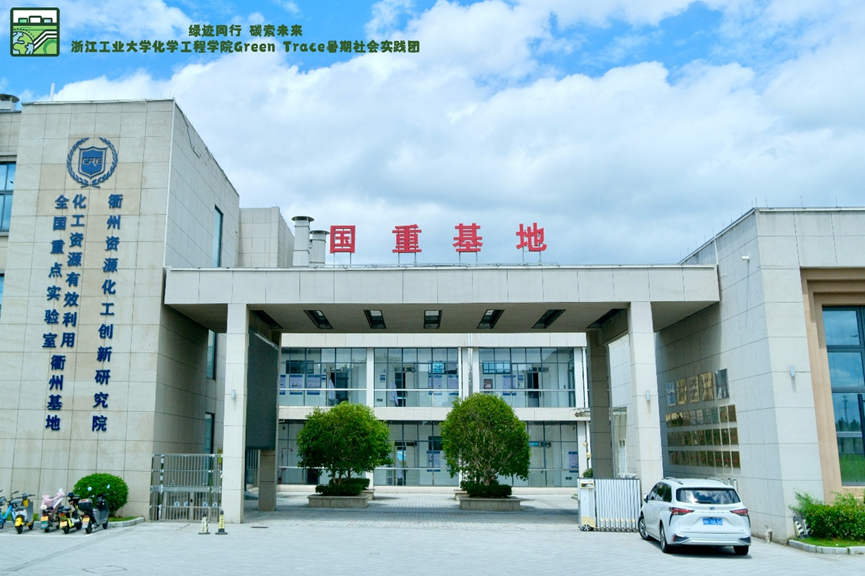
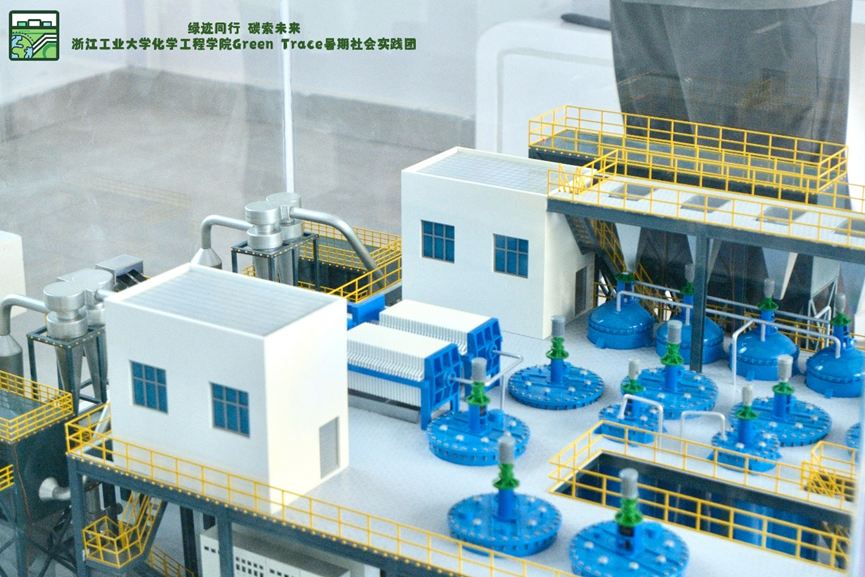
At a time when the dual carbon goals are accelerating implementation, the Quzhou Resource Chemical Innovation Research Institute is changing its development goals and direction in response to national major strategies and the actual needs of Quzhou’s industrial development. On July 21, the Green Trace social practice team entered the Quzhou Resource Chemical Innovation Research Institute to personally explore the practical path of scientific research empowering green chemistry and witness how the chemical industry is undergoing low carbon transformation and green development.

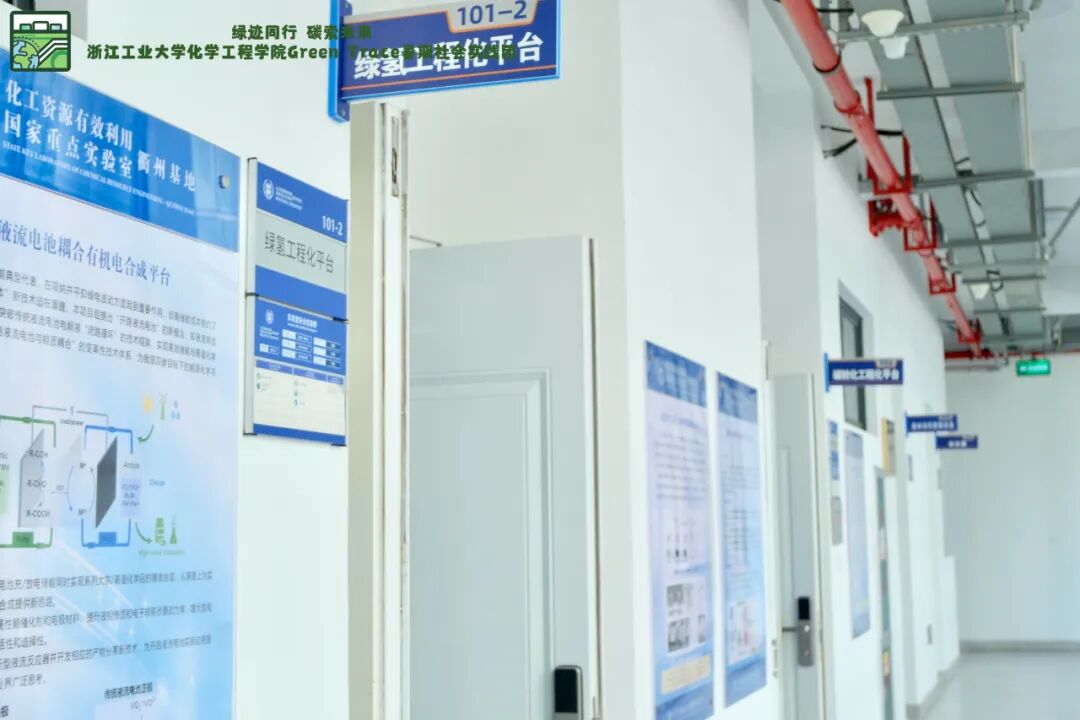
How to turn green solutions from the laboratory into actual production capacity in factories? The pilot laboratory of the research institute provides the answer. Members of the practice team learned from Qin Yongji, Deputy Director of the Science and Technology Development Department of the Quzhou Resource Chemical Innovation Research Institute, that the water electrolysis hydrogen production coupled oxidation project has accumulated mass production experience here, and the carbonate self-catalytic hydrogenation technology cleverly reduces carbon emissions in high-energy-consuming industries. However, Deputy Director Qin also indicated that there are still some difficulties in scaling up from the laboratory to the factory, such as changes in heat transfer and mass transfer due to the amplification effect of the reaction system; the complexity of cross-industry system integration and interdisciplinary coordination increases the difficulty of coordination among all parties, and changes in factors affecting equipment durability due to system changes.

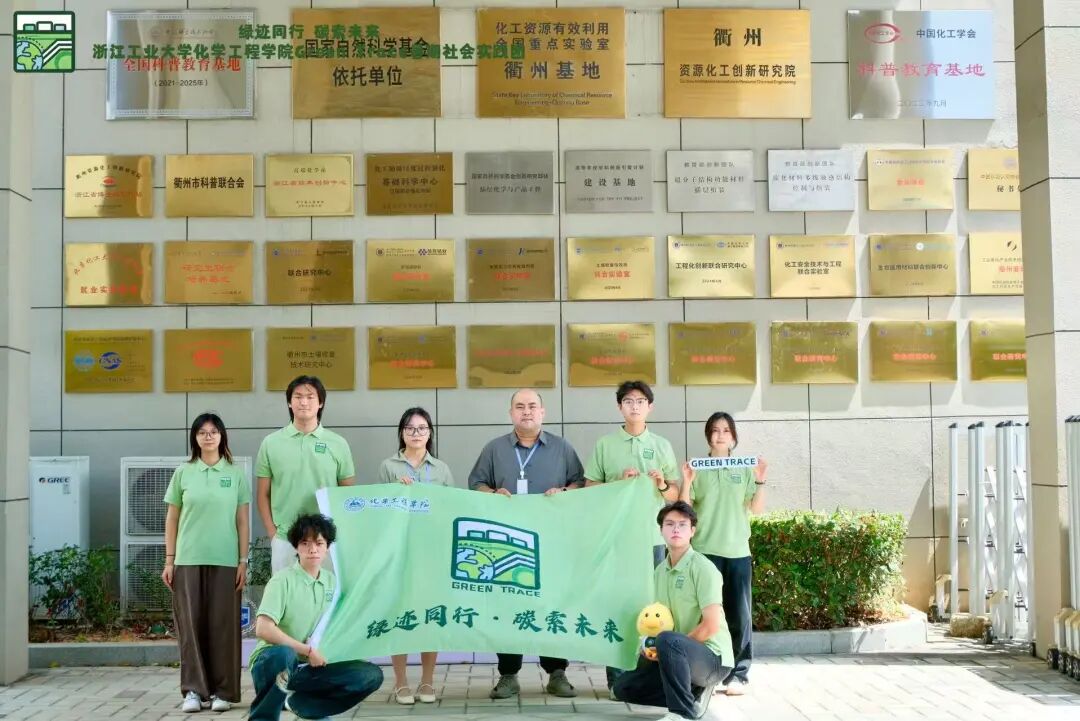
Professor Dai Wei, a distinguished professor at Beijing University of Chemical Technology, entered primary and secondary school classrooms to tell the story of “Chemistry Can Also Be Low Carbon” through interesting experiments and popular science lectures, allowing knowledge of carbon reduction in chemistry to step out of the laboratory. Meanwhile, the Quzhou Chemical Institute, relying on the National Key Laboratory for Effective Utilization of Chemical Resources, a national popular science education base, conducts online and offline popular science lectures and experimental activities to stimulate the curiosity and scientific interest of young people, spreading scientific knowledge and methods. Members of the practice team watched videos of the professor’s popular science lectures on-site, gaining further understanding of the current situation of chemistry education among young people.

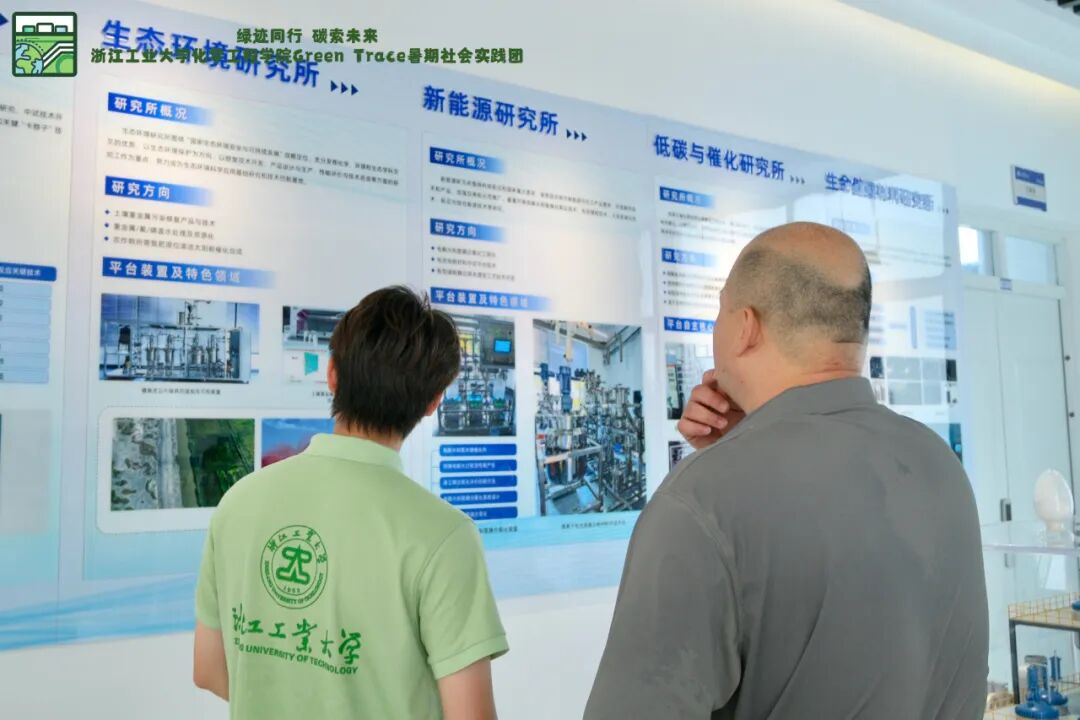
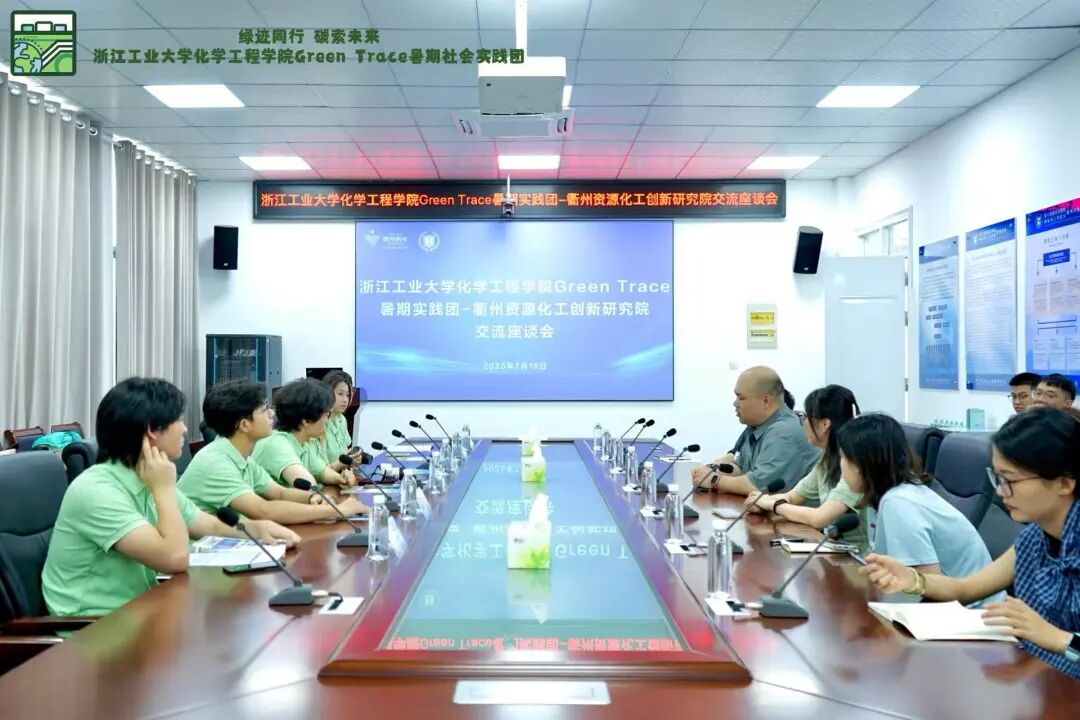
The Quzhou Chemical Institute focuses on high-end inorganic chemicals, hydrogen energy, and carbon reduction topics, gradually implementing dual carbon policies. The Green Trace team engaged in discussions with Qin Yongji, Deputy Director of the Science and Technology Development Department of the Quzhou Resource Chemical Innovation Research Institute, and alumni from Zhejiang University of Technology working at the institute to gain in-depth understanding of the transformation and development ideas under the requirements of the dual carbon era.
Deputy Director Qin and alumni from Zhejiang University of Technology working at the Quzhou Resource Chemical Innovation Research Institute provided academic advice to the practice team members, suggesting that university students should solidify their foundational subject knowledge, while also paying attention to knowledge from other disciplines, enriching their experimental experience and cultivating learning abilities. The practice team members also learned that the Quzhou Chemical Institute is currently collaborating with local traditional chemical enterprises and has many project collaborations with universities such as Beijing University of Chemical Technology, innovating through collaboration and achieving win-win outcomes through exchanges.

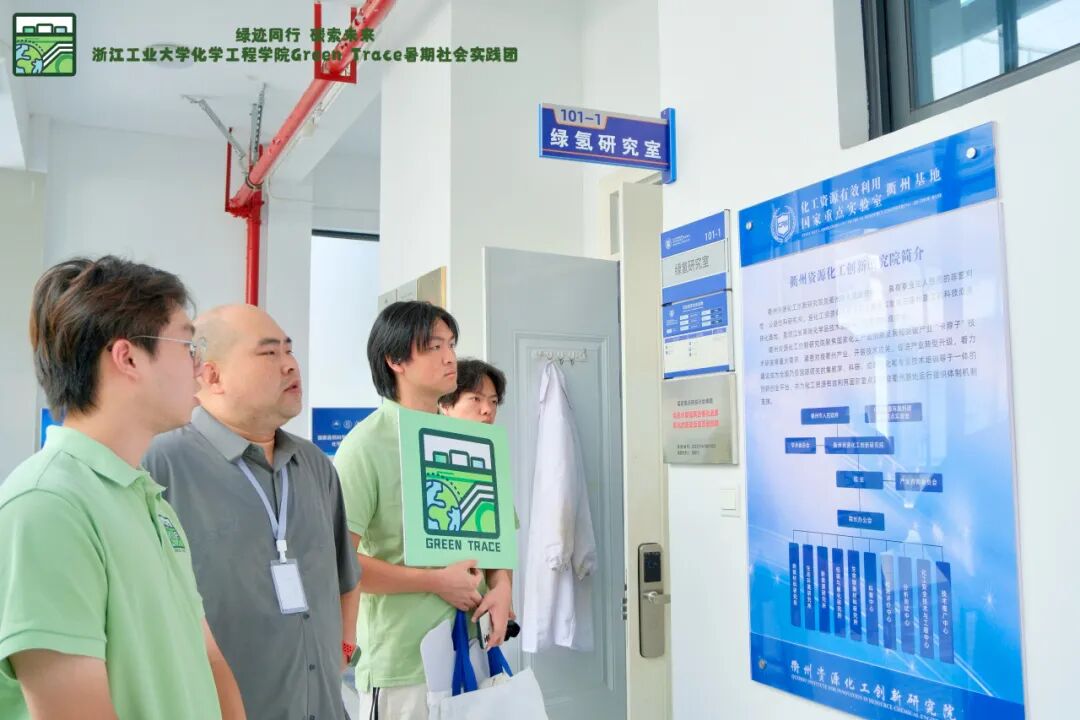
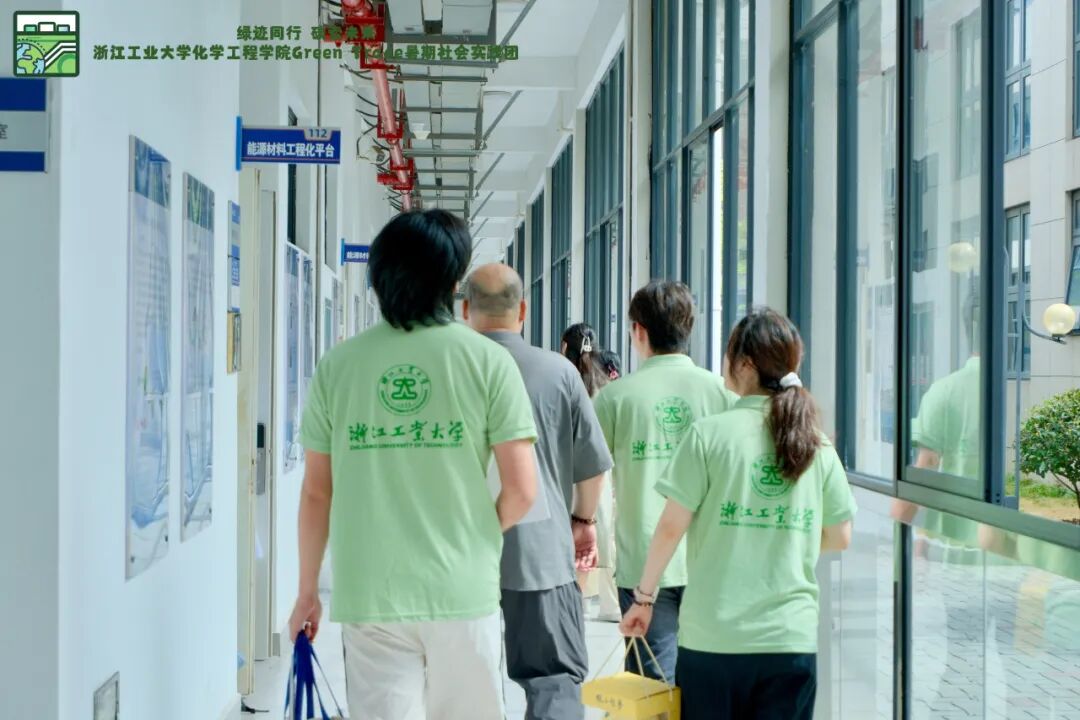
The GREEN TRACE practice team entered the laboratory and learned about the low-carbon stories behind scientific research achievements through observation and debugging. The concept of green development has taken root in people’s hearts. This social practice at the Quzhou Chemical Institute not only presents a model for the implementation of green technology but also reflects the dual empowerment of scientific exploration and popular science communication— there are no outsiders in the dual carbon transformation; every innovative force must take root and grow in the demands of the times.
EXTENDED READING
Extended Reading
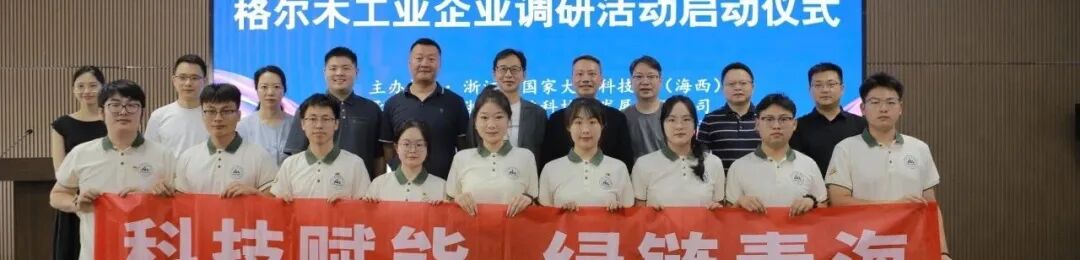
▲“Technology Empowerment · Green Chain Qinghai” – The launch ceremony for the research work of industrial enterprises in Golmud was successfully held.
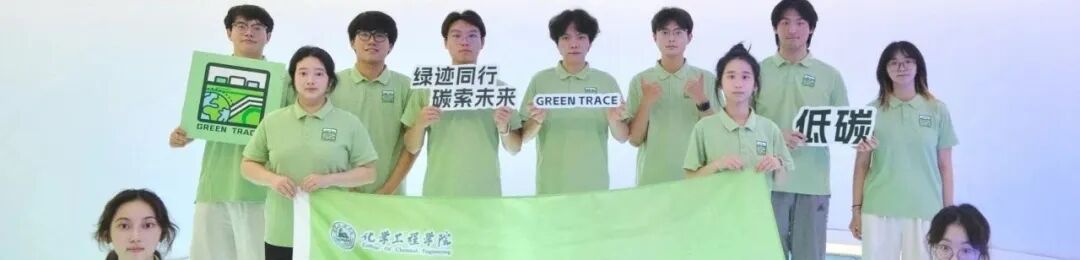
▲Green Trace Refining Journey | Egrets as Neighbors, Heavy Industry Also Has an “Ecological Heart”!
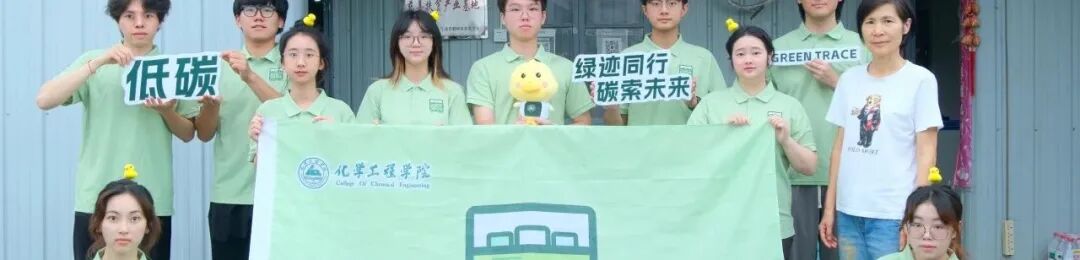
▲Green Trace Rural Journey | From the Field Ridge to the Elderly Care Center, the Taste of Low Carbon is Sweeter
New Reaction Promotion Center
Text | Zheng Xinyu, Wang Zifei, Lai Zhenglin, Wang Linan, Zou Jiaxin
Photography | Zou Jiaxin
Proofreading | Zheng Xinyu
Editor | Lai Zhenglin
Initial Review | Kong Jialun
Final Review | Li Danlin
Submission Email: [email protected]


Share
Like
View