

Introduction
SPI, short for Serial Peripheral Interface, is a high-speed interface technology that supports full-duplex synchronous communication. The communication rate can reach several megabits to tens of megabits.
1. Four-Wire SPI
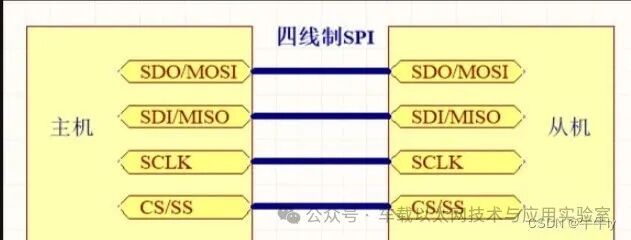
The commonly used SPI typically consists of four lines:
SDO/MOSI: Master device data output, slave device data input, such as when the master reads a command;
SDI/MISO: Master device data input, slave device data output, such as when the slave returns data;
SCLK: Clock signal generated by the master device for data synchronization;
CS/SS: Slave device enable signal controlled by the master device to select which slave to communicate with;
The four-wire configuration is a full-duplex communication method.
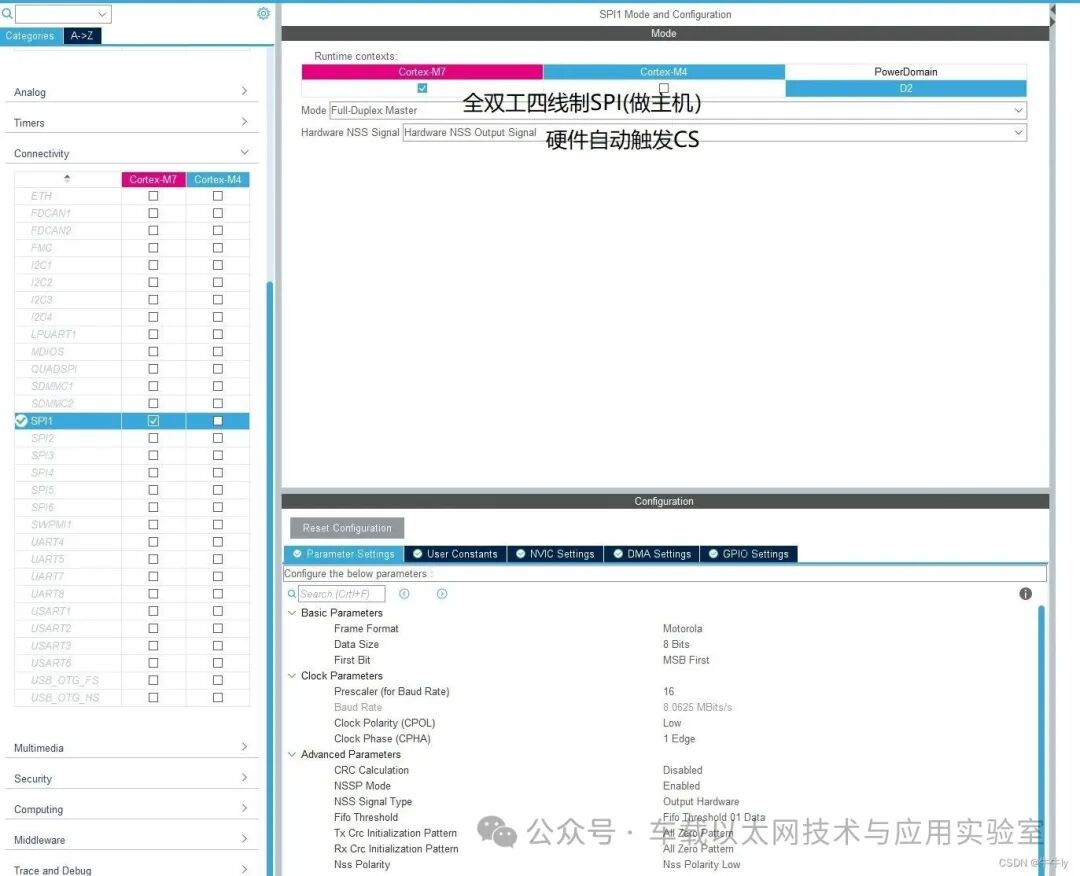
ST’s MCU configuration for four-wire SPI:
spi.c
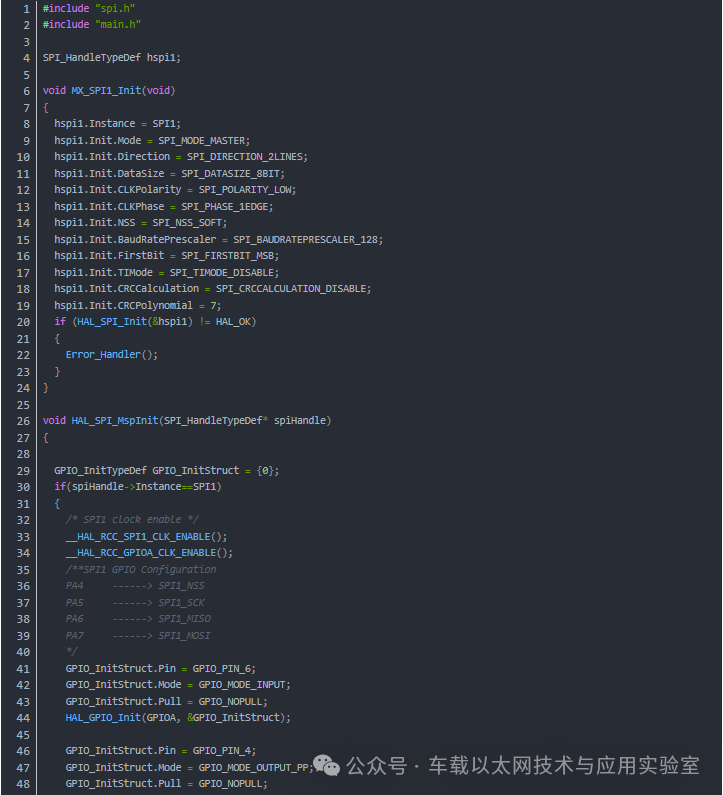
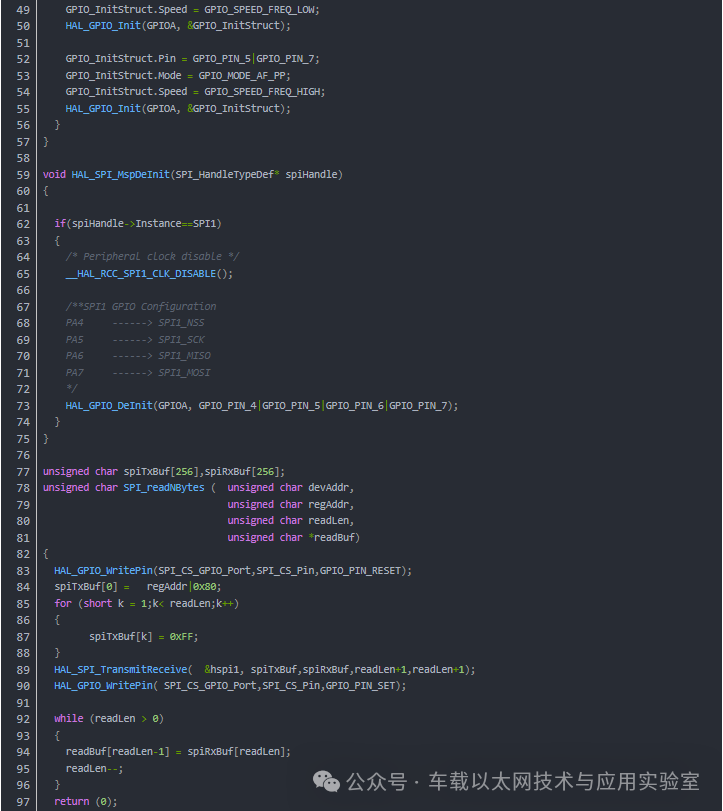
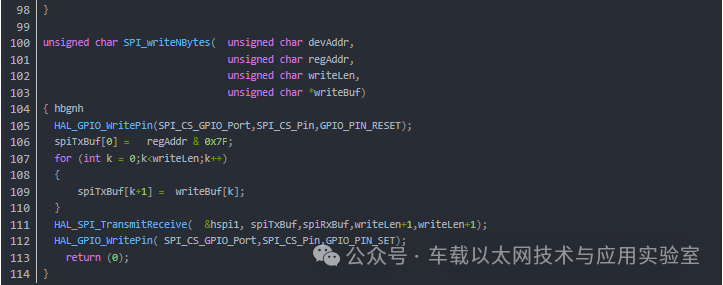
Conclusion: When we set hspi1.Init.Direction = SPI_DIRECTION_2LINE in our program, HAL_SPI_TransmitReceive can send and receive simultaneously.
2. Three-Wire SPI
However, there is another SPI communication method that uses three wires to reduce the number of lines and pins. Many people online believe that the three-wire method does not have a CS chip select, which is incorrect. The true three-wire SPI communication mode refers to the communication method where SDO/MOSI and SDI/MISO share a single bus, using half-duplex communication. This brings us to the definitions of full-duplex and half-duplex. Full-duplex allows data to be transmitted simultaneously in both directions, effectively combining two simplex communication methods. Full-duplex means that bidirectional signal transmission can occur simultaneously.
Half-duplex means that data can be transmitted in both directions on a single signal carrier, but not simultaneously.
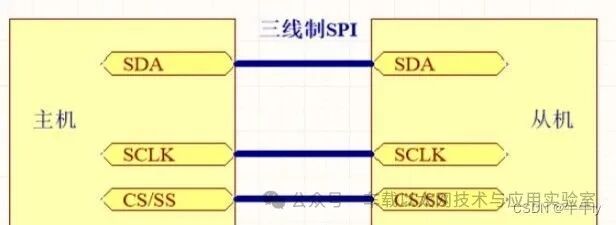
ST’s MCU configuration for three-wire SPI:
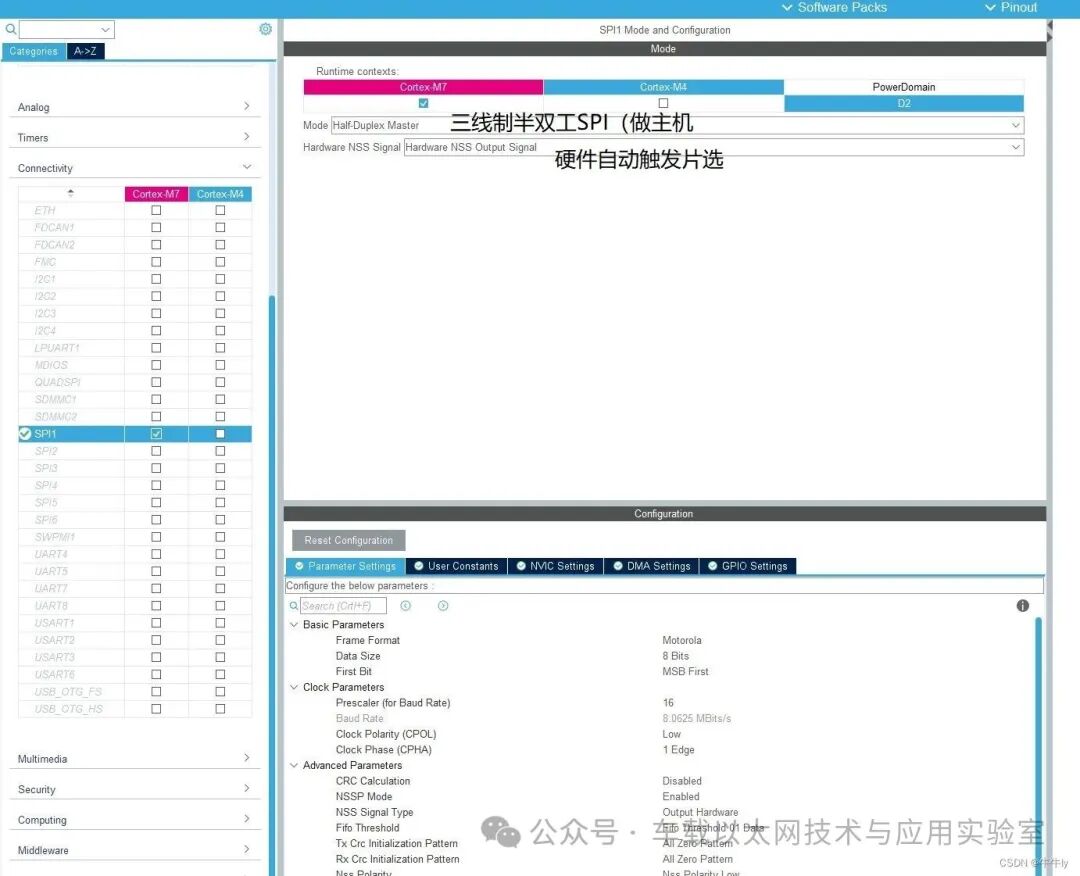
SPI.c
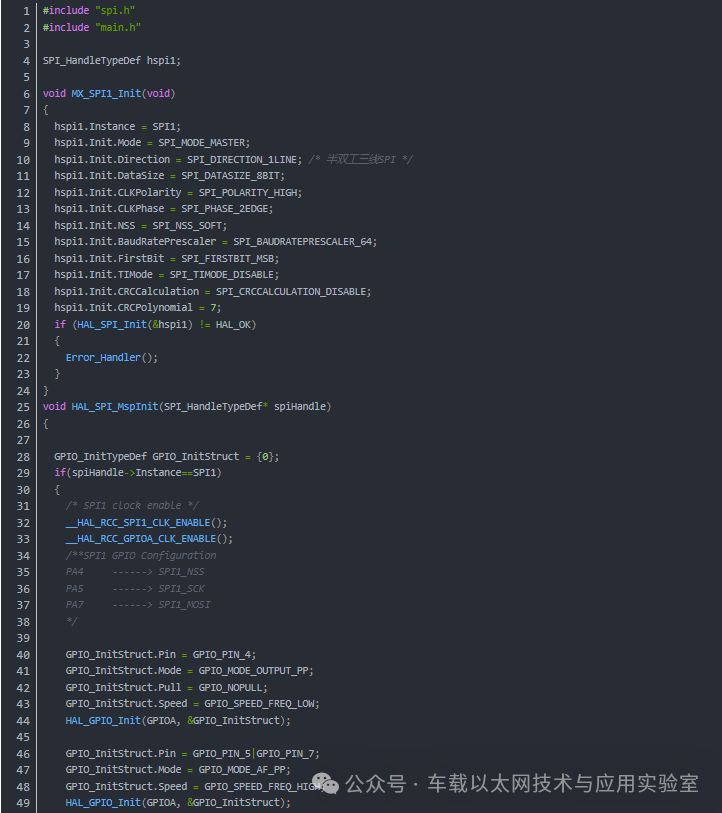
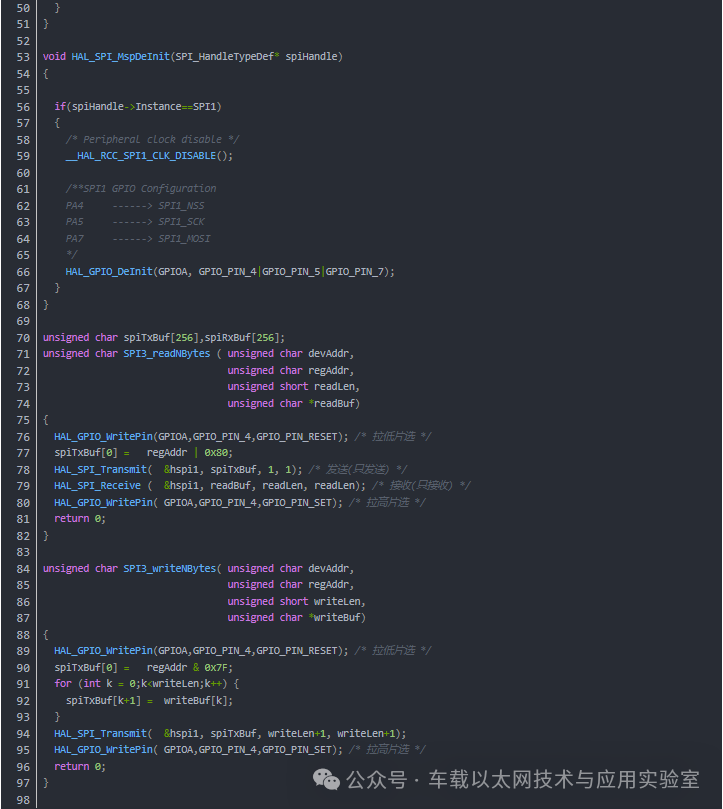
Conclusion: When we set hspi1.Init.Direction = SPI_DIRECTION_1LINE in our program, using HAL_SPI_Transmit will configure the lower layer to only send. Using HAL_SPI_Receive will configure the lower layer to only receive.
Specifically control the BIDIMODE bit.
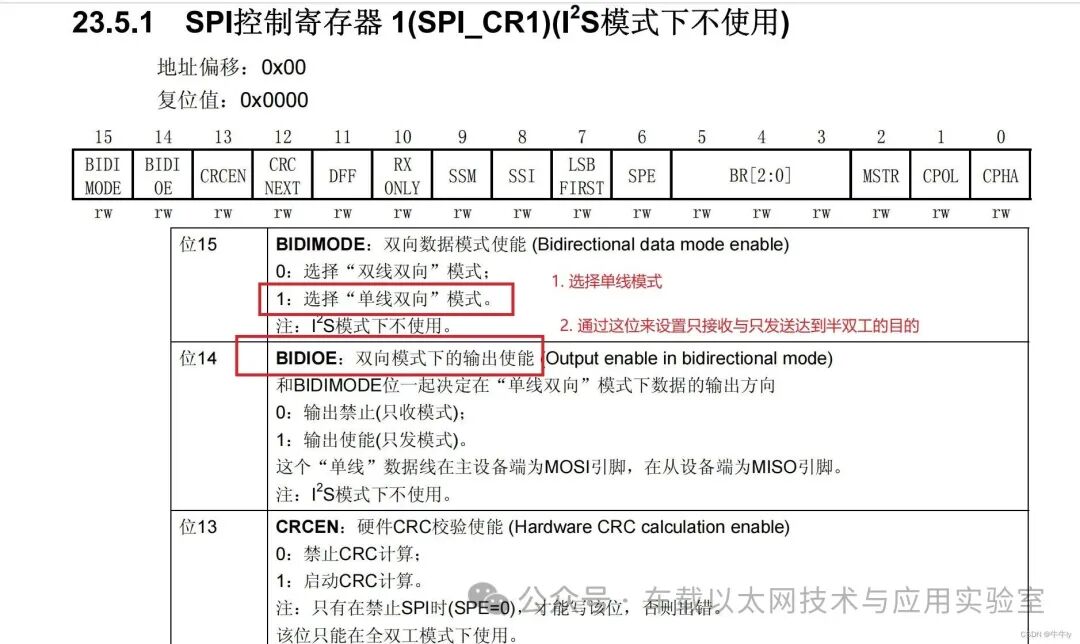
3. Two-Wire SPI
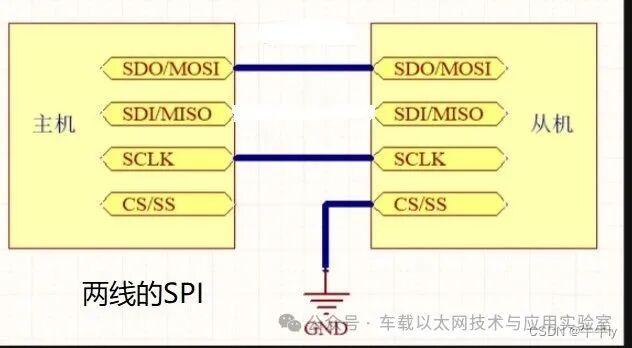
Since SDO/MOSI and SDI/MISO share a single bus, they cannot transmit simultaneously, which is known as half-duplex communication. During communication, the CS/SS line is also required for chip selection; it is not that there is no CS/SS. The claim that the CS/SS line is unnecessary refers to the case where there is one master and one slave on the SPI line, in which case the CS/SS line can be omitted because there is only one slave. Thus, the slave’s CS/SS can be set to a constant selected state. It is not permissible to pull CS/SS high to indicate the end of communication; if data errors occur, the consequences can be severe, leading to persistent errors. This three-wire configuration indeed consists of three lines, but it differs from the half-duplex three-wire SPI communication mode. Many ICs that specify the use of a three-wire configuration generally refer to half-duplex mode.

Statement: We respectoriginality and value sharing; the text and images are copyrighted by the original authors. The purpose of reprinting is to share more information and does not represent the position of this account. If your rights are infringed, please contact us promptly, and we will delete it immediately. Thank you!
Original link:
https://blog.csdn.net/qq_41328470/article/details/135354393